Pioneering the industrial production of telephone equipment in Rome.
Founded on October 3, 1918, in Rome, FATME played a significant role in the early development of Italy’s telecommunications infrastructure, manufacturing essential equipment for civil and military use.
Establishment and Early Operations
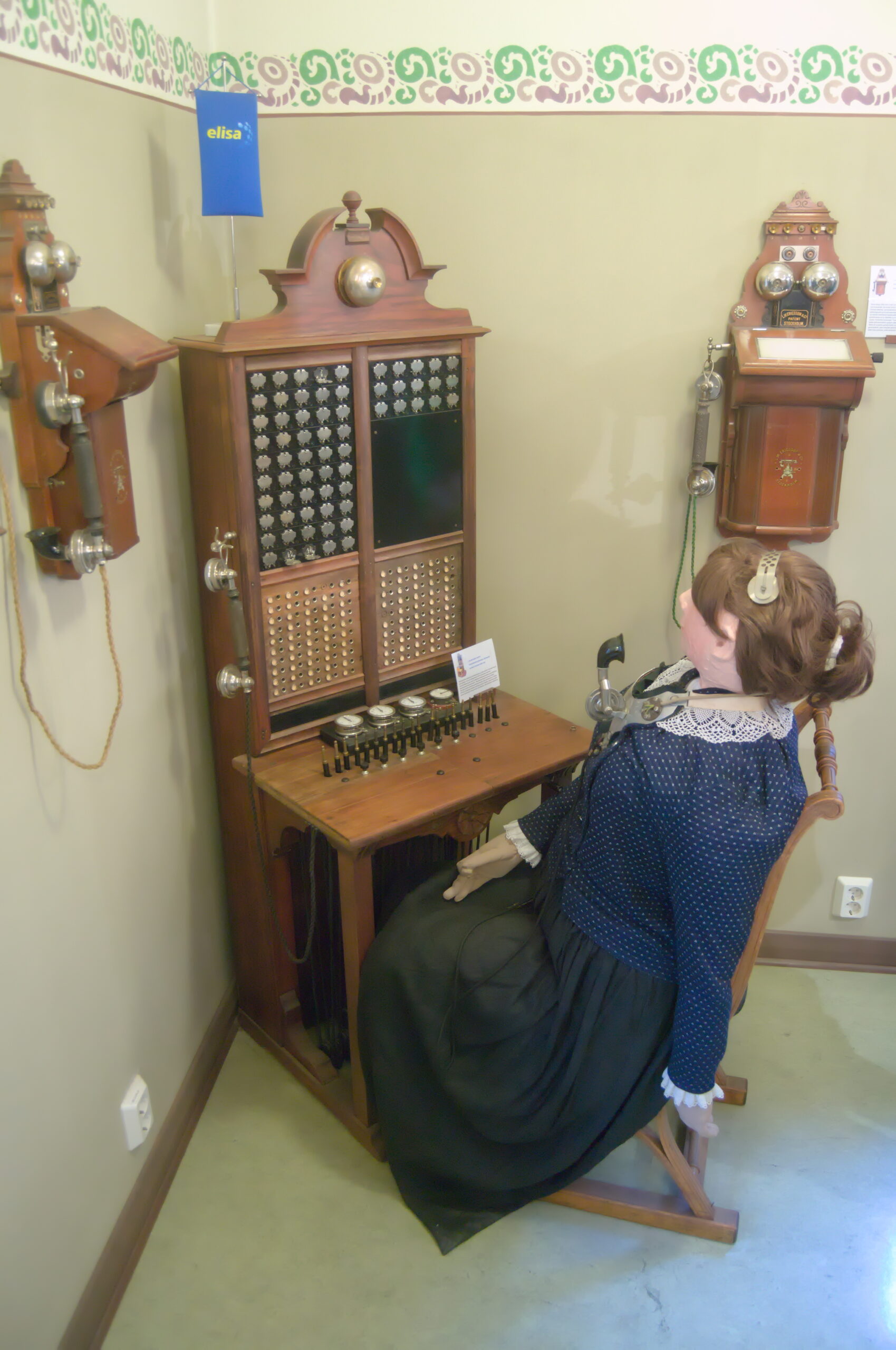
FATME (Fabbrica Apparecchiature Telefoniche e Materiale Elettrico) was established in Rome by a group of Italian industrialists, specifically wool merchants from Biella, who recognized the growing strategic importance of telecommunications in the aftermath of World War I. Crucially, the enterprise received early capital investment from the Swedish telecommunications company L.M. Ericsson, marking the beginning of a long-standing technological relationship, although Ericsson would not assume primary control until decades later. Operating from its historical facility in the Appio-Tuscolano district, situated between Via Appia Nuova and Via dei Cessati Spiriti, the factory initially employed around 250 workers by 1925. The facility focused on the precise manufacturing of manual switchboards, central-battery table telephones, and specialized communication equipment demanded by the Italian Navy and Air Force.
Supplying the National Network
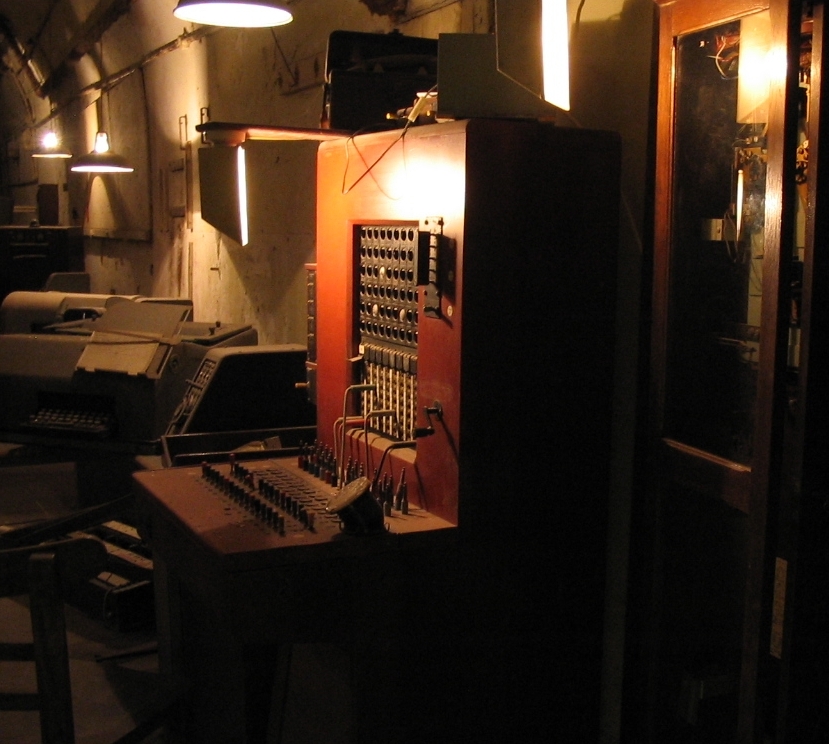
During the interwar period, Italy’s telephone network was operated by a patchwork of regional concessionaires. FATME became a key supplier for SET (Società Esercizi Telefonici), the private concessionaire responsible for the telephone network in Southern Italy and Sicily (Zone V). Through this partnership, FATME’s equipment facilitated the gradual expansion and modernization of telephone services across the southern regions. While the widespread adoption of automatic telephone exchanges in Italy would largely occur in the post-war decades—with FATME later achieving significant milestones such as the deployment of AKE exchanges in 1975 and AXE digital systems in 1982—the company’s early production of reliable manual switchboards and terminal equipment provided the foundational hardware necessary for the nascent national network.
The original manufacturing complex on Via Appia Nuova was decommissioned in the 1960s when production moved to larger premises on Via Anagnina. The historical factory buildings between Via Appia Nuova and Via dei Cessati Spiriti were subsequently demolished, and the site is today occupied by a modern residential neighborhood and apartment buildings along Via Sermoneta.
Historic Site & Location
Historic Address: Via Sermoneta 52, Roma, RM, Italy
Sources
- S1 — Museo Nazionale della Scienza e della Tecnologia «Leonardo da Vinci» (MUST), LOD ARCO, scheda agente «F.A.T.M.E. (1918/1994)» (= Wikidata Q55830799) — https://dati.museoscienza.org/lod/resource/Agent/it-must-aut001-000194.html
- S2 — Fondazione Telecom Italia / Ministero della Cultura, mostra digitale «L'ITALIA CHIAMÒ!», «Il sistema telefonico» — https://movio.beniculturali.it/cliomedia/italiachiamo/259/1/1/litalia-chiamo
- S3 — Fondazione Telecom Italia / MiC, «La costruzione della rete» — https://movio.beniculturali.it/cliomedia/italiachiamo/271/1/litalia-chiamo
- S4 — Marina Marcelli, «Le industrie romane dall'occupazione francese all'avvento del Fascismo. Un'analisi GIS», «Geostorie. Bollettino e Notiziario del CIS — https://cisge.it/ojs/index.php/geostorie/article/view/36 (PDF: http://www.cisge.it/ojs/index.php/geostorie/article/download/36/34/)
- S5 — CorCom (Corriere delle Comunicazioni), «100 anni di storia, 100 anni di Tlc italiane», 24/10/2018 — https://www.corrierecomunicazioni.it/telco/100-anni-di-storia-100-anni-di-tlc-italiane/
- S6 — Berta, Giuseppe. L'Italia delle fabbriche. Il Mulino, 2001. ISBN 978-88-15-25257-9.
Spotted an error? Write to editorial@culturalheritageonline.com and we correct it the same day.