Alfredo Gallanzi’s Milanese light automobile manufactured under Chiribiri licence.
Established in Milan in 1918 by engineer Alfredo Gallanzi, Costruzioni Automobili Ing. A. Gallanzi produced the short-lived Ardita light automobile, assembling vehicles based on technical licences and components acquired from the Chiribiri factory in Turin.
From Automotive Sales to Local Assembly
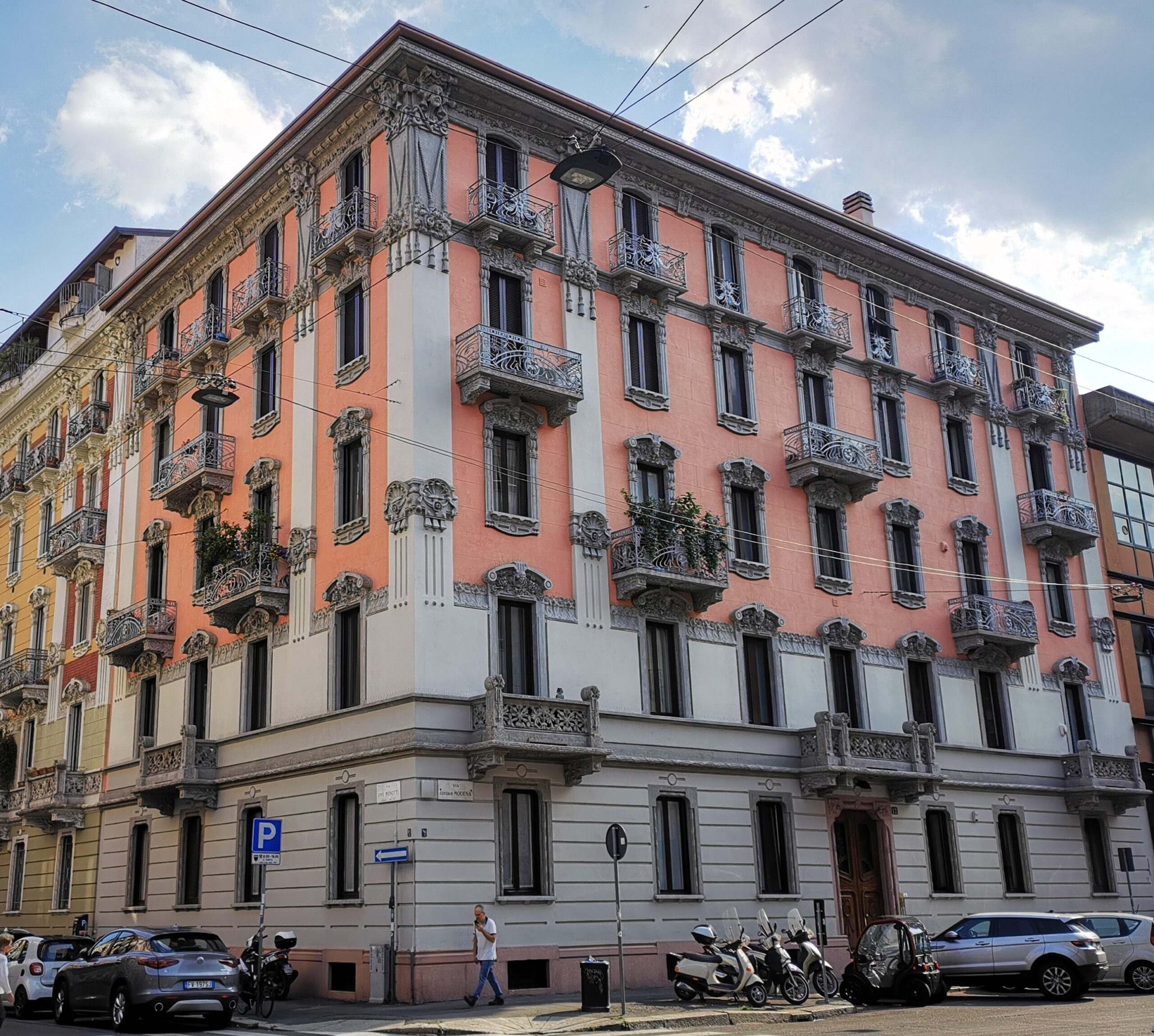
In 1916, engineer Alfredo Gallanzi opened an automobile dealership at Via Gustavo Modena 4 in Milan, catering to an expanding urban market for second-hand and utility motor vehicles. Seeking to enter direct vehicle production in the final year of World War I, Gallanzi established a manufacturing workshop at nearby Via Gustavo Modena 10 under the registered trade name Costruzioni Automobili Ing. A. Gallanzi, adopting the patriotic brand name Ardita for his automobile. Rather than developing an entirely original vehicle from scratch, Gallanzi negotiated a commercial and technical agreement with the prominent automotive and aeronautical engineer Antonio Chiribiri of Turin. Through this arrangement, Gallanzi acquired the manufacturing licence alongside a pre-existing stock of mechanical parts for a lightweight cyclecar design that Chiribiri had conceived but had not put into regular series production in Piedmont.
Mechanical Layout and Commercial Conclusion
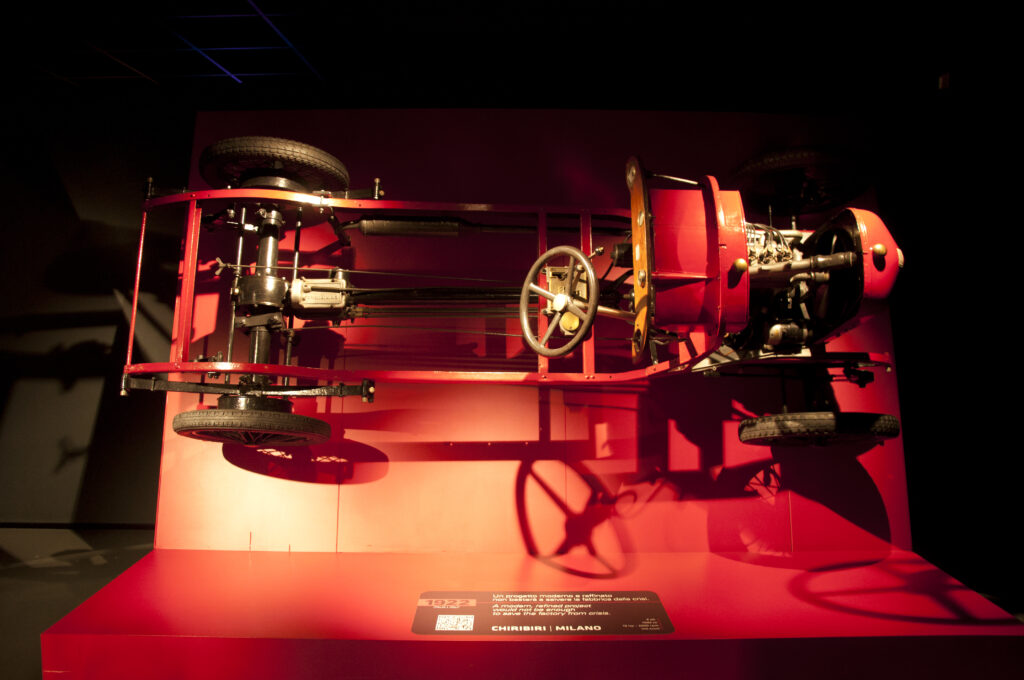
The Ardita venture planned two light passenger models designated as the 8HP and 10HP, designed as compact four-passenger open torpedo cars capable of achieving a modest top speed of approximately 65 km/h. Mechanically, the vehicle featured an unconventional design choice in which the gearbox was separated from the engine block and mounted along the transmission shaft—an engineering arrangement later popularized by larger manufacturers such as Bianchi. However, Gallanzi’s manufacturing venture faced severe commercial headwinds in the unstable post-armistice market. The vehicle failed to attract significant public interest or commercial orders in competition with larger domestic manufacturers like FIAT. Production halted during 1918, the exact same year it commenced, with the firm liquidating its automotive assembly before exhausting the initial batch of components supplied by Chiribiri.
Automotive assembly at Via Gustavo Modena 10 was short-lived, concluding before the end of 1918. Today, the address forms part of an established residential and commercial district in Milan’s Porta Venezia neighborhood, where late nineteenth and early twentieth-century residential apartment buildings stand on the former workshop site.
Historic Site & Location
Historic Address: Via Gustavo Modena 10, Milano, MI, Italy
Sources
- S1 — AISA (Associazione Italiana per la Storia dell'Automobile), Monografia 126: «In the Shadow of the Big Boys», voce «GALLANZI, Milano 1916-1920», p. 42 — https://www.aisastoryauto.it/wp-content/uploads/2021/04/aisa126_EN_web.pdf
- S2 — Ruoteclassiche (Editoriale Domus), «Nel 2018 fa cent'anni la meteora Ardita», 28/11/2017 — https://ruoteclassiche.quattroruote.it/nel-2018-fa-100-anni-la-meteora-ardita/
- S3 — Museo Nazionale dell'Automobile di Torino, «Il fervore meccanico a Torino», sezione «Alcune aziende automobilistiche torinesi», voce Chiribiri — http://museoauto.it/website/images/stories/articoli/varie/fervore_meccanico_a_torino.pdf
- S4 — Targaflorio.info, scheda storica «GALLANZI» (Milano) — https://www.targaflorio.info/gallanzi.htm
- S5 — Berta, Giuseppe. L'Italia delle fabbriche. Il Mulino, 2001. ISBN 978-88-15-25257-9.
Spotted an error? Write to editorial@culturalheritageonline.com and we correct it the same day.