

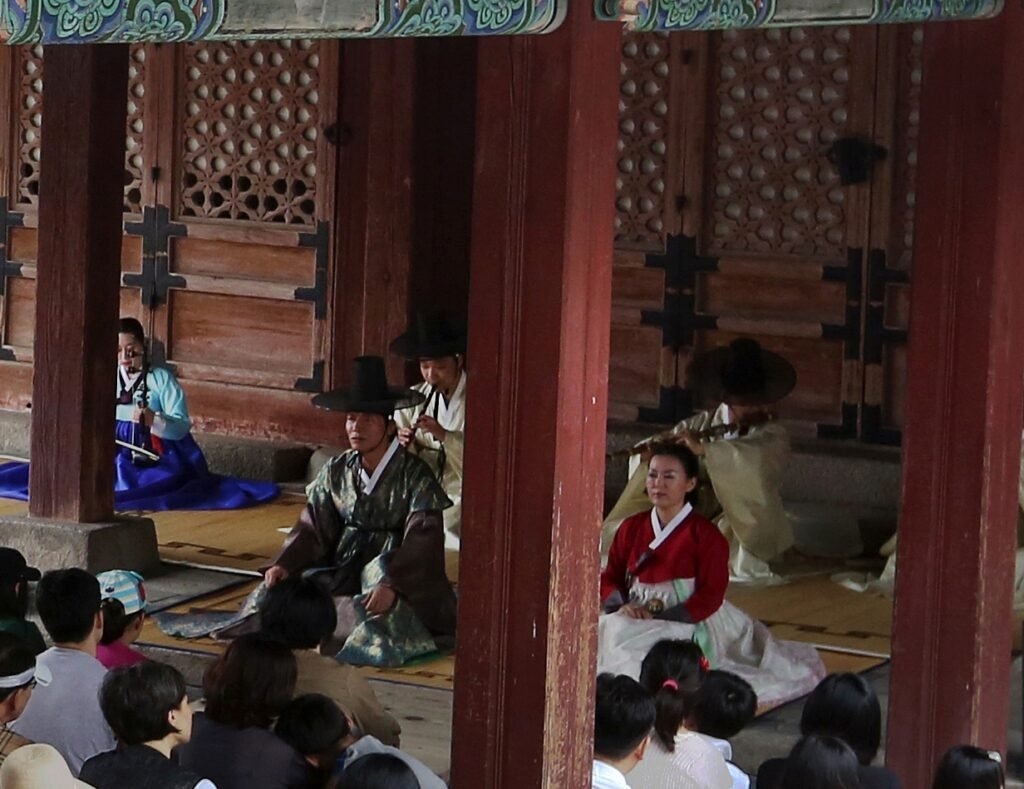
Gagok: Classical Korean Lyric Song Cycles
Gagok is a refined Korean vocal art form in which singers perform lyric cycles to classical poetry accompanied by ensemble instruments, preserving…

Gagok is a refined Korean vocal art form in which singers perform lyric cycles to classical poetry accompanied by ensemble instruments, preserving…
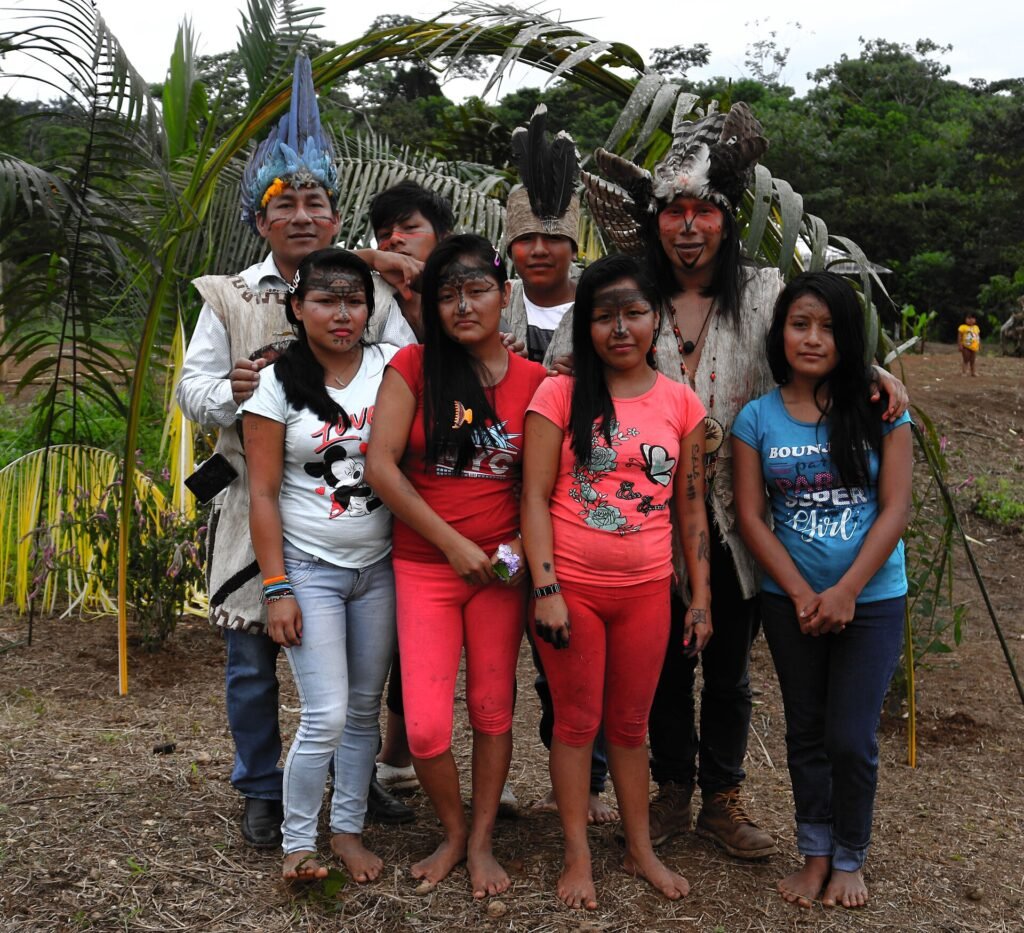
The Sápara people preserve an intricate oral tradition of forest knowledge, ritual, and language across the Amazon rainforest of Ecuador and Peru…
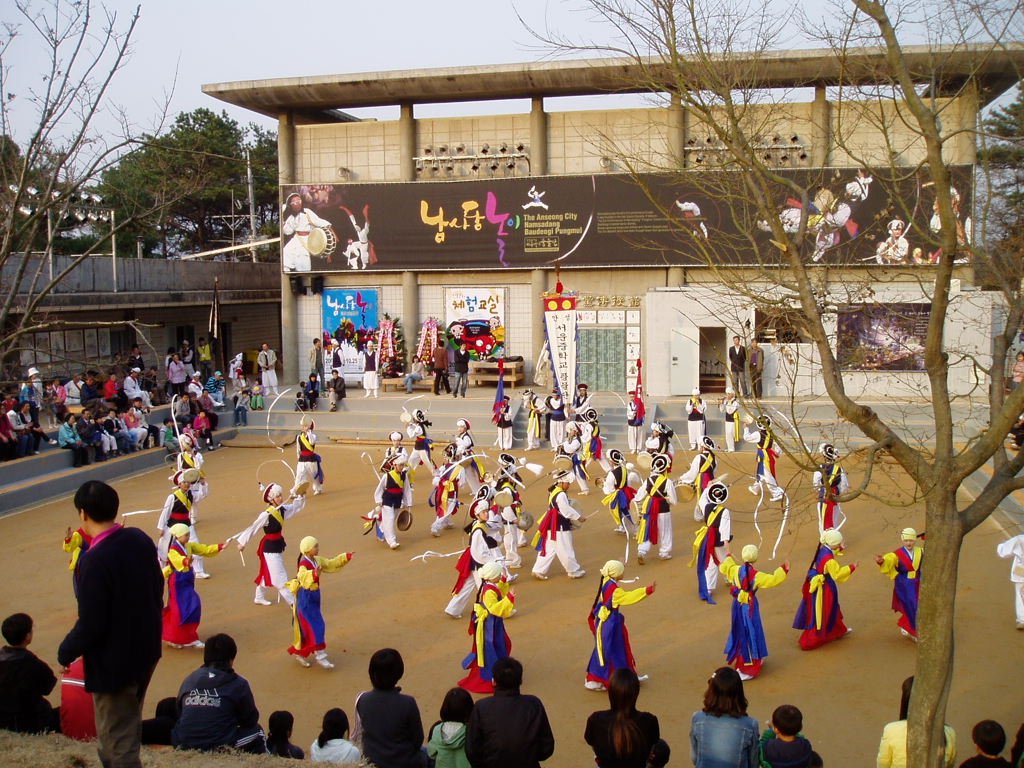
An all-male Korean itinerant troupe performing acrobatics, mask drama, puppet theater, and music across markets and villages since before 1900.
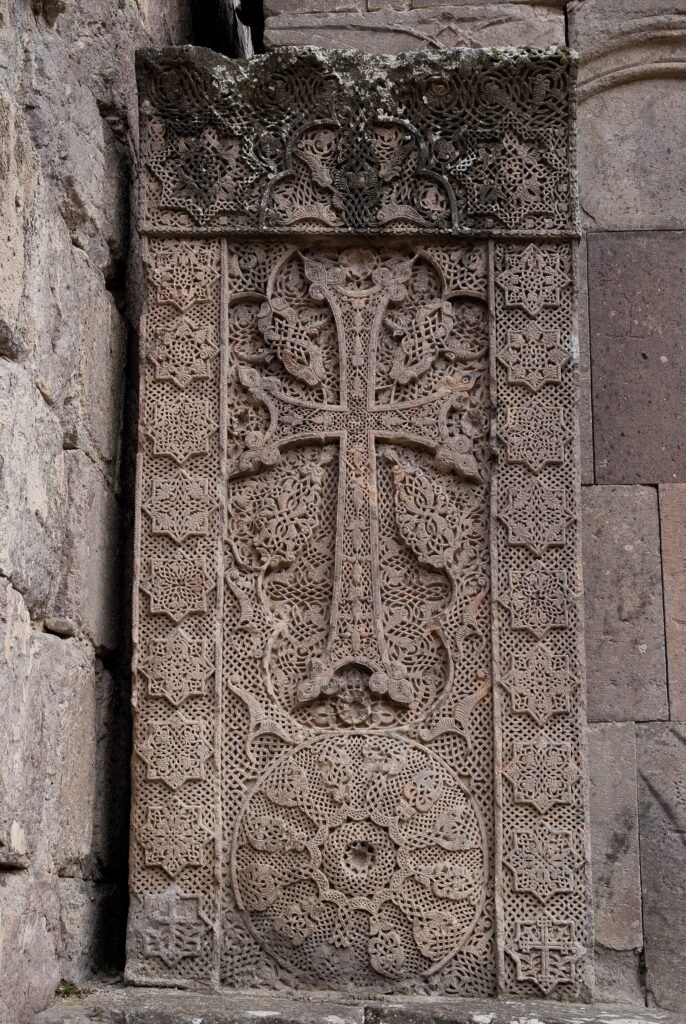
Armenian artisans carve memorial stelae bearing intricate crosses, rosettes, and botanical motifs—a medieval tradition inscribed as UNESCO Intangible…

The Dja Faunal Reserve — 526,000 hectares of intact rainforest enclosed by the Dja River — is Cameroon’s most accessible UNESCO World Heritage Site from Yaoundé, 200 km to the southeast.

Three UNESCO World Heritage Sites lie within a day’s reach of Minsk: the Gothic Mir Castle, the Baroque Nesvizh palace complex, and the primeval Białowieża Forest.

Santiago is the starting point for two of Chile’s UNESCO sites: Sewell Mining Town in the Andes and the distant volcanic island of Rapa Nui, home to over 900 moai statues.

Colonia del Sacramento, Uruguay’s only UNESCO World Heritage Site, lies 177 km west of Montevideo — a Portuguese-founded colonial quarter where cobblestone streets and layered fortifications record three centuries of rivalry between two empires.

Vilnius holds one of Eastern Europe’s largest medieval old towns, and a 45-minute drive reaches Kernavė, the ancient Lithuanian capital preserved as a UNESCO archaeological reserve.

Riga’s UNESCO inscription covers both its medieval Old Town and the world’s largest concentration of Art Nouveau buildings — around 750 facades, many designed by Mikhail Eisenstein in the early 1900s.