
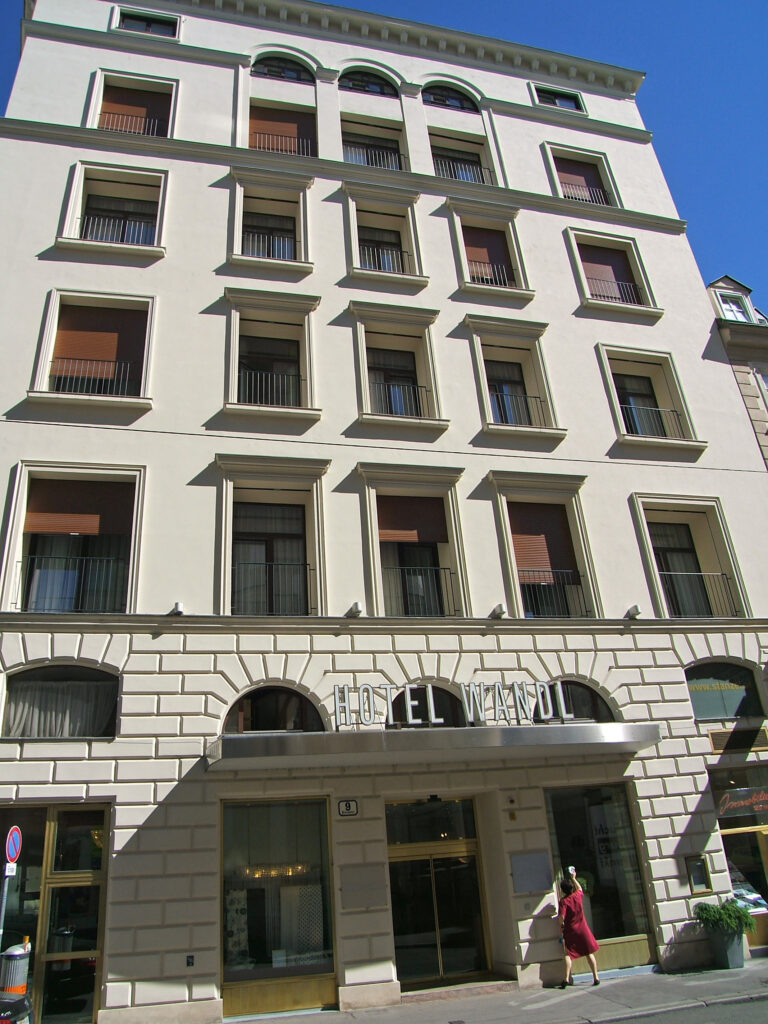
Hotel Wandl, Vienna — the “Four Seasons” House on Petersplatz
A listed corner house of 1843 on Petersplatz, converted into a hotel in 1851 and run by the Wandl family since 1854: one of the oldest hotels still operating in Vienna.

A listed corner house of 1843 on Petersplatz, converted into a hotel in 1851 and run by the Wandl family since 1854: one of the oldest hotels still operating in Vienna.
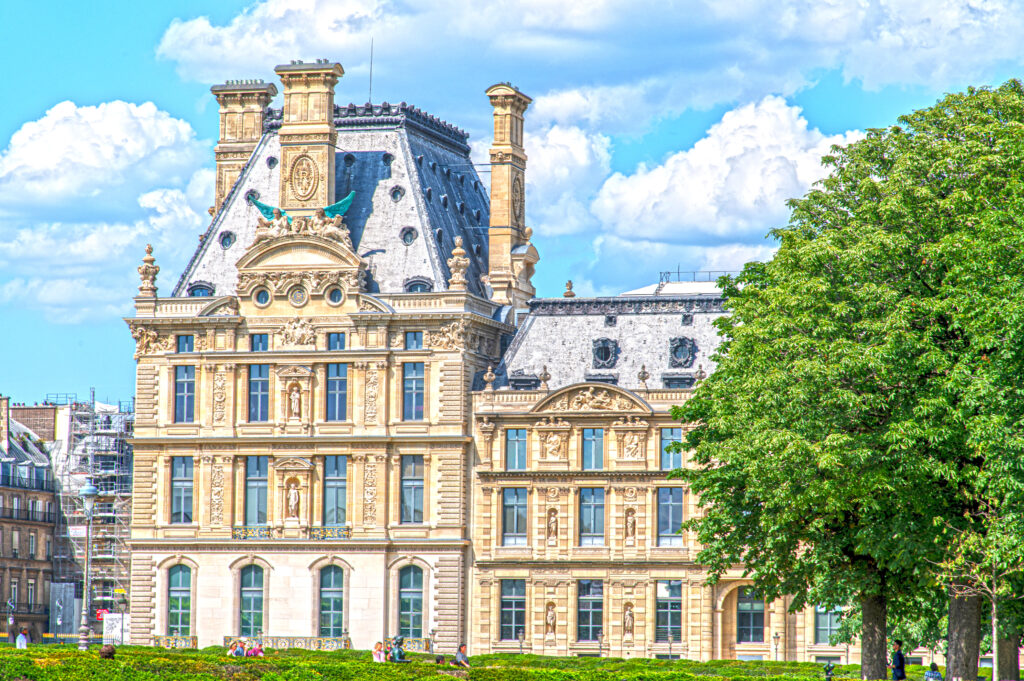
The Pavillon de Marsan, north end of the Tuileries rebuilt by Lefuel after the 1871 fire, home since 1905 of the Musée des Arts Décoratifs on rue de Rivoli.
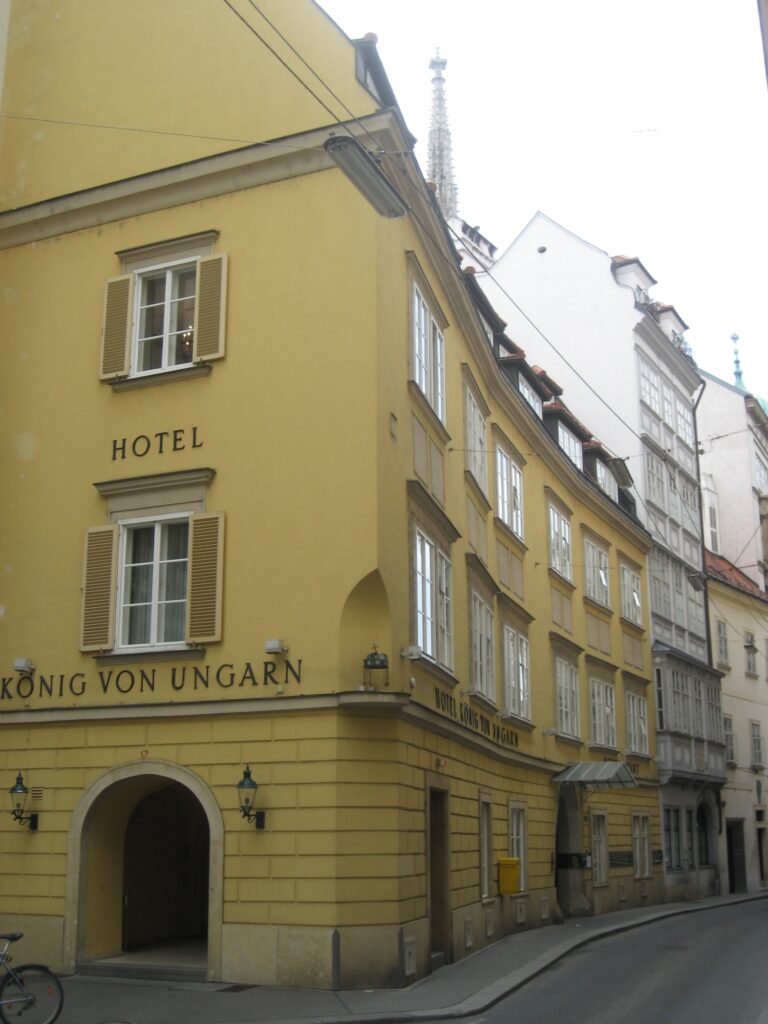
A listed former coaching inn by St Stephen’s Cathedral, recorded since 1349 and known as ‘The King of Hungary’ since the 17th century; Bruckner’s circle met in its restaurant.
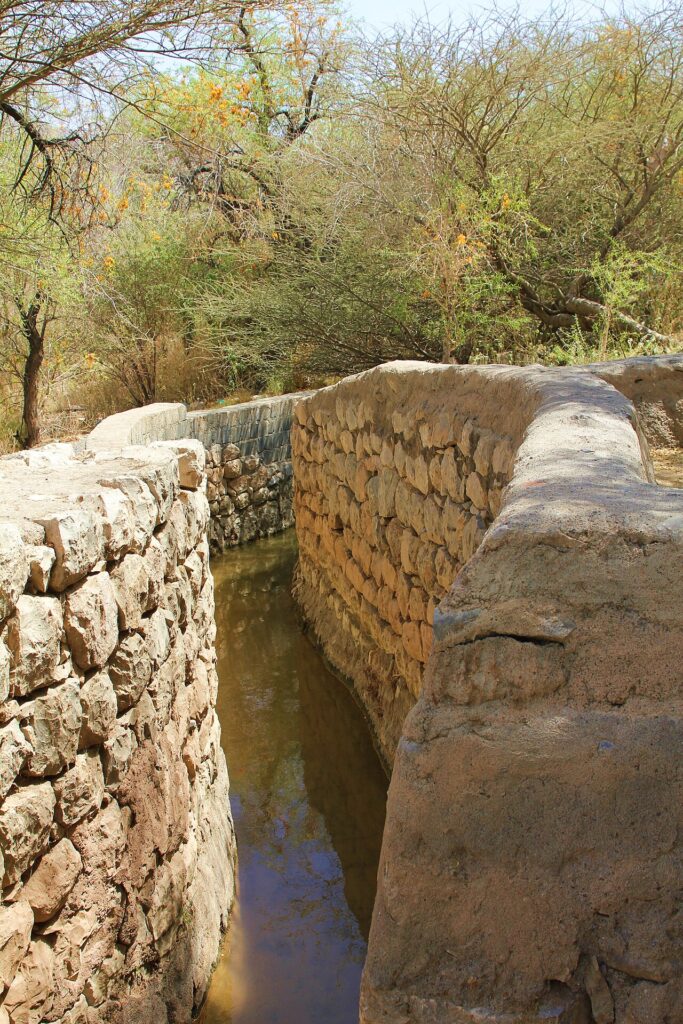
Oman’s approximately 3,000 active aflaj — gravity-fed underground irrigation channels — have watered desert settlements without pumps for at least 1,500 years. Five of these systems received UNESCO World Heritage inscription in 2006, each governed by communal water auctions that fund maintenance through time-share bidding measured by shadow-clock. The nearest separate UNESCO site, the Bronze Age City of Bat, lies 50 km north of Nizwa.
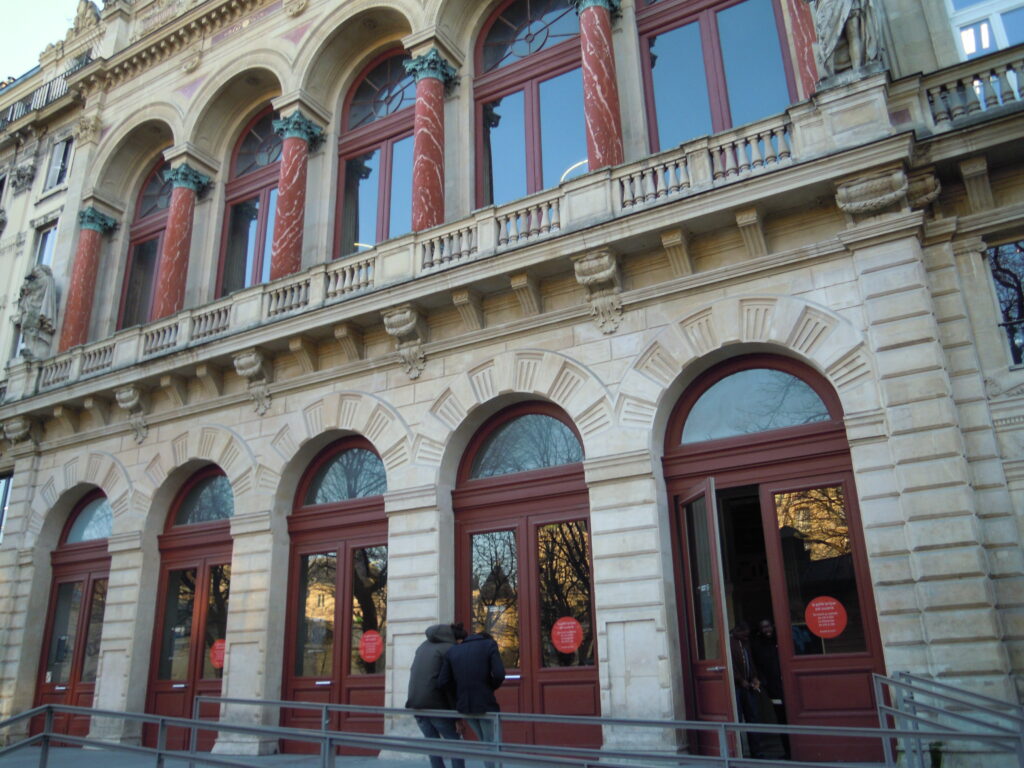
Théâtre de la Gaîté on rue Papin, opened in 1862 to designs by Hittorff and Cusin; its façade and foyer survive as a listed monument and a City of Paris cultural centre.
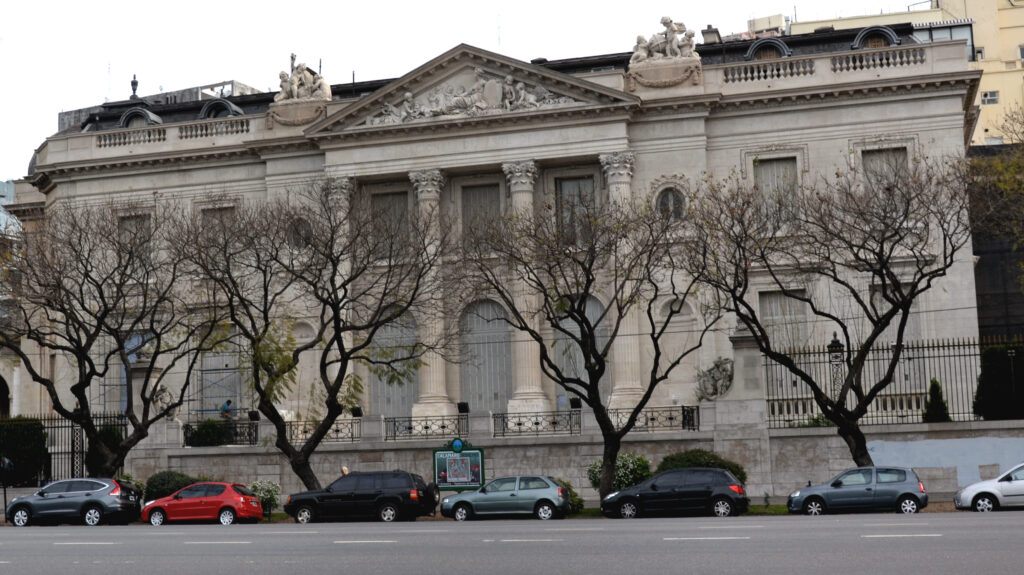
A French grand hôtel particulier designed from 1911 by René Sergent for Matías Errázuriz and Josefina de Alvear, finished in 1917 and since 1937 the Museo Nacional de Arte Decorativo.
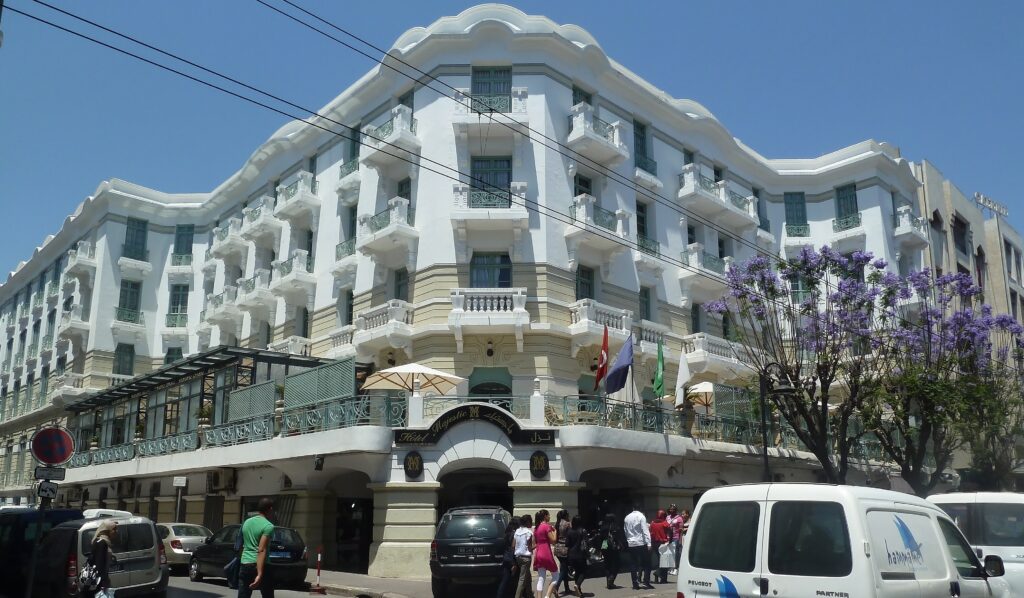
The first grand hotel of Tunis, built around 1912-1914 on Avenue de Paris by the French architect Paul Baron: a white Art Nouveau facade with a wave-shaped roofline and stacked iron balconies.
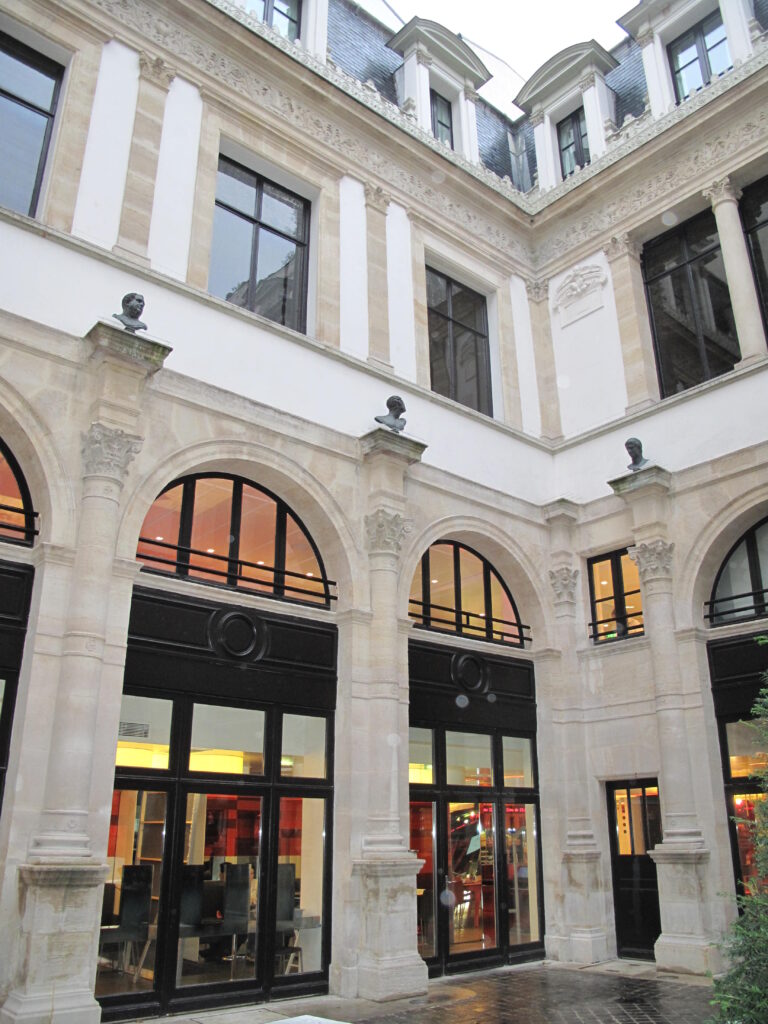
Town mansion at 7 rue Tronchet built in 1838–1839 by Félix Duban for the collector James-Alexandre de Pourtalès, with a Florentine façade; listed historic monument since 2002.
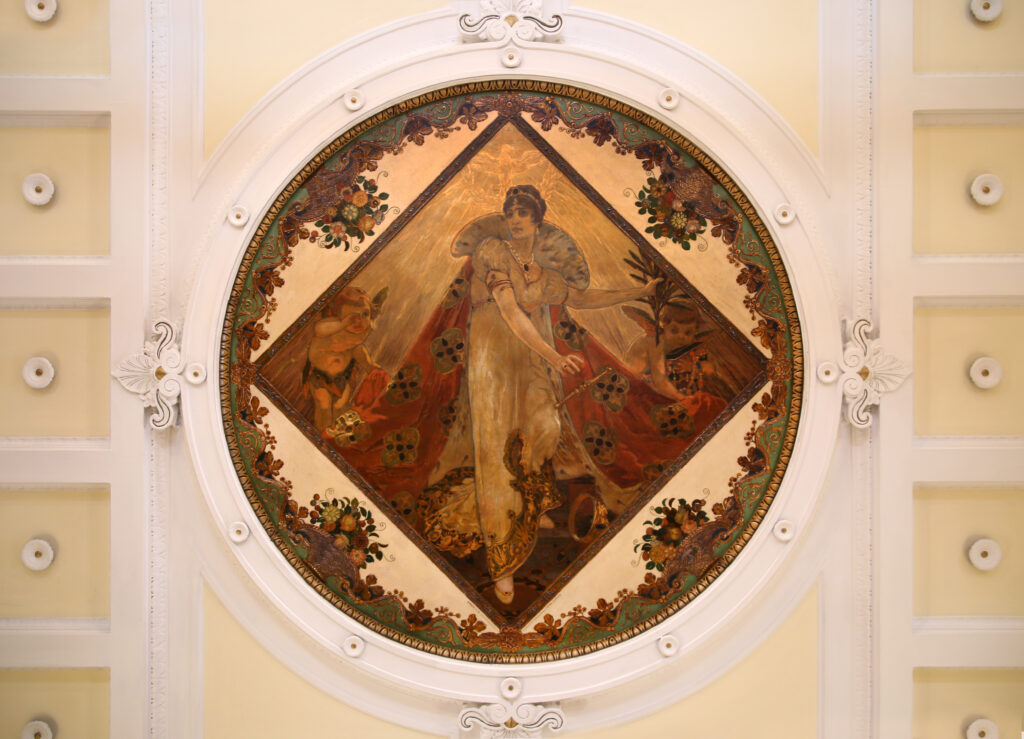
Founded in 1733 as a sweet-bread shop by the Swiss Gilli family, the café moved in the early 1900s to Palazzo Levi on Piazza della Repubblica, where Giovannozzi’s painted ceiling medallions survive.
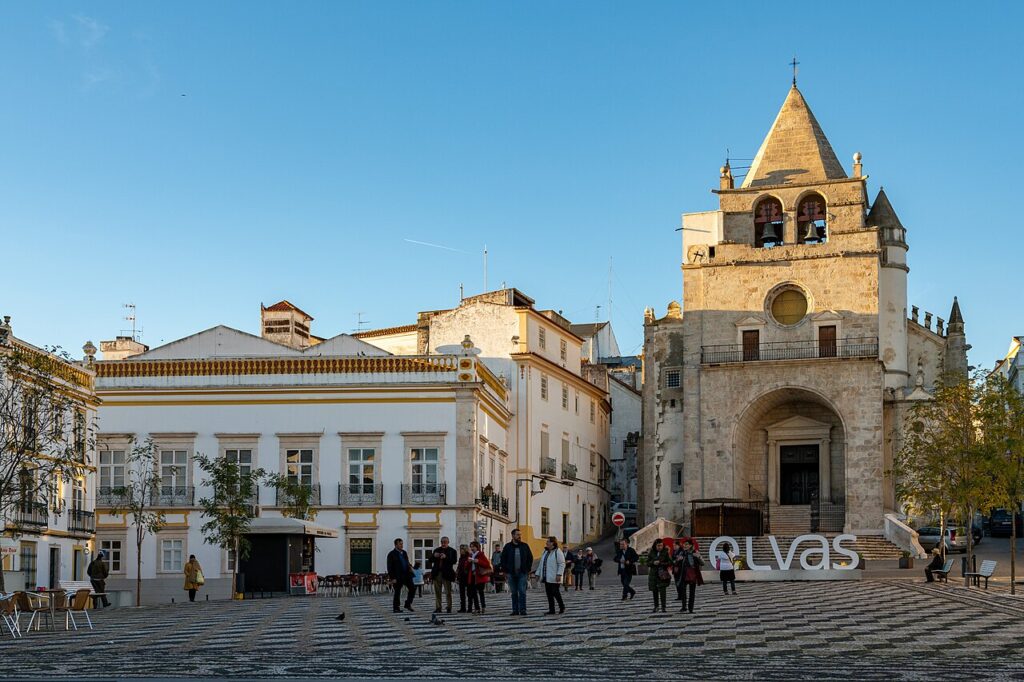
The Garrison Border Town of Elvas in the Portuguese Alentejo holds a UNESCO World Heritage inscription (2012) as the location of the world’s largest intact bulwarked fortification system. Built in stages from 1641 to 1792 using the trace italienne bastion method, Elvas withstood seven sieges during the Restoration War (1640-1668) and was never taken. The 843-arch Amoreira Aqueduct (1498-1622), 7.5 km long, kept the garrison supplied with water; the town also contains an extraordinary octagonal 16th-century church with a complete Baroque azulejo tile interior.