
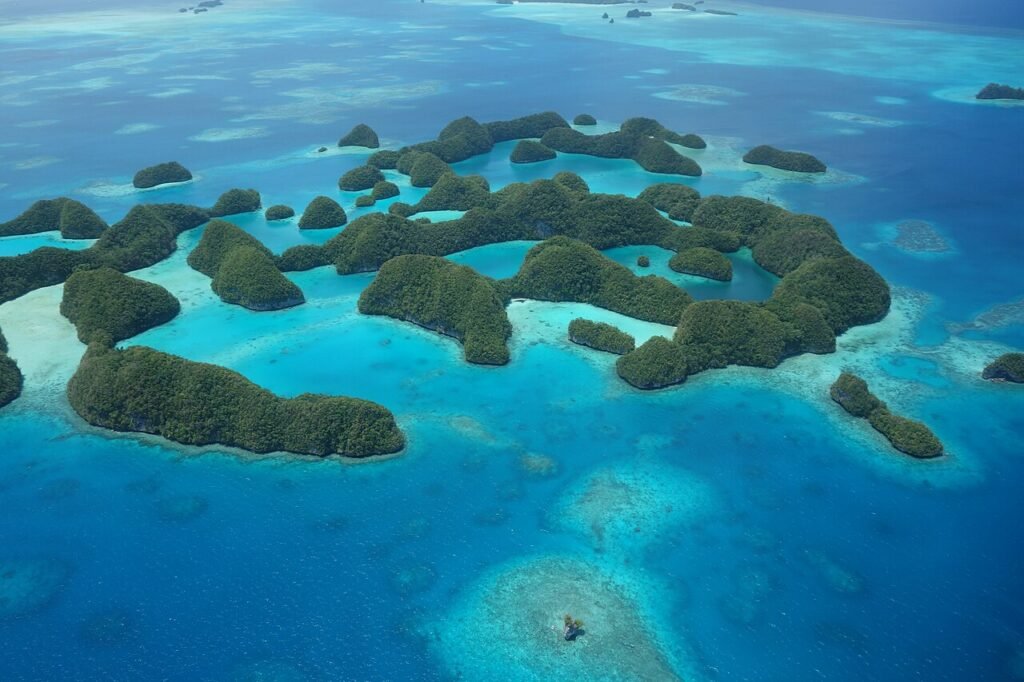
UNESCO World Heritage Sites in the Pacific Islands
The Pacific Islands is home to 38 UNESCO World Heritage Sites across 14 countries, stretching from the ancient rock art of Australia’s Murujuga to the stone…

The Pacific Islands is home to 38 UNESCO World Heritage Sites across 14 countries, stretching from the ancient rock art of Australia’s Murujuga to the stone…

The mountains are hollow: Phong Nha’s river caves, Paradise Cave’s boardwalked halls and Sơn Đoòng — the world’s largest cave passage — in the karst Vietnam now shares with Laos on one UNESCO listing.

Europe’s last lowland primeval forest and the bison that came back from extinction: Białowieża, listed since 1979, one green block across the Polish–Belarusian border.
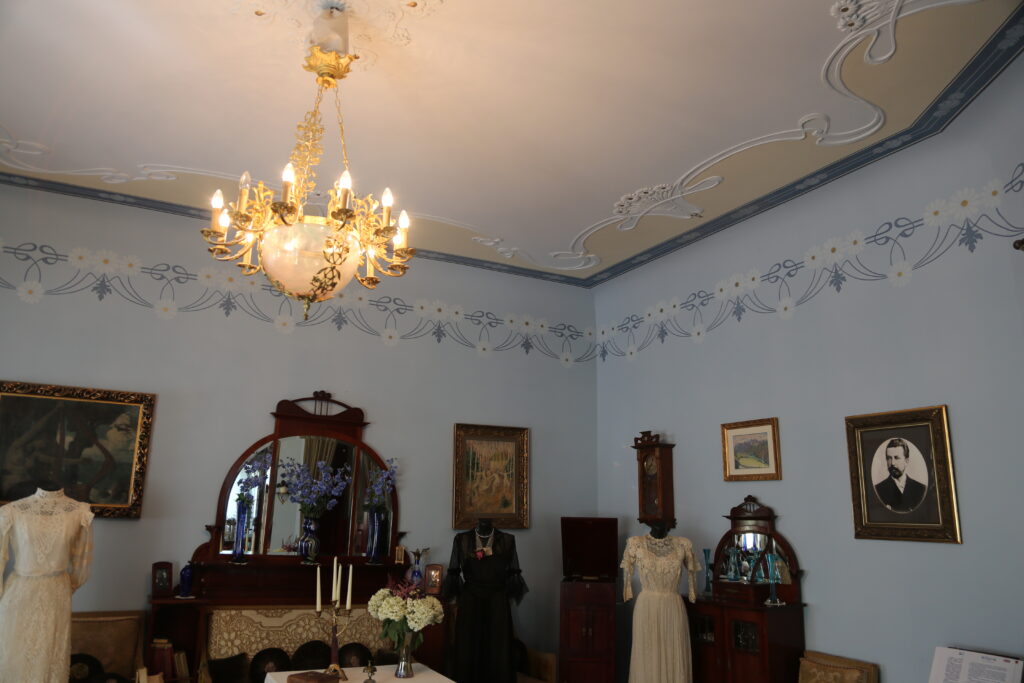
A heritage impact assessment (HIA) is a systematic process for evaluating how a development project will affect a heritage asset, ranging from listed…

The land that escapes the sea: Sweden’s stranded shorelines and Finland’s newborn islands, two faces of the world’s fastest post-glacial uplift, joined by a gulf ferry.

One limestone massif, carved into canyons by Spain’s water and cirques by France’s ice — the shared Mont Perdu listing of 1997, circled in five stops around the frontier crest.

A waist-deep steppe lake with Europe’s great reed belt, a stork on every chimney and Haydn’s palace on the shore: the Austro-Hungarian lake circuit UNESCO listed in 2001.
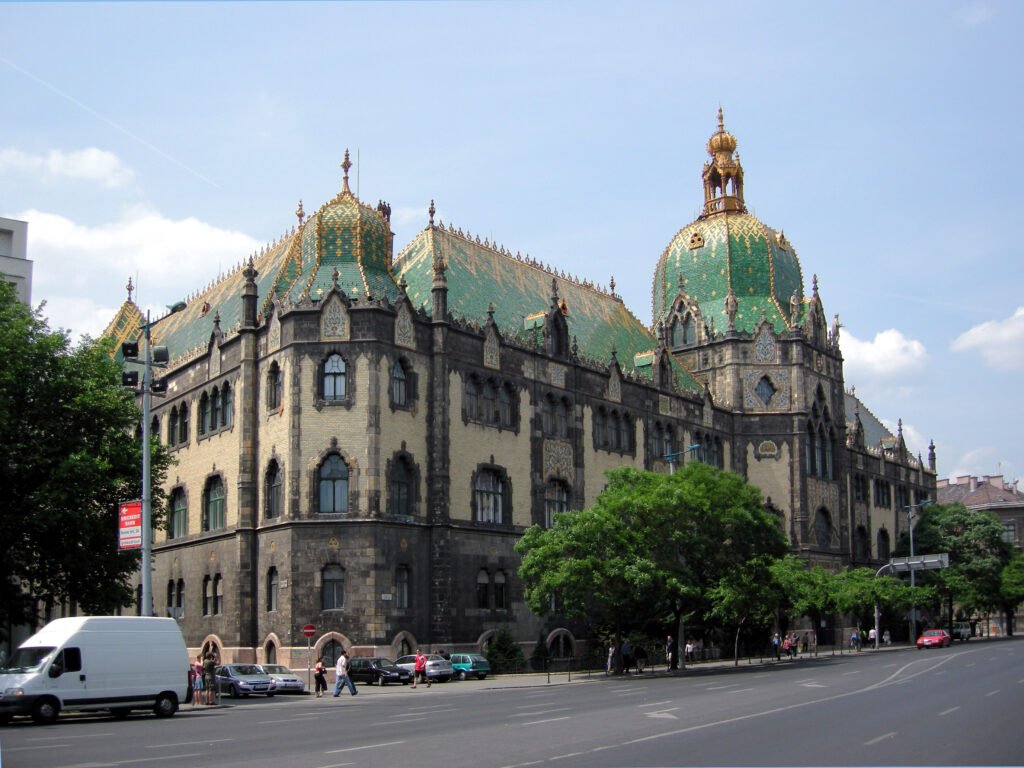
A successful heritage grant application combines clear evidence of why conservation matters, a realistic plan for how work will proceed, and proof that your…
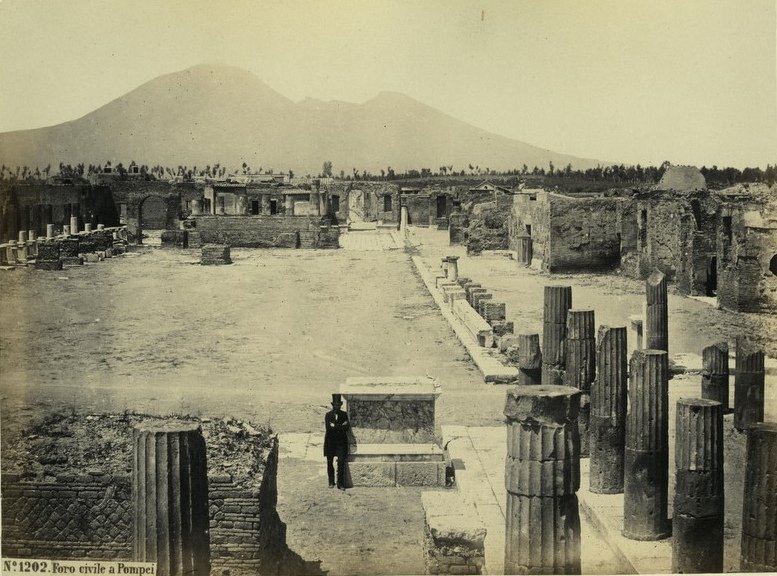
Archaeological heritage comprises the material remains of past human activity—sites, structures, artefacts, and landscapes that reveal how people lived…
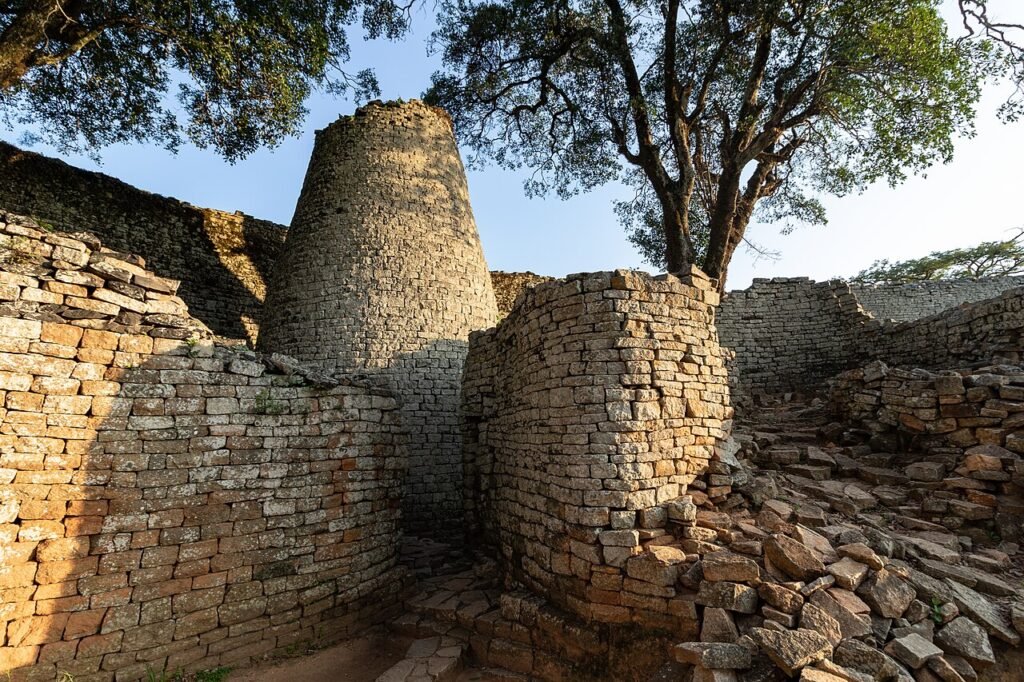
Sub-Saharan Africa is home to 108 UNESCO World Heritage Sites across 47 countries, a list that spans ancient stone cities, equatorial rainforests…