
Cape Town sits within reach of two UNESCO World Heritage Sites of strikingly different character: Robben Island, where Nelson Mandela spent 18 years in a maximum-security cell, and the Cape Floral Region Protected Areas, whose Table Mountain component shelters one of the most biodiverse plant communities on Earth. Neither requires a car. Both reward an unhurried half-day. This guide covers practical transport, honest visit durations, and what each inscription actually protects — from Cultural Heritage Online.
Robben Island 30 min by ferry
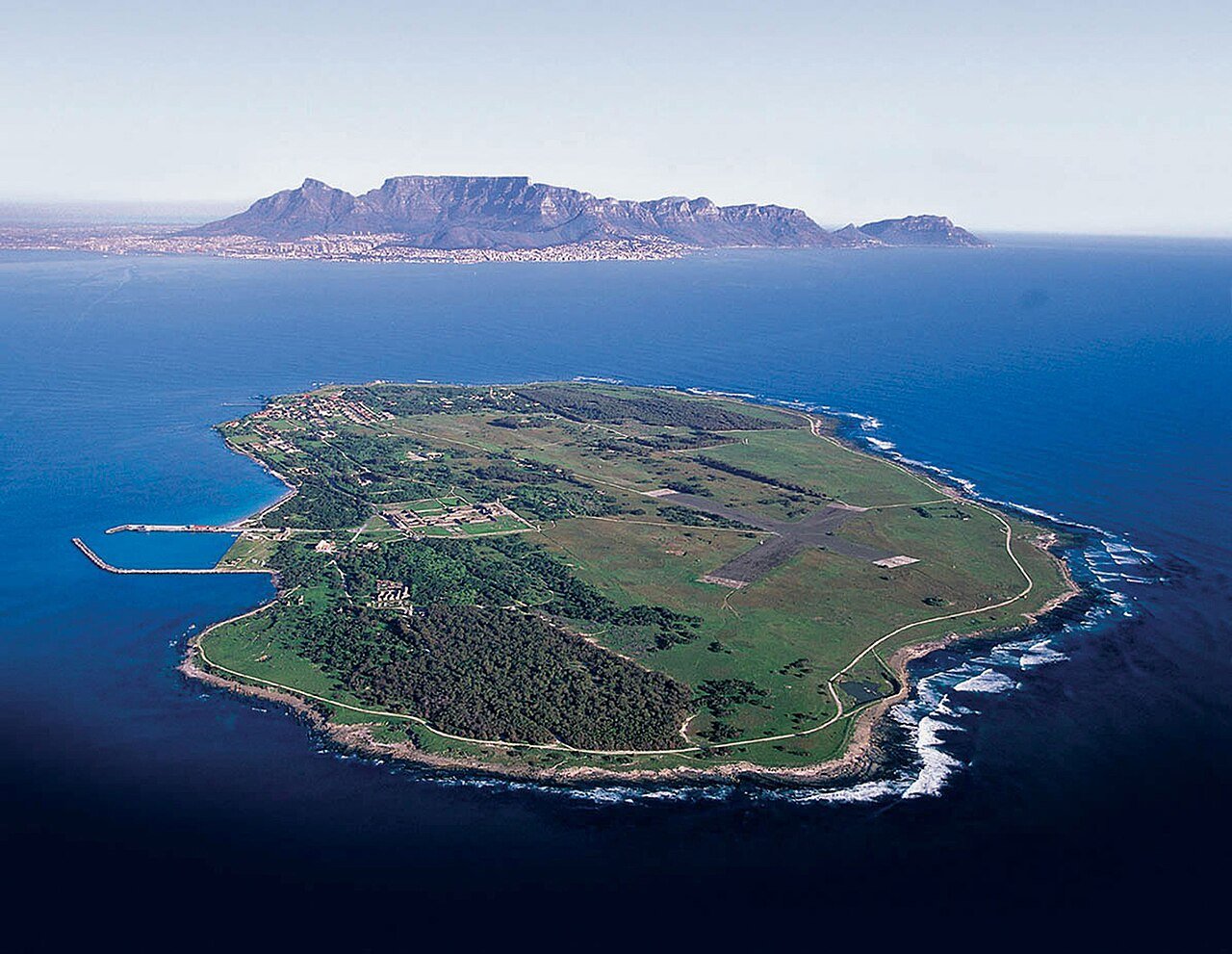
A roughly oval island 3.3 kilometres long and 1.9 kilometres wide, Robben Island sits 6.9 kilometres west of Cape Town in Table Bay — close enough to see the city skyline from the prison yard, distant enough that escape attempts ended in the cold Atlantic. It served as a place of banishment from the late seventeenth century onwards: Dutch and British colonial authorities sent political exiles, lepers, and the mentally ill here before the apartheid government formalized it as a maximum-security facility in 1961. Nelson Mandela lived in Section B, Cell 5 — a space of roughly four and a half square metres — for 18 of his 27 years in prison, an experience he later described as hardening rather than breaking his resolve. The medium-security facility closed in 1996, and UNESCO inscribed the island in 1999 for its outstanding universal value as both a symbol of the anti-apartheid struggle and a monument to the global fight against oppression. Tours are led by former political prisoners and include the limestone quarry where inmates labored under bleaching southern-hemisphere sun.
Getting there: Ferries depart from the Nelson Mandela Gateway at the V&A Waterfront; crossing takes approximately 30 minutes. The Robben Island Museum operates scheduled departures at 09:00, 11:00, and 13:00 daily (hours vary seasonally — confirm in advance). Tickets must be booked online; walk-up availability is unreliable in peak season. Allow: 3–4 hours including both ferry legs and the island tour. Best for: Visitors with a strong interest in twentieth-century political history; the tour involves standing on grass and gravel paths for extended periods.
Cape Floral Region Protected Areas — Table Mountain 15 min from city centre
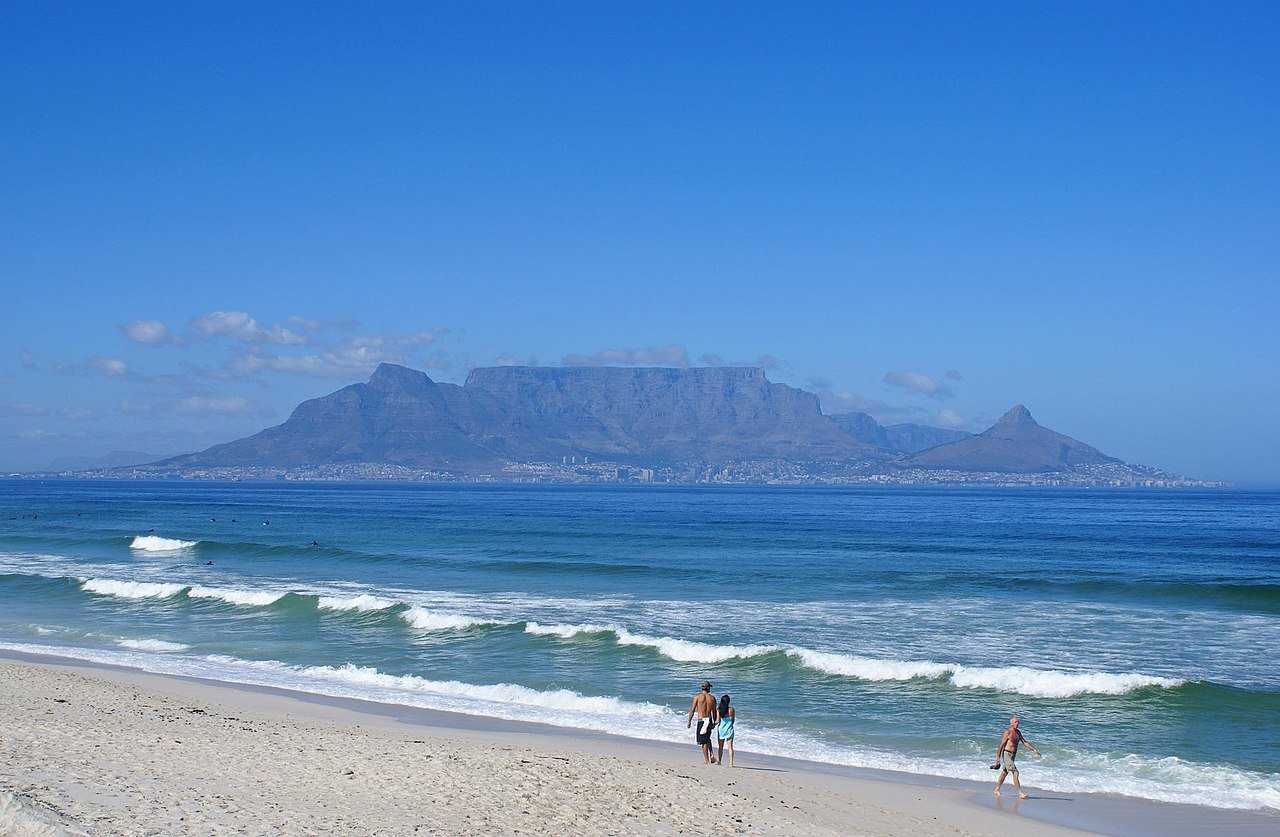
The Cape Floral Region Protected Areas is one of the world’s six recognised floral kingdoms — and the smallest, yet the most densely packed with unique species. Across its eight component sites, the inscription covers 1,094,742 hectares of Mediterranean-type shrubland known as fynbos, a fire-adapted vegetation growing on ancient, nutrient-poor soils. Of the more than 9,000 vascular plant species recorded across the region, 69 percent occur nowhere else on Earth — a concentration of endemism that rivals the Amazon basin per unit area. UNESCO first inscribed the region in 2004 and extended it in 2015. Table Mountain National Park, the component site immediately accessible from Cape Town, forms the flat-topped backdrop that defines the city’s silhouette. On a clear morning the summit plateau carries the sharp, resinous scent of restio reeds and the sudden burst of protea blooms; on cloudy days the famous “tablecloth” — orographic cloud spilling over the cliff edge — rolls in fast enough to change the temperature within minutes. Kirstenbosch National Botanical Garden, on the eastern slopes, is a quieter entry point with excellent interpretive signage on fynbos ecology.
Getting there: The Table Mountain Aerial Cableway Lower Station is roughly 15 minutes from Cape Town city centre by taxi or Uber; allow slightly more during morning rush hours. Kirstenbosch is accessible by MyCiti bus from Cape Town Central (route 104; approximately 30 minutes). Hiking trails to the summit are well-marked but require appropriate footwear and weather awareness — conditions change quickly. Allow: 3–4 hours for the cableway return trip and a walk on the summit plateau; a full day if combining with Kirstenbosch. Best for: Anyone interested in botany, photography, or panoramic views of the Cape Peninsula; the cableway cabin rotates 360 degrees during the ascent.
Frequently Asked Questions
How many UNESCO World Heritage Sites are there near Cape Town?
Cape Town has two UNESCO World Heritage Sites within or immediately adjoining the city: Robben Island (inscribed 1999) and the Cape Floral Region Protected Areas, whose Table Mountain National Park component is central to the city (inscribed 2004, extended 2015). Both are reachable from the city centre without a rental car.
Which UNESCO site is closest to central Cape Town?
Table Mountain — part of the Cape Floral Region Protected Areas — is the closest, with the Aerial Cableway Lower Station roughly 15 minutes from the city centre by taxi or Uber. Robben Island requires a 30-minute ferry crossing from the V&A Waterfront, plus transfer time to the terminal.
Do visitors to South Africa need a visa to visit Cape Town?
Citizens of the European Union, the United Kingdom, the United States, Canada, and Australia do not currently require a visa for short stays in South Africa (generally up to 30 or 90 days depending on nationality). Entry requirements can change; check with the South African Department of Home Affairs or your country’s embassy before travel, particularly for passport validity requirements (typically six months beyond your intended stay).
What is the best time of year to visit Cape Town for heritage and nature sites?
The Cape Town summer (November through March) brings warm, dry weather well-suited to the ferry crossing to Robben Island and hiking on Table Mountain, though strong southeaster winds can close the cableway at short notice. The shoulder months of September–October and April–May offer milder temperatures and lower visitor numbers; spring (September–October) also coincides with fynbos wildflower season on the Cape Peninsula, when proteas and ericas are at their most visible.
Sources
- S1 — Deacon, Harriet, ed. The Island: A History of Robben Island, 1488–1990. David Philip Publishers, 1996. ISBN 978-0-86486-299-0.
- S2 — Cowling, R. M., and D. M. Richardson. Fynbos: South Africa's Unique Floral Kingdom. Fernwood Press, 1995. ISBN 978-1-874950-10-3.
Spotted an error? Write to editorial@culturalheritageonline.com and we correct it the same day.
.jpg)
