
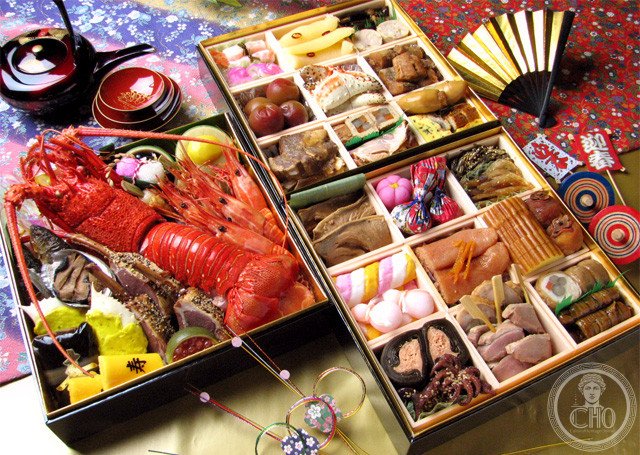
Washoku: Traditional Dietary Cultures of the Japanese
Washoku is Japan’s traditional cuisine, built on rice, miso soup, and seasonal seafood.

Washoku is Japan’s traditional cuisine, built on rice, miso soup, and seasonal seafood.
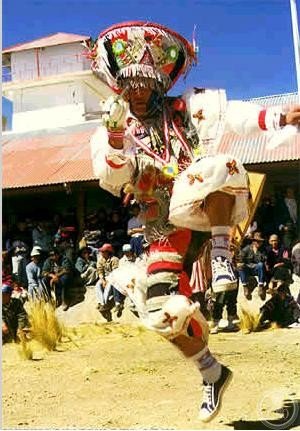
A visceral Andean performance where two dancers compete in turns, executing acrobatic steps while accompanied by violin and harp, rooted in Chanka…

Where the apple comes from: the Western Tien-Shan’s wild fruit forests, tulip meadows and snow-leopard heights, shared by three republics on one 2016 UNESCO listing.

Venice’s gunpowder-age armour down the Adriatic: Zadar’s bastions, the sea-fortress of Šibenik and Kotor’s cliff-climbing walls — the maritime half of the 2017 UNESCO listing.

A sea with no exit and every Eurasian biome around it: Uvs Nuur, the Mongolian–Tuvan basin where dunes, steppe, taiga and glacier share one horizon, listed since 2003.

The forest the Ice Ages missed: ironwoods and relict oaks along the Caspian shore, shared since 2023 by Iran and Azerbaijan on one UNESCO listing.

Deserts that freeze: the Turan drylands of Kazakhstan, Turkmenistan and Uzbekistan, listed in 2023 — an Aral ghost island, a century-old sand laboratory and the red Kyzylkum.

Seventy thousand carved tombstones that four countries now share on one UNESCO listing: the stećci, visited through Radimlja’s horsemen, Ottoman Stolac and Serbia’s Mramorje.

A thousand caves under one Hungarian–Slovak border: Baradla’s concert halls, Domica’s underground Styx, aragonite flowers and a cave full of ice — UNESCO-listed since 1995.

The road an archbishop’s diary made famous in 990: Canterbury to the Great St Bernard Pass in eight stops, along the quiet northern half of the Via Francigena.