
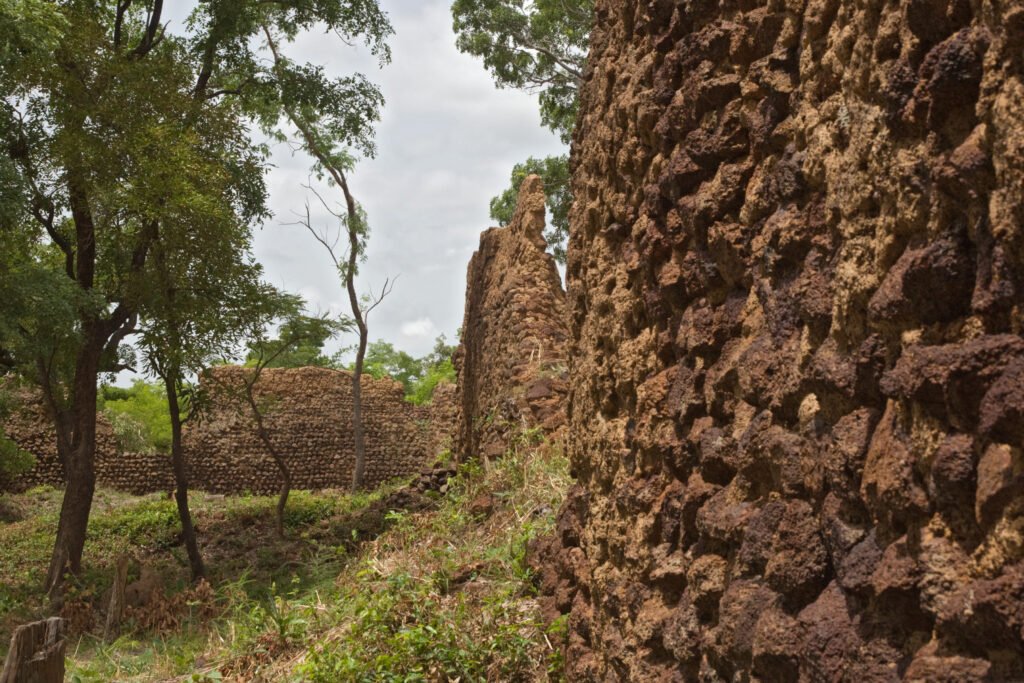
UNESCO Heritage Sites Near Ouagadougou, Burkina
Burkina Faso’s two most accessible UNESCO World Heritage Sites from Ouagadougou: the ancient dry-stone enclosure of Loropéni and the vast W-Arly-Pendjari wildlife complex.

Burkina Faso’s two most accessible UNESCO World Heritage Sites from Ouagadougou: the ancient dry-stone enclosure of Loropéni and the vast W-Arly-Pendjari wildlife complex.
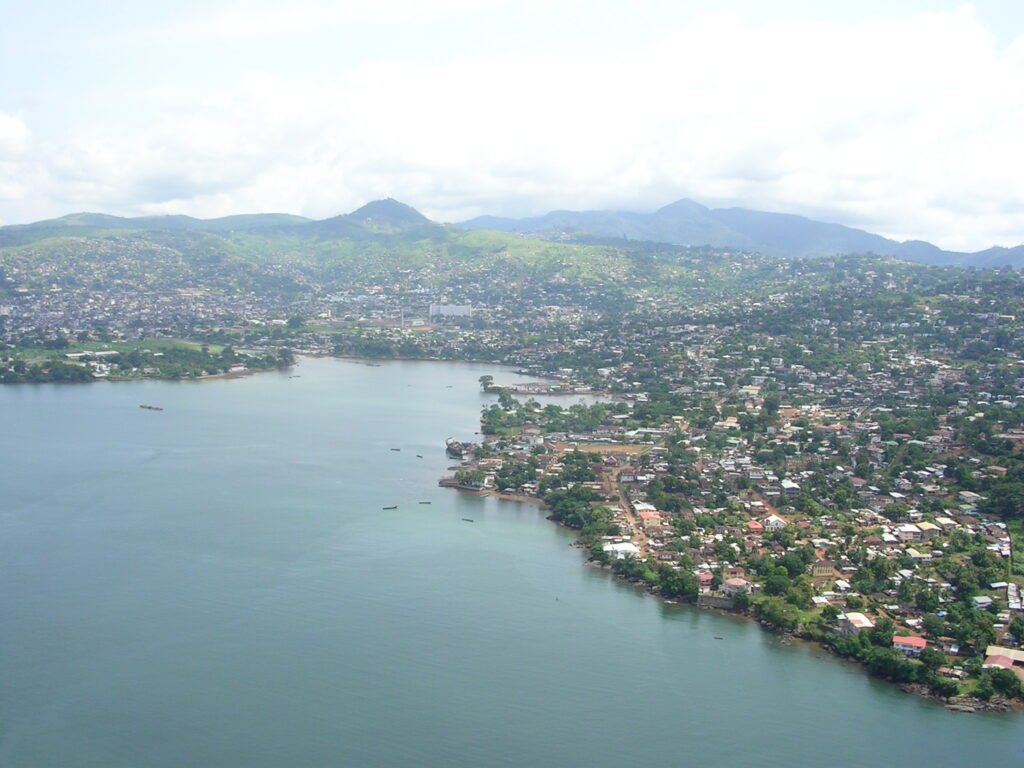
Sierra Leone has no inscribed UNESCO World Heritage Sites, but the Freetown region holds Bunce Island — the Atlantic slave trade’s most significant West African fort — alongside the fallen Cotton Tree and a chimpanzee sanctuary in ancient rainforest.
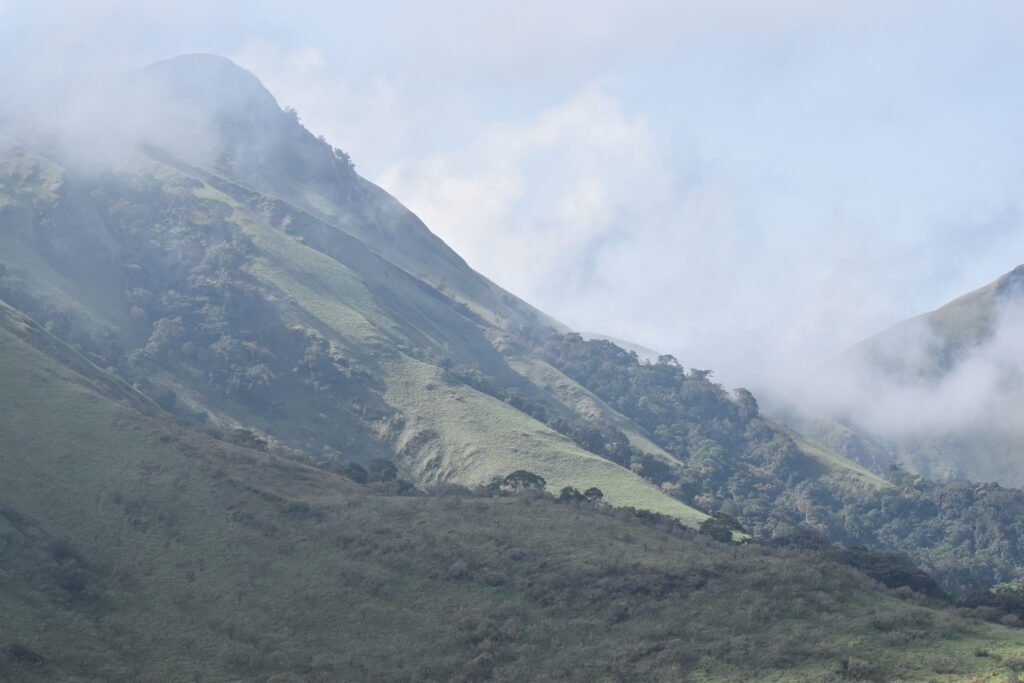
Guinea’s only UNESCO World Heritage Site, the Mount Nimba Strict Nature Reserve, rises to 1,752 m on the far southeastern border — 900 km from Conakry and home to species found nowhere else on earth.
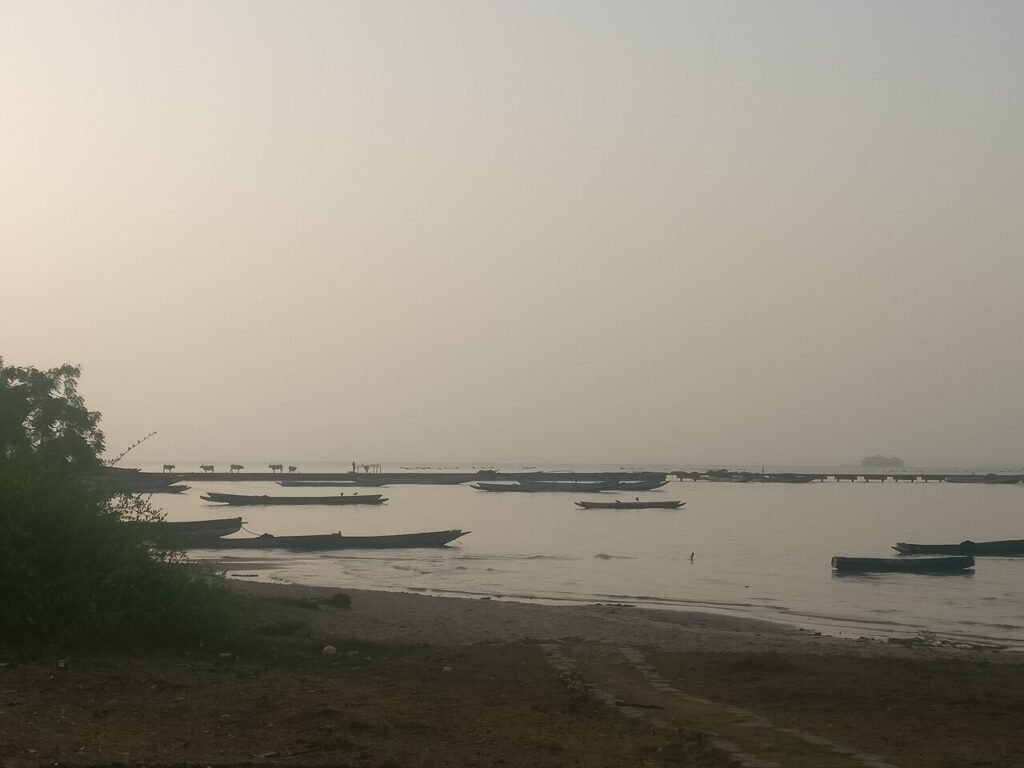
The Gambia’s two UNESCO World Heritage Sites — Kunta Kinteh Island and the Stone Circles of Senegambia — are both reachable as day trips or overnights from Banjul.
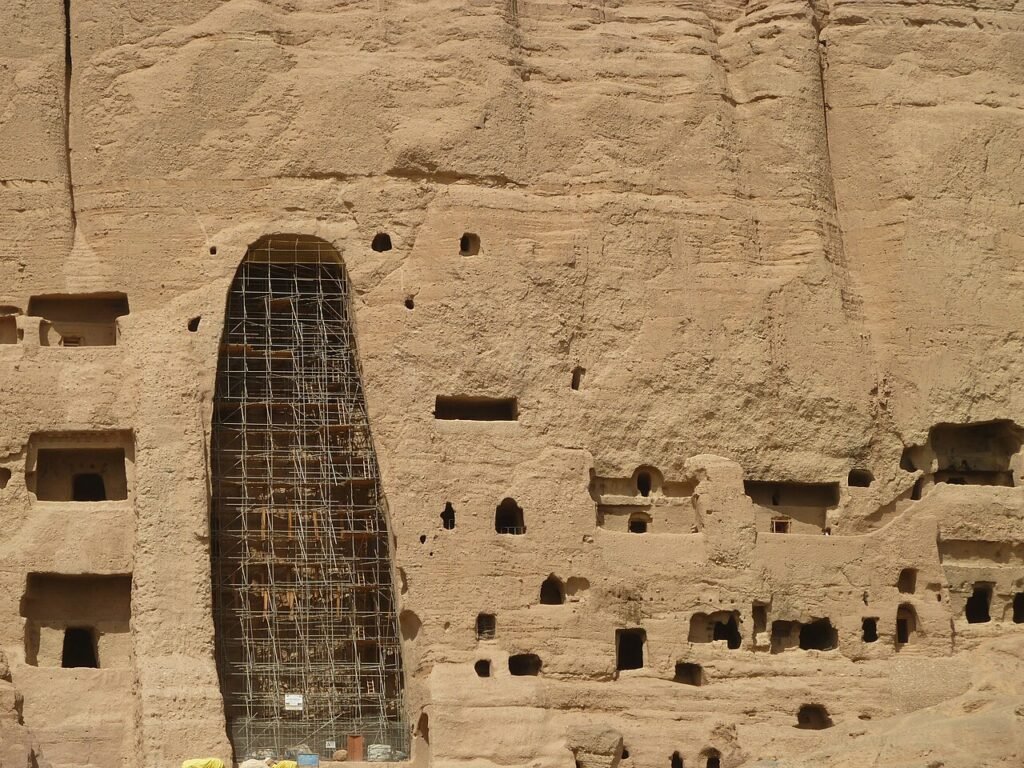
Afghanistan’s two UNESCO World Heritage Sites — the Bamiyan Valley and the Minaret of Jam — are both reachable from Kabul, and both remain on UNESCO’s Danger List.
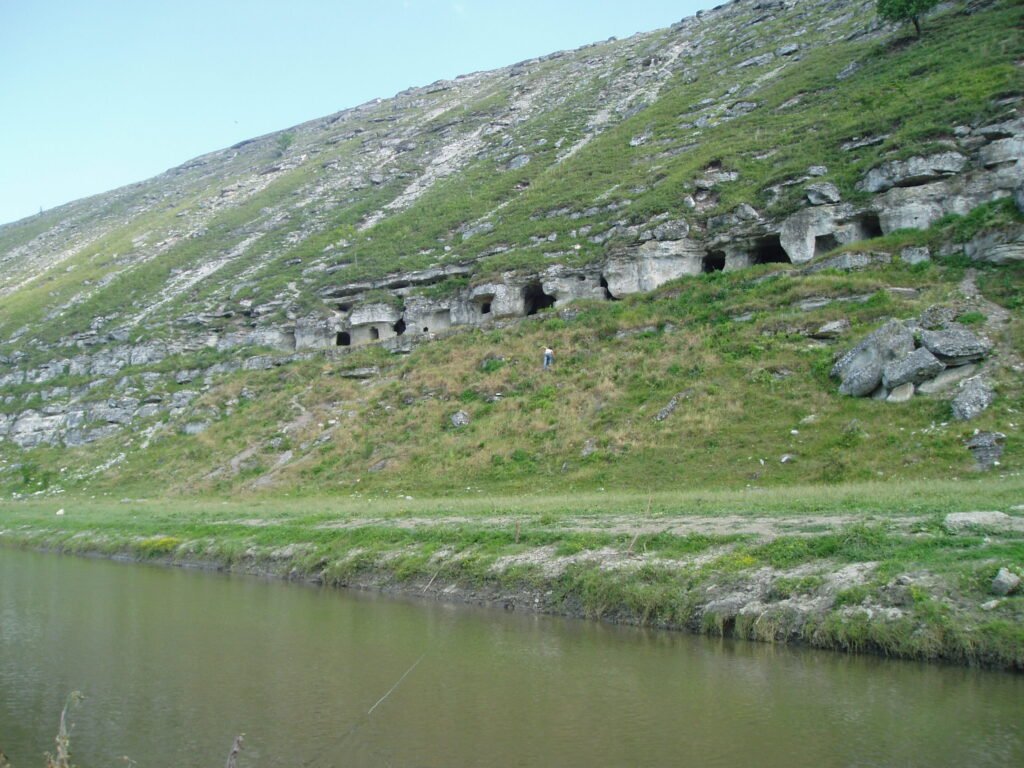
Moldova’s two standout heritage destinations — the UNESCO-inscribed Struve Geodetic Arc at Rudi and the extraordinary cave monastery complex of Orheiul Vechi — are both reachable as day trips from Chișinău.
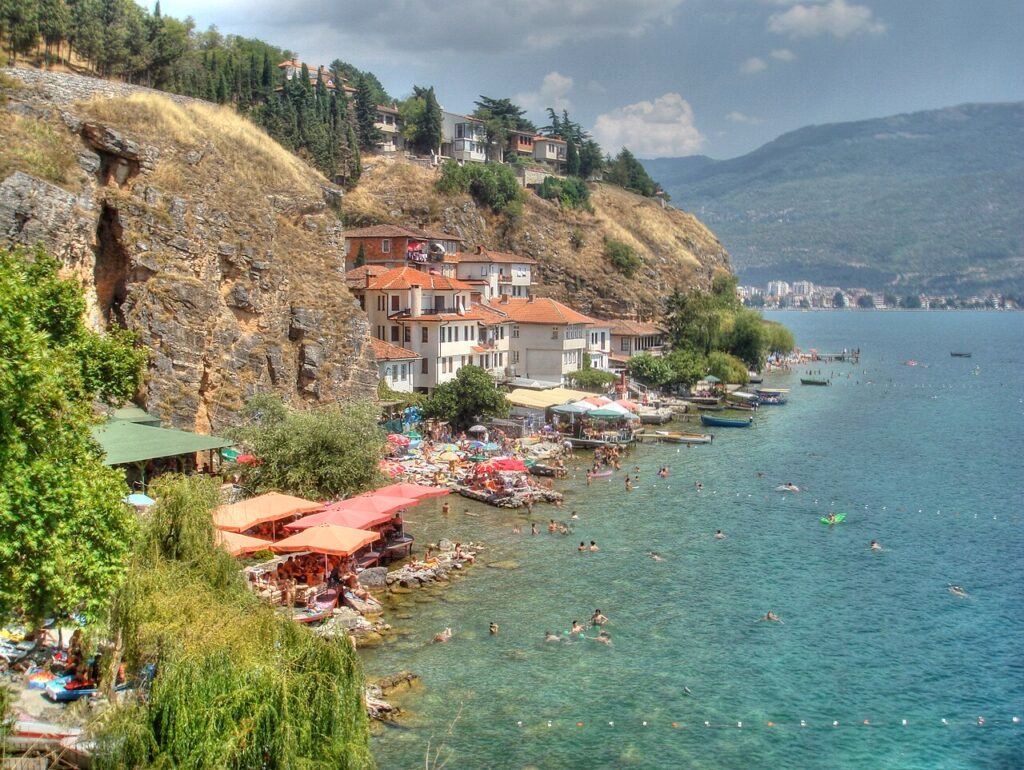
Ohrid, 170 km from Skopje, holds North Macedonia’s only UNESCO World Heritage Site — a rare mixed inscription combining one of Europe’s oldest lakes with a medieval town that shaped Slavic literacy.
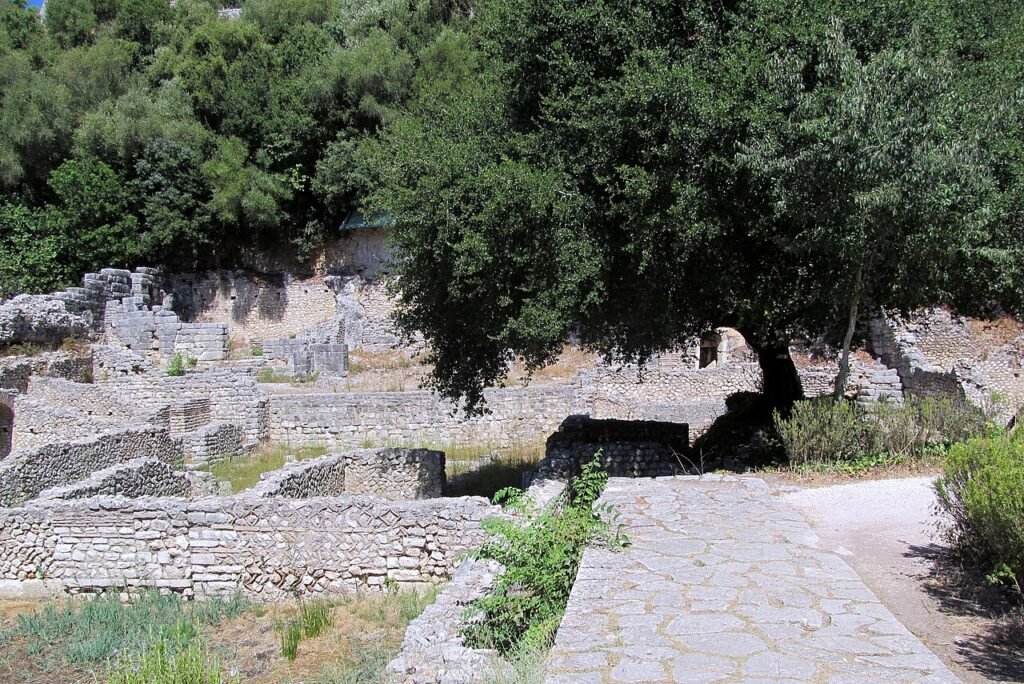
All three of Albania’s UNESCO World Heritage Sites — Butrint, Berat, and Gjirokastra — are reachable from Tirana within three hours, spanning Bronze Age ruins to intact Ottoman townscapes.
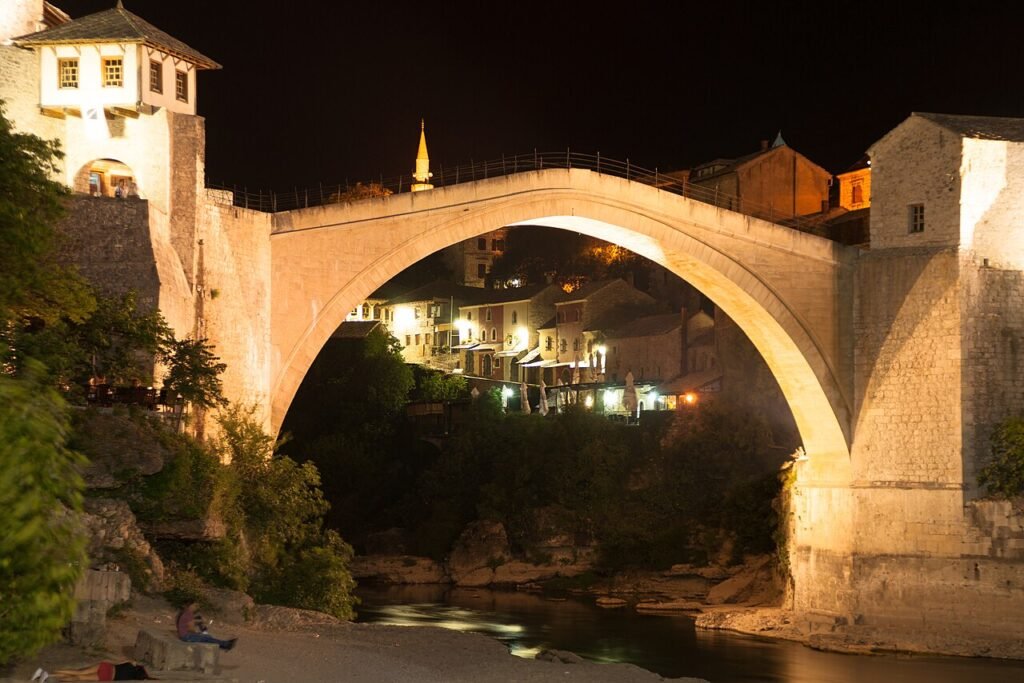
Two UNESCO sites lie within three hours of Sarajevo: Mostar’s rebuilt Ottoman bridge and the mysterious medieval stećci tombstones of southern Bosnia.
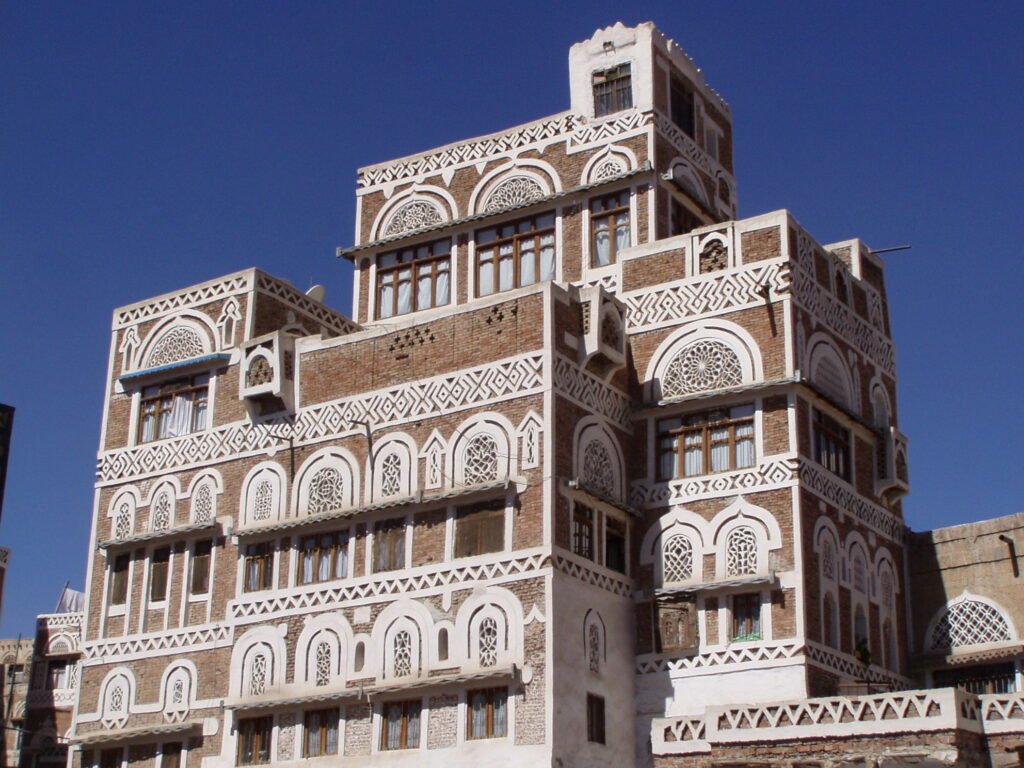
Yemen’s three most accessible UNESCO sites — the Old City of Sana’a, Shibam’s mud-brick skyscrapers, and medieval Zabid — span 2,500 years of Arab-Islamic urbanism.