Paola Bonometti
Content Editor

Paola Bonometti

Paola Bonometti is a volunteer with the ABCO association and still contributes to it today.

Contributions: 1,027 articles

Author name: Paola Bonometti

Paola Bonometti is a volunteer with the ABCO association and still contributes to it today.

UNESCO Heritage Sites Near Lake Ohrid, Macedonia

UNESCO Heritage Sites Near Lake Ohrid, Macedonia

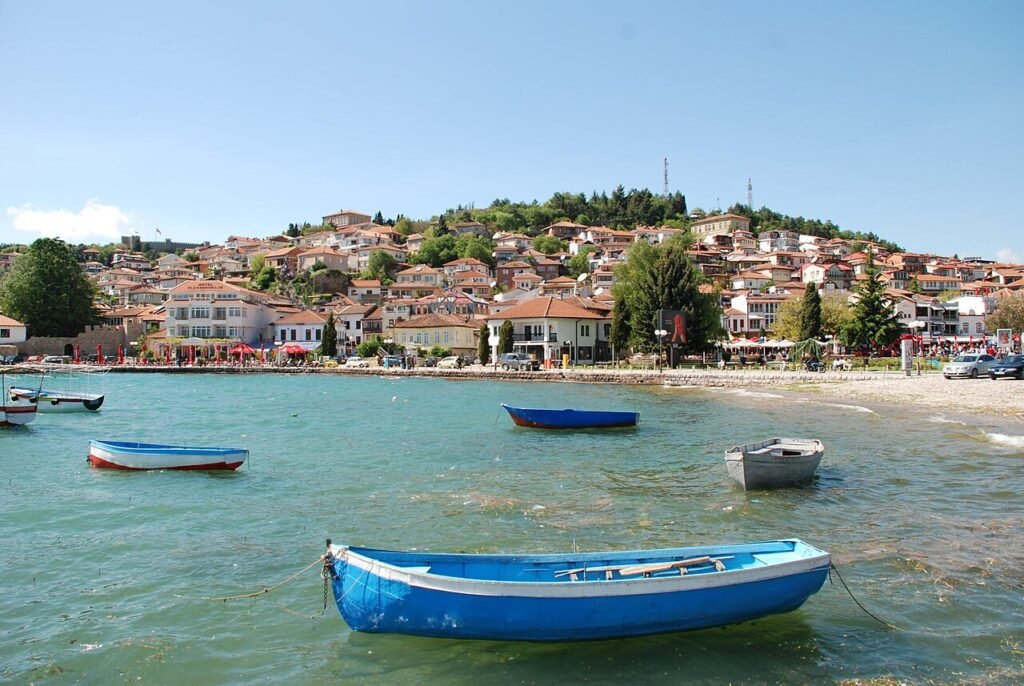
Ohrid (inscribed 1979/1980) is the most important Byzantine city in North Macedonia: 365 churches tradition, the birthplace of the Cyrillic alphabet (Clement of Ohrid’s Literary School, 886 CE), and Tsar Samuel’s 10th-century fortress above ancient Lake Ohrid — one of the world’s oldest lakes (1–3 million years, 200+ endemic species), shared with Albania and extended in 2019.
UNESCO Heritage Sites Near Valparaíso, Chile

UNESCO Heritage Sites Near Valparaíso, Chile

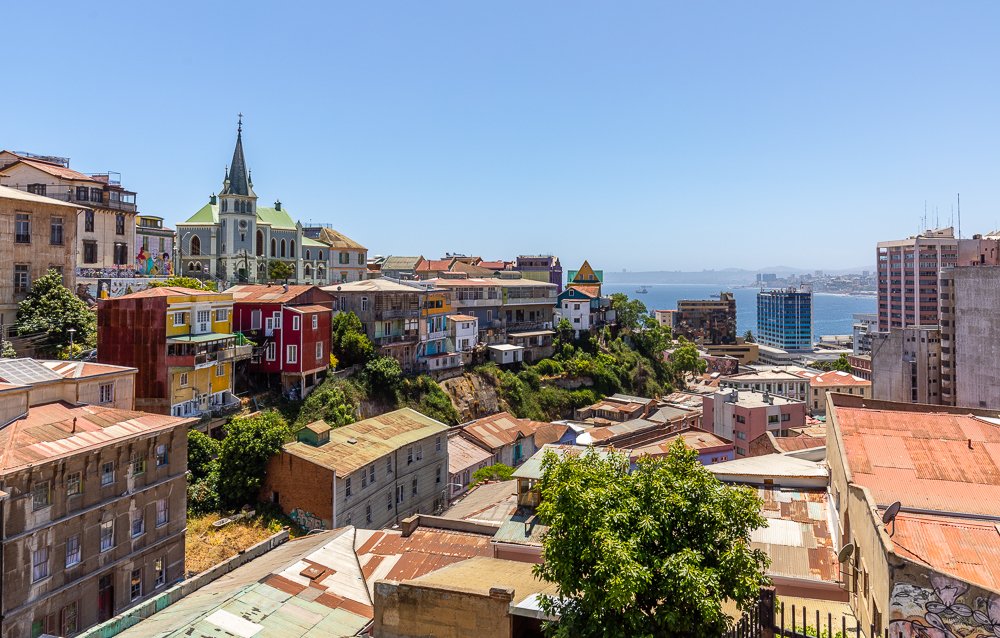
Valparaíso’s Historic Quarter (inscribed 2003) is the most complete surviving Pacific coast port city from the Cape Horn maritime era (1850–1914): 42 named cerros (hills), 30 funicular railways (ascensores), Victorian corrugated-iron painted facades, and the densest street art concentration in South America. Pablo Neruda’s La Sebastiana house is on Cerro Florida.

UNESCO Heritage Sites Near Harar Jugol, Ethiopia

UNESCO Heritage Sites Near Harar Jugol, Ethiopia

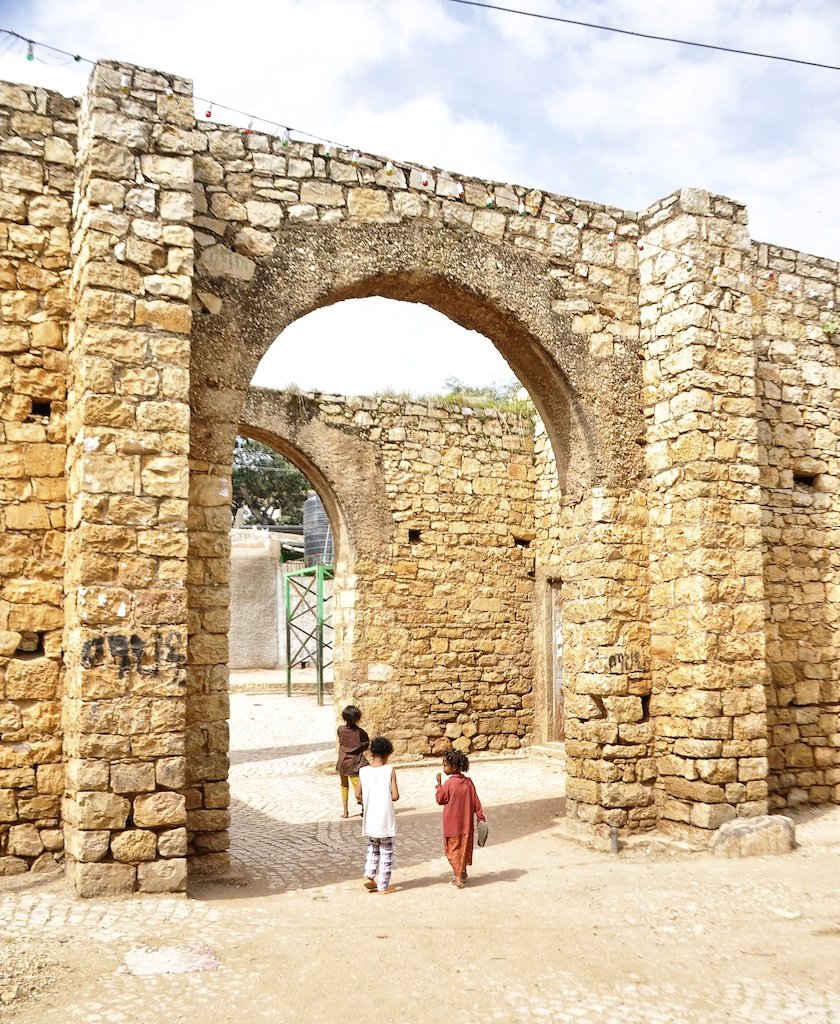
Harar Jugol (inscribed 2006) is sub-Saharan Africa’s most important Islamic city: 82 mosques and 102 shrines within 48 hectares — the highest mosque density in the world — plus the Arthur Rimbaud trading house and the nightly hyena-feeding ritual outside the 1551 Jugol wall. Ethiopia’s Lucy fossil site (Awash Valley, inscribed 1980) is accessible 200 km northwest.

Portrait of Yayoi Kusama

Yayoi Kusama: The Mirrored Spheres in Venice

Yayoi Kusama has died at ninety-seven. In 1966, uninvited, she covered the lawn beside the Italian Pavilion at the Venice Biennale with 1,500 mirrored spheres and sold them for two dollars each, until the Biennale threw her out.

UNESCO Heritage Sites Near Djenné, Mali

UNESCO Heritage Sites Near Djenné, Mali

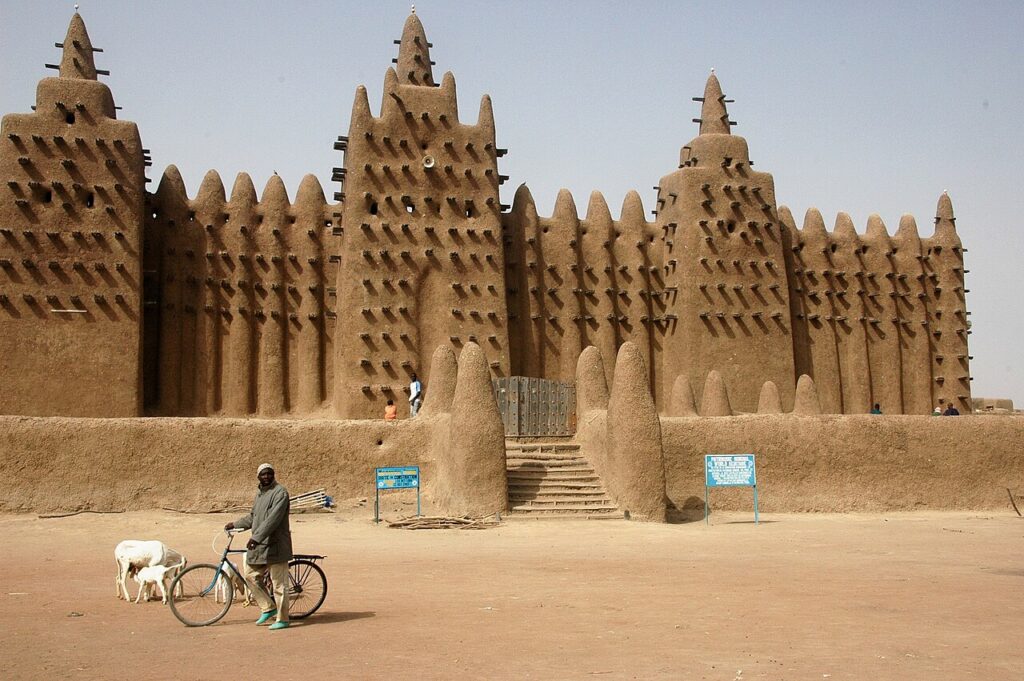
Djenné in central Mali is home to the world’s largest mud-brick building — its Great Mosque, rebuilt in 1907 in a tradition reaching back to the 13th century — and to Djenné-Djenno, an archaeological site occupied from 250 BCE that proved West African urbanism predates Arab contact by a thousand years. UNESCO inscribed the Old Towns of Djenné in 1988.

UNESCO Heritage Sites Near Timbuktu, Mali

UNESCO Heritage Sites Near Timbuktu, Mali

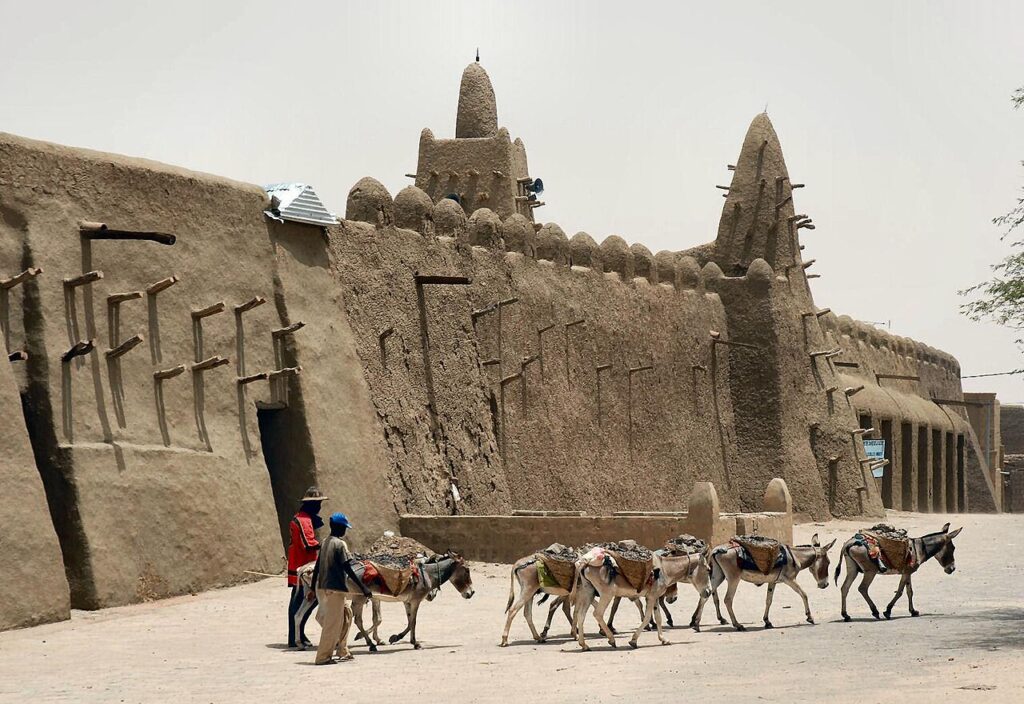
Timbuktu, at the southern edge of the Sahara in Mali, was a medieval centre of Islamic scholarship and trans-Saharan trade, home to three inscribed mosques and up to 300,000 manuscripts. In 2012, jihadists occupied the city, destroyed its Sufi mausolea, and threatened the manuscripts — most of which were covertly evacuated to safety in a remarkable rescue operation.

UNESCO Heritage Sites Near Shiraz, Iran

UNESCO Heritage Sites Near Shiraz, Iran

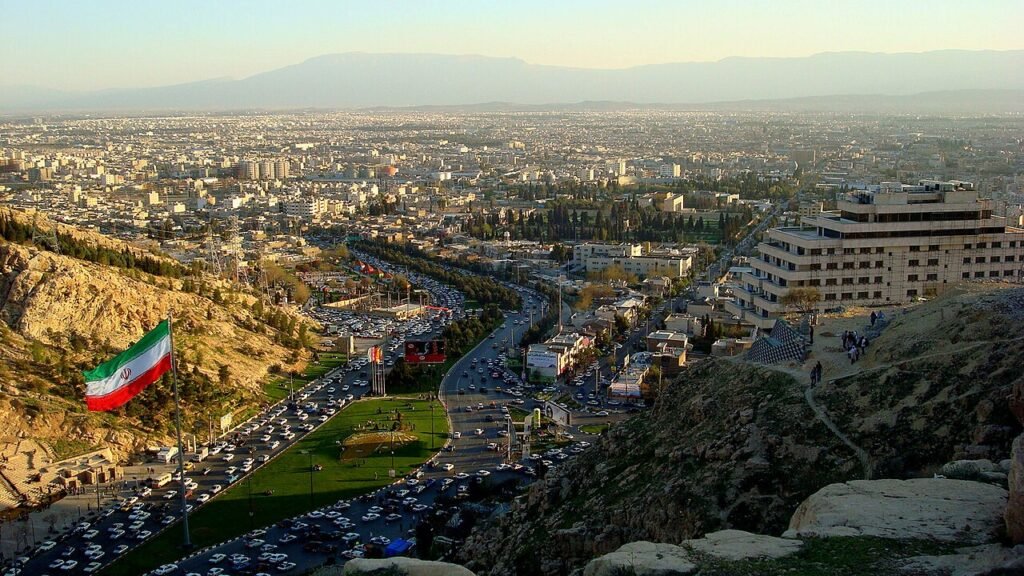
Shiraz is the gateway to Iran’s greatest Achaemenid sites: Persepolis (inscribed 1979) — Darius I’s 518 BCE ceremonial capital with its Apadana tribute-procession reliefs — and Pasargadae (inscribed 2004), the gabled limestone tomb of Cyrus the Great. In the city: Hafez’s garden tomb and the stained-glass Nasir ol-Molk Mosque.

UNESCO Heritage Sites Near Kilwa Kisiwani, Tanzania

UNESCO Heritage Sites Near Kilwa Kisiwani, Tanzania

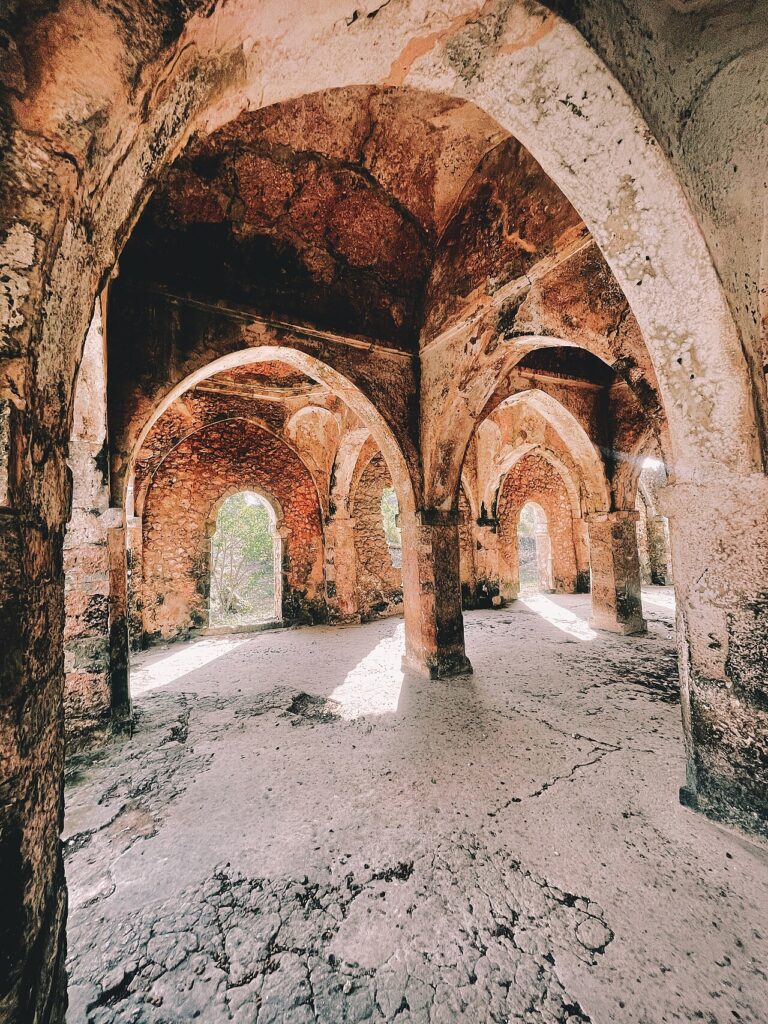
Kilwa Kisiwani, off the southern Tanzanian coast, controlled the Indian Ocean gold trade for four centuries and was called one of the world’s most beautiful towns by Ibn Battuta in 1331. Its 14th-century coral mosque, the largest in East Africa, and the Husuni Kubwa palace stand as the visible remains of that medieval prosperity.

UNESCO Heritage Sites Near Great Zimbabwe, Zimbabwe

UNESCO Heritage Sites Near Great Zimbabwe, Zimbabwe

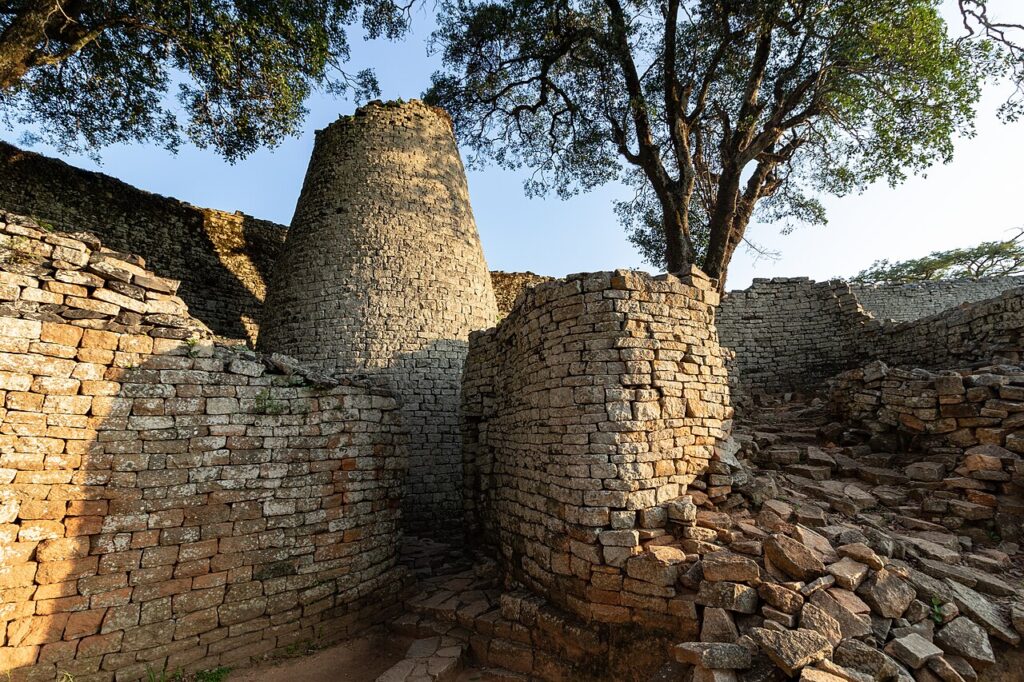
Great Zimbabwe, in Masvingo Province, is the largest ancient stone ruin in sub-Saharan Africa — a city that held up to 18,000 people, built without mortar by ancestors of the Shona between 1100 and 1450 CE. Colonial authorities denied its African origins for decades; the country named itself after the site at independence in 1980.

Rooftops and minarets of Lamu Old Town, Kenya — the oldest surviving Swahili settlement in East Africa, on Lamu Island

UNESCO Heritage Sites Near Lamu Old Town, Kenya

Lamu Old Town, UNESCO-inscribed since 2001, is the oldest continuously occupied Swahili settlement in East Africa, unchanged in street layout since the 14th century and navigated entirely by foot and donkey — no motor vehicles exist except one hospital vehicle. Its 23 documented carved door styles encode the cultural origin of each household’s owner, from Omani Arab merchant conventions to Gujarati Indian trader traditions.

Scroll to Top