Paola Bonometti
Content Editor

Paola Bonometti

Paola Bonometti is a volunteer with the ABCO association and still contributes to it today.

Contributions: 1,022 articles

Author name: Paola Bonometti

Paola Bonometti is a volunteer with the ABCO association and still contributes to it today.

UNESCO Heritage Sites Near Polonnaruwa, Sri Lanka

UNESCO Heritage Sites Near Polonnaruwa, Sri Lanka

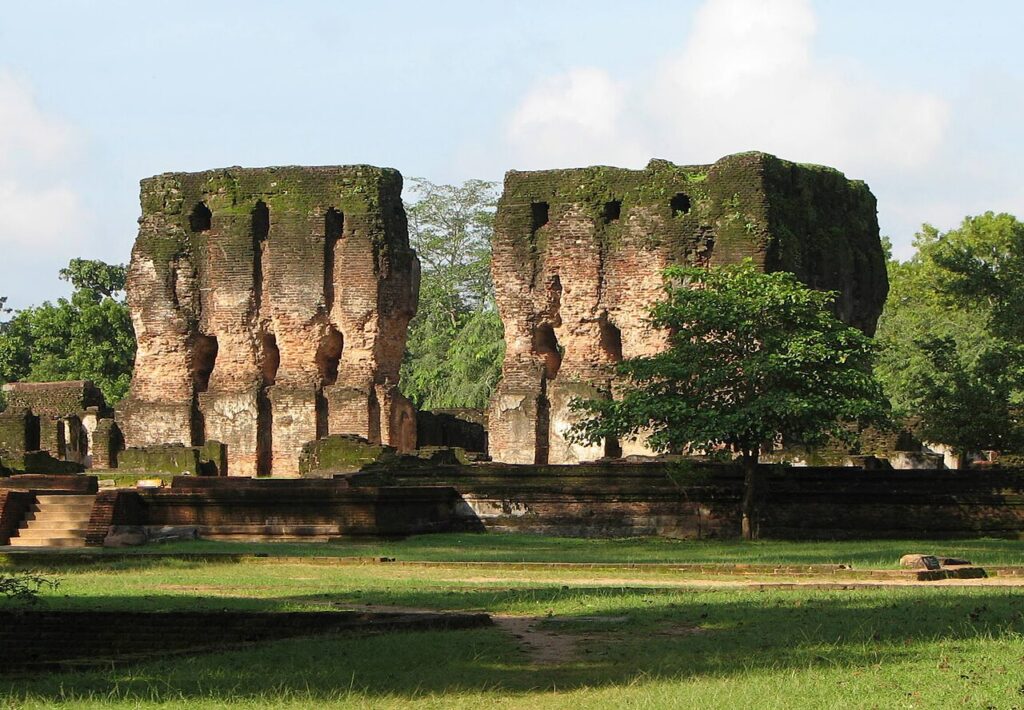
The Ancient City of Polonnaruwa (UNESCO 1982) served as Sri Lanka’s second capital from 1017 CE, reaching its zenith under Parakrama Bahu I (1153–1186 CE) who built the 8 km² Parakrama Samudra reservoir and commissioned the Gal Vihara rock-cut Buddhas — four colossal figures carved from a single granite outcrop, including a 15-metre reclining parinirvana image that remains one of the masterworks of South Asian sculpture.
UNESCO Heritage Sites Near Mosque City of Bagerhat

UNESCO Heritage Sites Near Mosque City of Bagerhat

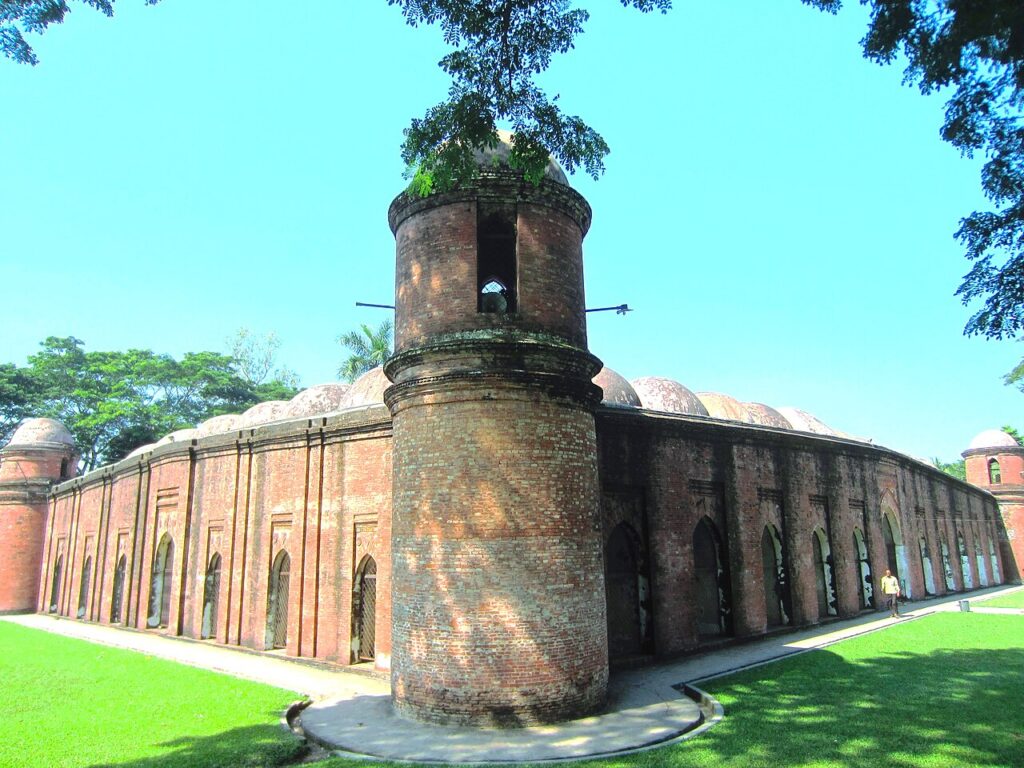
The Historic Mosque City of Bagerhat (UNESCO 1985) was founded around 1459 CE by Khan Jahan Ali as Khalifatabad in the Sundarbans delta of southwestern Bangladesh; its centrepiece, the Shat Gambuj Mosque, features 77 domes and 60 interior stone pillars, making it the largest medieval mosque in Bangladesh and a defining example of Bengali-Islamic brick architecture.

UNESCO Heritage Sites Near Ahmedabad, India

UNESCO Heritage Sites Near Ahmedabad, India

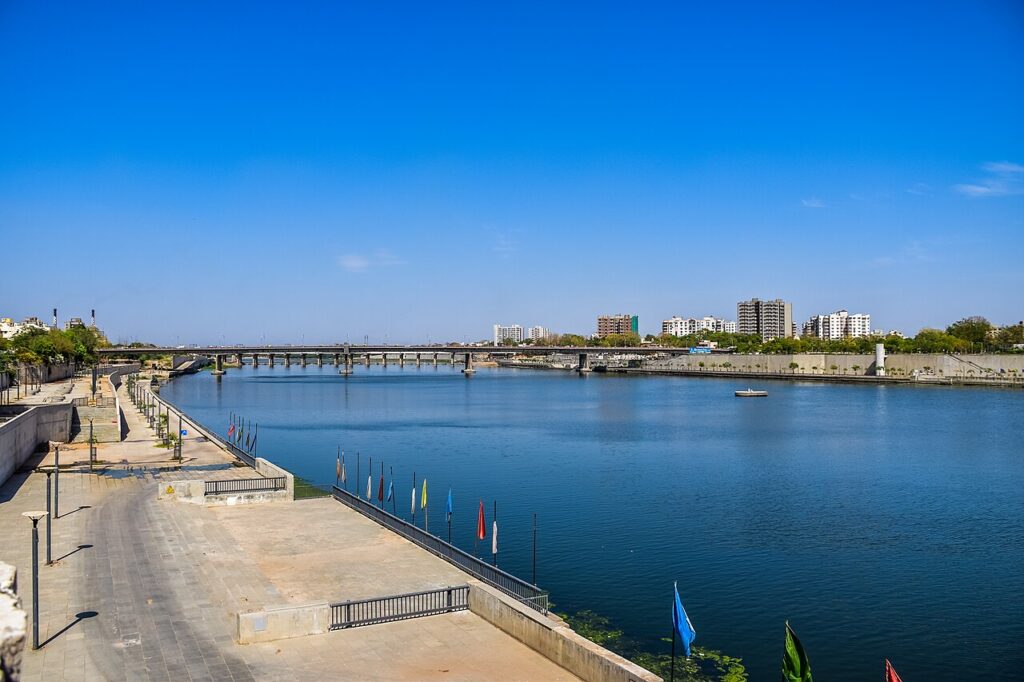
The Historic City of Ahmedabad (UNESCO 2017), founded in 1411 by Sultan Ahmad Shah I on the Sabarmati River in Gujarat, is India’s first UNESCO World Heritage City — a walled inner city of 600+ surviving pols (self-governing caste neighbourhood clusters), the 1424 Jama Masjid with 260 pillars, the 1573 Sidi Saiyyed Mosque with its celebrated Tree of Life stone lattice window, and the Sabarmati Ashram from which Gandhi departed on the Dandi Salt March on 12 March 1930.

UNESCO Heritage Sites Near Dazu Rock Carvings

UNESCO Heritage Sites Near Dazu Rock Carvings

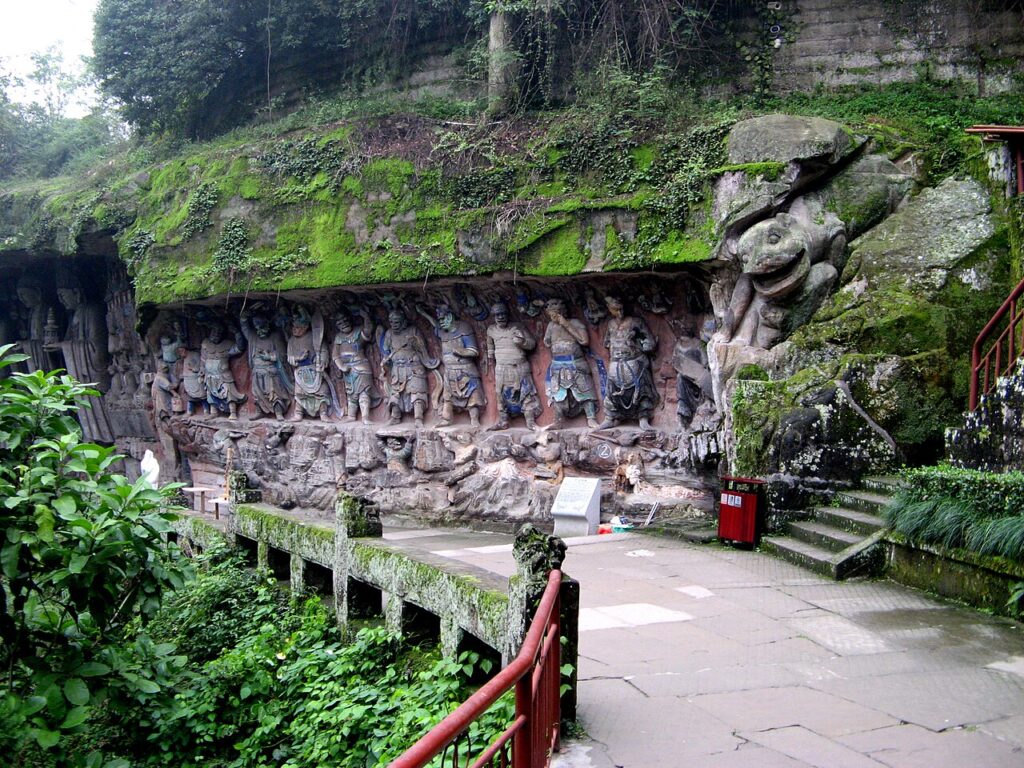
The Dazu Rock Carvings (UNESCO 1999), located 165 km west of Chongqing in Dazu County, comprise 50,000+ stone statues and 100,000 inscribed characters across 75 sites, carved between the late Tang and Southern Song dynasties (9th–13th centuries CE) — the only Chinese site integrating Buddhist, Taoist and Confucian iconography in a single programmatic scheme, culminating in Baodingshan’s 31-niche Great Buddha Bay, supervised over 70 years by the monk Zhao Zhifeng (1159–1249).

UNESCO Heritage Sites Near Old Town of Lijiang

UNESCO Heritage Sites Near Old Town of Lijiang

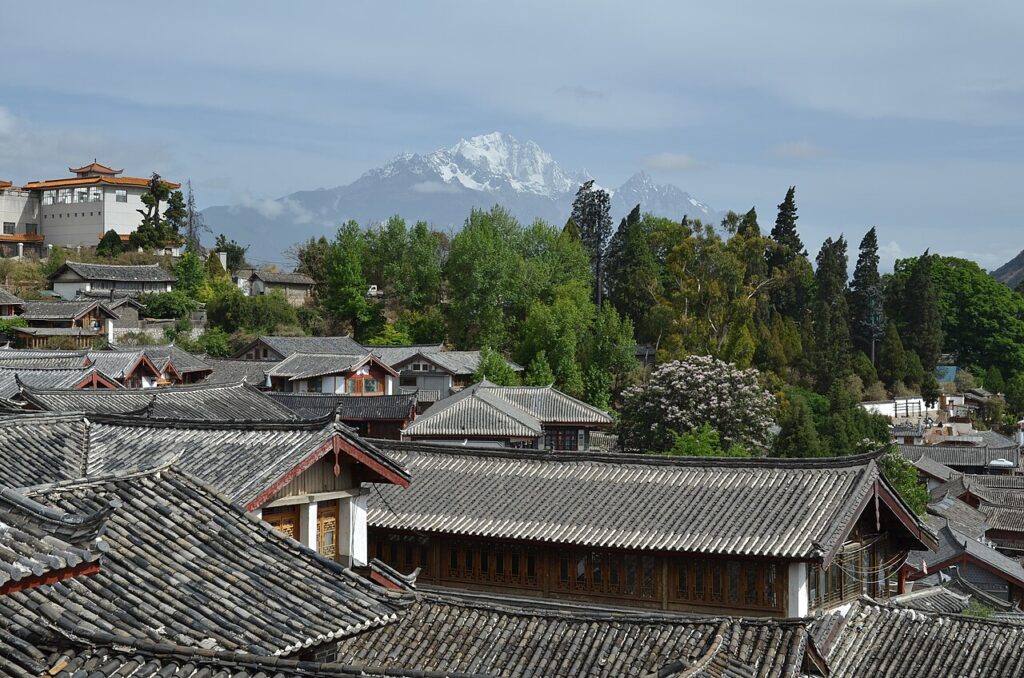
The Old Town of Lijiang (UNESCO 1997), capital of the Naxi people in northwestern Yunnan at 2,400m elevation, preserves a cobblestone canal town fusing Han, Tibetan and Bai architectural traditions, the Mu Fu palace of the Naxi hereditary chiefs, the Dongba pictographic script (the only hieroglyphic writing system still in ritual use worldwide), and the Naxi ancient music tradition — all set against the 14-peak Jade Dragon Snow Mountain massif rising to 5,596m.

UNESCO Heritage Sites Near Champaner-Pavagadh

UNESCO Heritage Sites Near Champaner-Pavagadh

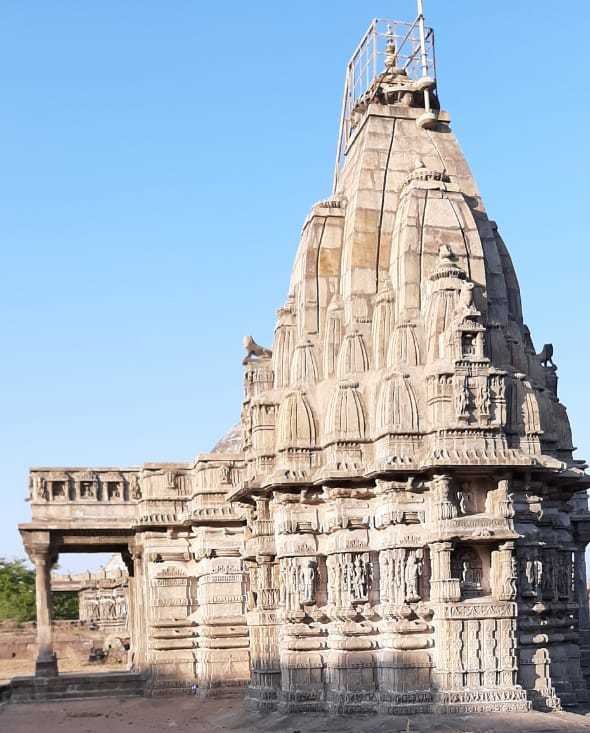
Champaner-Pavagadh Archaeological Park (UNESCO 2004) combines 239 monuments across 52 sq km in Gujarat: the 8th–14th century Hindu and Jain shrines on the 900m volcanic Pavagadh hill (with the active Kalika Mata Temple at its summit), and the abandoned 15th-century Gujarati Sultanate capital of Champaner — including the Jama Masjid (1523 CE, 172 pillars, 5 domes), the finest pre-Mughal mosque in India.

UNESCO Heritage Sites Near Babylon, Iraq

UNESCO Heritage Sites Near Babylon, Iraq

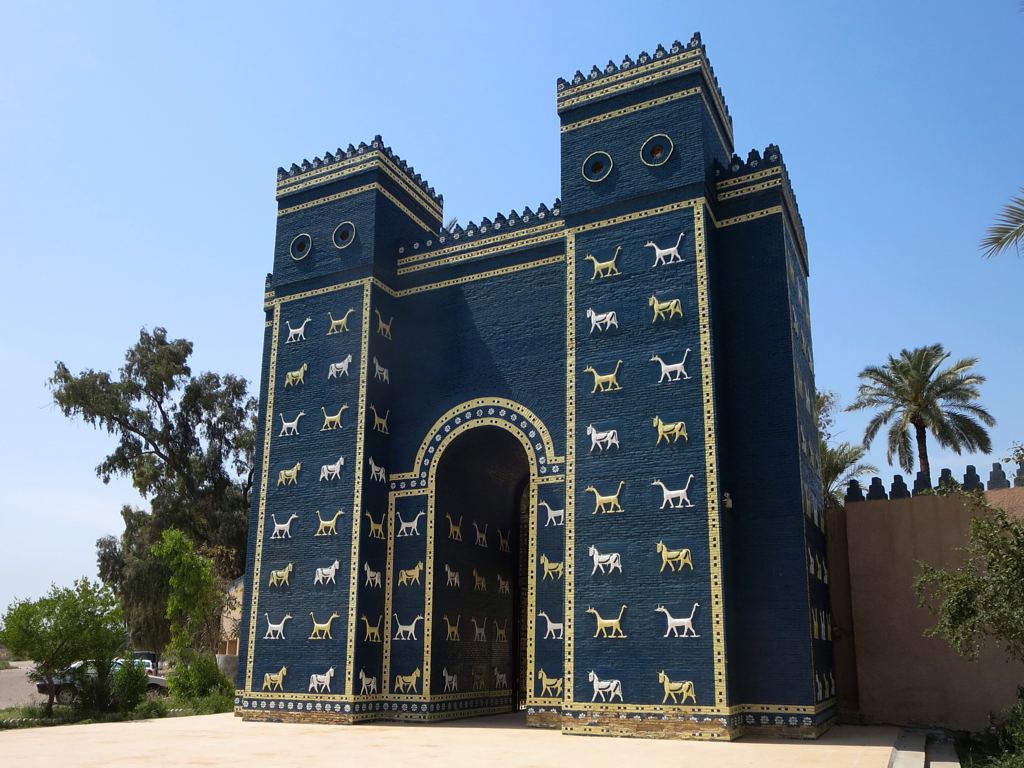
Babylon, on the Euphrates 85 km south of Baghdad, was the capital of Nebuchadnezzar II’s empire (605–562 BCE) — the site of the Ishtar Gate, the Processional Way, the Etemenanki ziggurat (“Tower of Babel”) and the supposed Hanging Gardens. Inscribed on the UNESCO World Heritage List and simultaneously placed on the Danger List in 2019, it was also where Alexander the Great died in 323 BCE. The original Ishtar Gate is in Berlin’s Pergamon Museum; the archaeological site is open near Hillah, Iraq.

UNESCO Heritage Sites Near Hegra, Saudi Arabia

UNESCO Heritage Sites Near Hegra, Saudi Arabia

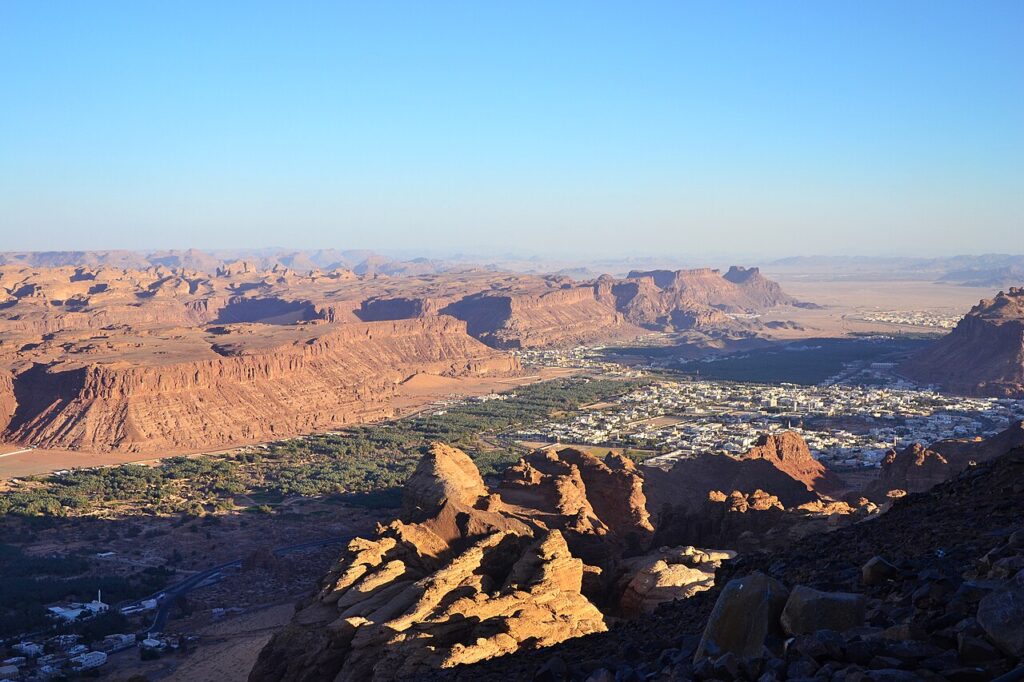
Hegra (al-Hijr / Madâin Sâlih), Saudi Arabia’s first UNESCO World Heritage Site (2008), preserves 131 Nabataean rock-cut monumental tombs from the 1st century BCE and 1st century CE — the southern extension of the same civilisation that built Petra, 300 km north. Located in Al-Ula, Hejaz, it also holds a remarkably intact Ottoman Hejaz Railway station (1908) and is now the centrepiece of Saudi Arabia’s most ambitious heritage tourism development under Vision 2030.

UNESCO Heritage Sites Near Island of Saint-Louis

UNESCO Heritage Sites Near Island of Saint-Louis

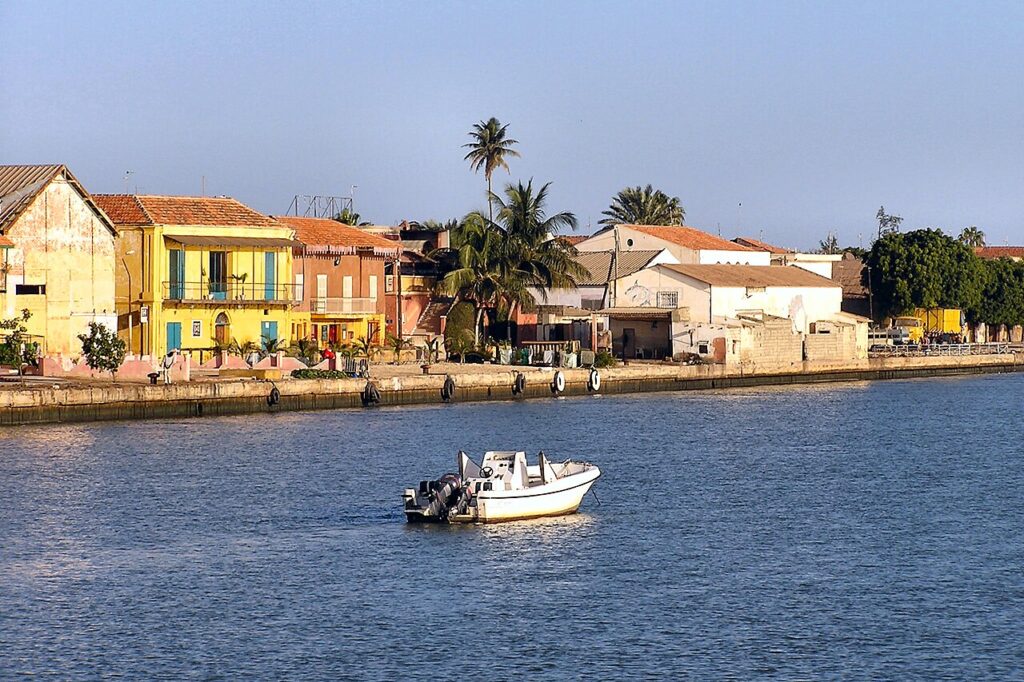
Saint-Louis, inscribed on the UNESCO World Heritage List in 2000, was founded in 1659 as the first French settlement in sub-Saharan West Africa and served as capital of both Senegal and French West Africa before losing both roles to Dakar in 1902 — a transfer that preserved its 19th-century Franco-Creole colonial island intact. The Faidherbe Bridge (1897), the signare townhouses and the annual June Jazz Festival make it one of West Africa’s most distinctive heritage and cultural destinations.

UNESCO Heritage Sites Near Bardejov, Slovakia

UNESCO Heritage Sites Near Bardejov, Slovakia

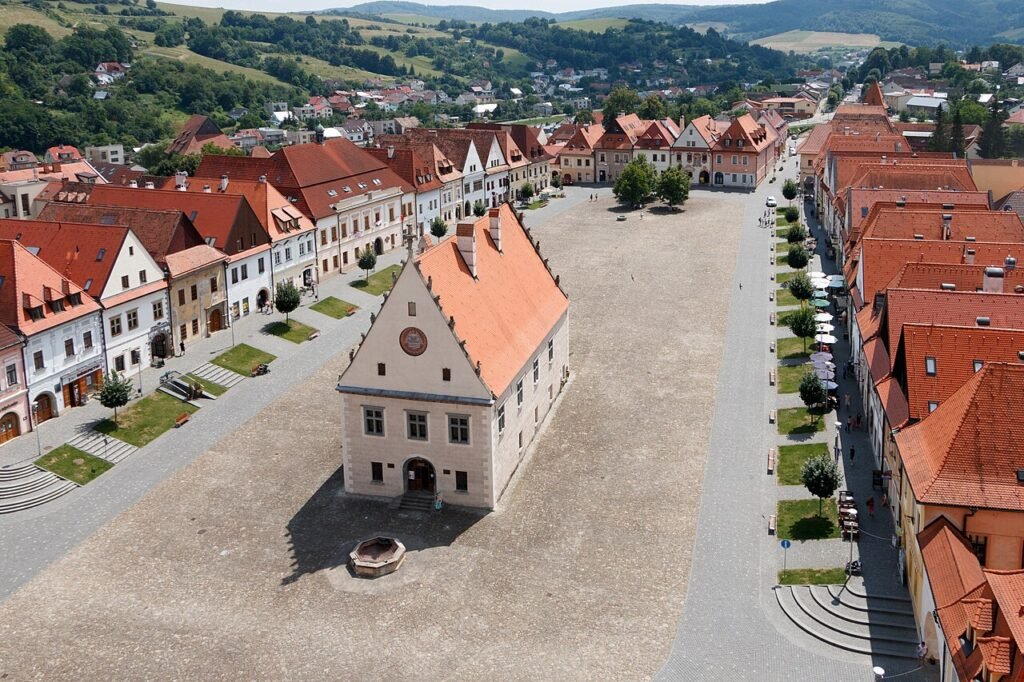
Bardejov in northeastern Slovakia preserves one of Central Europe’s finest intact Gothic market squares, an extraordinary collection of eleven late-Gothic winged altarpieces in St Egidius church, and a complete circuit of medieval walls — a UNESCO World Heritage site of quiet but exceptional quality.

Scroll to Top