Paola Bonometti
Content Editor

Paola Bonometti

Paola Bonometti is a volunteer with the ABCO association and still contributes to it today.

Contributions: 1,022 articles

Author name: Paola Bonometti

Paola Bonometti is a volunteer with the ABCO association and still contributes to it today.

UNESCO Heritage Sites Near Völklingen Ironworks, Germany

UNESCO Heritage Sites Near Völklingen Ironworks, Germany

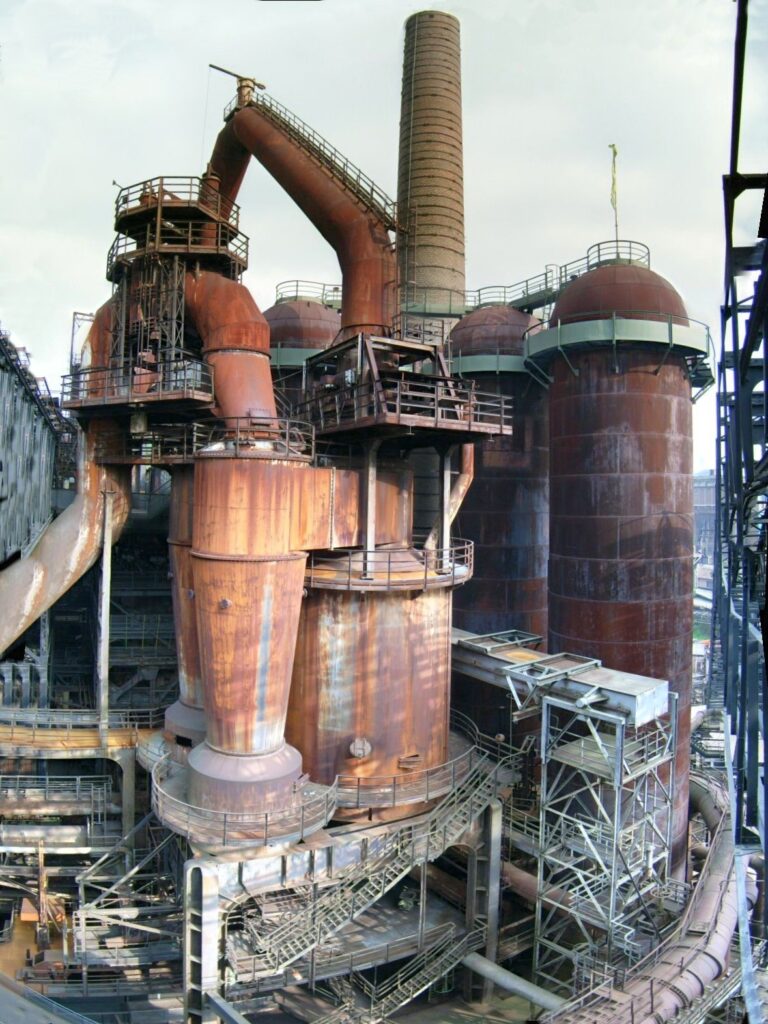
The Völklingen Ironworks in Saarland is the only complete, unmodified ironworks from the 19th and early 20th century preserved in Western Europe and North America, with six blast furnaces, a coking plant, and all processing facilities intact since the final shutdown in 1986. Inscribed on the UNESCO World Heritage List in 1994, the site operated across five different political regimes in a Saarland that changed nationalities four times between 1873 and 1957.
UNESCO Heritage Sites Near Upper Middle Rhine Valley

UNESCO Heritage Sites Near Upper Middle Rhine Valley

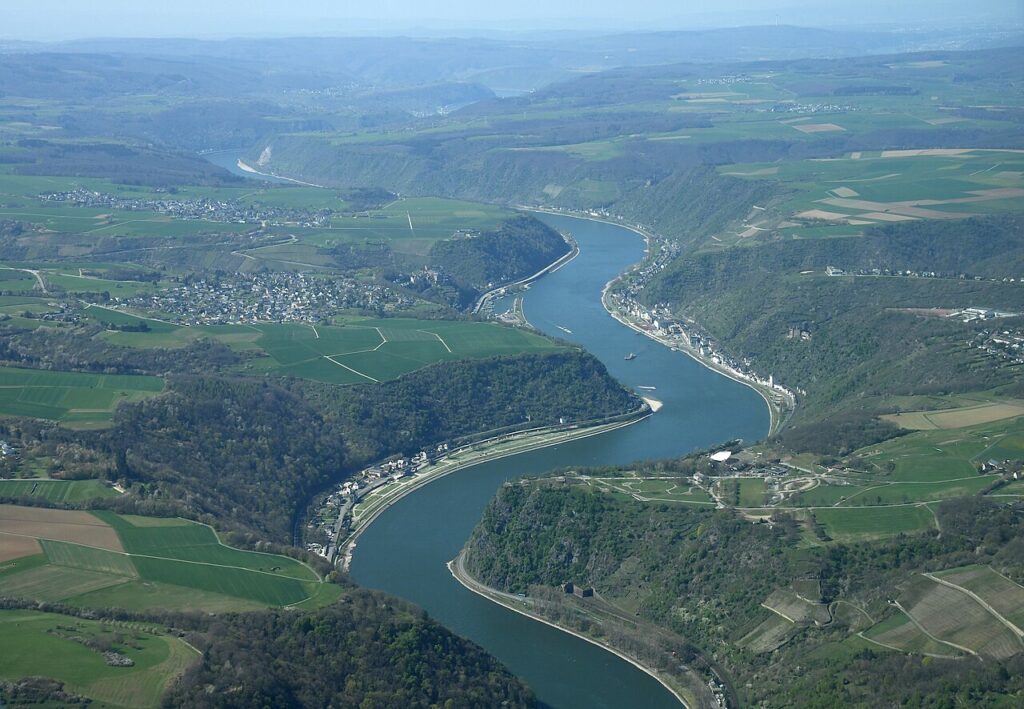
The Upper Middle Rhine Valley between Bingen and Koblenz is a 65-kilometre Rhine gorge with more than forty medieval castles, steep Riesling vineyards, and the Lorelei cliff — a legend invented by Romantic poet Clemens Brentano in 1801 and fixed in European memory by Heinrich Heine in 1824. The valley was inscribed on the UNESCO World Heritage List in 2002.

UNESCO Heritage Sites Near Bergpark Wilhelmshöhe, Kassel

UNESCO Heritage Sites Near Bergpark Wilhelmshöhe, Kassel

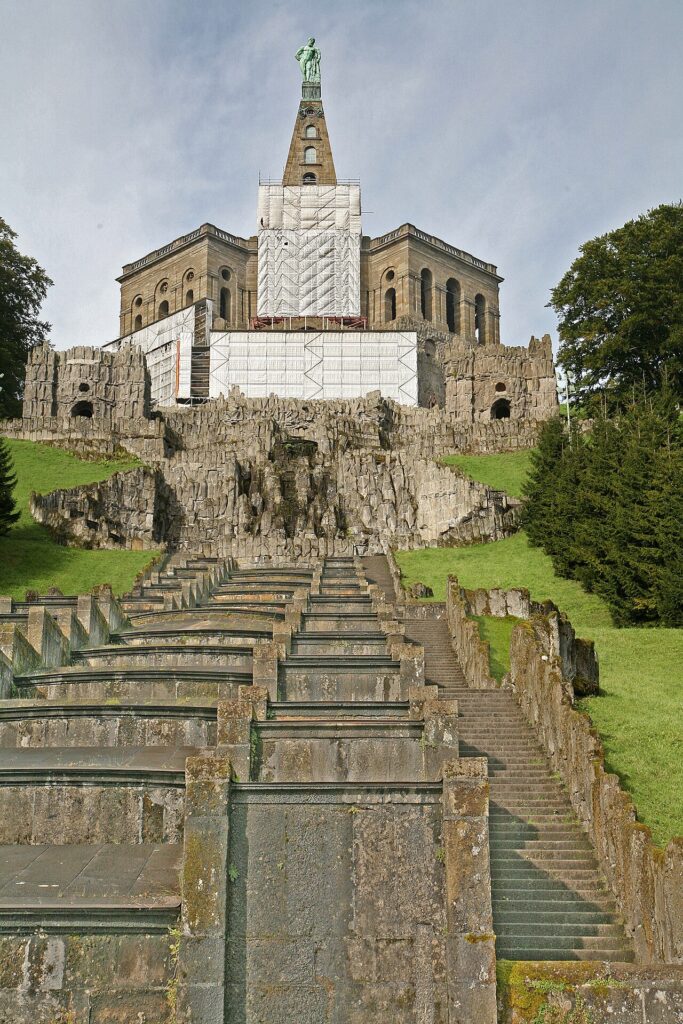
Bergpark Wilhelmshöhe above Kassel combines a 71-metre Baroque Hercules monument with a 850-metre gravity-fed water cascade system, built from 1696 for Landgrave Karl of Hesse-Kassel and inscribed as UNESCO World Heritage in 2013. Wilhelmshöhe Palace at the foot of the park held Napoleon III prisoner after the Battle of Sedan in 1870.

UNESCO Heritage Sites Near Speicherstadt in Hamburg

UNESCO Heritage Sites Near Speicherstadt in Hamburg

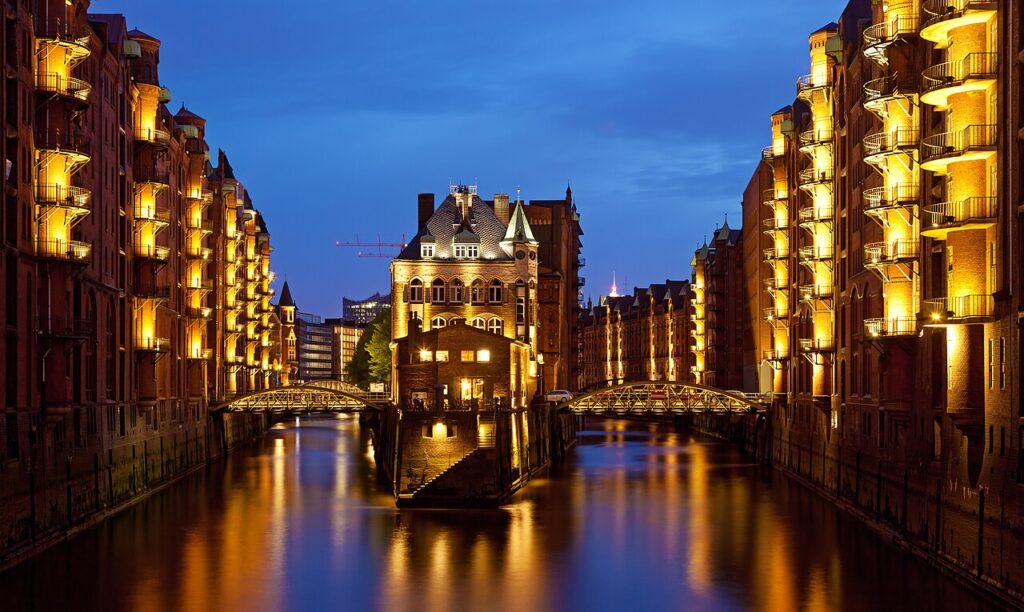
The Speicherstadt in Hamburg is the world’s largest historic warehouse complex, built between 1883 and 1927 on artificial islands in the Elbe as part of Hamburg’s duty-free Freihafen. Together with the neighbouring Expressionist Kontorhaus District, including the ship-prow-shaped Chilehaus, it was inscribed on the UNESCO World Heritage List in 2015.

UNESCO Heritage Sites Near Medieval Town of Toruń, Poland

UNESCO Heritage Sites Near Medieval Town of Toruń, Poland

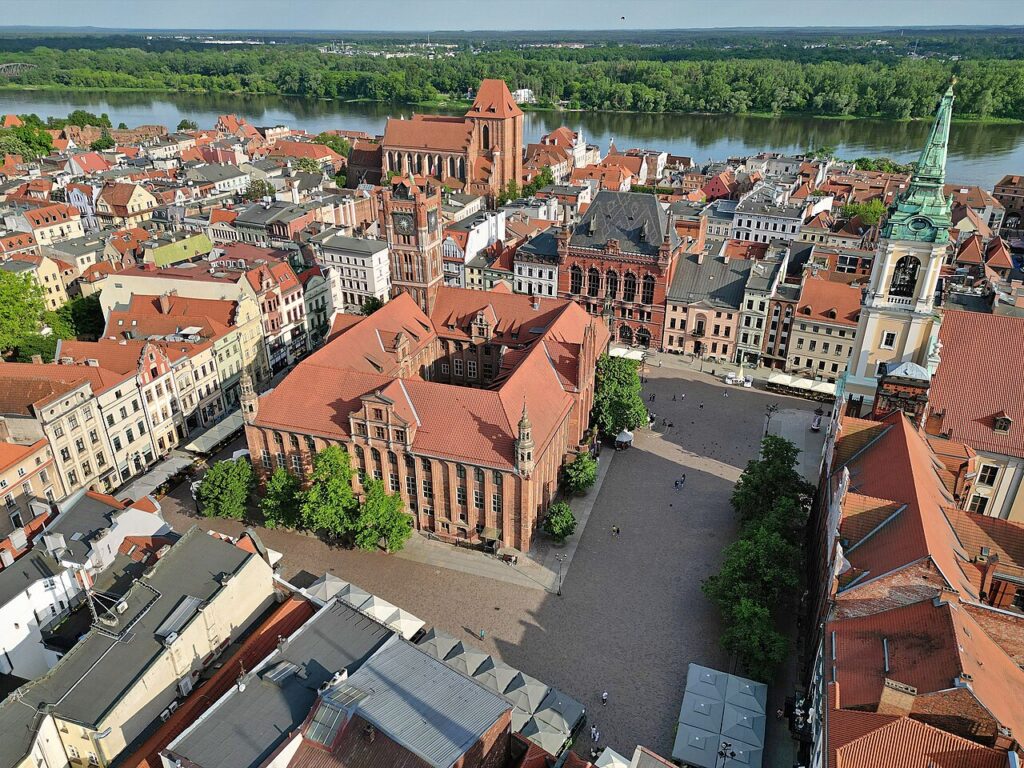
Toruń is the best-preserved medieval city in north-central Poland: a Teutonic Knights foundation of 1233, one of the founding cities of the Hanseatic League, and the birthplace of Nicolaus Copernicus in 1473. Two peace treaties signed here in 1411 and 1466 determined the political map of the Baltic for centuries. Its Gothic town hall, Vistula-front granaries, and medieval street plan are intact. UNESCO-inscribed in 1997. Malbork Castle — the Teutonic Knights’ headquarters — lies 90 km north.

UNESCO Heritage Sites Near Churches of Peace in Silesia

UNESCO Heritage Sites Near Churches of Peace in Silesia

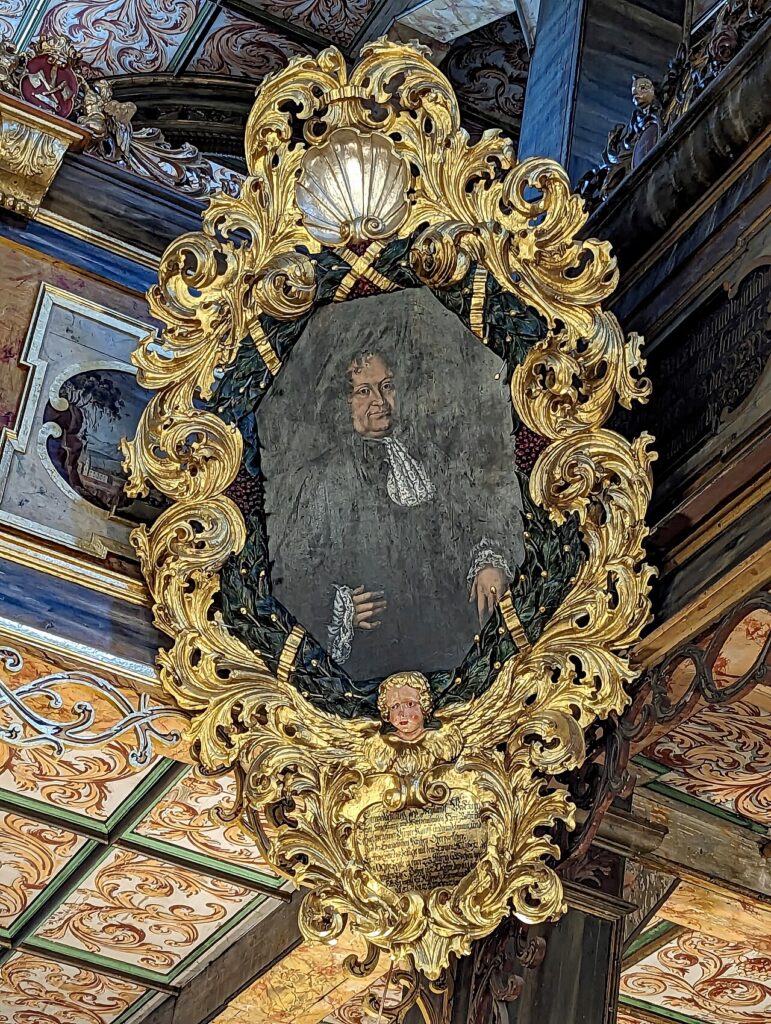
The Churches of Peace in Świdnica and Jawor are the two surviving members of a set of three timber-framed Lutheran churches built in Silesia in 1652–57 under conditions imposed by Habsburg Emperor Ferdinand III: no stone, no brick, outside the city walls, no tower, no bells, completed within a year. The result is the largest timber-framed sacred buildings in Europe — the Świdnica church holds 7,500 people and contains over 2,000 oil paintings on its gallery panels and ceilings. UNESCO-inscribed in 2001.

UNESCO Heritage Sites Near Muskauer Park, Germany/Poland

UNESCO Heritage Sites Near Muskauer Park, Germany/Poland

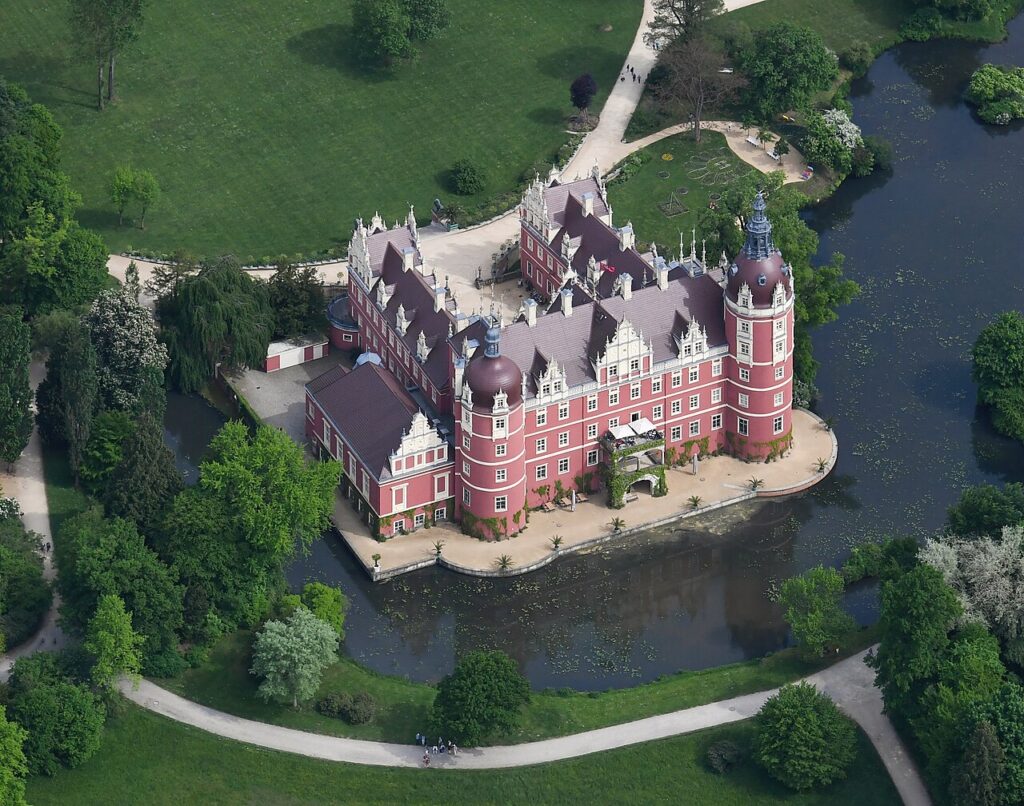
Muskauer Park — Park Mużakowski — is an 830-hectare landscape park straddling the German-Polish border, designed by Prince Hermann von Pückler-Muskau from 1815 to 1844 and inscribed as a UNESCO trans-border World Heritage Site in 2004. Pückler, the father of German landscape design, spent two fortunes on the park before selling it in 1845; the estate was then divided by the Cold War Oder-Neisse border in 1945 and reunited only after 1989. The New Castle on the German side, destroyed in 1945, was fully rebuilt between 2003 and 2015.

UNESCO Heritage Sites Near Wooden Churches of Małopolska

UNESCO Heritage Sites Near Wooden Churches of Małopolska

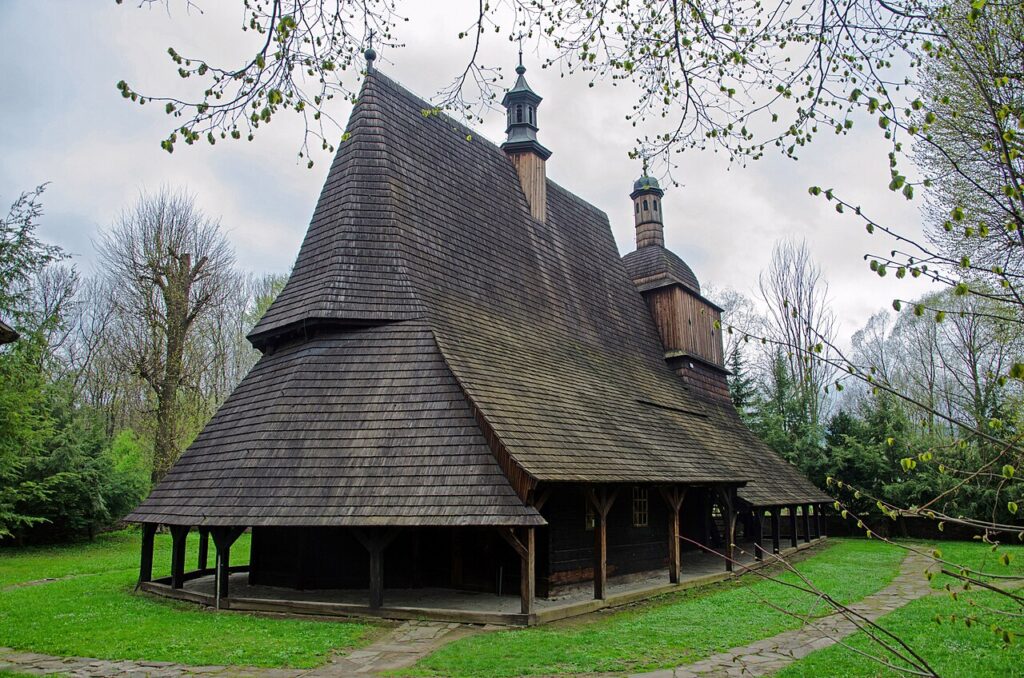
Six Roman Catholic wooden churches in the foothills of the Carpathians in southern Poland were inscribed on the UNESCO World Heritage List in 2003. Built without nails using log-and-blockhouse construction from the late 14th to the early 16th century, they contain polychrome biblical paintings on every interior surface — including what may be the largest surviving medieval painted ceiling in Poland, at Haczów. The most complete interior, at Dębno Podhalańskie, preserves its original Gothic furnishings and 15th-century decoration intact.

UNESCO Heritage Sites Near Kalwaria Zebrzydowska, Poland

UNESCO Heritage Sites Near Kalwaria Zebrzydowska, Poland

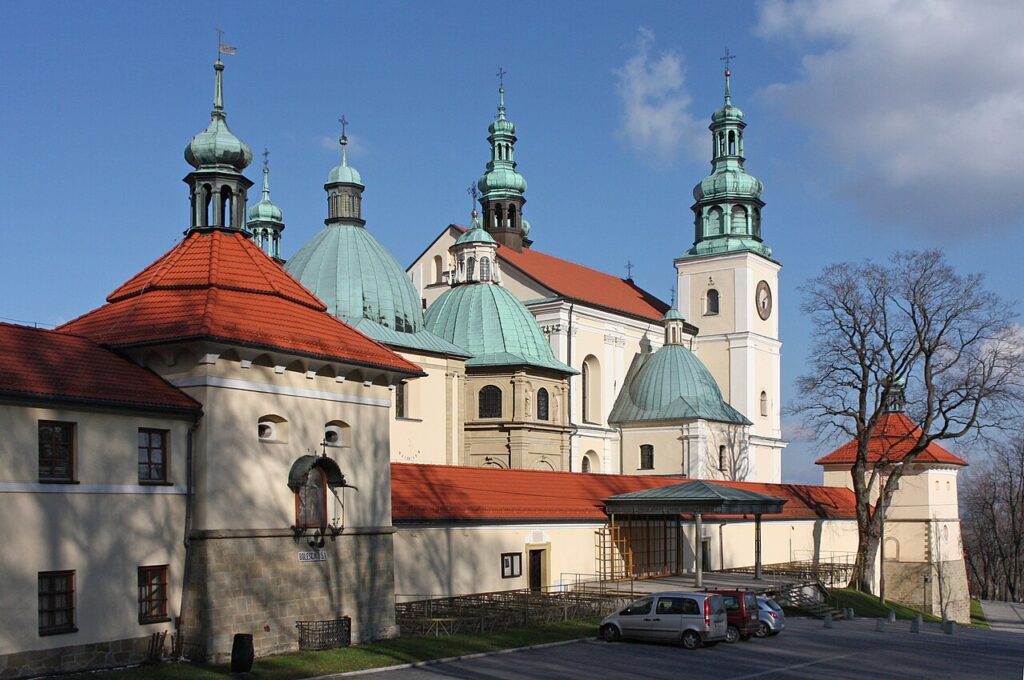
Kalwaria Zebrzydowska is a Mannerist pilgrimage complex in the Beskid Makowski hills, 35 km south of Kraków, where 40 chapels and churches map the topography of Jerusalem across the Polish landscape. Founded in 1600, UNESCO-inscribed in 1999, and visited repeatedly by John Paul II, it sits at the centre of Poland’s densest cluster of World Heritage Sites, with Wieliczka and Kraków 35 km north.

UNESCO Heritage Sites Near Centennial Hall in Wrocław

UNESCO Heritage Sites Near Centennial Hall in Wrocław

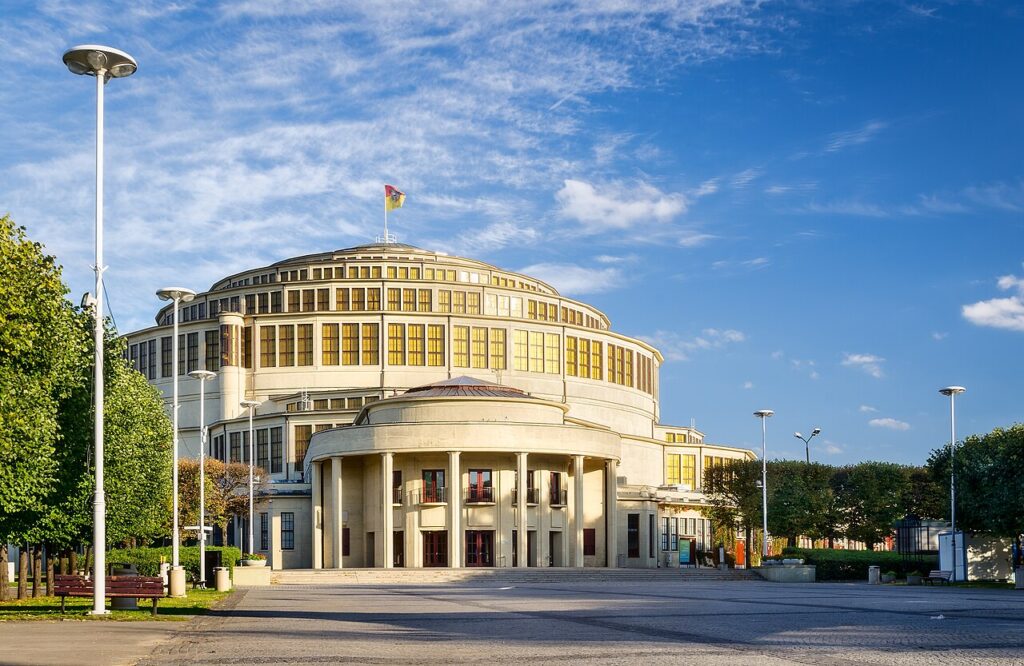
The Centennial Hall in Wrocław, completed in 1913 by city architect Max Berg, contained the world’s largest reinforced-concrete dome at the time of its construction — 65 metres in diameter, seating 10,000 — and is considered a founding document of modern structural architecture. UNESCO inscribed it in 2006; the building was constructed as a German monument in Breslau and became a Polish cultural venue after the city’s population was entirely displaced in 1945.

Scroll to Top