

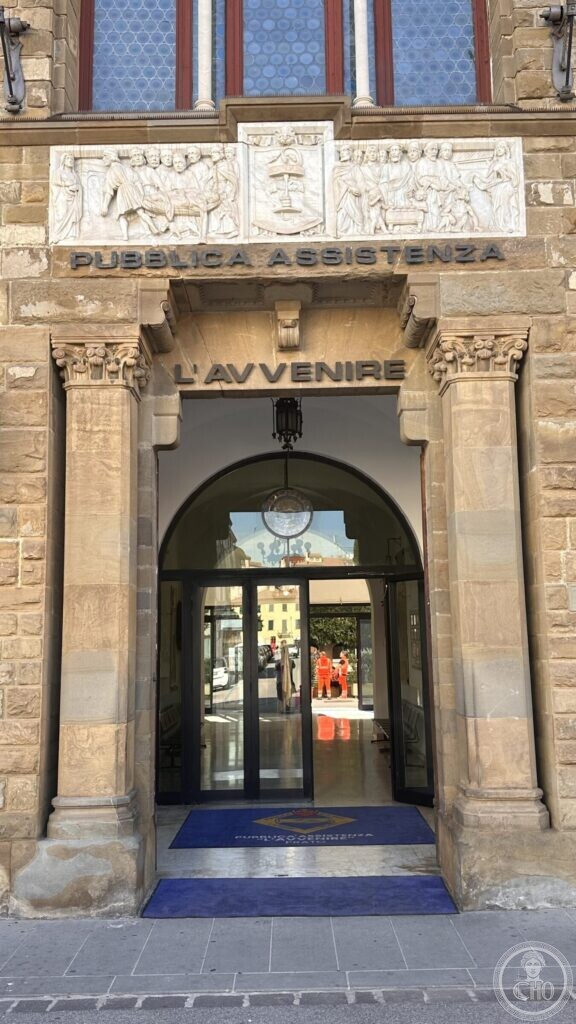
Pubblica Assistenza «L’Avvenire», Prato — Ten Workers and a Building of Their Own
Prato (1899): a lay mutual-aid society founded by ten working men, whose names are still cut into a marble tablet in the hall they spent twenty-eight years paying for.

Luigi De Marchi, architect, is the editor and publisher of Cultural Heritage Online. He founded the archive in 1998 as beniculturalionline.it and has published it without interruption since.
Contributions: 63 articles · 1,250 heritage places · 12 events · 30 itineraries · 5 road-books · 334 photographs
Published on beniculturalionline.it, the Italian archive of this publication, online since 1998. They are being brought into Cultural Heritage Online.
Prato (1899): a lay mutual-aid society founded by ten working men, whose names are still cut into a marble tablet in the hall they spent twenty-eight years paying for.
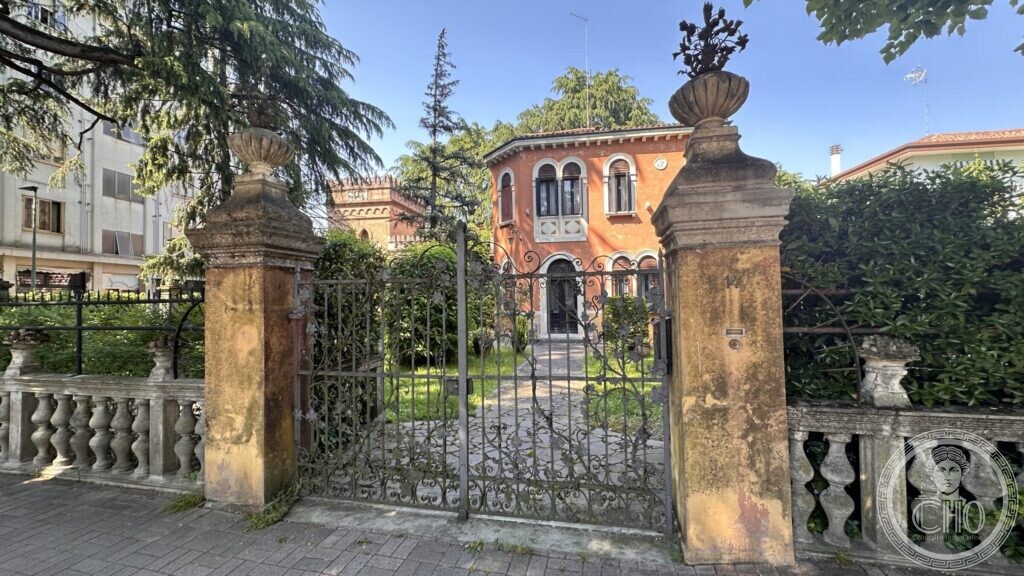
Mogliano Veneto: a villa of the early twentieth century with a Liberty iron gate, on the road of the Venetian villas. We could not find its name — and we are asking readers for it.
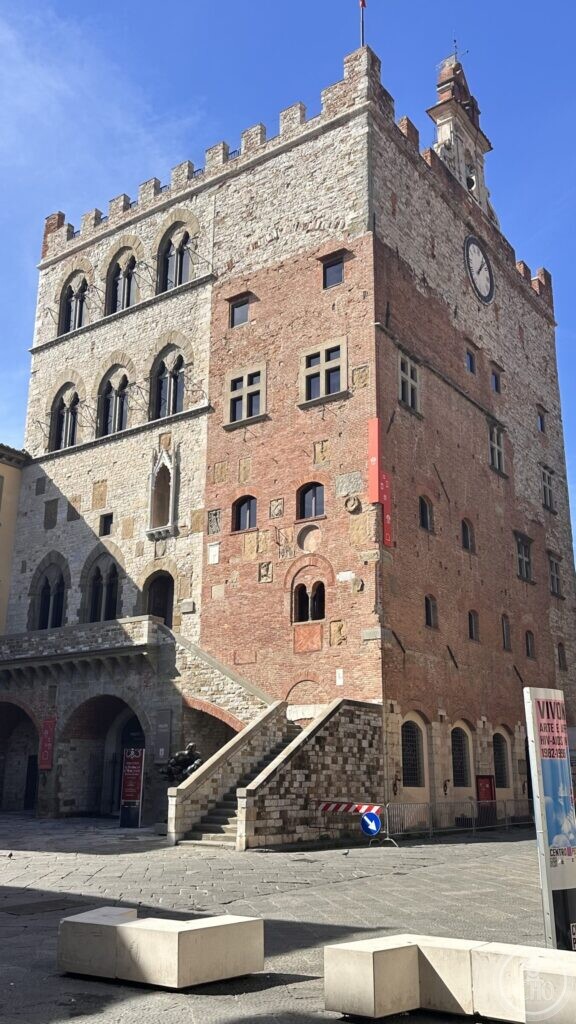
Prato (1284): built as court and prison, half in stone and half in brick, and since 2014 the city’s museum of seven centuries of painting.
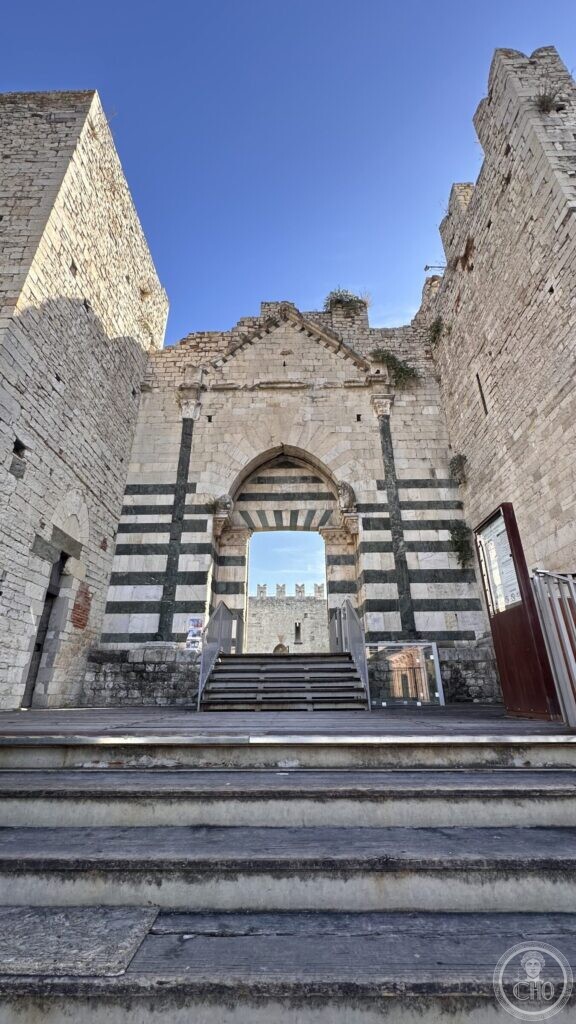
Prato (1237–1248): the only Swabian castle in northern and central Italy, built for Frederick II by his Sicilian architect and left unfinished at the emperor’s death.
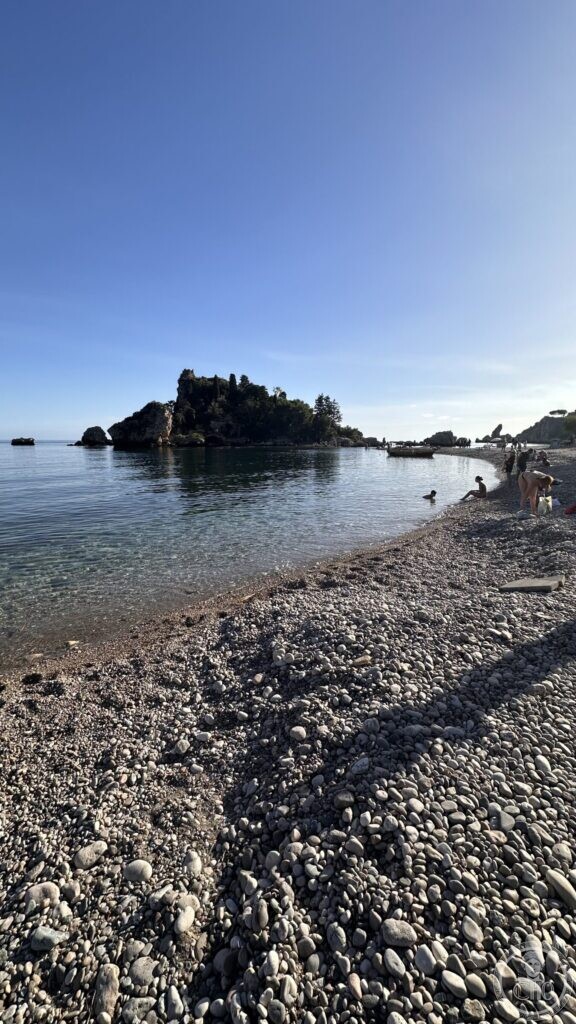
Taormina: an islet bought in 1890 by an Englishwoman who planted it with exotics, and since 1998 a nature reserve reached on foot when the sea is low.
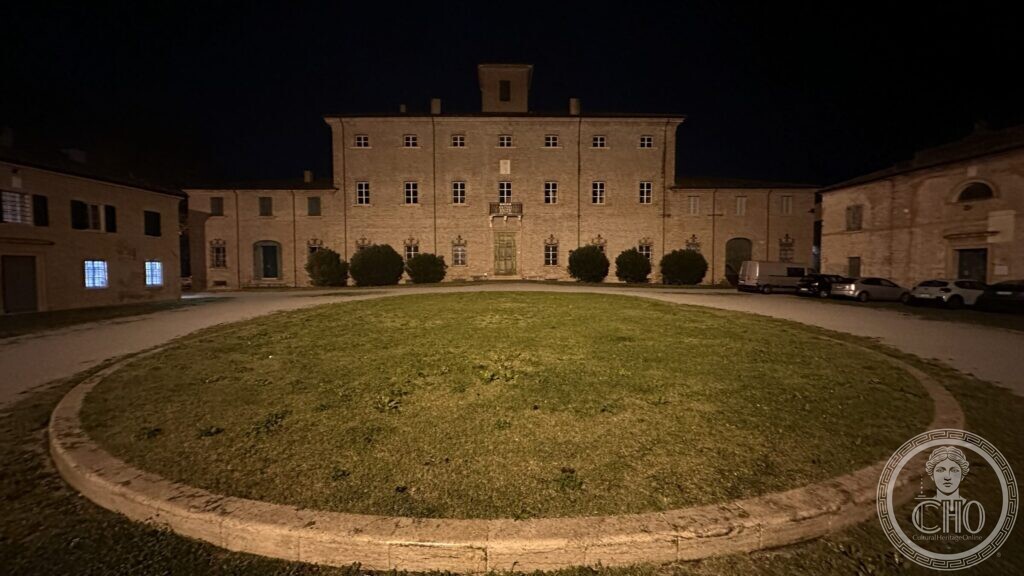
San Mauro Pascoli: the Torlonia estate where Giovanni Pascoli spent his childhood, and from which his father set out on 10 August 1867 and never came home.
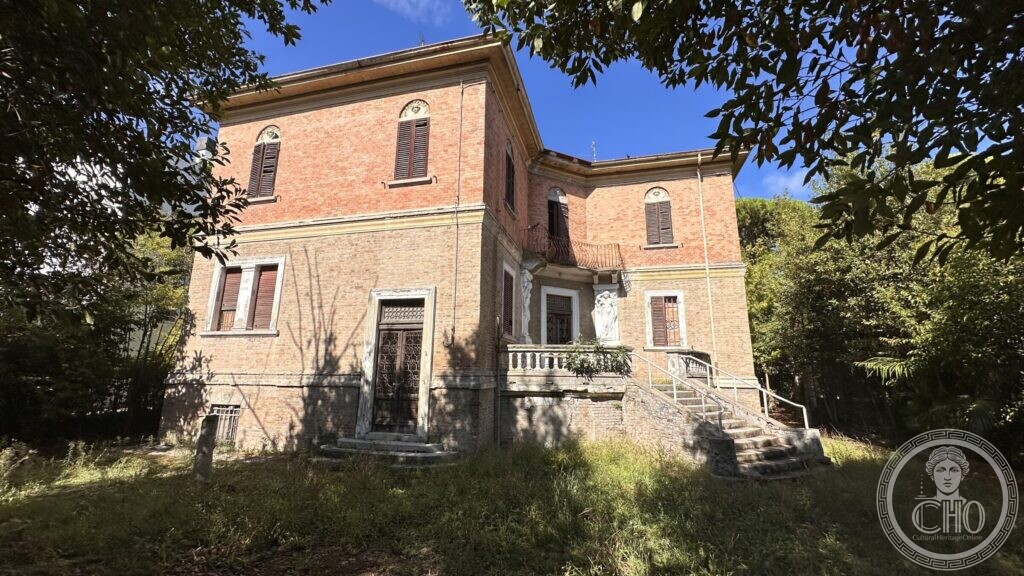
Caryatids on the loggia, a woman head in a wreath over every window, a door chained shut and a garden gone to wood. We have not been able to name it: help us.
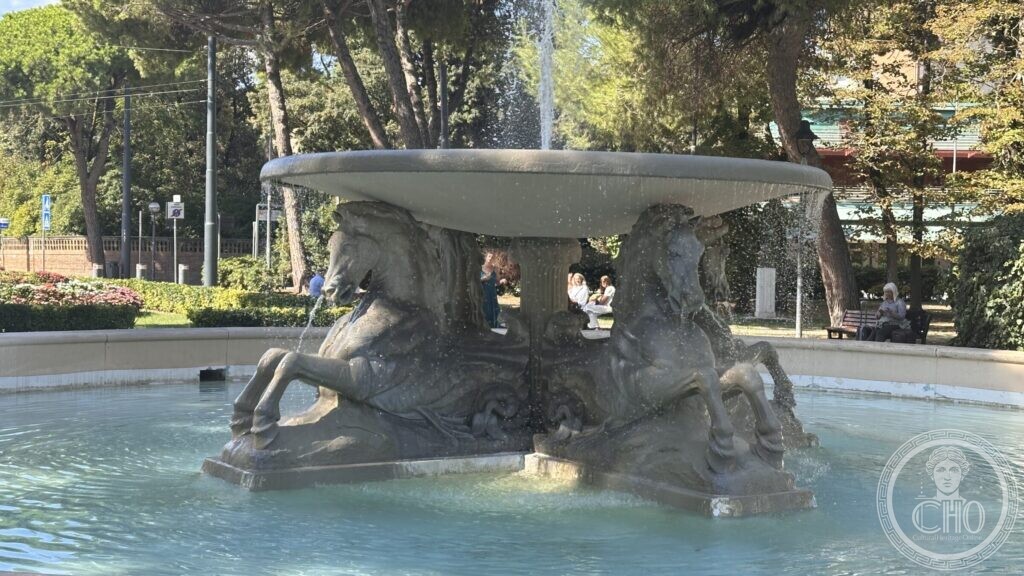
Filogenio Fabbri carved it and Rimini unveiled it in 1928. Broken up in 1954 and its horses scattered, it went back to Parco Fellini only in 1983.
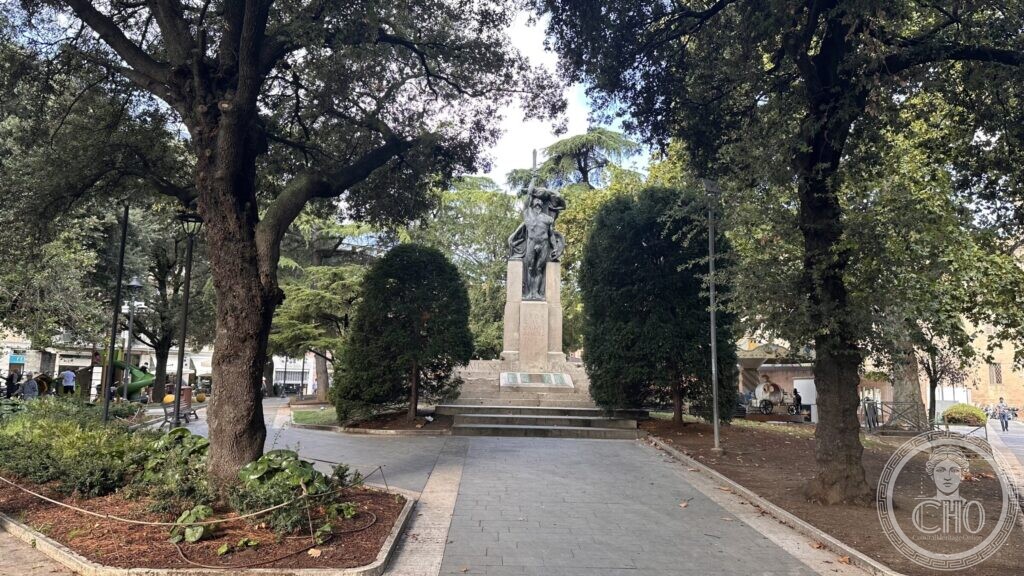
Commissioned by a committee of war widows and orphans, won by Bernardino Boifava in 1923 and unveiled by the King in 1926 — after four years of argument over the naked hero.
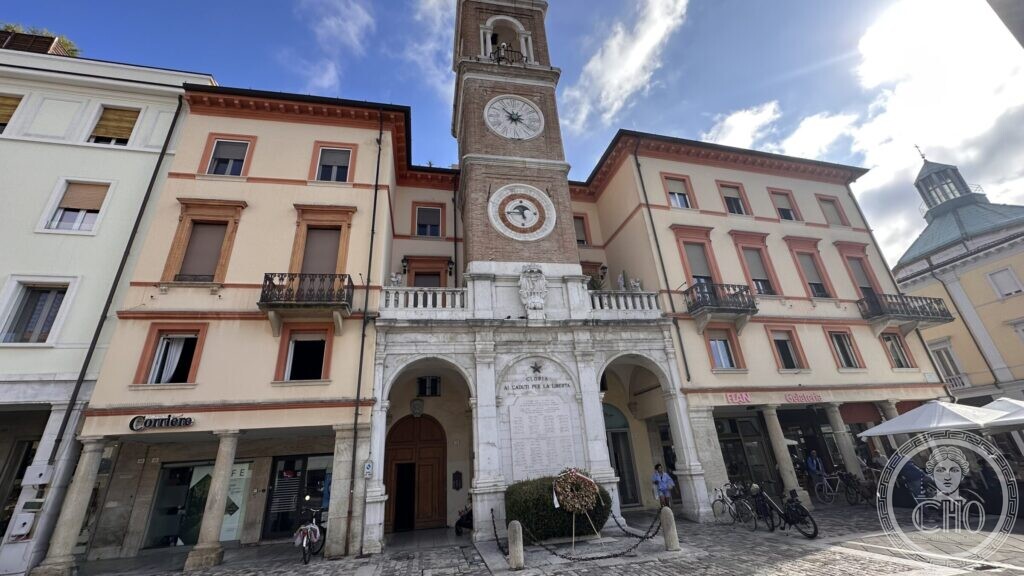
The forum of Ariminum, the square that carried Caesar name for centuries, renamed for the three young partisans hanged here on 16 August 1944.