Cultural Heritage Online
The editorial desk

Cultural Heritage Online

Contributions: 836 articles · 15,435 heritage places · 167 events · 50 itineraries · 4 road-books · 16,137 photographs

Author name: Cultural Heritage Online

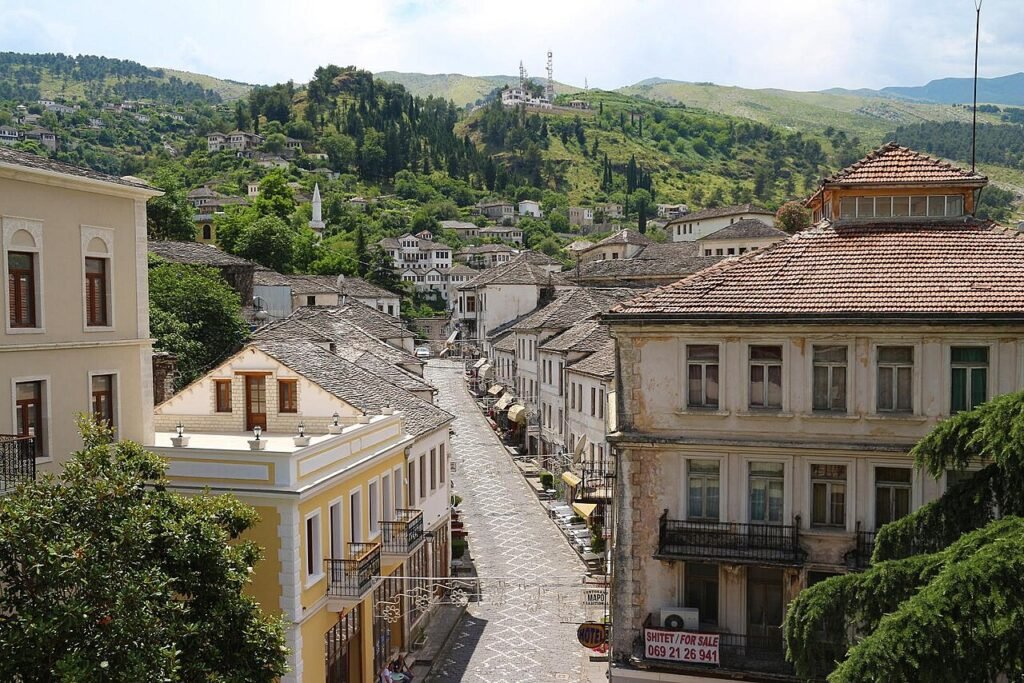
UNESCO World Heritage Sites Near Gjirokastër: Albania’s Stone City, the Tower Houses of Ali Pasha and the Literary Memory of Ismail Kadare

UNESCO World Heritage Sites Near Gjirokastër: Albania’s Stone City, the Tower Houses of Ali Pasha and the Literary Memory of Ismail Kadare

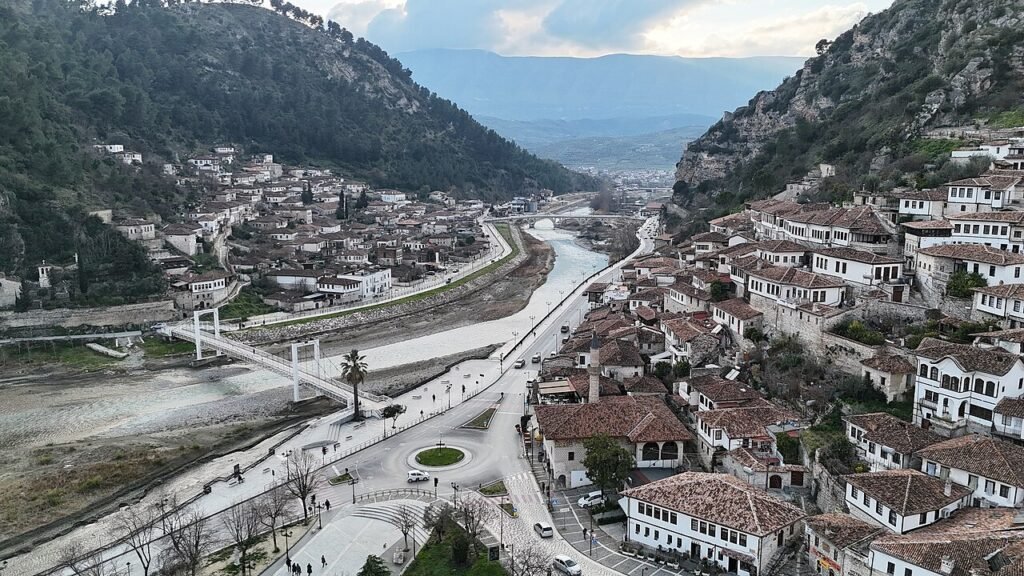
Gjirokastër, Albania’s “stone city,” preserves the Balkans’ finest ensemble of defensive Ottoman tower houses (kullë), a thirteenth-century castle expanded by Ali Pasha of Ioannina, a bazaar intact since the Ottoman period, and the literary memory of Ismail Kadare — co-inscribed with Berat by UNESCO in 2005.
UNESCO World Heritage Sites Near Zacatecas: The World’s Greatest Silver Mine, Mexico’s Finest Churrigueresque Cathedral and the Mina El Edén Underground Museum

UNESCO World Heritage Sites Near Zacatecas: The World’s Greatest Silver Mine, Mexico’s Finest Churrigueresque Cathedral and the Mina El Edén Underground Museum

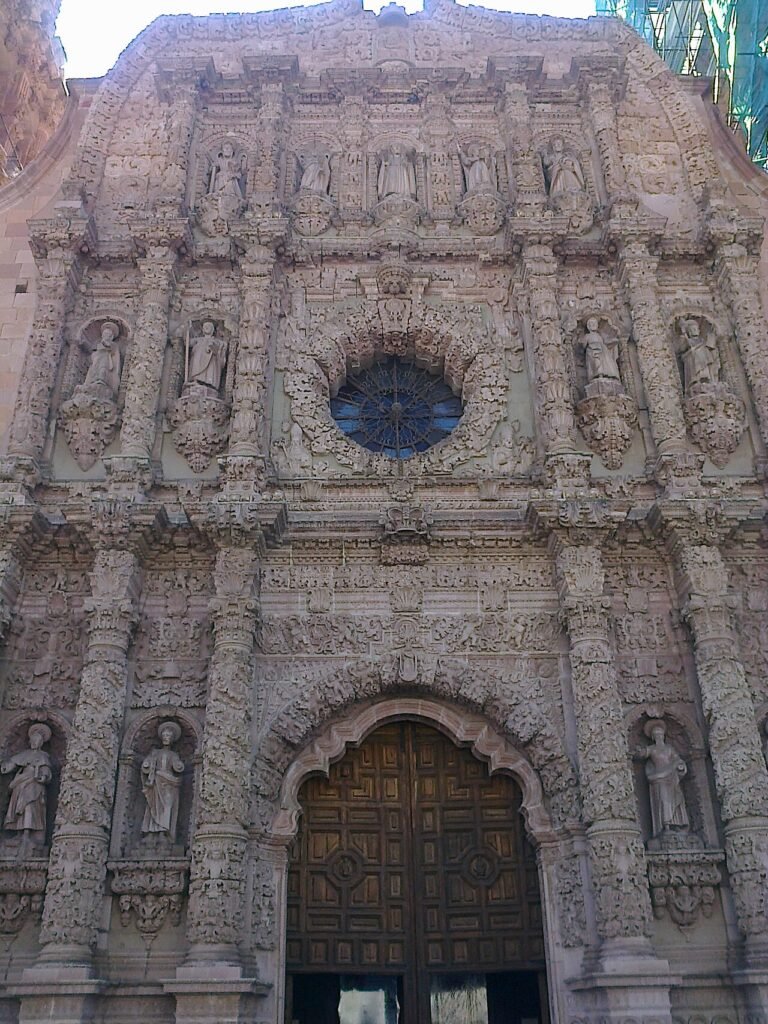
Zacatecas, founded 1546 after the discovery of the world’s most productive silver deposits, was inscribed on the UNESCO World Heritage List in 1993. Its Cathedral facade is considered the finest Churrigueresque Baroque monument in Mexico; the Mina El Edén silver mine and the Cerro de la Bufa viewpoint complete the city’s heritage circuit, 1 hour by air from Mexico City.

UNESCO World Heritage Sites Near Olinda: Pernambuco’s Baroque Hilltop Town, Brazil’s Oldest Franciscan Convent and the Frevo Carnival of Giant Puppets

UNESCO World Heritage Sites Near Olinda: Pernambuco’s Baroque Hilltop Town, Brazil’s Oldest Franciscan Convent and the Frevo Carnival of Giant Puppets

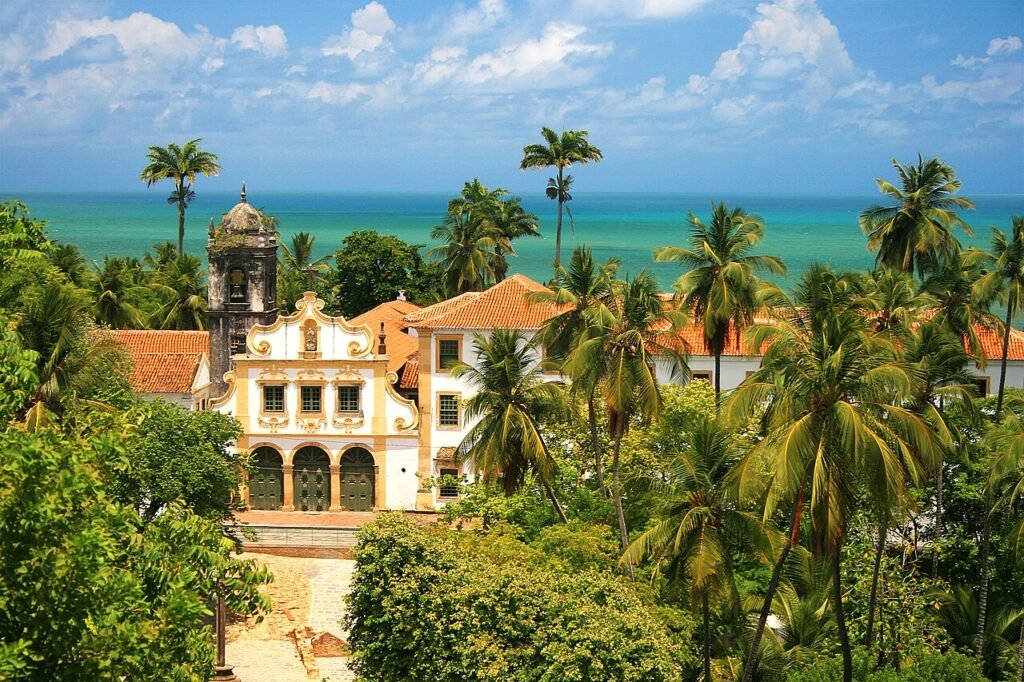
Olinda, Pernambuco — a Baroque hilltop colonial town 6 km from Recife, founded 1535 and rebuilt after Dutch burning in 1630 — was the first Brazilian site inscribed on the UNESCO World Heritage List (1982). The Franciscan Convent of São Francisco (1585) is the oldest in Brazil; Olinda’s Frevo carnival and giant puppet figures are UNESCO Intangible Heritage.

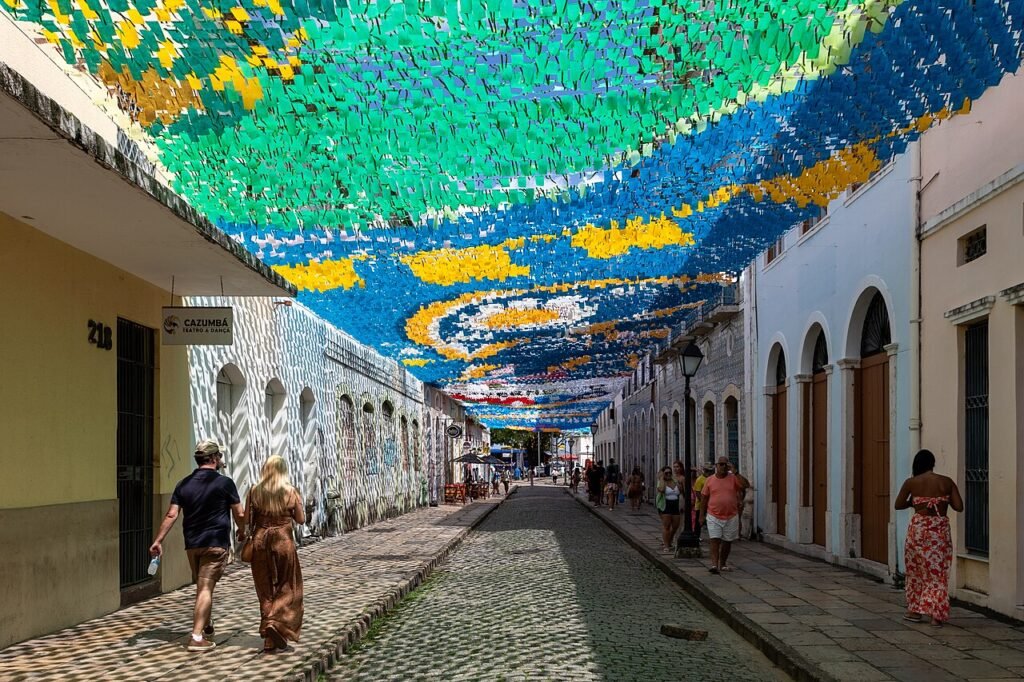
UNESCO World Heritage Sites Near São Luís: The Only French Colonial City in Brazil, the Americas’ Greatest Azulejo Ensemble and the Bumba-meu-boi Festival

UNESCO World Heritage Sites Near São Luís: The Only French Colonial City in Brazil, the Americas’ Greatest Azulejo Ensemble and the Bumba-meu-boi Festival

São Luís do Maranhão, founded by France in 1612 and the only French colonial city in Brazil, was inscribed on the UNESCO World Heritage List in 1997 for its extraordinary concentration of azulejo-tiled colonial facades — more than in any Brazilian city and the densest outside Lisbon itself. The city is served by international and domestic flights and is the gateway to the Lençóis Maranhenses dune and lagoon landscape.

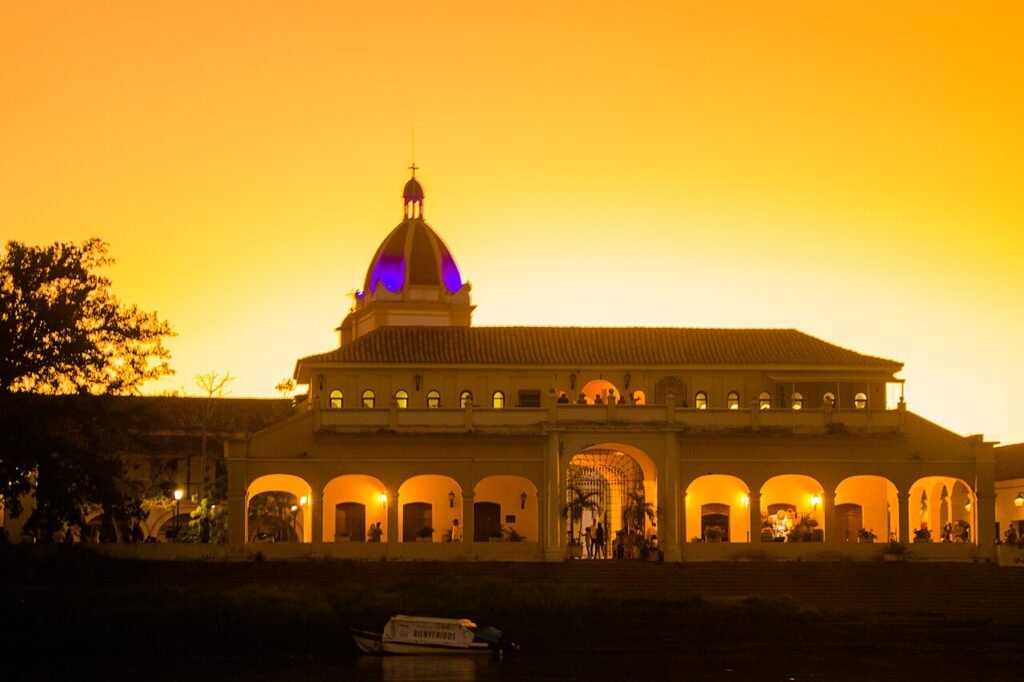
UNESCO World Heritage Sites Near Mompox: García Márquez’s River City, Colonial Filigree Goldsmithing and the Most Solemn Semana Santa in Colombia

UNESCO World Heritage Sites Near Mompox: García Márquez’s River City, Colonial Filigree Goldsmithing and the Most Solemn Semana Santa in Colombia

Mompox (Santa Cruz de Mompox), founded 1537 on a Magdalena River island in Colombia, was inscribed on the UNESCO World Heritage List in 1995 for its intact colonial urban fabric and seven 16th-18th century churches. The town is 250 km from Cartagena (reachable by river+road or light aircraft) and is known for its Semana Santa processions and filigree goldsmith tradition.

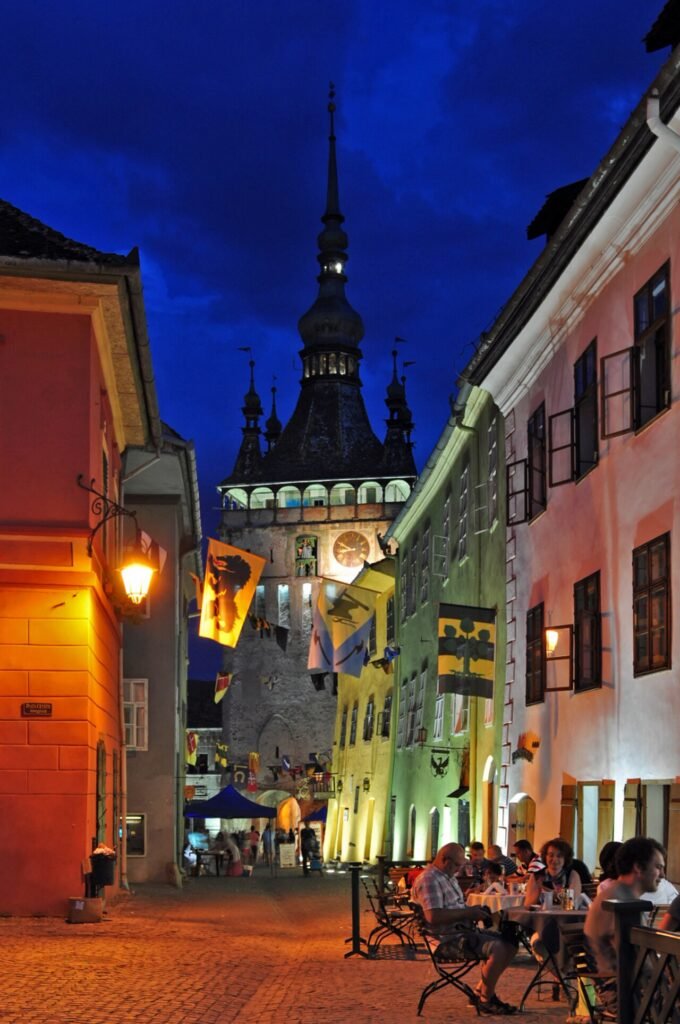
UNESCO World Heritage Sites Near Sighișoara: The Only Inhabited Medieval Citadel in Europe, the Saxon Clock Tower and Vlad the Impaler’s Birthplace in Transylvania

UNESCO World Heritage Sites Near Sighișoara: The Only Inhabited Medieval Citadel in Europe, the Saxon Clock Tower and Vlad the Impaler’s Birthplace in Transylvania

Sighișoara’s medieval Saxon citadel in Transylvania — the only continuously inhabited medieval hilltop citadel in Europe — was inscribed on the UNESCO World Heritage List in 1999. The city is linked by train to Brașov and Cluj-Napoca, and is within 40 km of the UNESCO-listed Fortified Saxon Churches at Biertan, Saschiz, and Valea Viilor.

Scroll to Top