
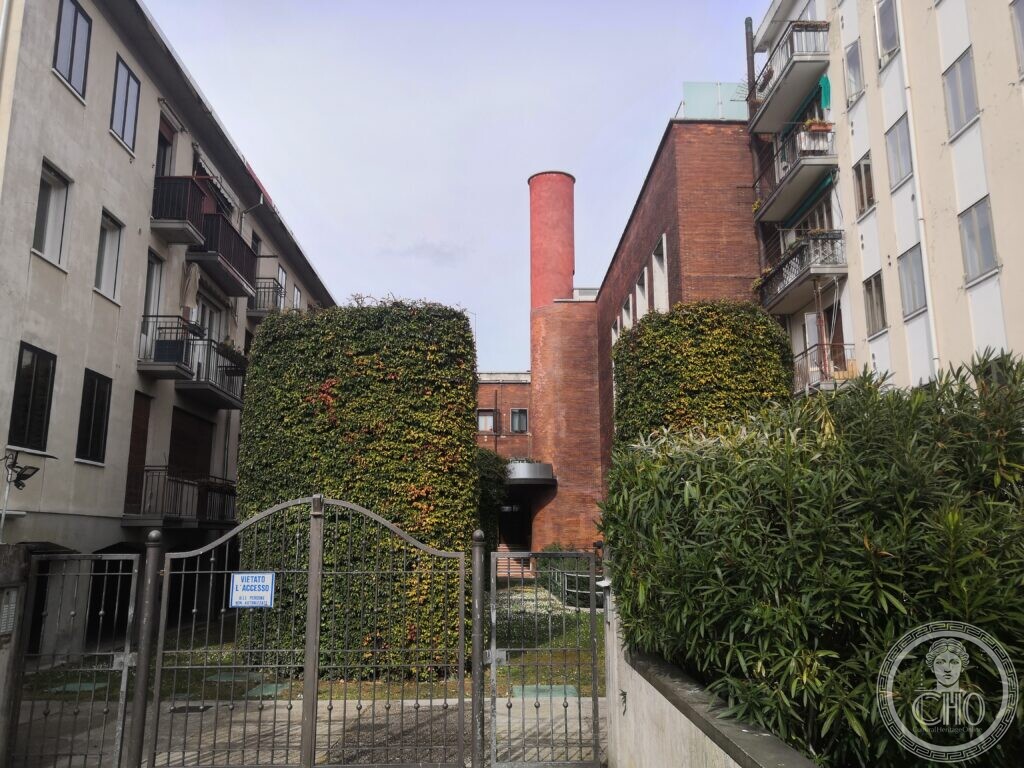
The Centrale Mazzoni — Angiolo Mazzoni’s Heating Plant for Venice Station
The round chimney and the brick block of the former heating plant, between later housing. Photo: Stefano Vigolo, 2022. Venice, […]

The round chimney and the brick block of the former heating plant, between later housing. Photo: Stefano Vigolo, 2022. Venice, […]
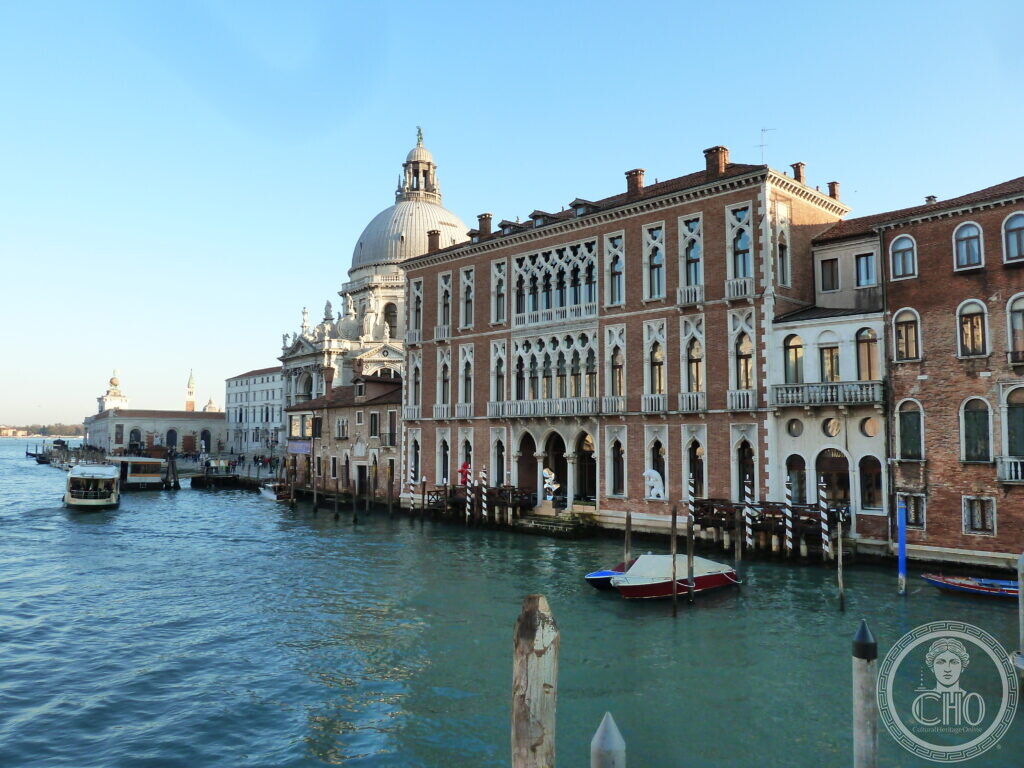
Palazzo Genovese on the Grand Canal, the dome of the Salute behind it. Photo: Stefano Vigolo. Venice, Dorsoduro · 1892
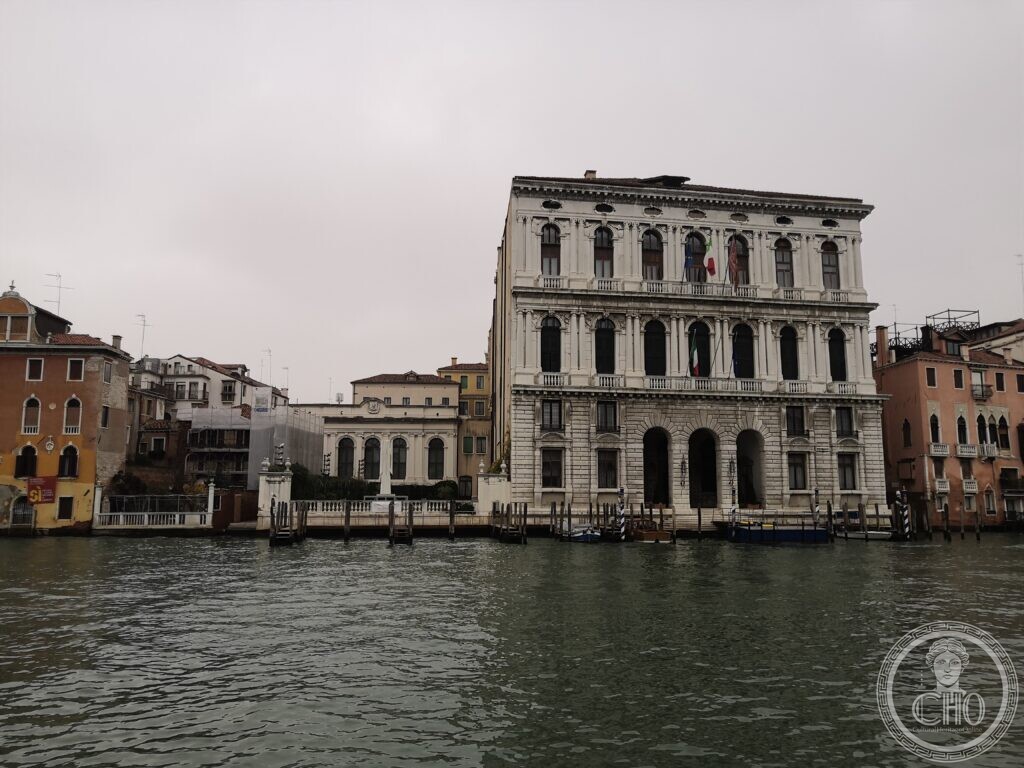
Palazzo Corner della Ca’ Granda across the Grand Canal, the flags of the Prefecture at the windows. Photo: Stefano Vigolo,
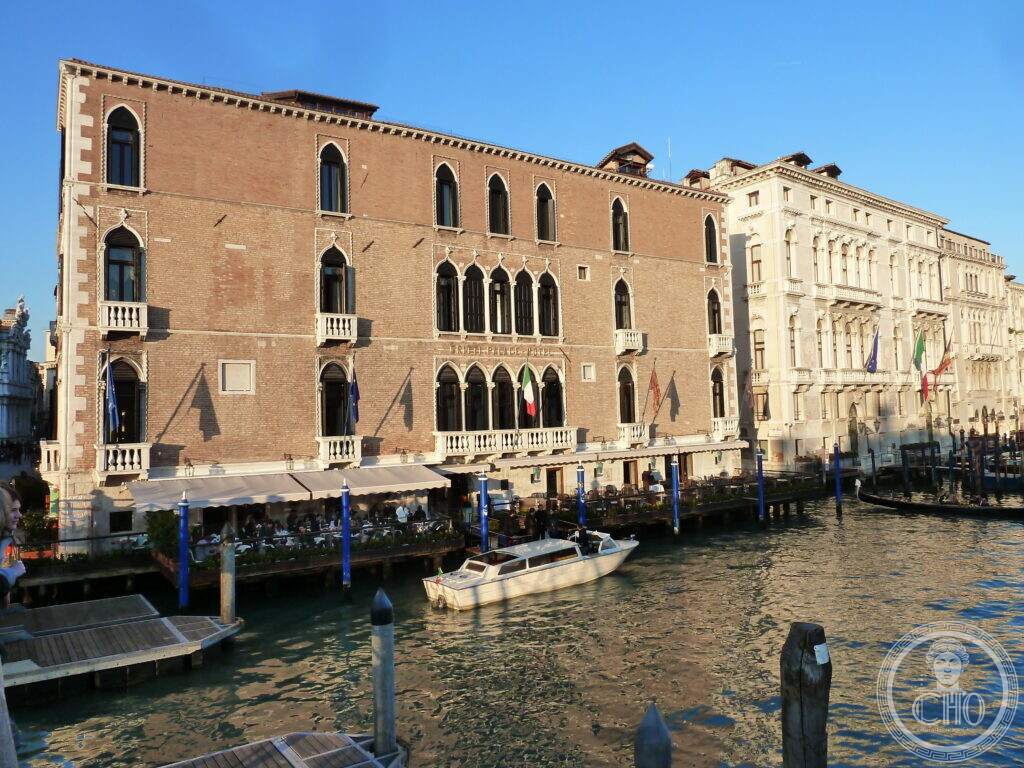
Palazzo Pisani Gritti from the Grand Canal, with the hotel terrace on the water. Photo: Stefano Vigolo. Venice, San Marco
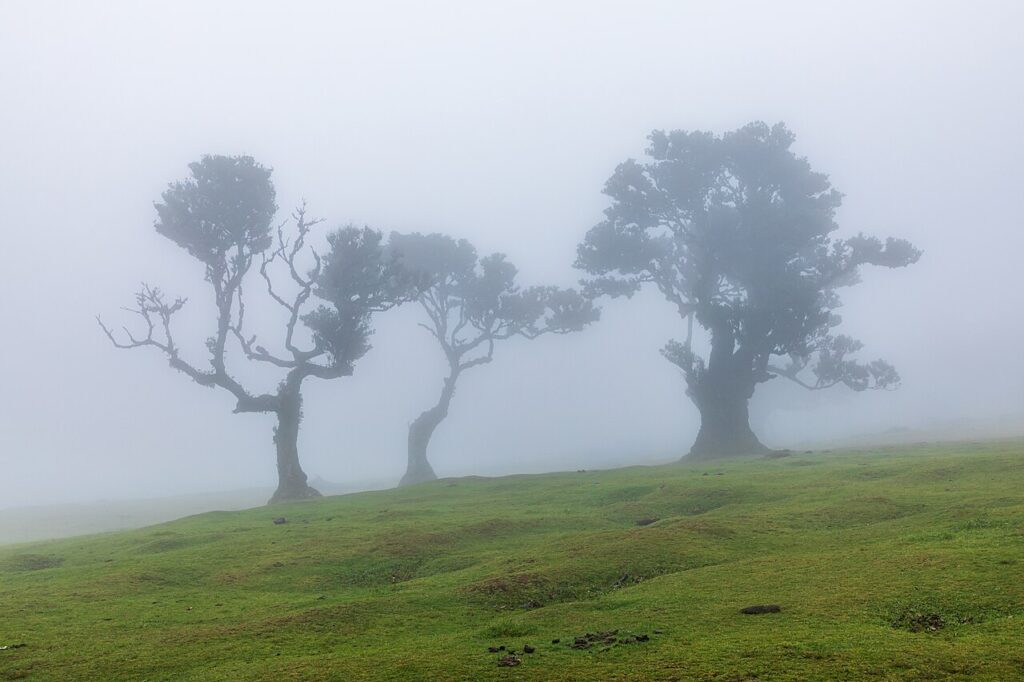
The Laurisilva of Madeira is a UNESCO World Heritage natural site (1999) protecting approximately 15,000 hectares of ancient laurel forest — roughly 90% of all surviving laurissilva on the planet. This relict ecosystem, a remnant of subtropical forests that covered southern Europe during the Pliocene epoch, is accessible via Madeira’s celebrated levada walking paths, which follow centuries-old irrigation channels through the moss-draped canopy. The Trocaz Pigeon, endemic to Madeira, disperses the seeds of the dominant Til trees and is the forest’s ecologically indispensable animal.
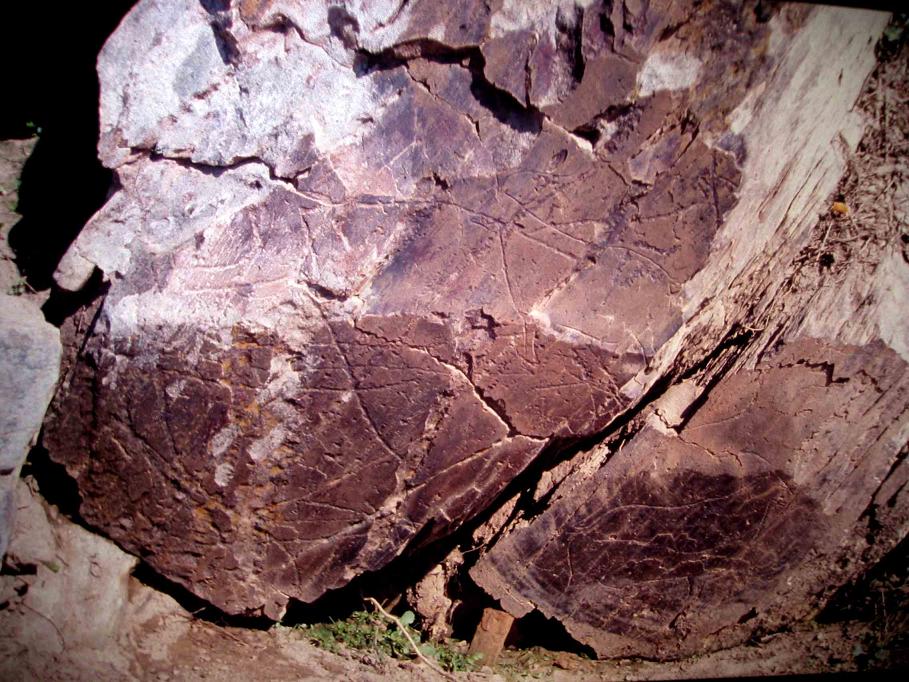
The Côa Valley Archaeological Park in northeastern Portugal protects the largest concentration of open-air Palaeolithic rock art in the world — approximately 1,200 engraved panels of horses, aurochs, and ibex carved into schist bedrock between 22,000 and 10,000 BCE. UNESCO-listed since 1998 and extended to include Siega Verde (Spain) in 2010, the site was saved from flooding after the cancellation of the Foz Côa dam in 1996 following an international campaign. Guided visits depart from the Museu do Côa in Vila Nova de Foz Côa; the Alto Douro Wine Region lies 80 km to the west.
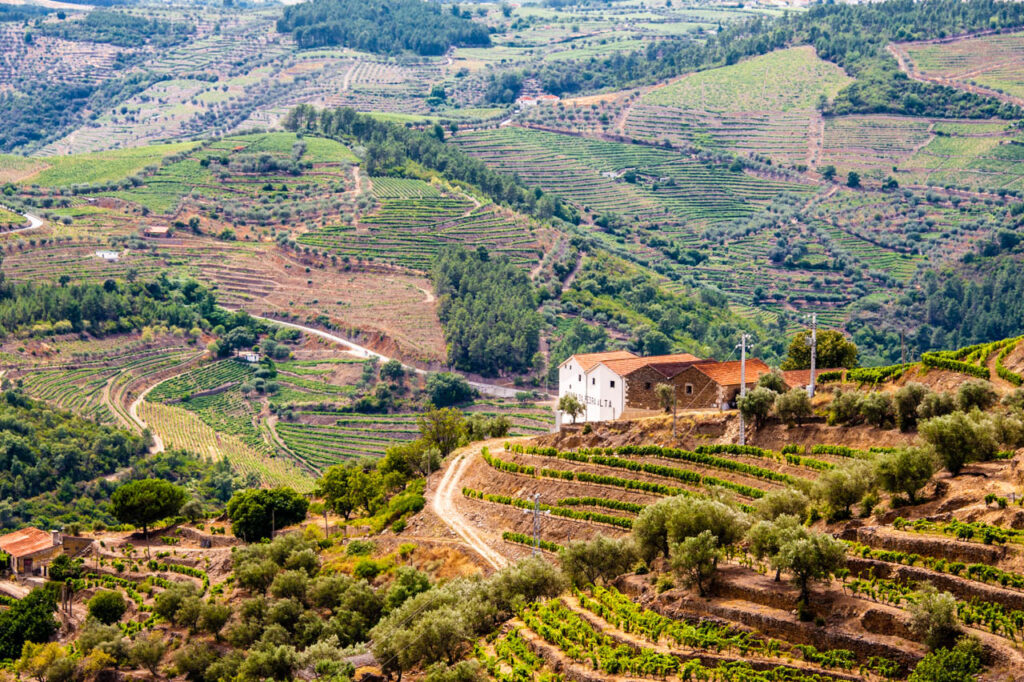
The Alto Douro Wine Region in northeastern Portugal is a UNESCO World Heritage Site (2001) and the world’s oldest officially demarcated wine appellation — a boundary drawn in 1756, 99 years before Bordeaux’s famous classification. The 24,600-hectare landscape of hand-built terraced vineyards (socalcos), historic quintas, and the scenic Douro Line railway stretches between Mesão Frio and Barca d’Alva, producing Port wine and an increasingly prominent range of dry table wines from over 80 indigenous grape varieties.
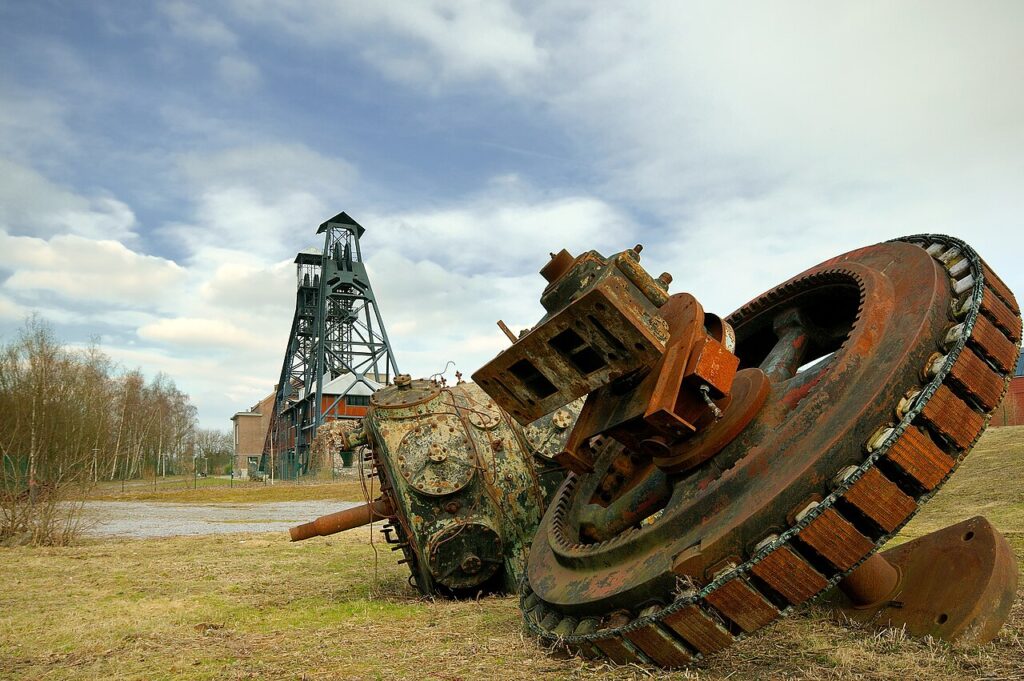
The Major Mining Sites of Wallonia — Grand-Hornu, Bois-du-Luc, Bois du Cazier, and Blegny-Mine — are a UNESCO World Heritage Site inscribed in 2012 as documents of the first industrial revolution on the European continent. The Bois du Cazier in Marcinelle is the site of the 1956 mining disaster that killed 262 men from thirteen countries and directly triggered the European Coal and Steel Community’s first common mine safety standards.
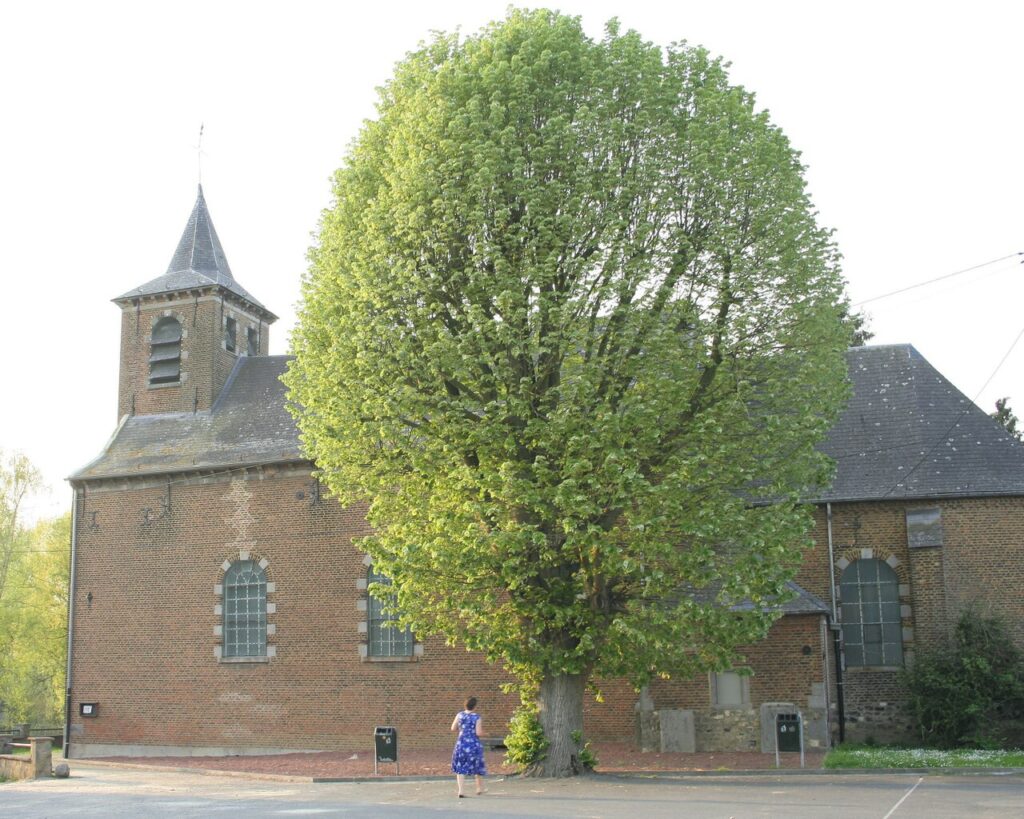
The Neolithic Flint Mines at Spiennes near Mons are the oldest and largest prehistoric mining complex in north-western Europe — 100 hectares of chalk terrain containing approximately 100,000 mine shafts dug between 4,300 and 2,800 BCE. UNESCO-listed since 2000, the site produced flint axes that have been found in southern England and the Rhine Valley, evidence of organised long-distance trade operating 6,000 years before the current era.
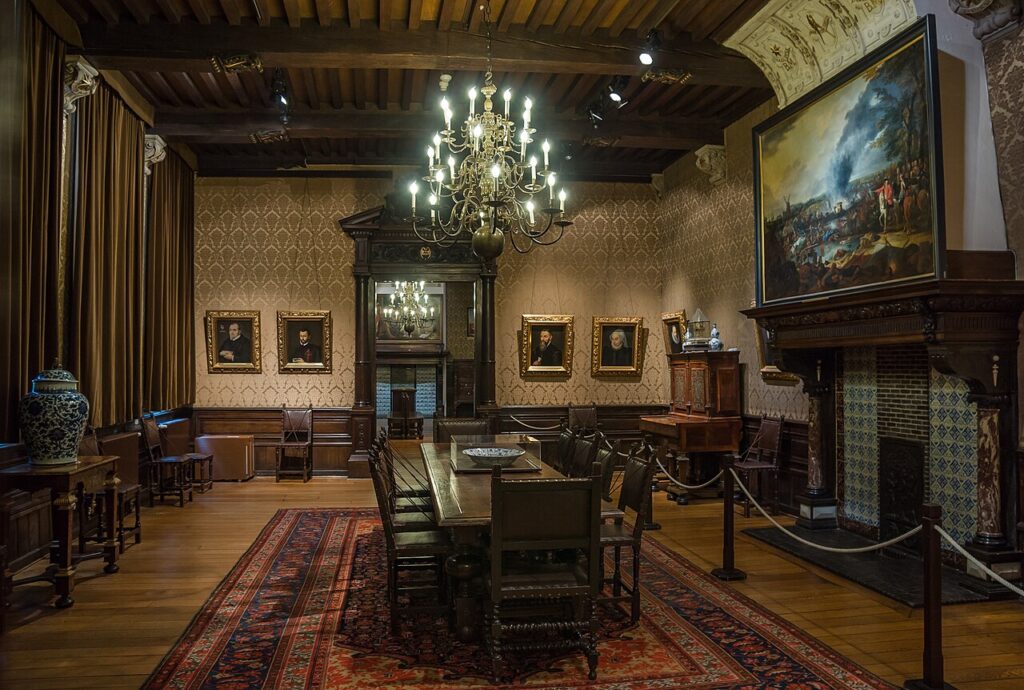
The Museum Plantin-Moretus in Antwerp is the world’s only intact 16th-century printing house — a UNESCO World Heritage Site since 2005 — containing the two oldest surviving European printing presses, the archive of a publisher who produced the first 8-language Bible for Philip II of Spain, and a first edition of Thomas More’s Utopia. The Moretus family preserved the house, presses, type, and correspondence for three centuries before selling it to the City of Antwerp in 1876 with nothing dispersed.