
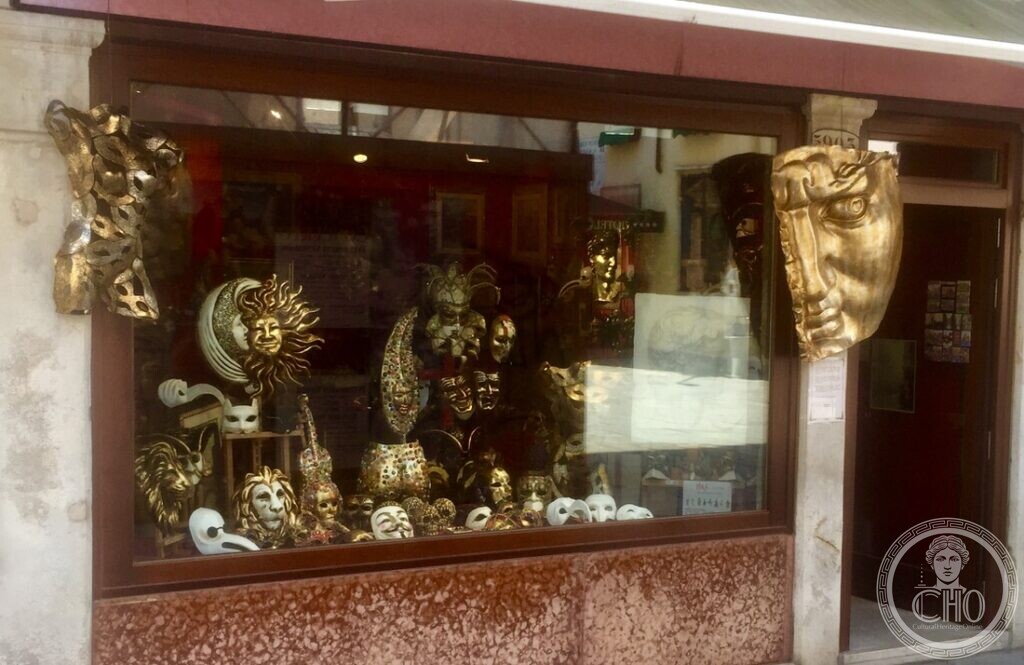
Calle Seconda del Cristo — Traditional Mask Makers and Domestic Venice in Castello
Calle Seconda del Cristo in Castello showcases authentic Venetian papier-mâché mask making alongside the timeless charm of residential laundry drying overhead.

Carla Szathvary writes on Italian Liberty and Art Nouveau, and manages partnerships and media relations for Cultural Heritage Online.
Contributions: 13 articles · 146 heritage places · 2,569 events · 256 photographs
Published on beniculturalionline.it, the Italian archive of this publication, online since 1998. They are being brought into Cultural Heritage Online.

Calle Seconda del Cristo in Castello showcases authentic Venetian papier-mâché mask making alongside the timeless charm of residential laundry drying overhead.
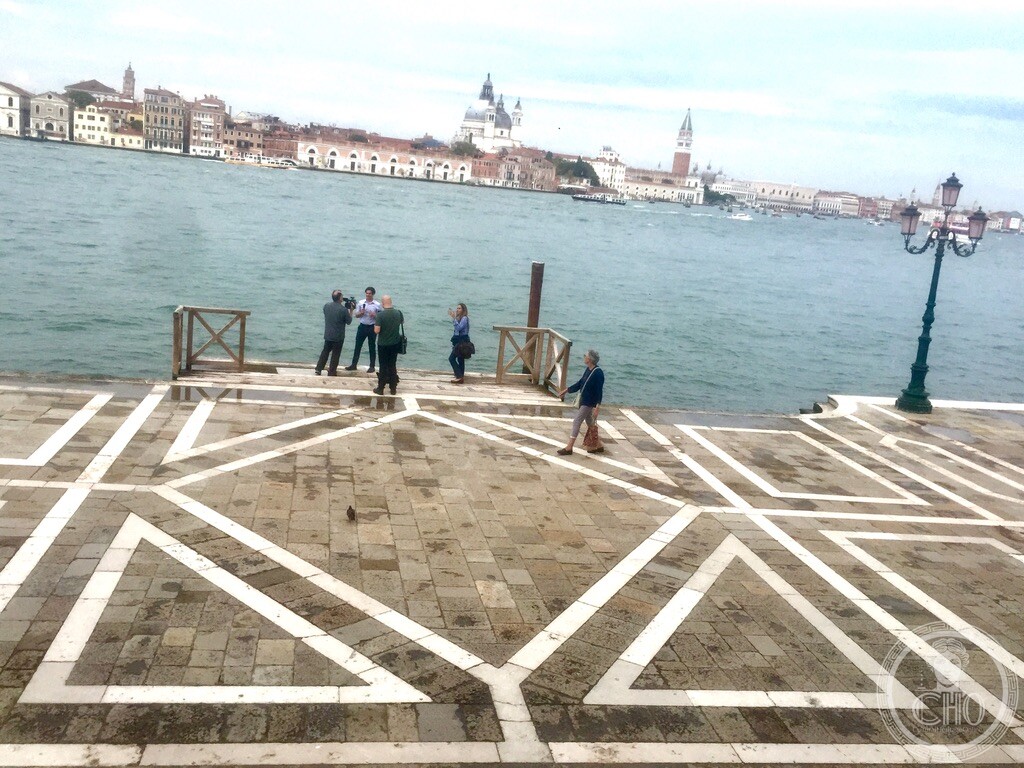
Erected after the catastrophic plague of 1575–1577, Andrea Palladio’s Chiesa del Santissimo Redentore on the Giudecca is a triumph of classical geometry and the home of Venice’s greatest annual festival.
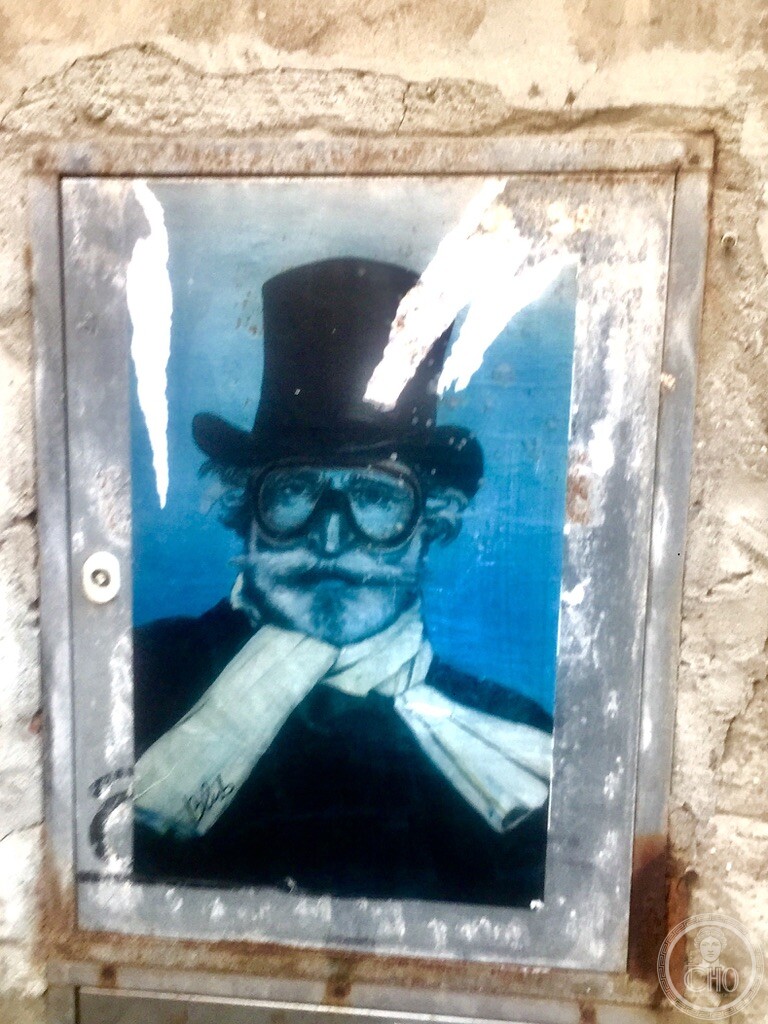
Campo San Basegio in Dorsoduro pairs quiet university life with poignant contemporary street art, featuring Blub’s submerged ‘L’arte sa nuotare’ paste-up and poetic portal stencils.
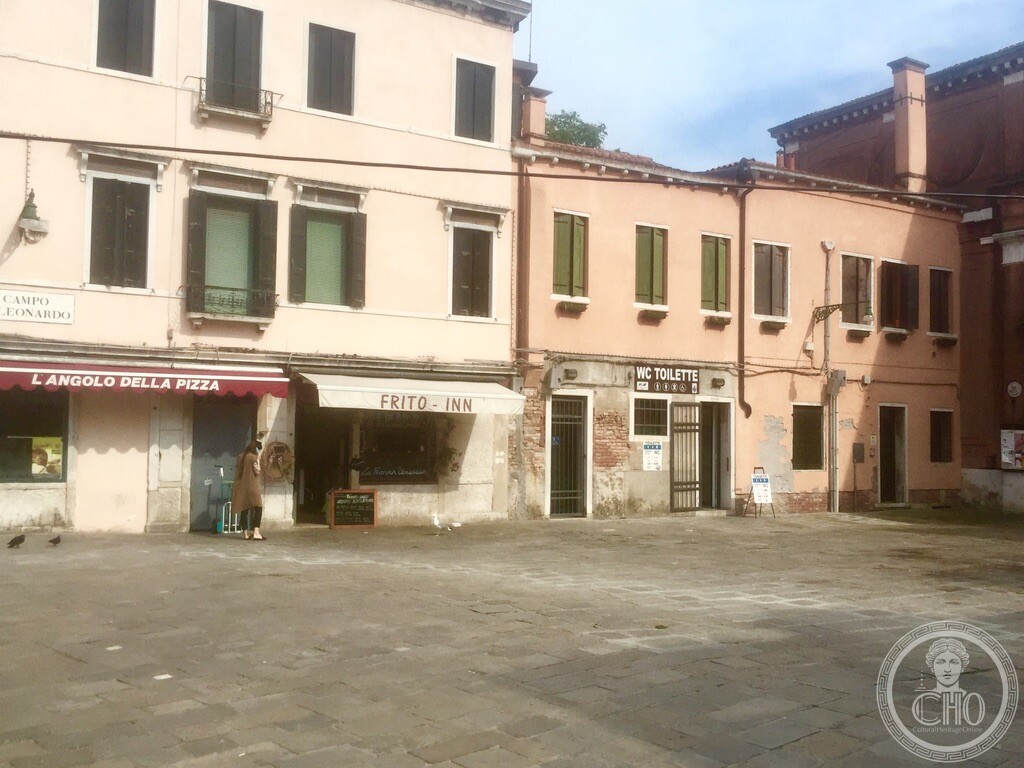
Enlarged when an ancient canal was paved over, Campo San Leonardo in Cannaregio combines an 11th-century church with daily market life and authentic fried seafood.
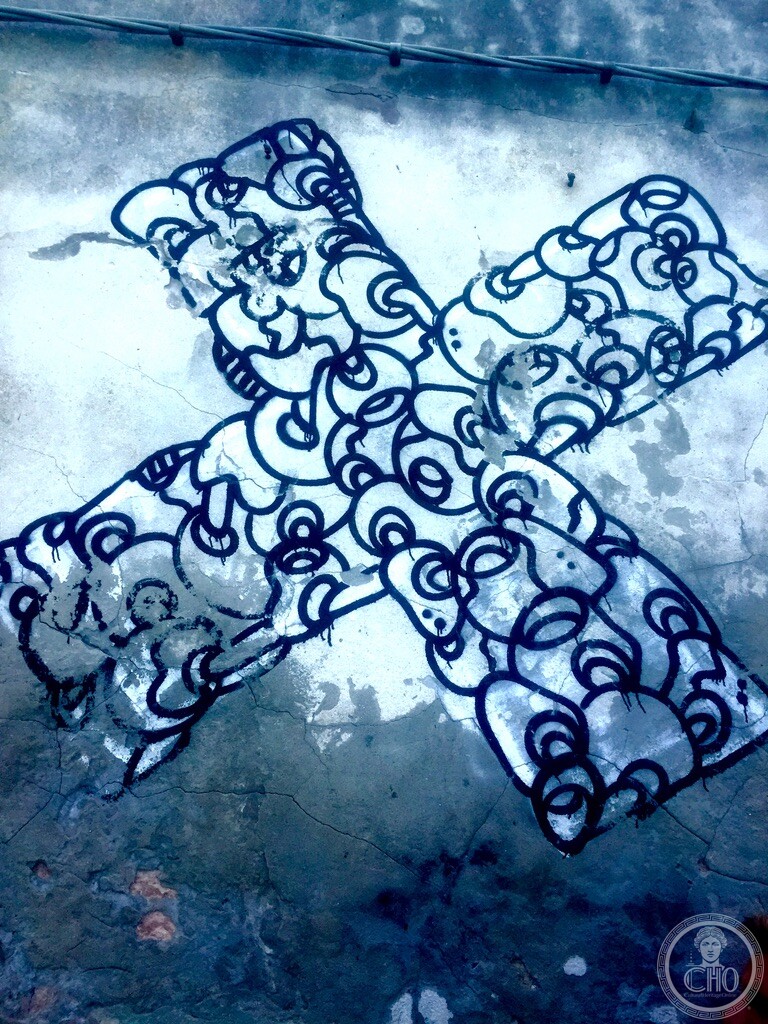
In an abandoned building on Fondamenta San Giacomo in Giudecca, an intricate black-and-white mural highlights Venice’s post-industrial underground art culture.
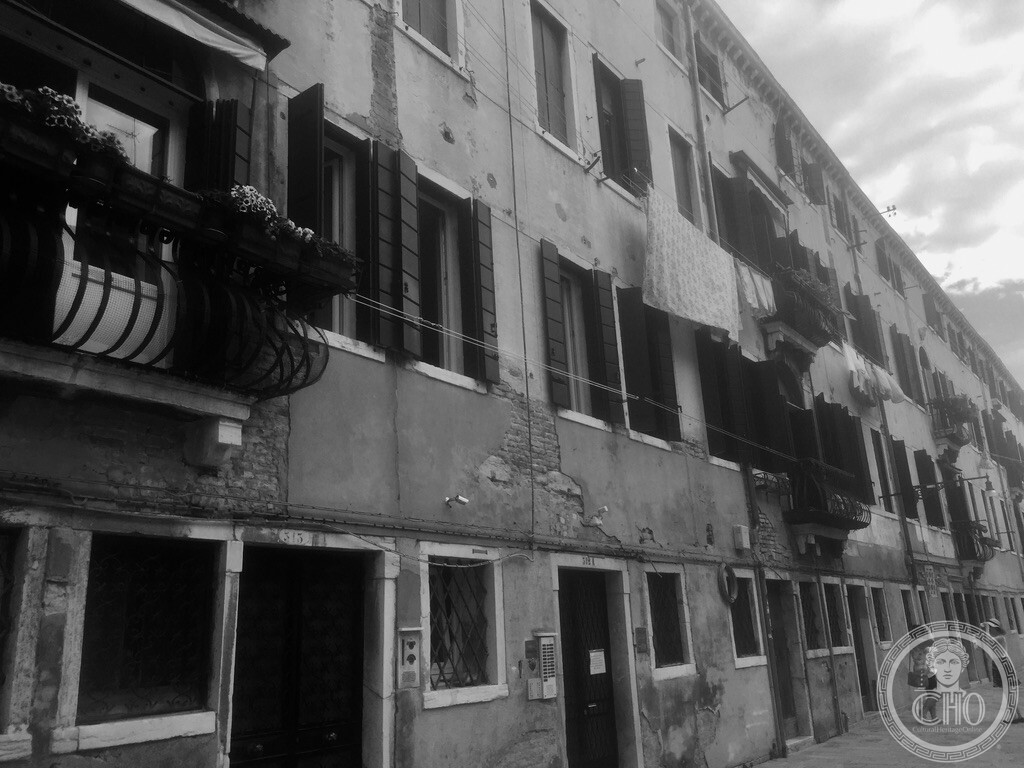
Flanking Rio de Santa Maria Maggiore in quiet Santa Croce, Fondamenta Rizzi shows authentic residential Venice with fluttering laundry and rooftop altane.
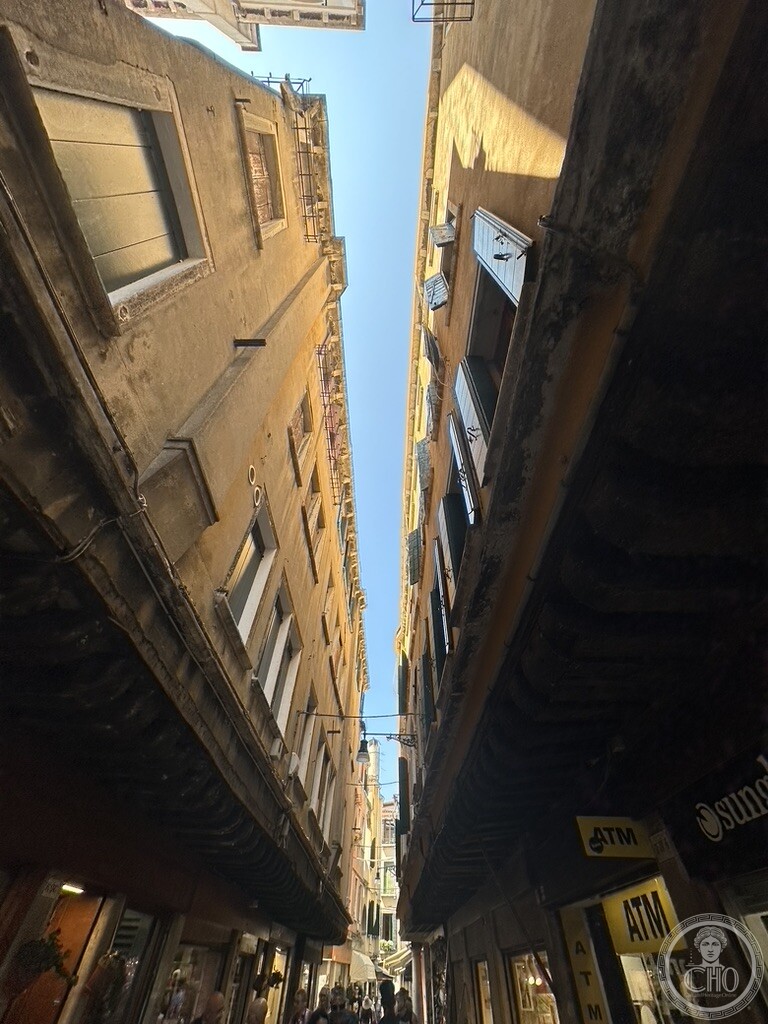
Connecting Rialto with Campo San Polo, Ruga Vecchia San Giovanni features medieval cantilevered wooden barbacani that expanded living quarters outward over the busy merchant street.
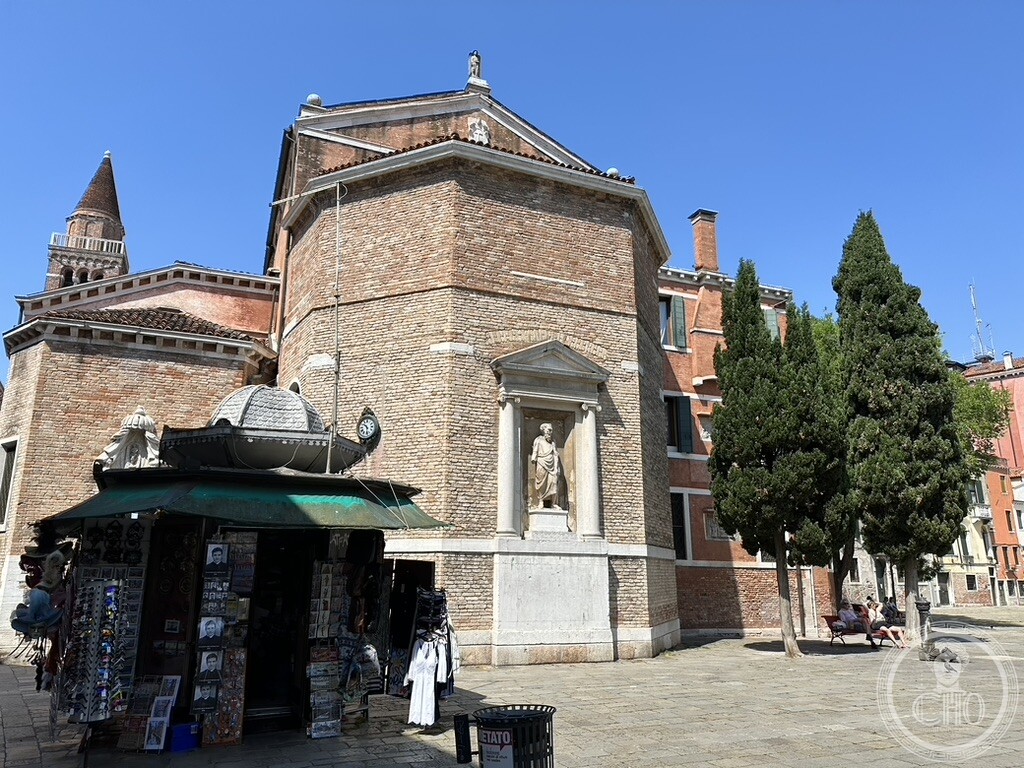
The largest open square in Venice after Piazza San Marco, Campo San Polo was the Republic’s venue for bull-baiting and carnival, guarded by an ancient church with a 1611 anti-blasphemy decree.

Santa Maria dei Miracoli is an Early Renaissance masterpiece by Pietro Lombardo, celebrated for its exquisite polychrome marble revetments, coffered wooden barrel vault, and canal-side setting.
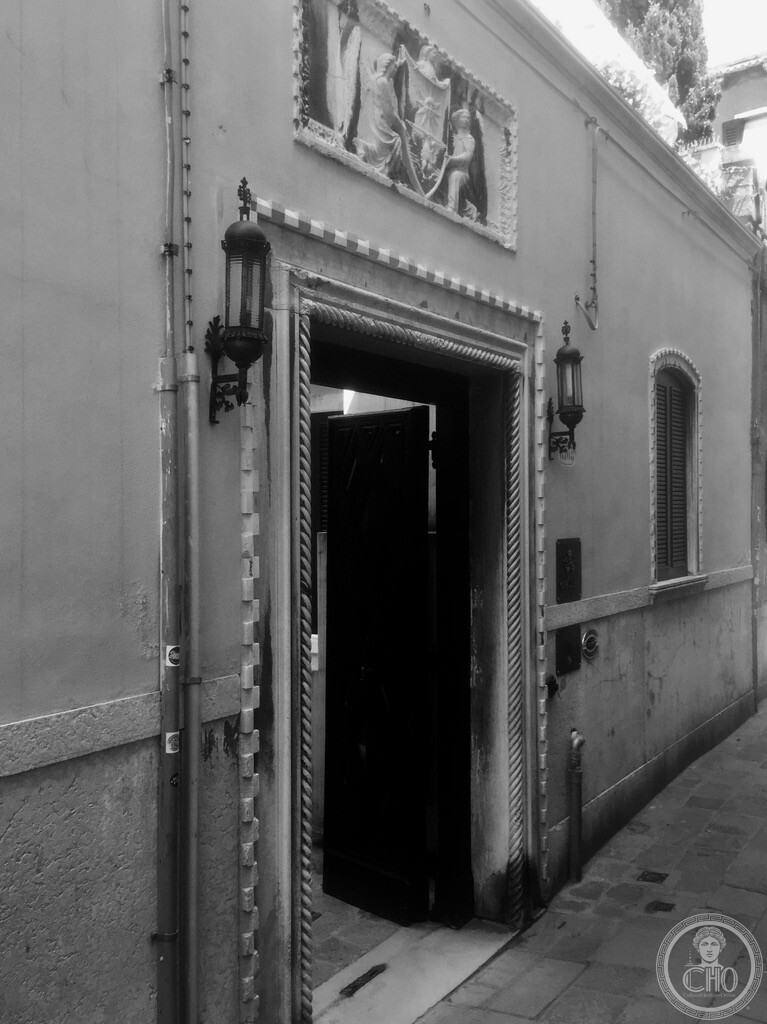
Palazzo Valier is a 16th-century ducal residence in Castello overlooking Rio di Santa Marina, famous for its carved rope-moulded stone portal and angel-supported armorial plaque.