
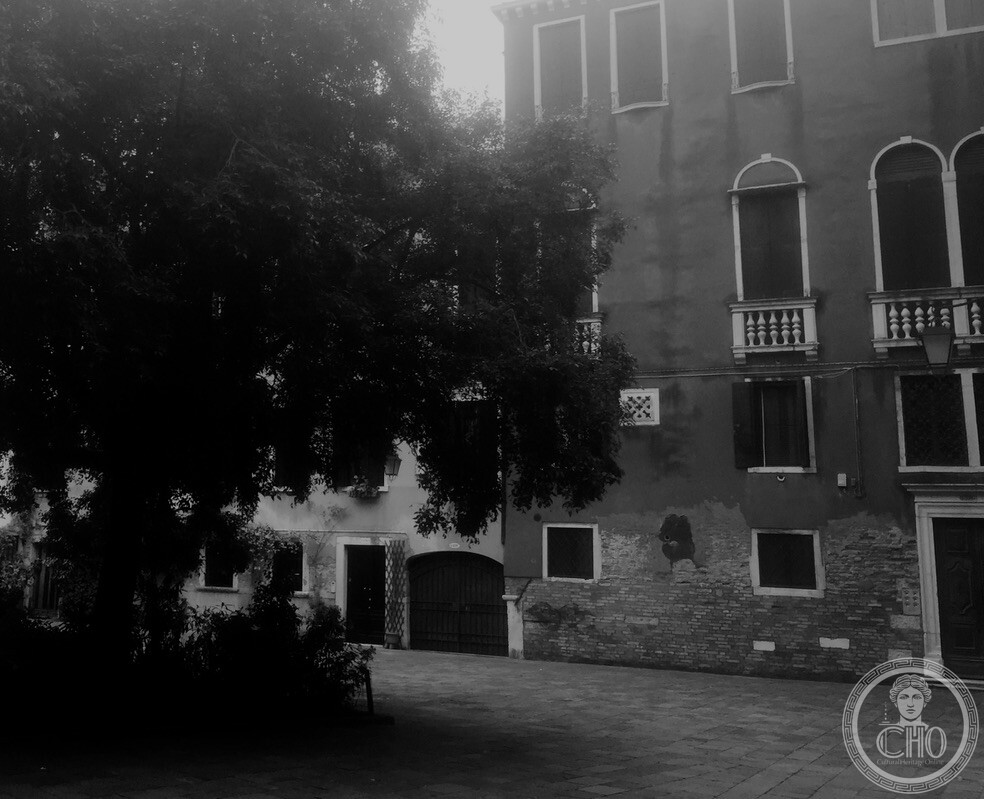
Campiello de la Cason — A Shaded Secluded Courtyard in Cannaregio
Campiello de la Cason is a peaceful, leafy residential square in Cannaregio, celebrated for its mature shade tree, Gothic palazzo facades, and antique bronze door knockers.

Carla Szathvary writes on Italian Liberty and Art Nouveau, and manages partnerships and media relations for Cultural Heritage Online.
Contributions: 13 articles · 146 heritage places · 2,570 events · 256 photographs
Published on beniculturalionline.it, the Italian archive of this publication, online since 1998. They are being brought into Cultural Heritage Online.

Campiello de la Cason is a peaceful, leafy residential square in Cannaregio, celebrated for its mature shade tree, Gothic palazzo facades, and antique bronze door knockers.
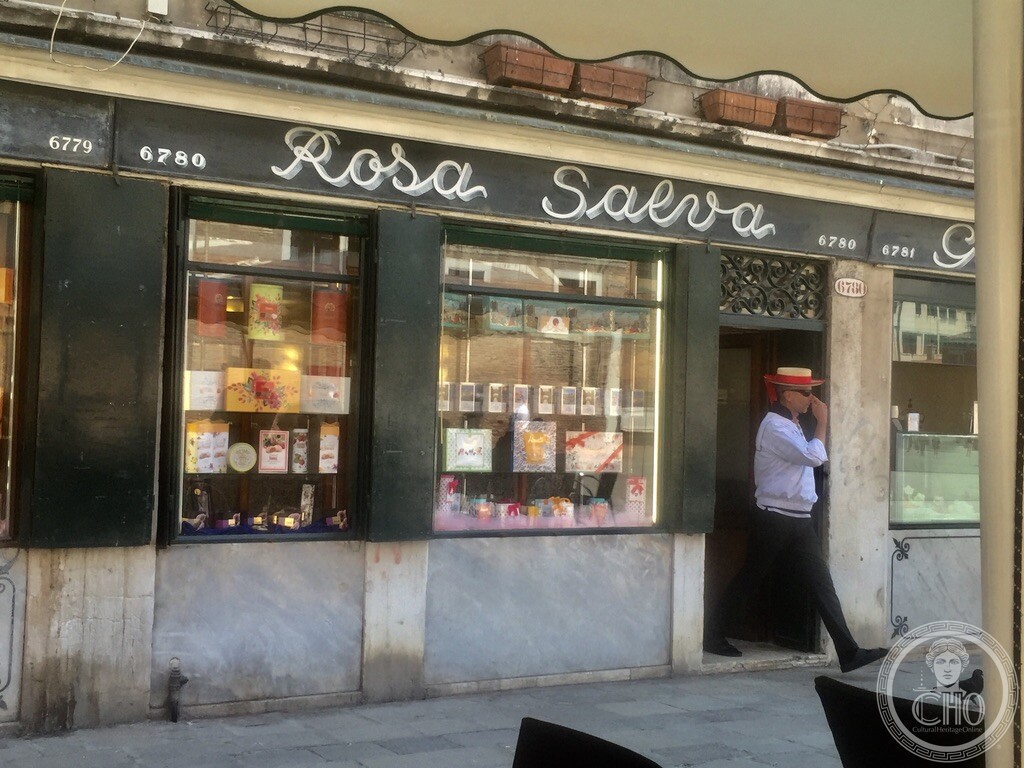
Pasticceria Rosa Salva (established 1879) in Campo Santi Giovanni e Paolo is one of Venice’s most celebrated historic bakeries, famous for traditional pastries, cicchetti, and terrace views.
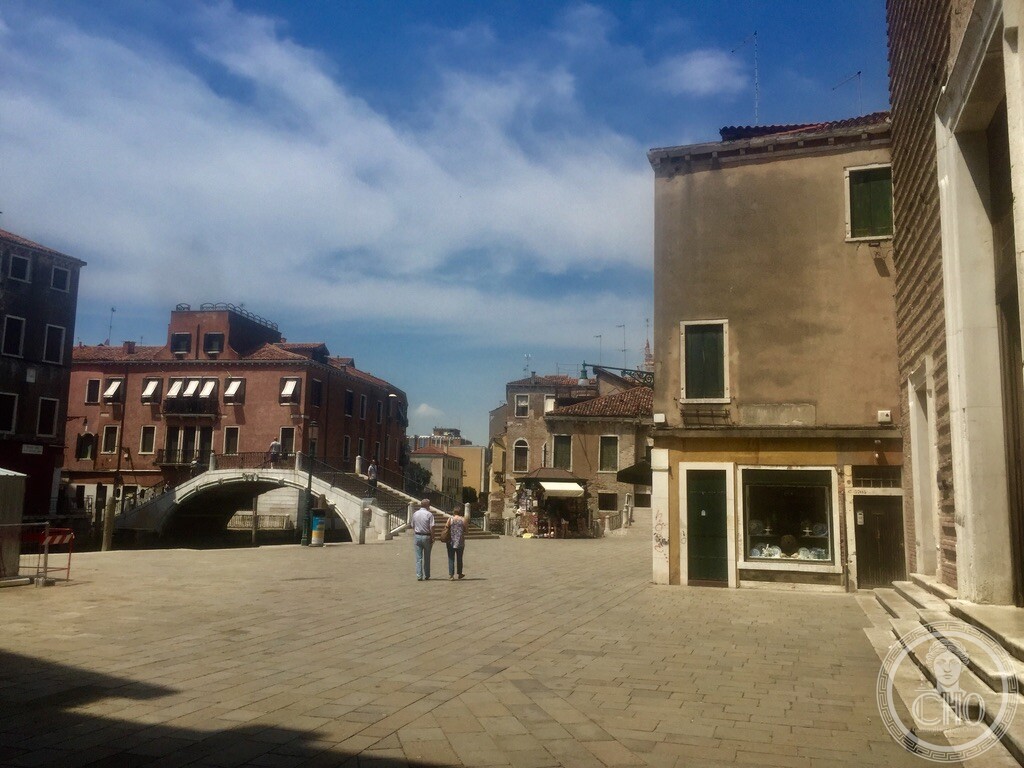
Campo San Pantalon connects Dorsoduro and San Polo, dominated by the unfinished brick church of San Pantalon housing Gian Antonio Fumiani’s colossal 443 m² ceiling canvas.

Campo Santo Stefano is one of Venice’s grandest and sunniest public squares, bordered by Palazzo Loredan (Istituto Veneto), Palazzo Pisani (Conservatorio Marcello), and the Gothic church of Santo Stefano.

Campo Santi Giovanni e Paolo (San Zanipolo) is one of Venice’s grandest monumental public squares, home to the Dominican Basilica, the Scuola Grande di San Marco, and Verrocchio’s Colleoni statue.
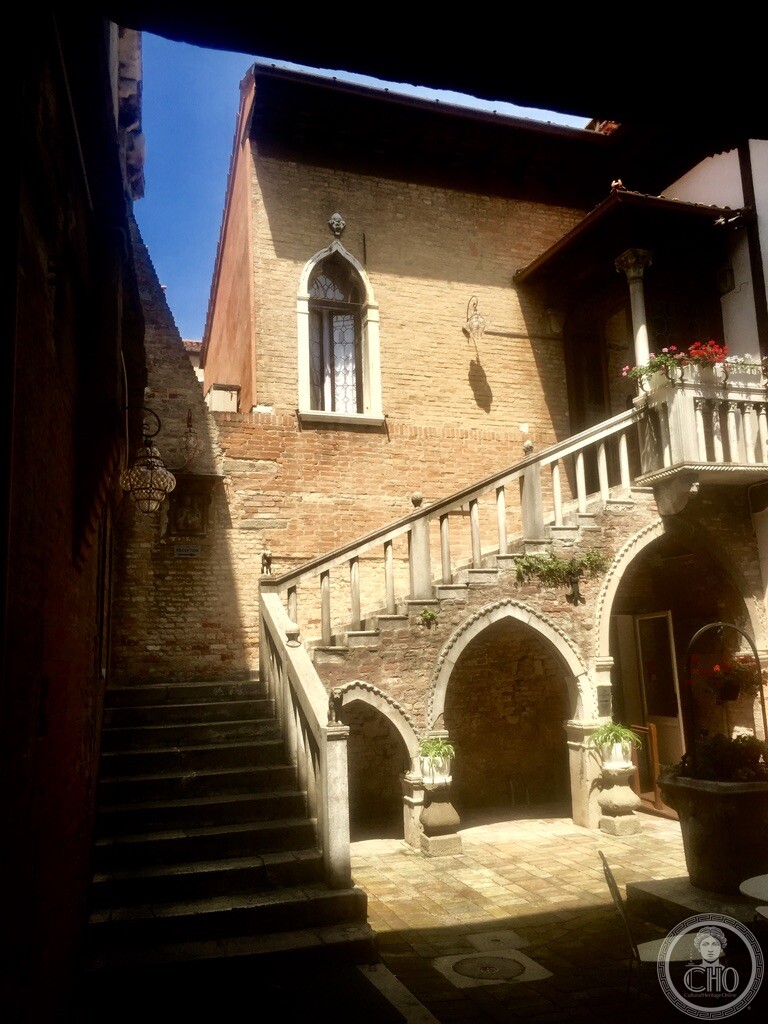
Palazzetto Corner (Ca’ Nobile Corner) in Campo Santa Margherita preserves one of the most evocative 15th-century Gothic courtyards in Dorsoduro, featuring an intact open-flight stone staircase.
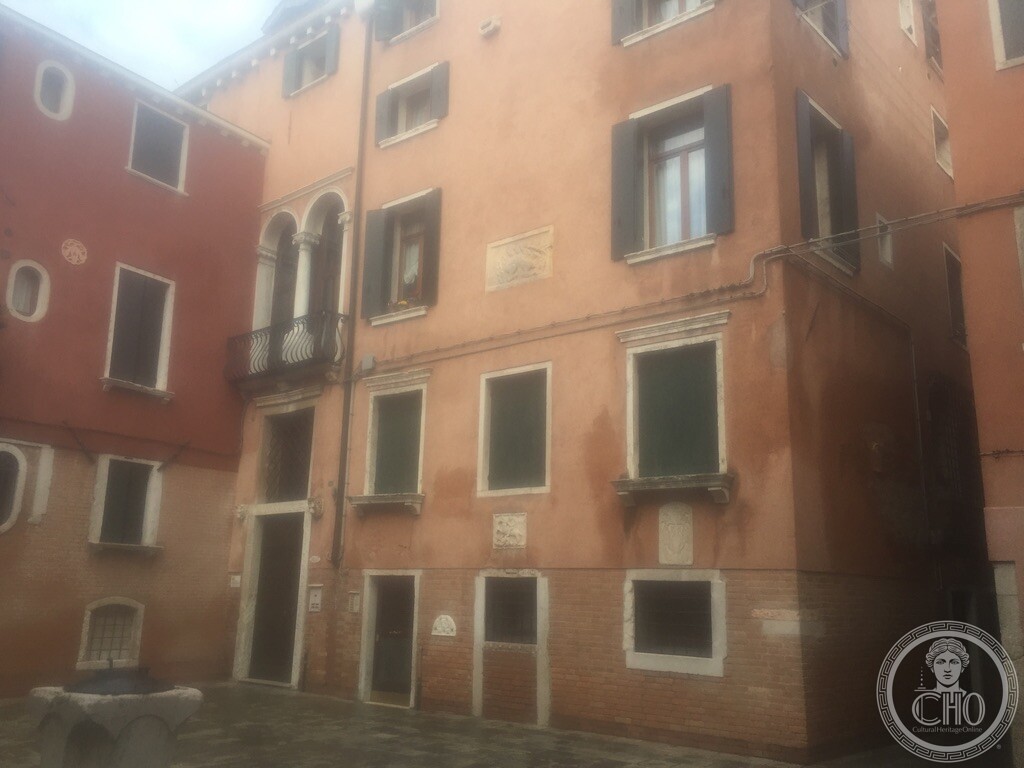
A secluded residential courtyard in Venice’s Castello sestiere featuring an ancient Istrian stone wellhead, a Renaissance relief of Saint George and the Dragon, and the carved portal of Palazzo Bollani Erizzo.
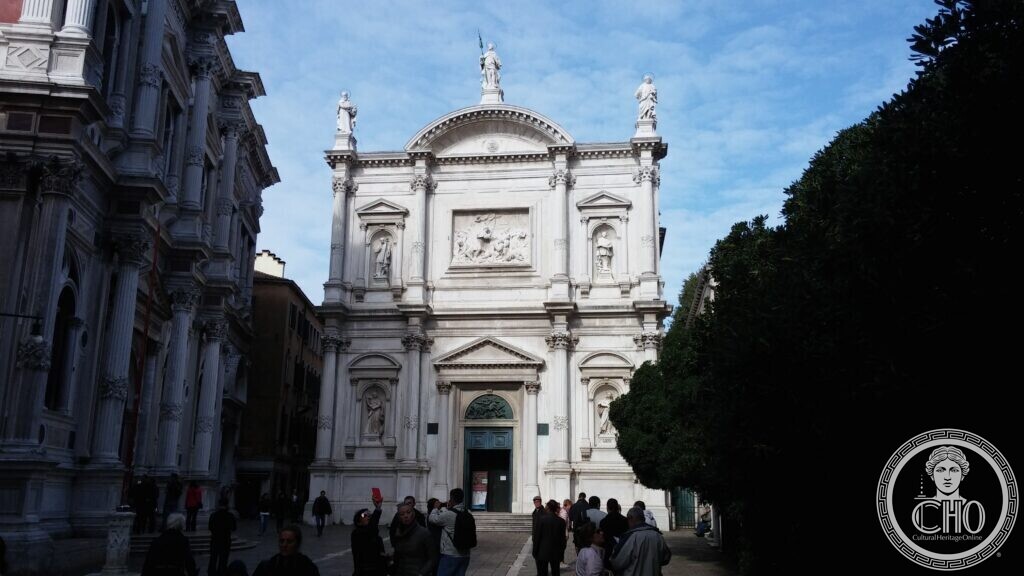
Bernardino Maccaruzzi’s front of 1765–1769, which answers the Scuola Grande standing a few metres to its left. Photo: Stefano Vigolo.
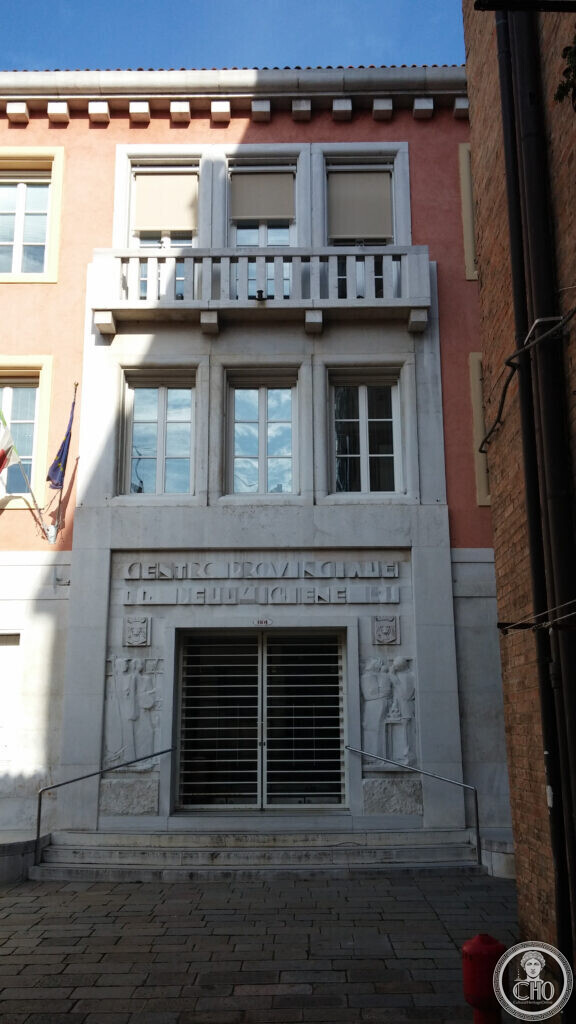
The entrance at Campo de la Lana: a stone frame cut into a plastered wall, with a carved relief on
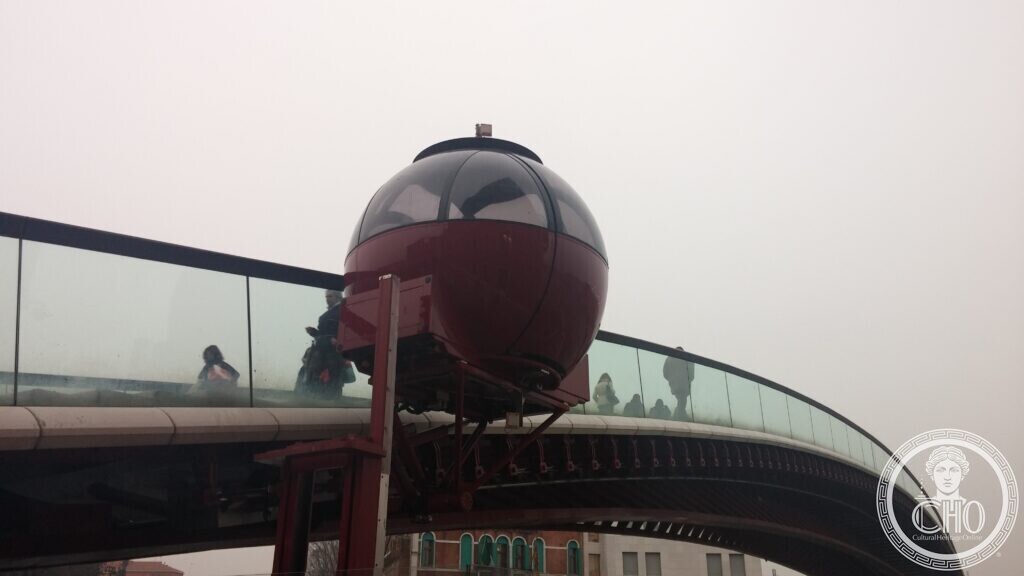
The bridge in February fog, with the red cabin of the accessibility lift parked at the far end — four