
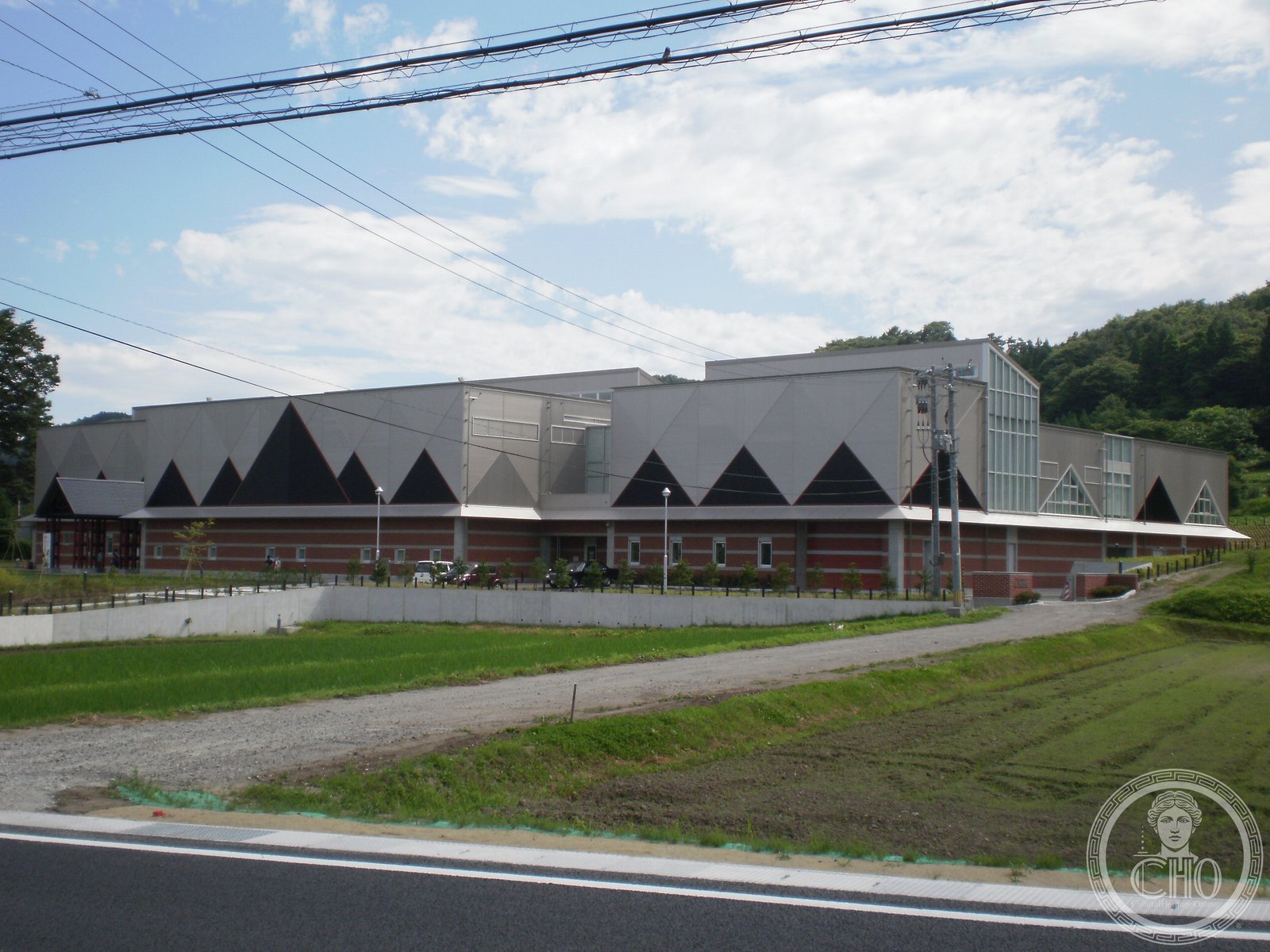
An archaeological window into Jōmon life, this northern Japanese settlement reveals how hunter-gatherers lived during the middle to late Stone Age, millennia before agriculture transformed the archipelago.
At a glance
The Korekawa Site preserves the remains of a Jōmon period settlement spanning from roughly 3000 to 1000 BC. Located in Hachinohe, Aomori Prefecture, it offers vital evidence of daily life during Japan’s longest cultural period.
History
The settlement flourished during the middle to late Jōmon period, an era when Japan’s population lived by hunting, fishing, and gathering. The Japanese government recognized the site’s archaeological importance by designating it a National Historic Site in 1957, cementing its role in understanding pre-agricultural Japanese society.
What you see
The site contains archaeological remains rather than standing structures. Excavations have revealed artifacts and settlement patterns typical of Jōmon habitation, though details of specific finds are not documented here. The designation as a historic site signals the preservation of these remains for ongoing study.
Cultural significance
The Korekawa Site documents a critical phase in Japanese prehistory. The Jōmon period—lasting over ten millennia—represents one of the world’s earliest complex hunter-gatherer societies, and sites like Korekawa illuminate how these communities organized, hunted, and survived in Japan’s varied landscapes.
Key facts
- Country: Japan
- City: Hachinohe, Aomori Prefecture
- Period: Jōmon (3000–1000 BC)
- Coordinates: 40.474528, 141.49125
- Status: National Historic Site (designated 1957)
Practical information & getting there
You can reach Hachinohe by train or car from Tokyo or other major cities in northern Honshu. Contact the Hachinohe municipal government or local tourism board for current visiting hours and any site restrictions. A visit is best combined with other archaeological museums in the Tōhoku region.
Sources & resources
Find it on the map
See this place and what’s around it →📷 Become a Cultural Heritage Online photographer
Share your photos of places: they stay published under your name as the author. The more they're seen, the more you get noticed — and soon a contest will reward the most appreciated photos.
Log in or sign up free to add a photoIs this page about you?
This page is read by travellers and heritage enthusiasts who find it on Google. Tell us how you are connected to this place and we will take it from there.