

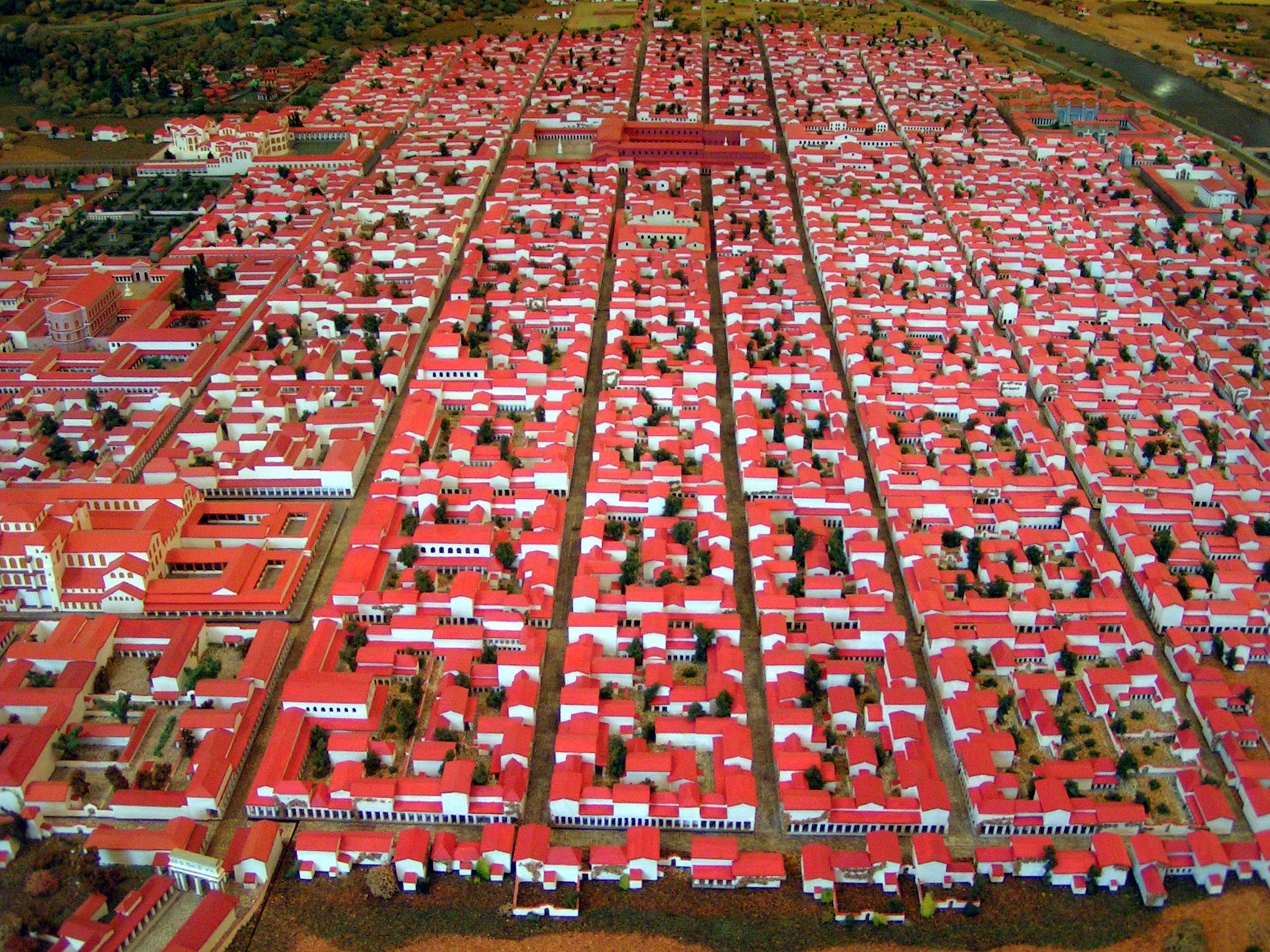
Trier’s extraordinary ensemble of Roman remains and medieval churches testifies to two pivotal chapters in European history: its status as an imperial capital during Rome’s division, and its emergence as a spiritual centre in the early Middle Ages.
At a glance
A UNESCO-listed complex of interconnected monuments spanning Roman administrative grandeur and medieval Christian architecture. The site encompasses the Imperial Palace, Aula Palatina, Imperial Thermae, Cathedral of St Peter, and Church of Our Lady, along with remnants of fortification, bridges, and domestic structures.
History
Trier rose to prominence as one of four imperial capitals during the Tetrarchy, when Rome divided its vast territories among co-rulers. This period saw the construction of palatial complexes and civic infrastructure that ranked among the empire’s finest.
Following Rome’s collapse, the city transformed into a major ecclesiastical hub during the early Holy Roman Empire. The Cathedral of St Peter and Church of Our Lady, built atop earlier structures, embodied this spiritual ascendancy. The site was recognised as a UNESCO World Heritage Site in 1986, and in 2009 featured on a commemorative golden 100-Euro coin.
What you see
The remains of the Imperial Palace command immediate attention through their sheer scale. The Aula Palatina, a monumental hall of singular proportions, survives as one of Europe’s largest intact Roman structures.
Roman Trier’s other treasures include the Imperial Thermae (bathing complex), an amphitheatre, storehouses, and defensive walls. Funerary monuments showcase exceptional artistry. The later medieval Cathedral and Church of Our Lady incorporate Roman foundations and materials, creating a material continuity visible in their stonework and ground plans.
Cultural significance
Trier exemplifies the political architecture of imperial division. The concentration and quality of its preserved monuments document Roman daily life with unusual density—from governance and leisure to commerce and death.
The city’s craftsmanship in funerary art, pottery, glasswork, and metalwork left prolific evidence. The layering of Roman and medieval building demonstrates how Christian centres often inherited and repurposed pagan infrastructure, a pattern that shaped medieval European urbanism.
Key facts
- Country: Germany
- City: Trier
- Coordinates: 49.75°N, 6.63°E
- UNESCO World Heritage Site: Inscribed 1986
Practical information & getting there
Trier is located in western Germany, near the Luxembourg border, accessible by train and car. The monuments are distributed throughout the city centre; the Cathedral and Church of Our Lady stand in the Altstadt (old town). Detailed opening hours and admission fees are available through local tourism websites. A comprehensive visit requires several hours to appreciate both Roman excavations and medieval churches.
Sources & resources
Find it on the map
See this place and what’s around it →
📷 Become a Cultural Heritage Online photographer
Share your photos of places: they stay published under your name as the author. The more they're seen, the more you get noticed — and soon a contest will reward the most appreciated photos.
Log in or sign up free to add a photoIs this page about you?
This page is read by travellers and heritage enthusiasts who find it on Google. Tell us how you are connected to this place and we will take it from there.