
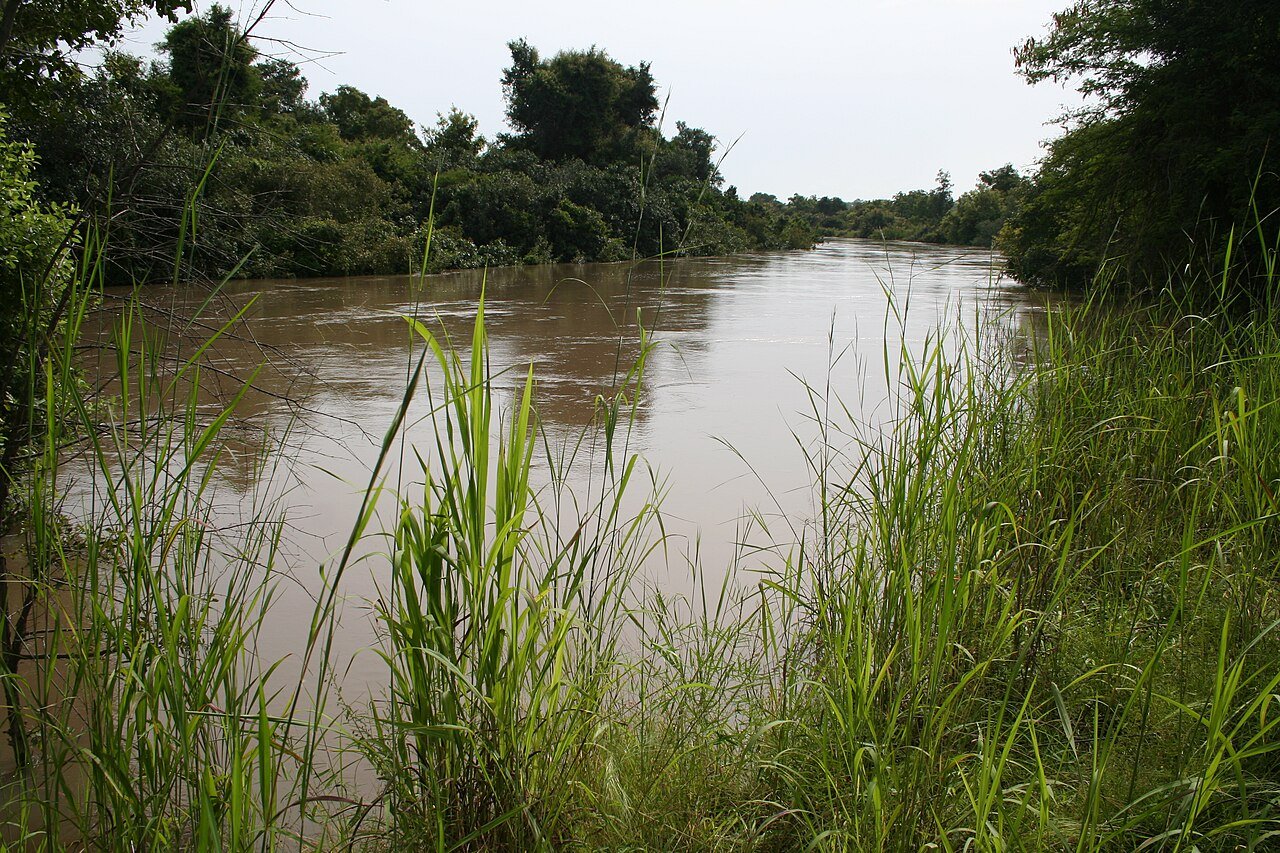
A Transboundary Wilderness in the Heart of West Africa
The W-Arly-Pendjari Complex is one of the most significant protected ecosystems in West Africa, spanning the borders of Burkina Faso, Benin, Niger, and Togo. Covering approximately 2.8 million hectares of Sudano-Sahelian savannah, gallery forest, and riparian woodland, it represents the largest and most intact block of terrestrial ecosystems remaining in the region. The complex takes its name from three of its core components: the W National Park (so named for the W-shaped bend of the Niger River), the Arly National Park in Burkina Faso, and the Pendjari National Park in Benin. Together they form a contiguous wildlife corridor of extraordinary ecological value, inscribed as a UNESCO Natural World Heritage Site in 1996 with extensions recognised in 2017.
Wildlife: Lions, Elephants, and Africa’s Most Threatened Species
The W-Arly-Pendjari Complex hosts one of the last viable populations of lion (Panthera leo) in West Africa, with an estimated 300 to 400 individuals distributed across the complex — representing roughly 90 percent of the entire West African lion population. Alongside lions, the savannah supports African elephant herds, hippopotamus along the river banks, the critically endangered African wild dog, cheetah, leopard, and roan antelope. The biodiversity inventory also includes buffalo, kob, hartebeest, oribi, and warthog, making this the most species-rich terrestrial habitat in the sub-region. The presence of such a complete predator-prey guild is exceptional for West Africa, where decades of unregulated hunting had eliminated large carnivores from most protected areas.
W National Park: The Anchor of the Complex
Established in 1954 and shared between Burkina Faso, Benin, and Niger, the W National Park forms the western anchor of the complex. The distinctive W-bend of the Niger River defines both the landscape and the park’s name, creating a mosaic of seasonally flooded grasslands, laterite plateaux, and dense gallery forest along watercourses. This diversity of habitats within a single park drives extraordinary species richness. The park is managed under a tripartite agreement and serves as a vital dry-season refuge for elephant and buffalo populations that move between all three countries depending on water and forage availability. The floodplains attract vast concentrations of waterbirds during the wet season, adding an important ornithological dimension to the reserve.
Pendjari National Park: Benin’s Crown Jewel
The Pendjari National Park in northern Benin is widely regarded as the best-managed component of the entire complex and has served as a model for conservation partnerships in West Africa. Covering approximately 480,000 hectares, Pendjari takes its name from the Pendjari River, which forms the border with Burkina Faso and provides a permanent water source for wildlife year-round. Since 2017, management of Pendjari has been entrusted to African Parks, a conservation NGO, in partnership with the Beninese government. This arrangement has produced measurable improvements in anti-poaching patrols, wildlife monitoring, and ranger welfare. Pendjari now offers some of the most reliable lion and cheetah sightings in the Sahel region.
Arly National Park: Burkina Faso’s Eastern Wilderness
Arly National Park in southeastern Burkina Faso connects the W and Pendjari components of the complex, forming the geographical and ecological bridge that makes the transboundary corridor function as a unified ecosystem. The park covers around 760,000 hectares and encompasses terrain ranging from rocky inselbergs rising above the savannah plain to seasonal wetlands and permanent waterholes that concentrate wildlife during the dry season. Elephant movements between Arly, W, and Pendjari are tracked by researchers using GPS collars, providing critical data on habitat use patterns and the effectiveness of the wildlife corridor. Arly also hosts important populations of kob, roan antelope, and baboon, and the park boundary encompasses several traditional villages whose communities have historically depended on the adjacent land.
Conservation Threats: Poaching, Climate, and Pressure on Borders
Despite its UNESCO status and its international recognition, the W-Arly-Pendjari Complex faces severe conservation threats. Poaching, driven by demand for bushmeat and ivory, remains the most immediate danger to wildlife populations across all three national parks. In Burkina Faso and Niger, deteriorating security conditions linked to Sahel insurgencies have made ranger operations increasingly dangerous and have forced the temporary evacuation of field staff from some zones. Climate change is altering rainfall patterns, intensifying dry seasons, and reducing the permanence of waterholes that wildlife depends on. Encroachment by agropastoral communities along park borders is an ongoing pressure, particularly in areas where buffer zone management has broken down. The complex was placed on the UNESCO List of World Heritage in Danger in 2016 due to poaching and governance challenges.
Transboundary Management and International Cooperation
The governance of the W-Arly-Pendjari Complex represents one of the most ambitious transboundary conservation experiments in Africa. The WAP (W-Arly-Pendjari) management framework coordinates the policies and field operations of three national governments — Burkina Faso, Benin, and Niger — with financial and technical support from the European Union, the French Development Agency, and international NGOs including African Parks and the IUCN. The framework establishes joint patrol zones, shared data systems, and harmonised regulations on resource extraction in buffer zones. Community-based conservation programmes engage villages bordering the parks in wildlife monitoring, eco-guard training, and sustainable livelihood development to reduce dependence on poaching and illegal grazing. Effective transboundary governance is the long-term prerequisite for the complex’s survival.
Visiting the W-Arly-Pendjari Complex
Access to the complex varies significantly by country and by security conditions. Pendjari National Park in Benin is the most visitor-ready component, with an established lodge infrastructure, trained guides, and reliable game viewing circuits along the Pendjari River. The best wildlife viewing season runs from December to May, when the dry season concentrates animals around permanent water sources and grass cover is low enough to allow sightings. Visitors typically fly into Cotonou and then travel by road to Natitingou, the nearest town to the Pendjari entrance. Independent travel is possible but guided tours booked through Benin-based operators are strongly recommended, particularly for lion tracking. Visitors to the W Park access via Niger or Burkina Faso, though current security advisories for those countries require careful assessment before planning travel.
Find it on the map
See this place and what’s around it →📷 Become a Cultural Heritage Online photographer
Share your photos of places: they stay published under your name as the author. The more they're seen, the more you get noticed — and soon a contest will reward the most appreciated photos.
Log in or sign up free to add a photo