
The Galápagos of the Orient
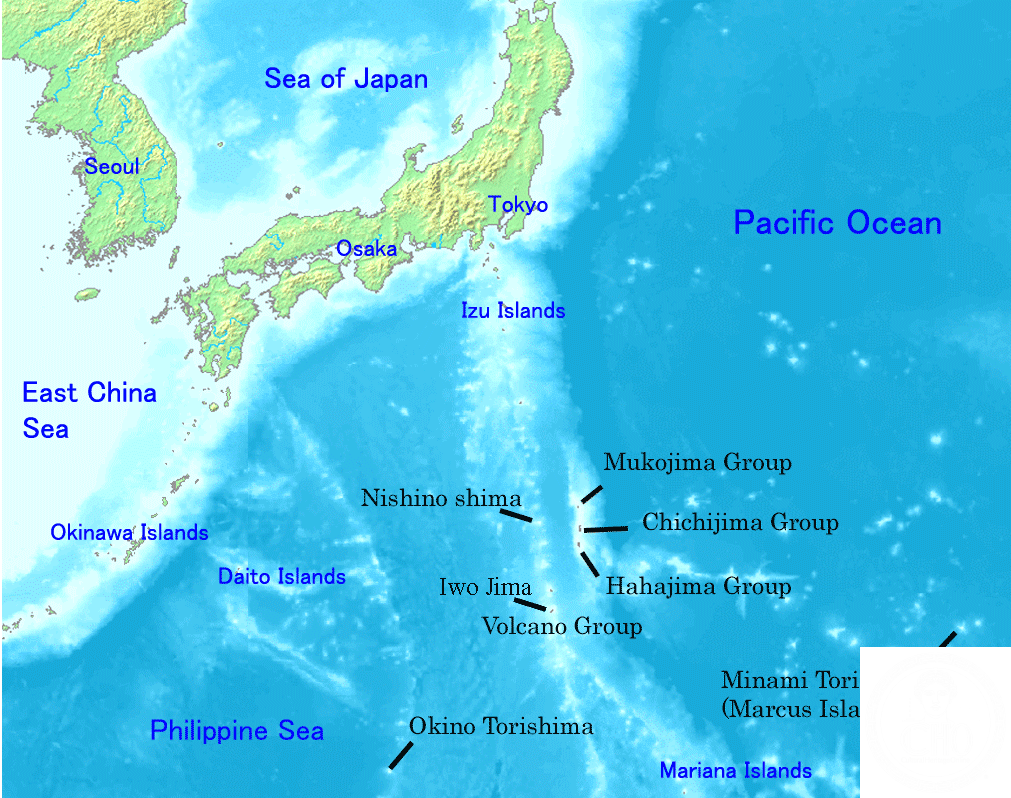
About 1,000 kilometres south of Tokyo, the Ogasawara Islands — also known as the Bonin Islands — rise from the open Pacific as one of the world's most isolated archipelagos. Because the islands were never connected to any continental landmass, every species that arrived here came by wind, wave, or wing, then evolved in complete isolation. The result is a living laboratory for Darwinian evolution that UNESCO recognised as a natural World Heritage Site in 2011, conferring on it the informal title “Galápagos of the Orient”.
Geological Origins and Volcanic Landscape
The archipelago consists of more than 30 subtropical islands formed by oceanic volcanic activity. The rugged terrain features steep sea cliffs, densely forested ridges, and clear turquoise bays. Chichijima and Hahajima are the two main inhabited islands; the rest remain pristine and largely off-limits to unguided visitors. The volcanic substrate and the surrounding deep-ocean setting contribute to the extreme isolation that has driven the archipelago’s remarkable evolutionary divergence.
A Living Laboratory of Evolution
Because the Ogasawara Islands were never connected to any continental landmass, every ancestral species that colonised them arrived by long-distance dispersal — carried by ocean currents, high-altitude winds, or migrating birds. Once established, populations were cut off from their source populations and evolved independently over millions of years. This process, known as adaptive radiation, has produced divergence rates comparable to those of the Galápagos, making Ogasawara a textbook case study for island evolutionary biology and a site of exceptional scientific value.
Endemic Species — Flora and Fauna
The islands support over 440 endemic plant species, representing more than 70 percent of the native vascular flora. Among land snails, 195 of the known species are found nowhere else, forming one of the densest concentrations of snail endemism in the world. Bird life includes the Bonin petrel, the Bonin flying fox, and several endemic subspecies of white-eye. The Ogasawara Islands are also home to the critically endangered Bonin Islands grosbeak, last definitively recorded in the 20th century, making ongoing monitoring a conservation priority.
The Boaswood and Silver Forest
The native forest of the Ogasawara Islands is dominated by boaswood (Pisonia) and a variety of subtropical species collectively known as the “silver forest” for the pale underside of their leaves, which shimmer in the Pacific breeze. These forests, found on ridge crests and steep slopes where invasive species have not yet penetrated, represent the climax vegetation of the islands and shelter the most endangered endemic fauna. Restoration programmes are actively clearing invasive plants such as Lantana camara and replacing them with propagated native seedlings.
Marine Ecosystems and Coral Reefs
The waters surrounding the Ogasawara Islands are part of the Kuroshio Current system and support exceptionally clear, nutrient-rich seas. Coral reefs fringe the island shores, and the waters are home to humpback whales, sperm whales, bottlenose dolphins, and hawksbill sea turtles, which nest on the islands’ white-sand beaches. The marine environment is largely undisturbed by commercial fishing within the World Heritage zone, and the combination of warm oligotrophic open-ocean water and productive reef fringe creates a diversity of habitats from the surface to the deep sea floor.
Human History and Settlement
Unlike most Pacific island groups, the Ogasawara Islands were uninhabited when first sighted by European and Japanese navigators in the 16th and 17th centuries. Formal settlement began only in 1830, when a small group of Western and Pacific Islander adventurers established a community on Chichijima. Japan asserted sovereignty in 1876 and developed the islands through the Meiji period. During World War II the islands saw intense fighting; after the war they were administered by the United States Navy until reversion to Japan in 1968. Today fewer than 2,400 people live permanently on Chichijima, largely dependent on tourism and fishing.
UNESCO Criteria and Conservation
The Ogasawara Islands were inscribed under UNESCO’s natural heritage criteria for outstanding universal value in biodiversity and ongoing ecological processes. The primary conservation challenges are the control of invasive species — including feral cats, black rats, and goats that predate nesting seabirds and endemic lizards — and the prevention of new introductions via the islands’ ferry link with mainland Japan. The Japanese government operates strict biosecurity protocols at the Chichijima port, and active eradication programmes for feral animals on smaller uninhabited islands have already led to documented recovery of several endemic bird populations.
Getting There & Practical Information
The Ogasawara Islands are accessible only by the passenger-cargo vessel Ogasawara Maru from Tokyo’s Takeshiba Pier, a voyage of approximately 24 hours covering the 1,000-kilometre distance across open ocean. The ferry departs roughly every six days, making multi-week stays the practical minimum for most visitors. There are no airports and no plans to build one — a deliberate conservation decision. Accommodation is concentrated on Chichijima, with a range of guesthouses and dive lodges; eco-tourism activities include whale and dolphin watching, sea turtle nesting observation, and guided forest hikes with local naturalist guides.
Find it on the map
See this place and what’s around it →📷 Become a Cultural Heritage Online photographer
Share your photos of places: they stay published under your name as the author. The more they're seen, the more you get noticed — and soon a contest will reward the most appreciated photos.
Log in or sign up free to add a photo