
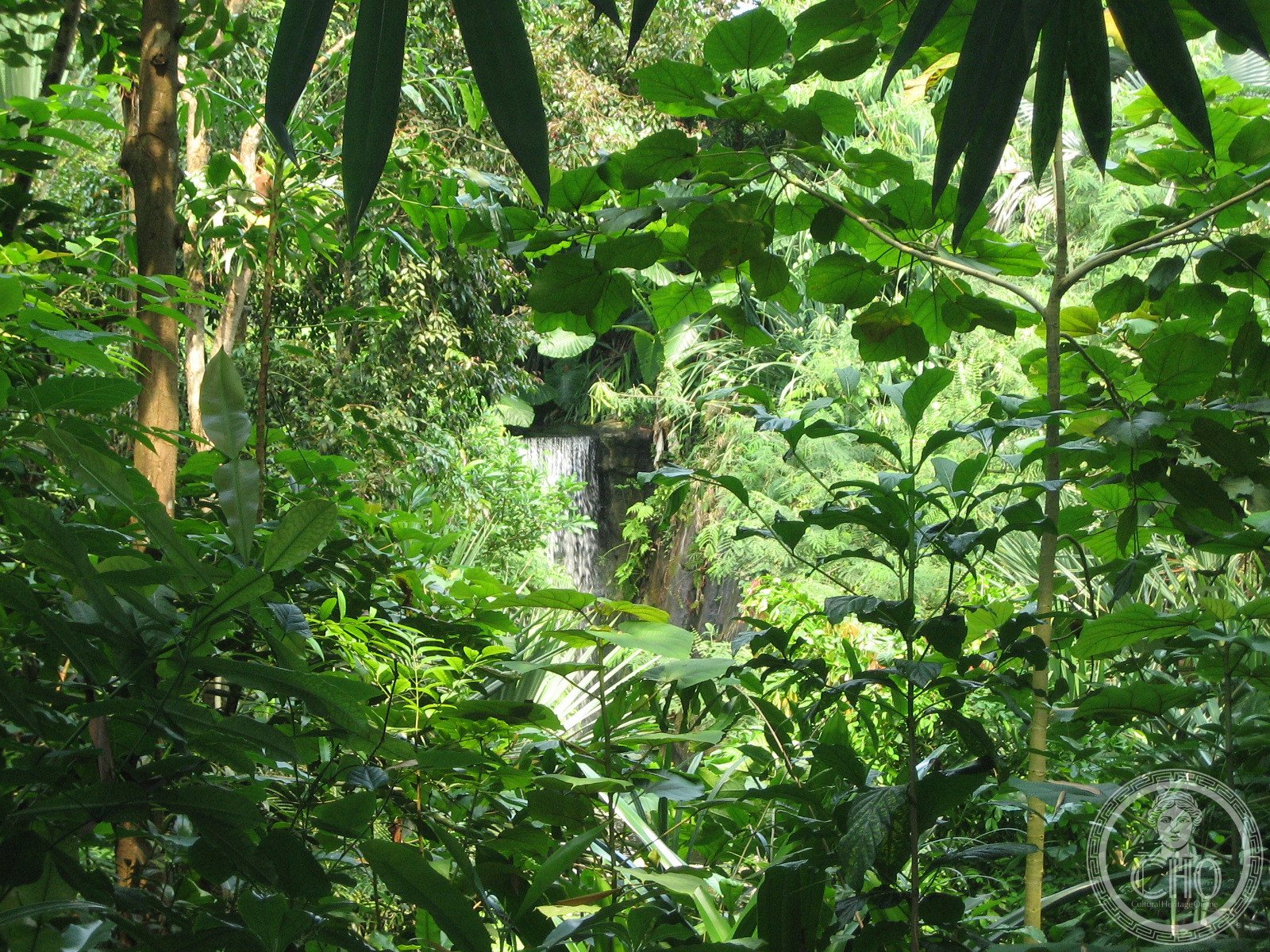
The World’s Most Extraordinary Island of Evolution
Madagascar separated from the African mainland approximately 88 million years ago and from the Indian subcontinent around 65 million years ago, evolving in isolation for so long that today approximately 90% of its wildlife exists nowhere else on Earth. The Rainforests of the Atsinanana — six national parks strung along the eastern escarpment of the island — protect the most intact remnants of this evolutionary laboratory. UNESCO inscribed the site in 2007; it was placed on the List of World Heritage in Danger in 2010 due to illegal logging and lemur hunting.
Six Parks, One Ecosystem
The inscribed site comprises six national parks: Marojejy, Masoala, Zahamena, Ranomafana, Andringitra, and Andohahela. Together they protect a chain of tropical rainforest along Madagascar’s eastern littoral, from sea level up to the highest peaks of the island (Marojejy reaches 2,133m). Each park protects a distinct altitudinal and regional variation of the eastern rainforest, from lowland coastal forest on the Masoala Peninsula to montane cloud forest at Andringitra and spiny forest transitions at Andohahela.
Lemurs: Five Families Found Nowhere Else
Madagascar is the only place on Earth where lemurs exist in the wild. The island’s isolation allowed these primates — the most ancient of the primate lineage — to diversify into over 100 species and subspecies across five families: the large Indriidae (indri, sifaka), the nocturnal Cheirogaleidae (mouse lemurs, including the world’s smallest primate), the aye-aye (Daubentoniidae, in a family of its own), the Lemuridae, and the Lepilemuridae. The eastern rainforests hold many of the rarest, including the black-and-white ruffed lemur and the silky sifaka.
Chameleons: Half the World’s Species
Madagascar hosts approximately half of the world’s chameleon species — around 90 of the 180 known species — including Parson’s chameleon (the world’s largest) and Brookesia micra (among the smallest reptiles on Earth). The eastern rainforests are particularly rich in chameleon diversity, with many species endemic to single mountain ranges. The island’s chameleon radiation is one of the most remarkable examples of adaptive diversification in the reptile world.
Masoala Peninsula: Madagascar’s Largest Protected Forest
The Masoala National Park, covering the Masoala Peninsula in northeast Madagascar, is the largest protected rainforest in the country at over 2,000 km². Its coastal rainforest reaches the sea, creating a rare interface between tropical marine ecosystems (coral reefs, mangroves) and pristine rainforest. The park is home to the red ruffed lemur, the helmet vanga, and several endemic species of day gecko (Phelsuma). The bay of Antongil adjacent to Masoala is the breeding ground for humpback whales between July and September.
Ranomafana: Research and the Golden Bamboo Lemur
Ranomafana National Park in the central-south of the inscribed area achieved international scientific fame when American primatologist Patricia Wright discovered the previously unknown golden bamboo lemur (Hapalemur aureus) in 1987 — a catalyst for the park’s creation in 1991. The park’s year-round research station (Centre ValBio) has produced decades of continuous ecological data and trained generations of Malagasy field scientists. Ranomafana is also notable for its hot springs (ranomafana means “hot water”) and its dense population of habituated lemurs.
Threats: Illegal Logging and the Rosewood Crisis
The Atsinanana rainforests face severe pressure from illegal logging, particularly for precious hardwoods — rosewood (Dalbergia) and ebony — which command high prices on Asian markets. A surge in illegal extraction following Madagascar’s 2009 political crisis led UNESCO to place the site on the Danger List. The trade involves the felling and floating of logs down rivers to coastal collection points, causing direct habitat destruction and fragmentation. International pressure and Malagasy anti-trafficking efforts have produced mixed results.
Visiting: Access and Responsible Tourism
The Rainforests of the Atsinanana are among the most challenging UNESCO sites to visit, requiring significant planning and local guides. Masoala is reached by boat from Maroantsetra (itself accessible only by air or long boat journey from Toamasina). Ranomafana is more accessible, connected by paved road from Fianarantsoa, with good infrastructure of guesthouses and local guides. Night walks in both parks offer extraordinary encounters with nocturnal lemurs, chameleons, and the diverse moth fauna of the eastern rainforest.
Find it on the map
See this place and what’s around it →📷 Become a Cultural Heritage Online photographer
Share your photos of places: they stay published under your name as the author. The more they're seen, the more you get noticed — and soon a contest will reward the most appreciated photos.
Log in or sign up free to add a photo