
Overview & Significance
Covering 54,600 square kilometres in southern Tanzania — an area larger than Switzerland — the Selous Game Reserve is one of the largest protected areas on the African continent and, crucially, one of the least disturbed. Named after the British explorer Frederick Courtney Selous, it has never been settled, and vast stretches of its miombo woodland, grassland, and riverine forest remain ecologically intact, supporting one of the greatest concentrations of wildlife biomass on Earth.
Historical Background
The area was first gazetted as a hunting reserve under German colonial administration in 1896, making it one of Africa’s oldest protected areas. After Tanzania’s independence, the reserve was gradually expanded to its current size and placed under the Tanzania Wildlife Management Authority. Frederick Courtney Selous, the British hunter-naturalist after whom it is named, explored the region in the late 19th century and his accounts helped bring international attention to its extraordinary wildlife. UNESCO inscribed the reserve in 1982 in recognition of its globally significant natural values.
Key Features & Nature
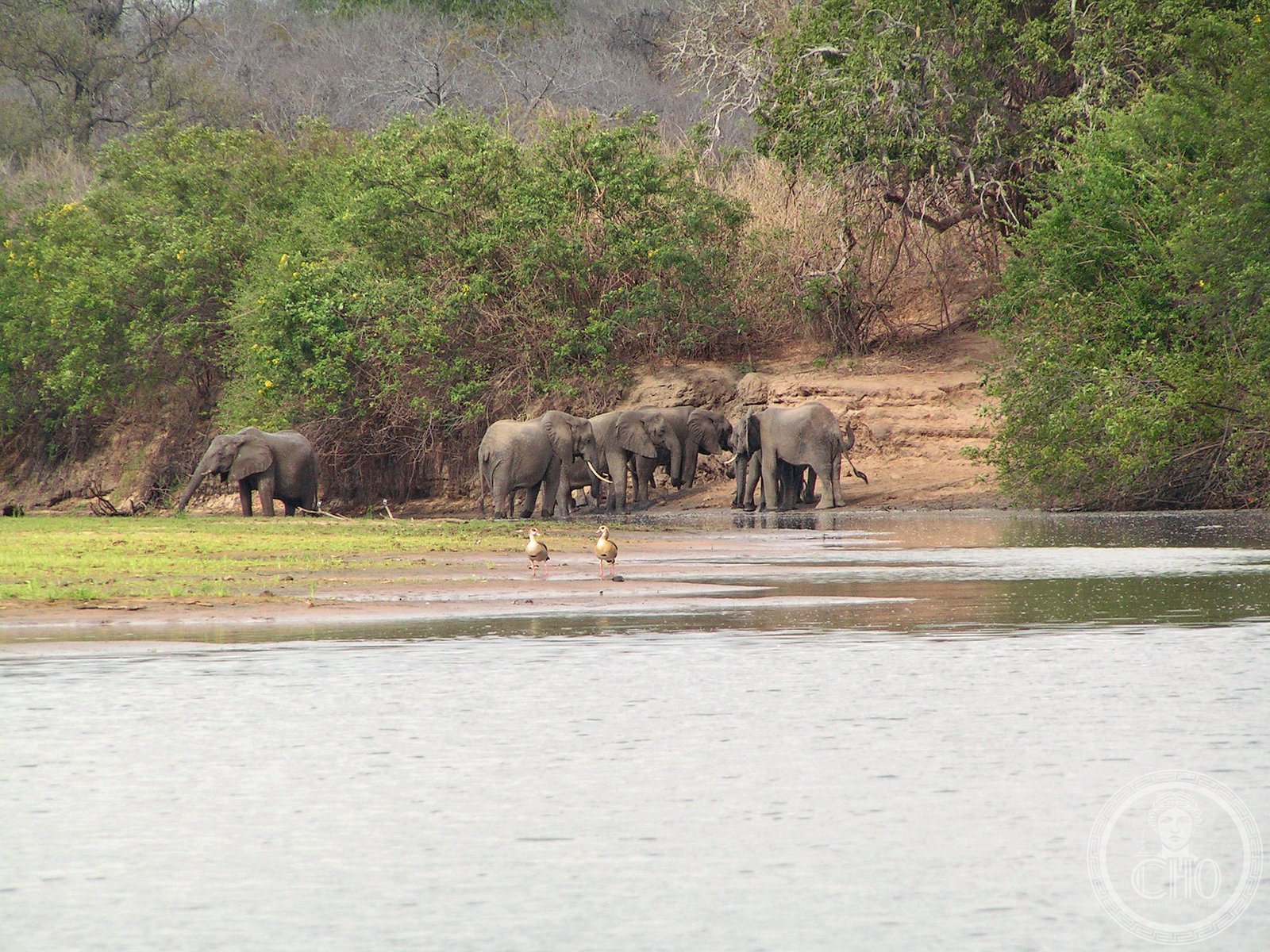
The Rufiji River and its tributaries dissect the reserve, creating a network of lakes, swamps, and channels. This riverine system supports Africa’s largest recorded populations of hippopotamus and Nile crocodile. The reserve also holds one of the continent’s strongest populations of African wild dog (Lycaon pictus), one of the most endangered large carnivores in Africa. More than 440 bird species complete a faunal inventory that also includes elephant, lion, leopard, cheetah, giraffe, zebra, and buffalo in spectacular numbers.
Cultural or Ecological Importance
The Selous underpins the livelihoods of communities across a vast swathe of southern Tanzania through water provision, climate regulation, and wildlife-based tourism revenue. Its miombo woodland — the dominant vegetation type — sequesters significant carbon and forms part of the largest miombo ecosystem in Africa, a biome increasingly recognised as critical for regional climate stability. The reserve’s unfenced perimeter allows seasonal wildlife migrations to and from surrounding game management areas, linking it ecologically to Nyerere National Park and the Mikumi–Udzungwa–Ruaha ecosystem.
UNESCO Inscription Criteria
Selous was inscribed under natural criteria (ix) and (x), reflecting its outstanding representation of ongoing ecological processes and its exceptional biodiversity. At the time of inscription it held the largest elephant population in Africa (over 109,000 individuals) and the largest African wild dog population. It was added to the UNESCO List of World Heritage in Danger in 2014 following catastrophic poaching that reduced its elephant population to under 15,000 — a status that galvanised international anti-poaching support.
Visitor Experience
The Selous offers a profoundly different safari experience from Tanzania’s famous northern circuit. Boat safaris on the Rufiji River bring visitors close to hippo pods and Nile crocodile aggregations in a way impossible in most African reserves. Walking safaris with armed guides, fly-camping on the riverbank, and night drives (permitted in the southern sector) add layers of intimacy with the wilderness. The relative scarcity of visitors compared to the Serengeti means wildlife sightings feel genuinely wild rather than curated.
Getting There & Practical Info
The most convenient access is by light aircraft from Dar es Salaam (approximately 45 minutes) to one of several airstrips inside the reserve. Road access is possible via the TANZAM Highway from Morogoro (about 4–5 hours on rough roads). The northern sector, now partially designated as Nyerere National Park, offers the best wildlife density and infrastructure. Peak season runs June–October (dry season), when animals concentrate around the river. A park entrance fee applies; accommodation ranges from luxury tented camps to more modest bandas.
Nearby Attractions & Context
The Selous / Nyerere ecosystem connects southward to the Niassa Reserve in Mozambique, forming a transboundary conservation landscape of roughly 150,000 km² — one of the largest in Africa. To the north, the Mikumi National Park serves as the Selous’s main buffer and is accessible from Dar es Salaam in about three hours by road. The Udzungwa Mountains National Park, a biodiversity hotspot with endemic primates and birds, lies within a day’s drive. The Swahili Coast and the spice island of Zanzibar are practical extensions for international travellers combining wildlife and culture.
Find it on the map
See this place and what’s around it →📷 Become a Cultural Heritage Online photographer
Share your photos of places: they stay published under your name as the author. The more they're seen, the more you get noticed — and soon a contest will reward the most appreciated photos.
Log in or sign up free to add a photo