
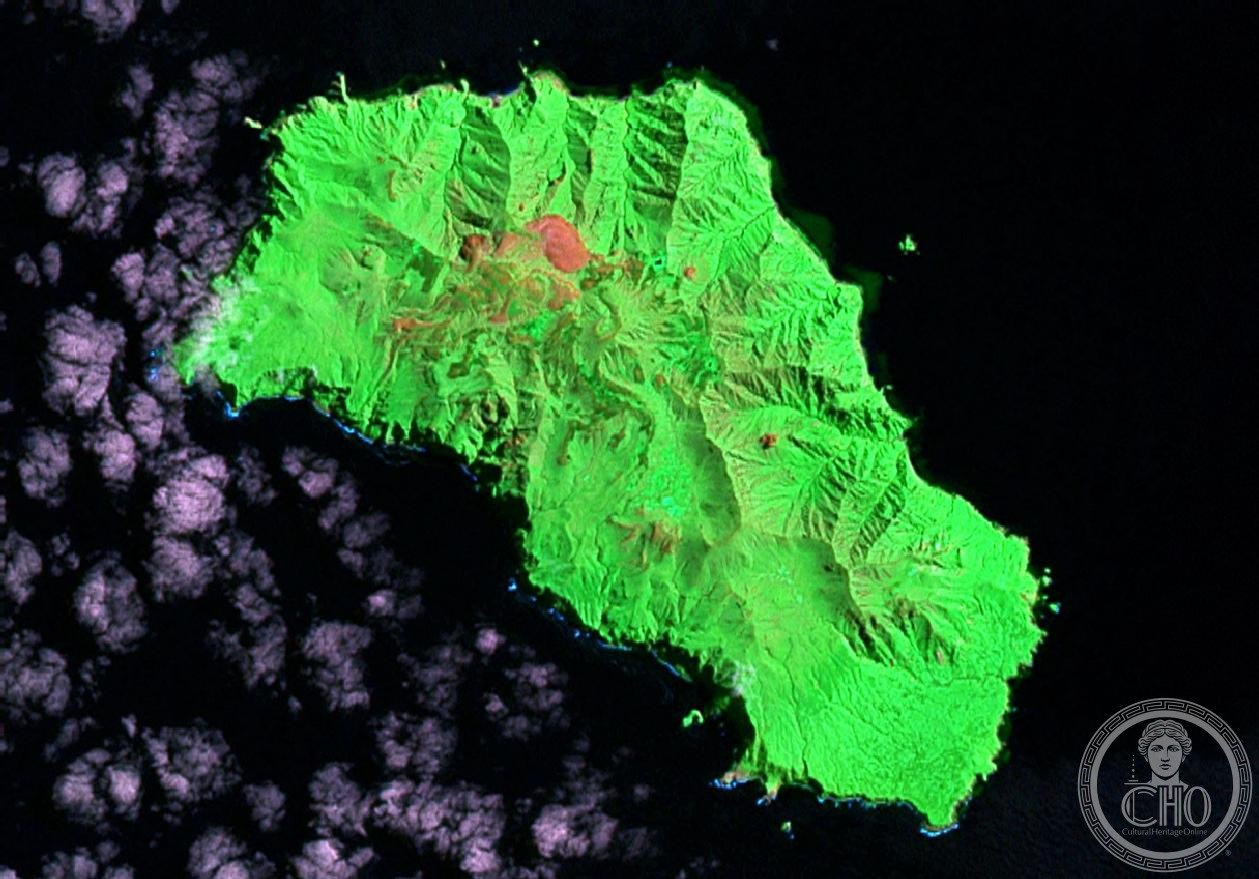
Nell’Atlantico del Sud, a quasi 3.000 km dalle coste più vicine dell’Africa australe, il gruppo di Tristan da Cunha comprende alcune delle isole più remote della Terra. Due di esse — Gough e Inaccessible — sono Patrimonio UNESCO e ospitano le più vaste colonie di uccelli marini di tutto l’Atlantico meridionale. Sull’isola di Gough nidificano oltre 2 milioni di uccelli di 54 specie, compresa la più grande colonia al mondo di albatros dalla nuca gialla (Thalassarche chlororhynchos). Inaccessible, a meno di 40 km a nord-ovest, è uno degli habitat marini più incontaminati del pianeta.
At a glance
Gough Island and Inaccessible Island are remote volcanic islands in the South Atlantic, administered as part of the British Overseas Territory of Tristan da Cunha. Gough Island (91 km²) lies 2,700 km from Cape Town and 3,360 km from South America. Inaccessible Island (14 km²) is 40 km north-west of Tristan da Cunha. UNESCO first inscribed Gough Island in 1995 (ref. 740), then extended the inscription to include Inaccessible Island in 2004 (ref. 740bis). The site is outstanding for its extraordinary seabird populations — over 54 species breed there, including the world’s largest yellow-nosed albatross colony — and its virtually undisturbed island ecosystems.
Key facts
- UNESCO: Gough inscribed 1995; extended to include Inaccessible Island 2004 (ref. 740bis)
- Yellow-nosed albatross: Gough holds the world’s largest colony — over 32,000 pairs
- Total seabirds: estimated 2–3 million birds of 54 species breeding on Gough Island
- Tristan albatross: the Tristan albatross (Diomedea dabbenena), found only on Gough, is critically endangered; fewer than 1,500 breeding pairs
- Inaccessible Island rail: the world’s smallest flightless bird, endemic to Inaccessible Island
- Human presence: a permanent South African weather station on Gough (6 staff); no permanent residents on Inaccessible
History
Gough Island was first sighted by Portuguese navigator Gonçalo Álvares in 1505 but named after British sea captain Charles Gough, who visited in 1731. Inaccessible Island (named for its sheer cliffs) was discovered around 1656; its first landing was by Portuguese vessels in 1698. Both islands were used by sealers and whalers in the 18th–19th centuries, who hunted fur seals and elephant seals to near-extinction and introduced mice to Gough Island (with catastrophic long-term consequences for nesting birds).
A South African meteorological station has operated on Gough Island since 1956. The islands became a UK Overseas Territory administered from Tristan da Cunha. In recent years, the introduced house mice on Gough Island have become an urgent conservation crisis: the mice (which have grown unusually large due to the island’s cold climate) attack and kill albatross and petrel chicks. An eradication programme using aerial rodenticide was conducted in 2021; results are being assessed.
What you see
Both islands are virtually impossible to visit independently — the sea state around them is routinely extreme, with swells exceeding 10 m. The only regular access is via the annual resupply ship from Cape Town to Tristan da Cunha, which calls at Gough Island. Birdwatchers on this ship observe the extraordinary seabird spectacle: thousands of albatrosses soaring, rockhopper penguins in the surf, and southern giant petrels wheeling overhead.
Inaccessible Island is even more inaccessible: its cliffs drop straight to the sea and there is no sheltered landing. Researchers who have stayed there have documented the extraordinary Inaccessible Island rail, a bird so tame (having never experienced mammalian predators) that it walks onto boots.
Practical information
- Access: extremely difficult; the annual Tristan da Cunha supply ship from Cape Town passes Gough (January–March); special scientific permits required
- No tourist infrastructure on either island; even the Tristan island group has very limited visitor facilities
- Tristan da Cunha: the inhabited island of the group (260 residents, the world’s most remote inhabited island) offers some accommodation for occasional visitors
- Best approach: join a Tristan da Cunha expedition cruise from Cape Town; pelagic seabirding trips operate from Cape Town
Getting there
Cape Town is the staging point for all visits. Annual supply ships to Tristan da Cunha pass near Gough Island; expedition cruises from Cape Town occasionally call at Tristan. GPS (Gough Island): 40.32° S, 9.93° W. (Note: listed GPS is for the Gough/Inaccessible pairing; Inaccessible is at 37.3° S, 12.7° W.)
Nearby
- Tristan da Cunha — the inhabited island 400 km north-west of Gough; the world’s most remote permanent human settlement
- St Helena (UNESCO candidate) — the island where Napoleon died in exile, 2,800 km north; British Overseas Territory
- Prince Edward Islands (South Africa) — another great South Atlantic subantarctic seabird site, 1,800 km south-east
Sources
- UNESCO World Heritage Centre — “Gough and Inaccessible Islands” (ref. 740bis)
- RSPB — Gough Island conservation programme
- Encyclopaedia Britannica — Gough Island; Tristan da Cunha
Find it on the map
See this place and what’s around it →📷 Become a Cultural Heritage Online photographer
Share your photos of places: they stay published under your name as the author. The more they're seen, the more you get noticed — and soon a contest will reward the most appreciated photos.
Log in or sign up free to add a photo