Palestine has 5 UNESCO World Heritage Sites, all cultural, inscribed between 2012 and 2024 across a landscape that has been continuously inhabited, fought over, and rebuilt for more than twelve thousand years. These sites range from a Neolithic settlement mound predating the invention of writing to a Byzantine monastery buried beneath the rubble of Gaza. From Cultural Heritage Online.
Why Palestine’s list looks the way it does
Palestine was admitted to UNESCO in 2011 and submitted its first nomination almost immediately. The country’s formal engagement with the World Heritage process is therefore recent, even though the sites themselves span millennia. The relatively small number of inscriptions reflects the administrative complexity of managing nominations under conditions of ongoing conflict and restricted access, not any shortage of heritage of outstanding universal value.
All five inscribed sites are designated as cultural rather than natural heritage. That said, Palestine has two candidate natural sites on its tentative list — Umm Al-Rihan forest in the northern West Bank and the Wadi Gaza coastal wetlands — so the composition of the list may change in the years ahead. For now, the five cultural sites cover religious pilgrimage routes, ancient agriculture, urban historic fabric, archaeology, and monastic architecture.
The first inscriptions
Palestine’s first World Heritage inscription came in 2012, when the following site was added to the list under emergency procedures — a mechanism UNESCO uses when a site faces imminent danger:
- Birthplace of Jesus: Church of the Nativity and the Pilgrimage Route, Bethlehem (2012) — the basilica built over the traditional site of Christ’s birth, a pilgrimage destination since at least the fourth century and one of the oldest continuously operating churches in the world.
A second site followed in 2014, also inscribed on the List of World Heritage in Danger: the cultural landscape of Battir, south-west of Jerusalem. Its inclusion reflected UNESCO’s recognition that the terraced hillside agriculture there, and the ancient stone-channelled irrigation system that has distributed spring water among farming families for generations, constituted a living heritage landscape under threat.
The most visited — and the alternatives
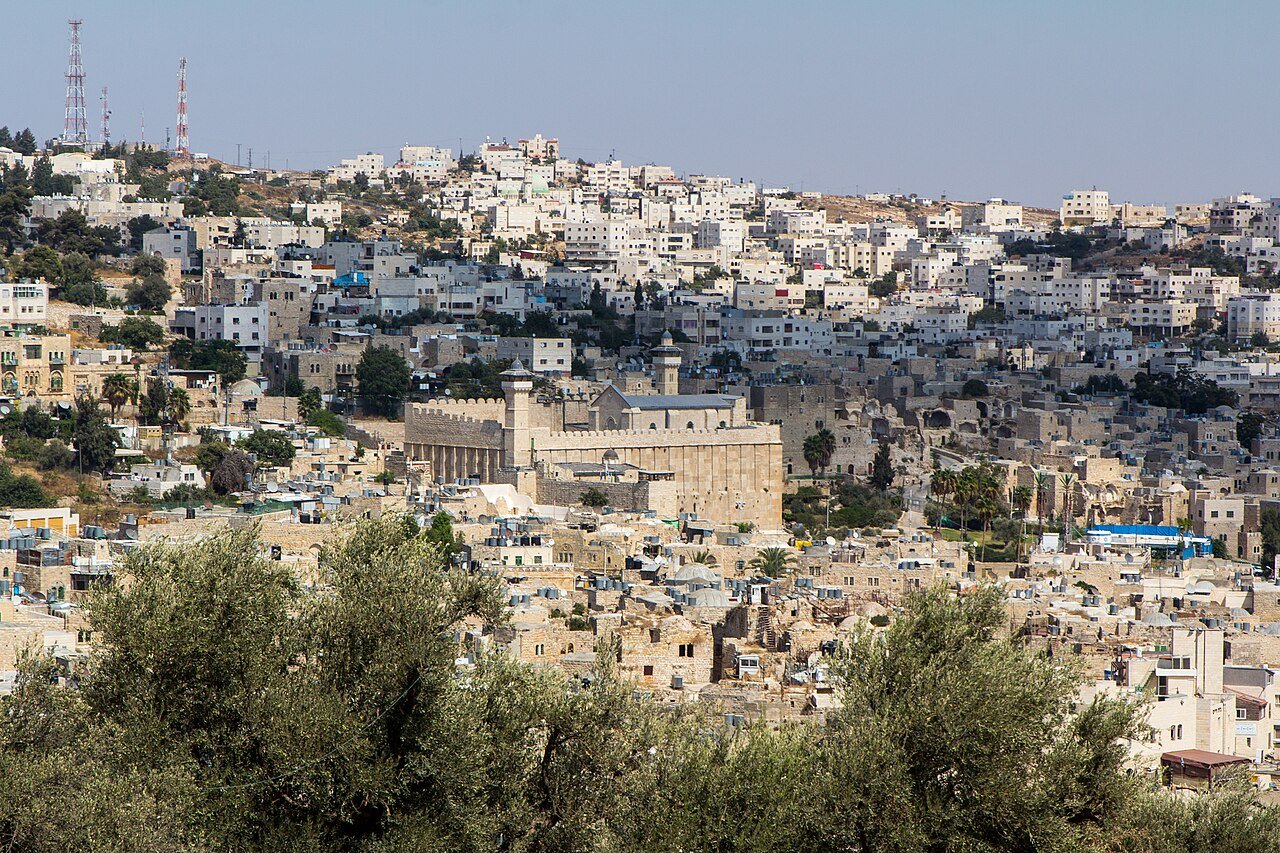
The Church of the Nativity in Bethlehem draws hundreds of thousands of visitors each year and remains the most recognisable point on Palestine’s UNESCO map. The Old City of Hebron/Al-Khalil, inscribed in 2017, is arguably the second best-known site: its historic core surrounds the Cave of the Patriarchs, a site held sacred in Judaism, Christianity, and Islam simultaneously, making it one of the most contested religious spaces on earth.
Beyond these two, the list offers less-frequented destinations worth seeking out. Tell es-Sultan, on the outskirts of Jericho and inscribed in 2023, is an archaeological mound with occupation layers stretching back to at least 10,500 BC — making it one of the earliest known permanent settlements anywhere in the world, with Neolithic architectural remains visible in situ. Battir’s system of stone terraces and spring-fed irrigation channels has been maintained without interruption by local farming communities for well over a thousand years; the site functions as both a working agricultural landscape and an archaeological record of land management. Saint Hilarion Monastery/Tell Umm Amer in Gaza, the most recent inscription (2024), preserves the remains of one of the earliest Christian monastic complexes in the region, founded in the fourth century — a site rendered largely inaccessible by conflict even as it received international recognition.
Natural and shared sites
Palestine currently has no inscribed natural World Heritage Sites. The two candidates on the tentative list — Umm Al-Rihan, a woodland in the Jenin governorate representing one of the last stands of native Palestinian forest, and the Wadi Gaza coastal wetlands, an estuary system of ecological significance along the Mediterranean — are both at an early stage in the nomination process. Their eventual inscription would mark a significant expansion of the list’s character.
None of Palestine’s five inscribed sites are formally transnational or serial designations. The Old City of Jerusalem presents a closely related case: it appears on the World Heritage List without attribution to any state party, having been proposed by Jordan in 1980, and is listed as a site in danger. It is distinct from Palestine’s five nominations but sits at the geographical and historical centre of the same heritage landscape.
How to find them
The five inscribed sites are spread across the West Bank and Gaza. Bethlehem and Hebron are reachable by road from Jerusalem. Tell es-Sultan is at the northern end of the Dead Sea basin, adjacent to modern Jericho. Battir is a short distance south-west of Jerusalem, accessible by a historic rail line. Saint Hilarion Monastery/Tell Umm Amer lies in the central Gaza Strip and is not currently accessible to international visitors.
Palestine’s World Heritage sites sit alongside thousands of other places on CHO’s interactive map, with GPS and sourced editorial history for each. See also our guides to Italy’s and France’s UNESCO sites, and our piece on cultural travel beyond mass tourism.
Frequently Asked Questions
How many UNESCO World Heritage Sites does Palestine have?
Palestine has 5 inscribed UNESCO World Heritage Sites as of 2025, all of them cultural designations. A further 12 sites appear on the country’s tentative list, including two candidate natural sites.
What was Palestine’s first UNESCO World Heritage Site?
The Birthplace of Jesus: Church of the Nativity and the Pilgrimage Route, Bethlehem, was inscribed in 2012 — Palestine’s inaugural World Heritage designation. It was inscribed under UNESCO’s emergency procedures and placed on the List of World Heritage in Danger at the same time.
What is the most recently inscribed World Heritage Site in Palestine?
Saint Hilarion Monastery/Tell Umm Amer in Gaza was inscribed in 2024, making it the newest addition to Palestine’s World Heritage list. The site preserves the remains of one of the earliest Christian monastic complexes in the region, dating to the fourth century.
Does Palestine have any natural UNESCO World Heritage Sites?
No. All five of Palestine’s inscribed sites are cultural heritage designations. Two natural sites — Umm Al-Rihan forest and the Wadi Gaza coastal wetlands — are on the tentative list but have not yet been formally nominated.
Sources used in this article
- UNESCO — State Party Palestine — World Heritage list.
- UNESCO — Palestine: World Heritage Sites.
- CHO magazine — What is a World Heritage Site?
- CHO — Interactive map of heritage sites.