
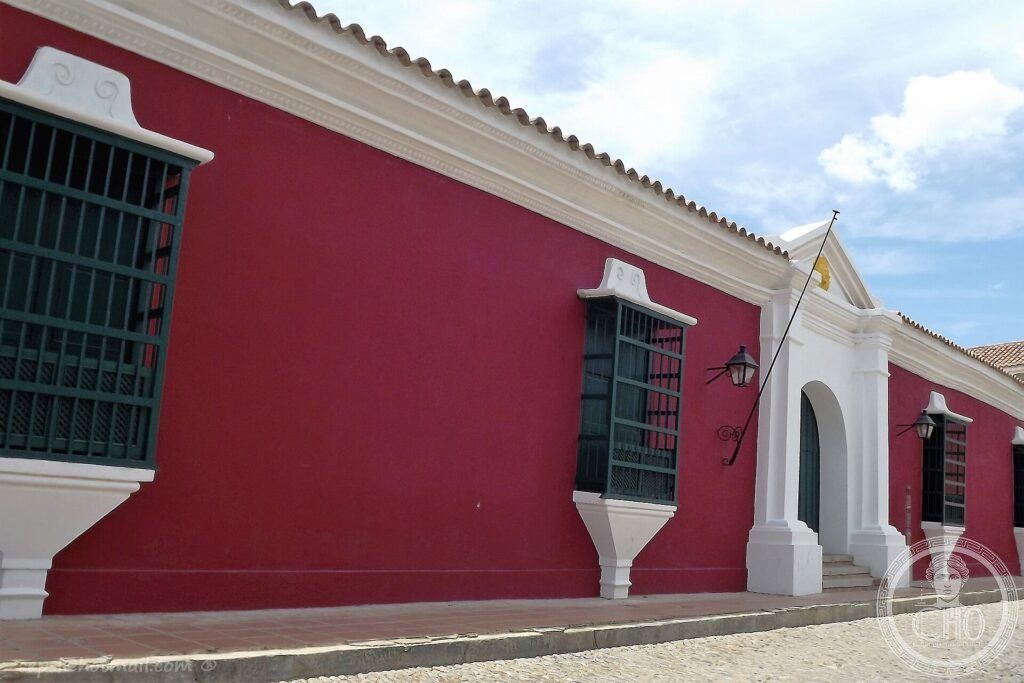
Founded in 1527, Coro is one of Venezuela’s oldest colonial cities, built in mud and raw brick using techniques that blend Spanish, indigenous and Dutch traditions. Its low, warm-coloured houses and its port, La Vela, tell five centuries of Caribbean history.
At a glance
Coro, in the Falcón region on the Caribbean coast of north-western Venezuela, is one of the oldest colonial towns in the country, founded in 1527. Built largely in earth — adobe and rammed earth — it blends Spanish, Indigenous and Dutch building traditions in a townscape of low, colourful houses, churches and courtyards, linked to its historic port of La Vela. With some 600 historic buildings, it was inscribed by UNESCO in 1993, and has spent years on the danger list because of the fragility of its earthen architecture.
Key facts
- UNESCO: World Heritage since 1993 (Coro and its Port)
- Founded 1527: one of the oldest colonial towns in Venezuela
- Earthen architecture: built in adobe and rammed earth
- Mixed traditions: Spanish, Indigenous and Dutch influences
- La Vela: the historic port that completes the site
- On the danger list: the fragile earthen buildings need constant care
History
Coro was founded by the Spanish in 1527 and briefly served as one of the first capitals of the region; for a time in the 16th century it was even administered by German bankers, the Welsers. Its builders worked mainly in earth, raising houses and churches of adobe and rammed earth in styles that mingled European, Indigenous and — through nearby Dutch Caribbean contacts — Dutch elements.
The town preserves hundreds of these historic buildings, a rare and complete example of an early Spanish colonial town built in earth. Inscribed by UNESCO in 1993, it has repeatedly been placed on the List of World Heritage in Danger, as heavy rains and neglect threaten its vulnerable earthen fabric.
What you see
The old town is a grid of quiet streets lined with low, brightly painted earthen houses with carved wooden doors and shaded courtyards, punctuated by colonial churches, the cathedral and historic mansions such as the Casa del Sol. The port of La Vela, a short distance away, adds its own colonial buildings by the sea.
The warm colours and earthen textures of the old houses, under the Caribbean sun, give Coro its character.
Practical information
- Old town: walkable; the historic core and La Vela port
- Time needed: half a day
- Note: on the Caribbean coast; check current travel advice for Venezuela
- Setting: in Falcón state, north-western Venezuela
Getting there
Coro is the capital of Falcón state, on the Caribbean coast of north-western Venezuela, near the Paraguaná peninsula. It has an airport and road links. GPS: 11.41° N, 69.68° W.
Nearby
- La Vela de Coro — the historic port, part of the site
- Médanos de Coro — the sand dunes near the town
- Paraguaná peninsula — the coast and beaches to the north
Sources
- UNESCO World Heritage Centre — “Coro and its Port” (ref. 658)
- Instituto del Patrimonio Cultural (Venezuela) — official body
- Encyclopaedia Britannica — Coro
Find it on the map
See this place and what’s around it →📷 Become a Cultural Heritage Online photographer
Share your photos of places: they stay published under your name as the author. The more they're seen, the more you get noticed — and soon a contest will reward the most appreciated photos.
Log in or sign up free to add a photo