
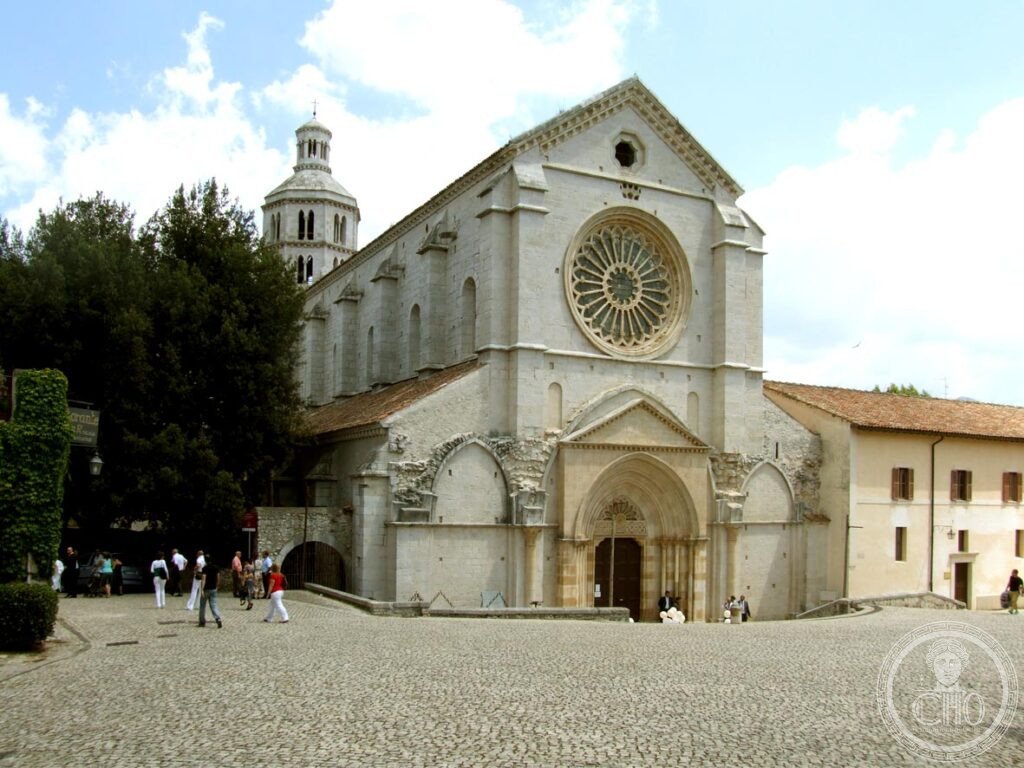
Abbazia di Fossanova (1135): la Prima Abbazia Cistercense d'Italia e il Luogo dove Morì Tommaso d'Aquino
Il 7 marzo 1274 Tommaso d'Aquino si fermò qui in viaggio verso Lione, si mise a letto e non si rialzò. Ma la storia di Fossanova è più antica di quei cinque giorni: è la storia dei monaci cistercensi di Borgogna che nel 1135 importarono in Italia un'architettura di pietra nuda e proporzioni geometriche che non aveva precedenti nella penisola, e non avrebbe avuto eguali per mezzo secolo.
At a glance
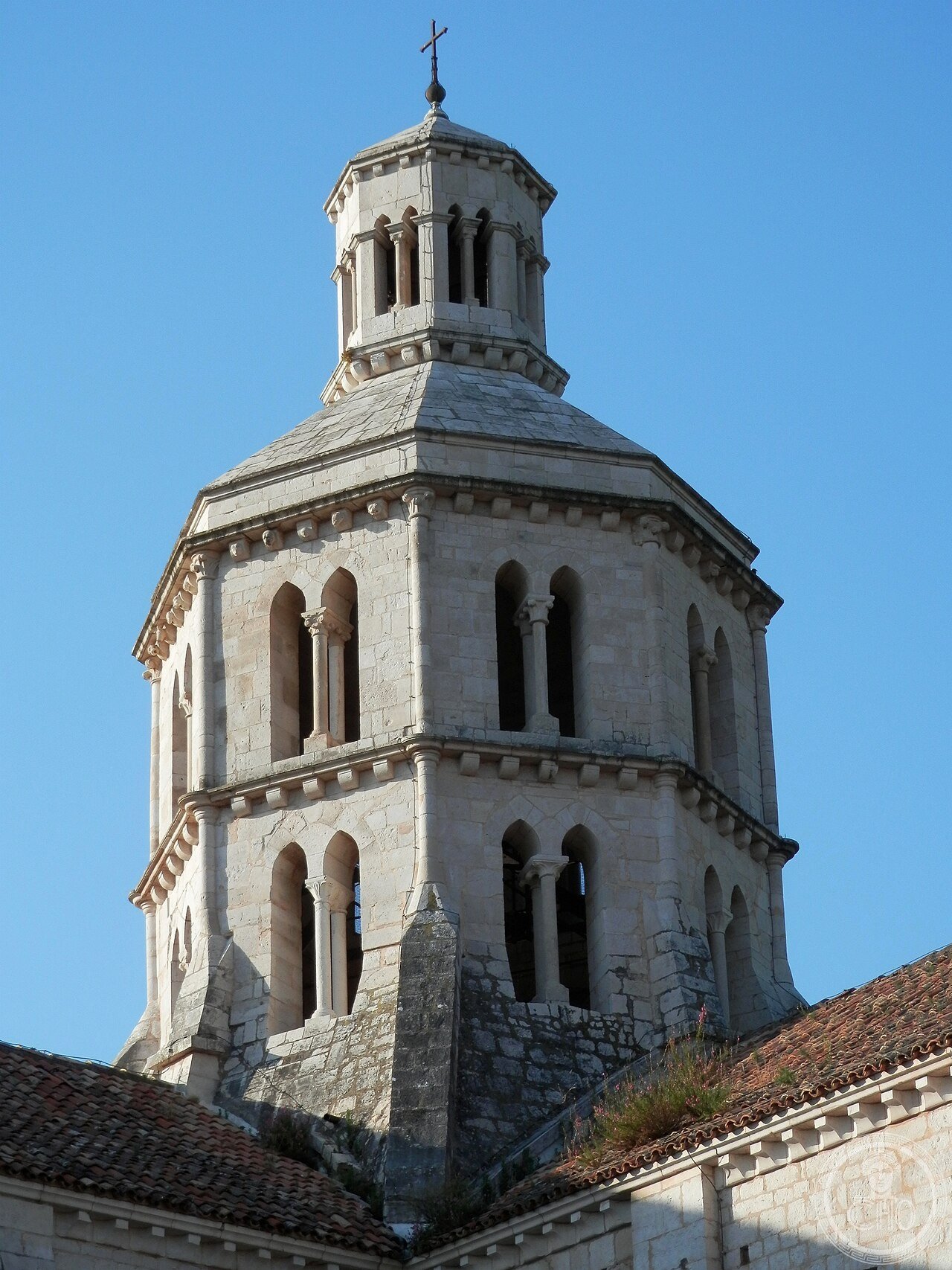
Fossanova Abbey stands in the Pontine plain at the edge of the Lepini hills, near Priverno (Latina), 110 km south-east of Rome. Founded in 1135 when Benedictine monks at the existing church of Santa Maria in Ferraria asked to join the Cistercian reform order, it was the first Cistercian monastery in Italy; the church, consecrated in 1208 by Pope Innocent III, and the accompanying cloister, chapter house, and refectory are the finest examples of Burgundian Gothic in the Italian peninsula. The Cistercians, founded by Robert of Molesme and governed under the leadership of Bernard of Clairvaux, insisted on strict architectural simplicity: no figurative sculpture, no polychrome marble, no towers beyond a simple campanile, no glass painting. What Fossanova has instead is proportion — the precise calibration of pier height to arch span, of cloister bay to column diameter — that gives the empty stone an almost mathematical authority. Thomas Aquinas, the 13th century's greatest philosopher-theologian, died here on 7 March 1274; the room where he died is preserved as an oratory.
Key facts
- Founded: 1135; Cistercian (Order of Citeaux); first Cistercian house in Italy; church consecrated 1208 by Pope Innocent III
- Architecture: Burgundian Gothic: rib-vaulted church with slightly pointed arches, bare stone walls, no figurative decoration; cloister (12th–13th c.) with twin Romanesque columns and Gothic tracery; refectory (c. 1208) with ribbed vault
- Thomas Aquinas (1225–1274): Dominican theologian, author of the Summa Theologiae; died here 7 March 1274 en route from Naples to the Council of Lyon; the room where he died (in the monks' infirmary) is now a chapel; canonized 1323
- Cistercian reform: founded 1098 by Robert of Molesme at Citeaux (Burgundy); governed from 1115 by Bernard of Clairvaux; emphasized poverty, manual labour, and architectural austerity; spread across Europe through the 12th century
- Today: active Conventual Franciscan community; open to visitors daily; small Aquinas museum
History
The site of Fossanova had been occupied by Benedictine monks since at least the 9th century; the name refers to a drainage ditch (fossa nova) cut by the monks to reclaim the marshy Pontine plain. In 1135 the community asked to be admitted into the Cistercian reform and received monks from Hautecombe (France) to establish the new observance. The church built between 1163 and 1208 was the first exercise of full Cistercian Gothic in Italy, and its influence was immediate: Casamari (1203–1217), San Martino al Cimino (1217), and other Lazio abbeys followed the same model.
Thomas Aquinas (1225–1274), a Dominican friar born at Roccasecca (30 km north-east, in the territory of a family that had donated land to Montecassino), had studied at Montecassino as a child and maintained connections with the Lazio monastic world throughout his life. In January 1274, summoned by Pope Gregory X to the Council of Lyon, he set out from Naples in deteriorating health; he reached Fossanova on 10 February, was received by the Cistercians, and died on 7 March. His body was retained by the monks for nearly 70 years before being translated to Toulouse in 1369.
What you see
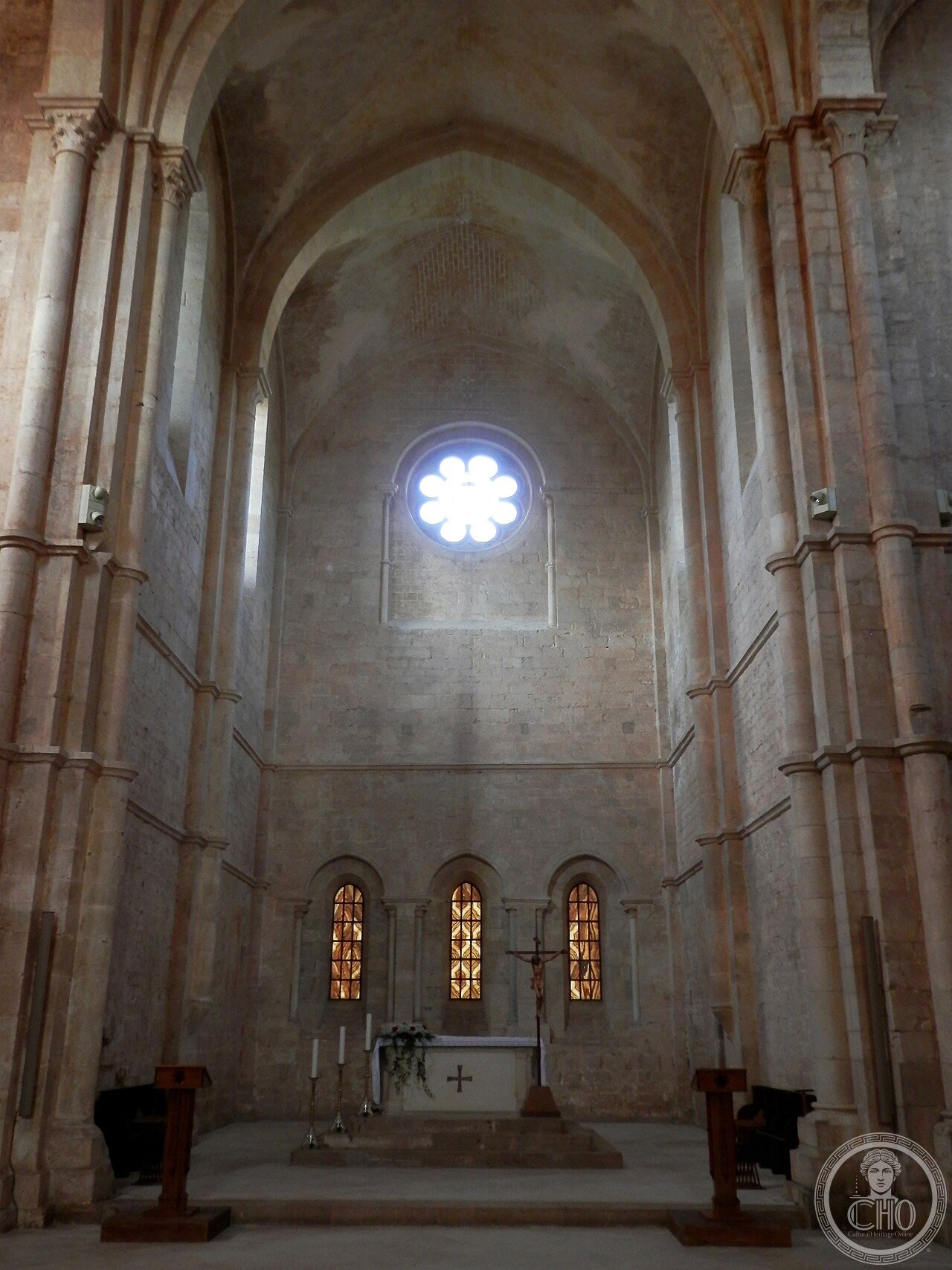
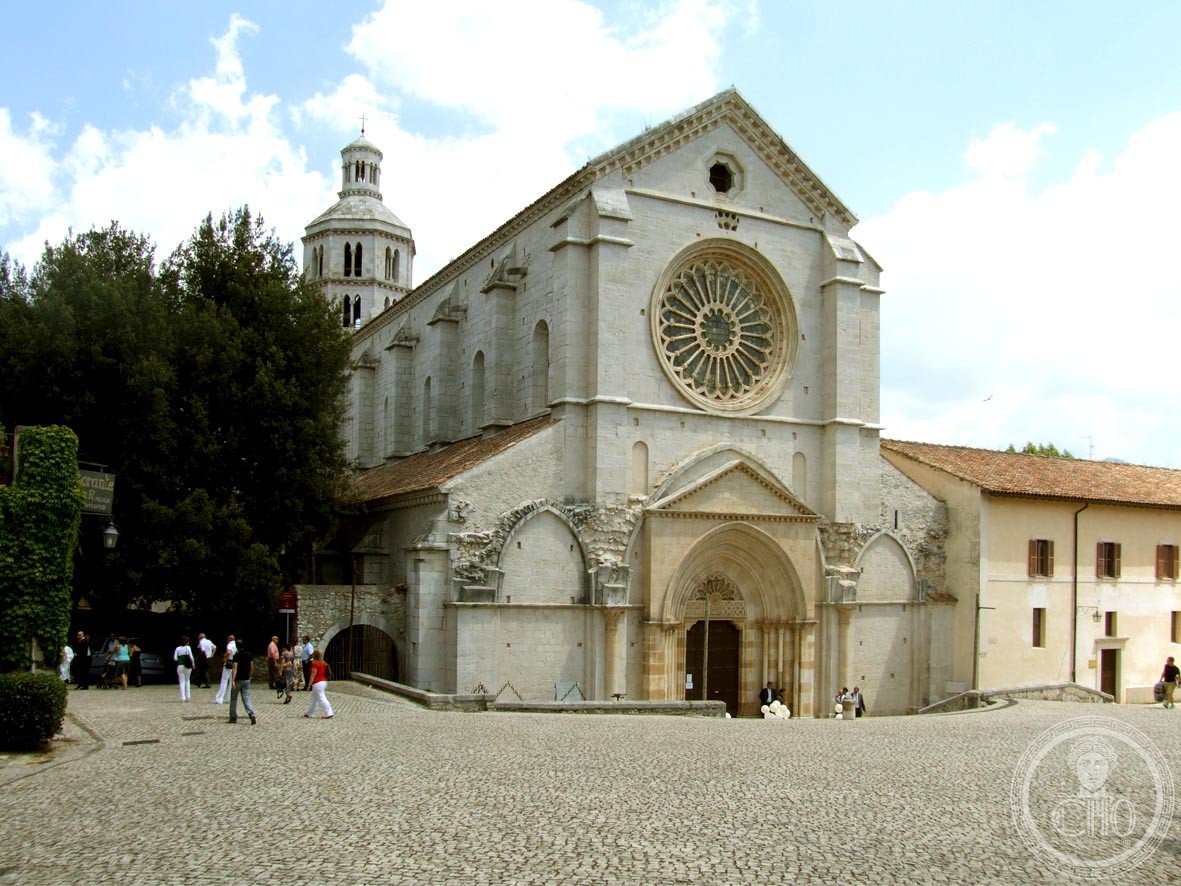
The abbey is entered through a Romanesque portal into a long fore-court with the church on the right. The church facade has the pure Cistercian restraint: a rose window (added in the 13th century, the one concession to ornament), a corbelled string course, and bare limestone. Inside, the single nave has six bays of ribbed vaulting springing from sturdy compound piers; the choir extends to a square east end (the Cistercian plan, without the French chevet). The total absence of figurative ornament — no capitals with foliage, no painted walls, no coloured glass — focuses attention on the geometry. The cloister, to the south of the church, mixes Romanesque round arches on the west and north with pointed Gothic arches on the east and south, recording the building campaign's three-decade span. The room where Aquinas died, in the former infirmary wing, has been fitted as a small chapel with a 14th-century fresco of the saint.
Practical information
- Opening hours: daily 09:00–12:30 and 15:00–18:00
- Admission: free (donation welcome)
- Time needed: 45 minutes to 1 hour
Getting there
By car from Rome (110 km south-east): A1 or SS7 (Via Appia) to Priverno; then signs to Fossanova (4 km from Priverno). By train: Priverno-Fossanova station (Rome–Napoli local line); the abbey is 4 km from the station (taxi or local bus). GPS: 41.4831° N, 13.1569° E.
Nearby
- Priverno — 4 km north; medieval hilltop town; Palazzo Comunale (13th c.); Museo Civico; views over the Pontine plain
- Sermoneta — 20 km north; spectacular medieval hill town; Castello Caetani; FAI property
- Circeo National Park — 30 km west; coastal dunes, Monte Circeo promontory, lagoon lakes; WWF nature reserve
Sources
- Wikipedia — “Fossanova Abbey” (en.wikipedia.org/wiki/Fossanova_Abbey)
- Toesca, P., Il Medioevo II, Turin 1927 (classic description of Fossanova architecture)
- Tugwell, S., Albert & Thomas: Selected Writings, New York 1988 (Aquinas's last days)
Find it on the map
See this place and what’s around it →
📷 Diventa un fotografo di Cultural Heritage Online
Condividi le tue foto dei luoghi: restano pubblicate con la tua firma come autore. Più vengono viste, più ti fai conoscere — e presto un concorso premierà le foto più apprezzate.
Accedi o registrati gratis per aggiungere una foto