
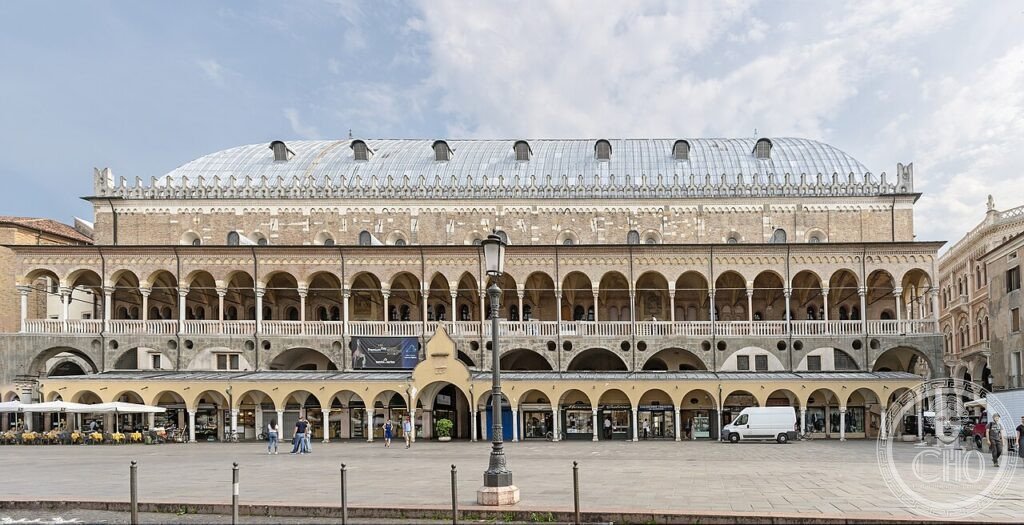
The most complete survival of fourteenth-century fresco painting in one city: Giotto’s Scrovegni Chapel (1304–1305), the largest Gothic secular hall in Europe (Palazzo della Ragione, 1306), a cathedral baptistery entirely covered in Giusto de’ Menabuoi’s frescoes (1376), and the churches, oratories, and chapels of the mendicant orders — all within a medieval centre that was, in the words of the UNESCO inscription, “the city of pictures”, the single most important site for understanding the birth of European figurative painting.
At a glance
The UNESCO inscription “Padova Urbs Picta” (2021, ref. 1623) covers eight sites in Padua and its immediate environs that together contain the most important surviving concentration of fourteenth-century fresco painting in the world. The eight sites are: the Cappella degli Scrovegni (Giotto, 1304–1305); the Palazzo della Ragione (1306–1309 and later); the Battistero del Duomo di Padova (Giusto de’ Menabuoi, 1376–1378); the Oratorio di San Giorgio (Altichiero da Zevio and Jacopo Avanzi, 1379–1384); the Oratorio di San Michele (Jacopo da Verona, 1397); the Sala della Guardia, Palazzo Zuckermann; the Area di Palazzo Vescovile (Bishop’s Palace frescoes); and the Basilica del Carmine, Cappella Sartori.
The inscription was approved in 2021 as the first UNESCO World Heritage Site inscription for a cycle of paintings — not a single building, but a network of related sites that together represent a decisive moment in the history of Western art: the transition from Byzantine symbolic representation to the naturalistic, spatially coherent figurative style that would define European painting from Giotto to the present.
Key facts
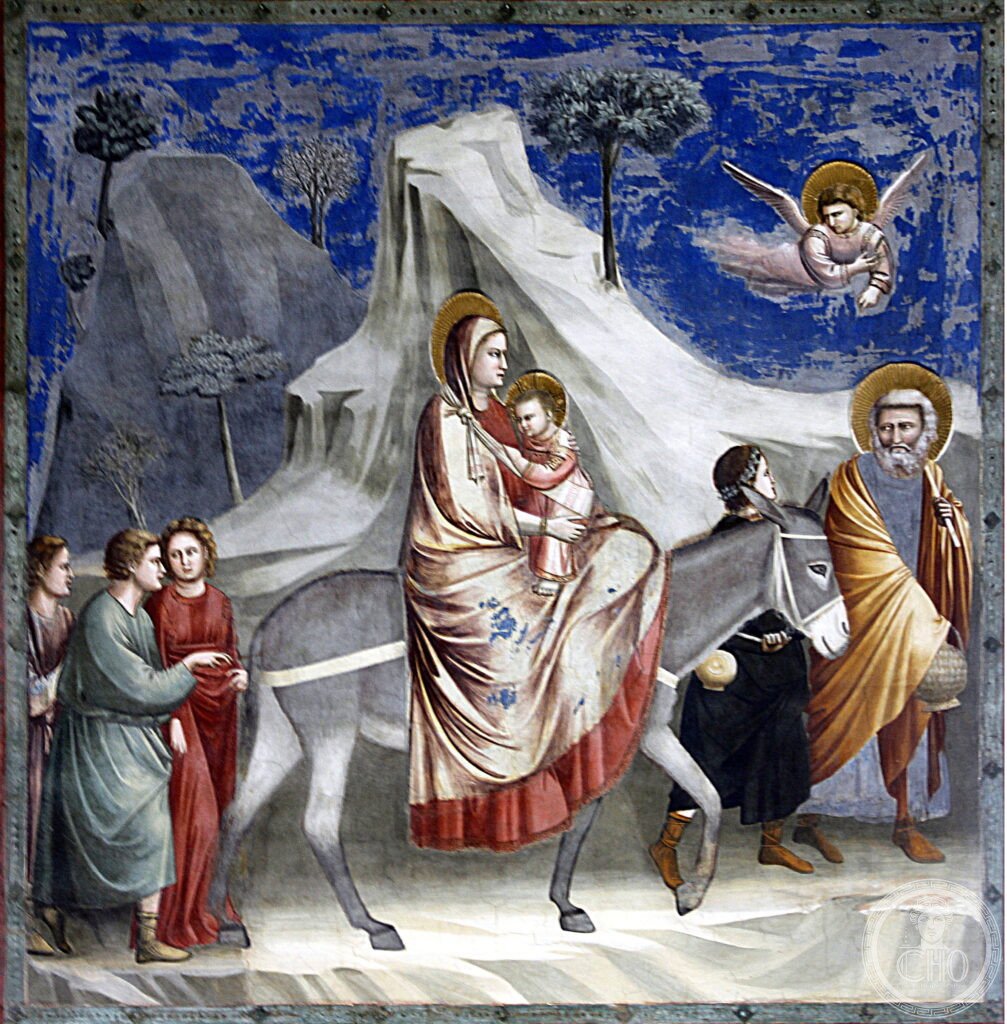
- Cappella degli Scrovegni: 1304–1305; Giotto; 37 panels of the Life of Christ and the Virgin; spatial illusion; revolutionary in the history of art
- Palazzo della Ragione: 1306–1309; secular hall 81×27m; astrological frescoes by Nicolò Miretto (1425–1440) over Giotto’s original cycle (destroyed fire 1420); wooden horse by Donatello
- Battistero del Duomo: 1376–1378; Giusto de’ Menabuoi; ceiling fresco of the Pantocrator surrounded by 137 saints; most complete 14th-c. baptistery fresco cycle surviving
- Oratorio di San Giorgio: 1379–1384; Altichiero; 21 large scenes; most important Paduan fresco cycle after the Scrovegni
- UNESCO: 2021, ref. 1623 — “Padova Urbs Picta”
- GPS (Palazzo della Ragione): 45.4078, 11.8767 — Google Maps
History
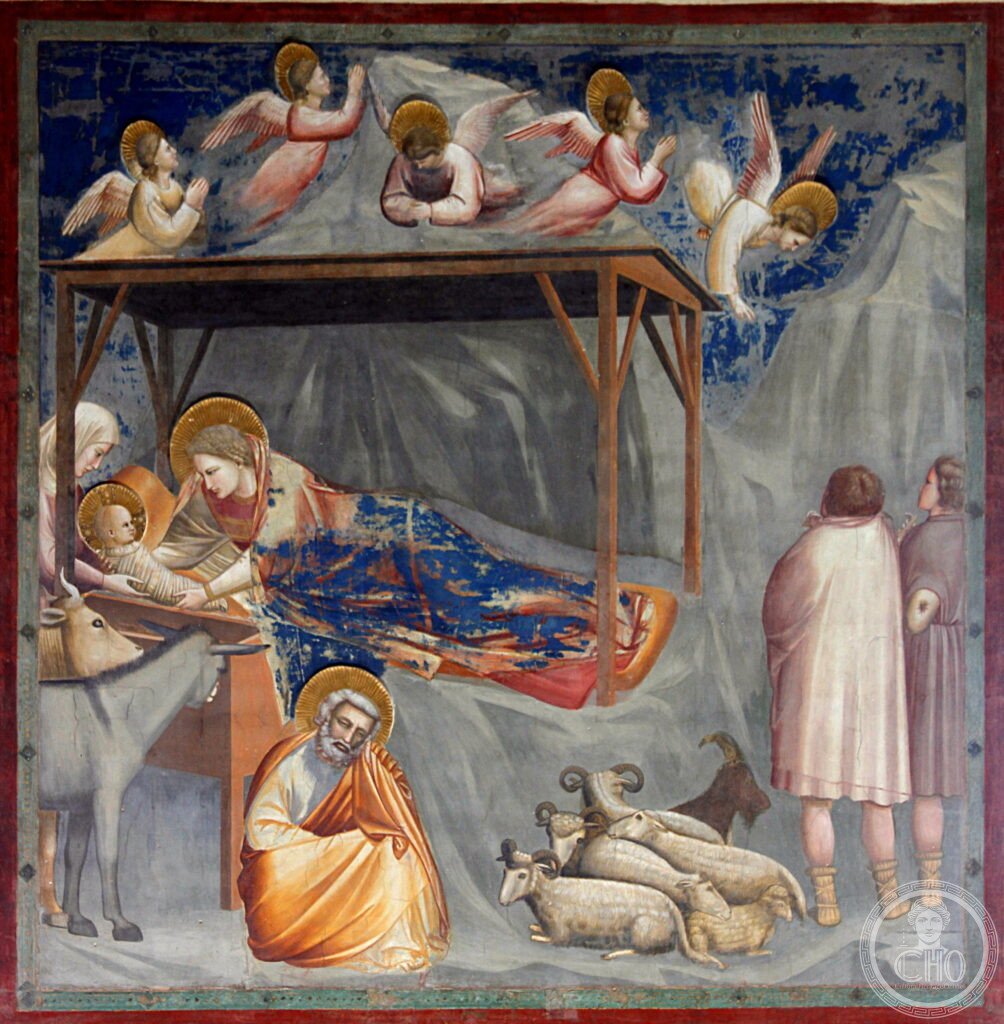
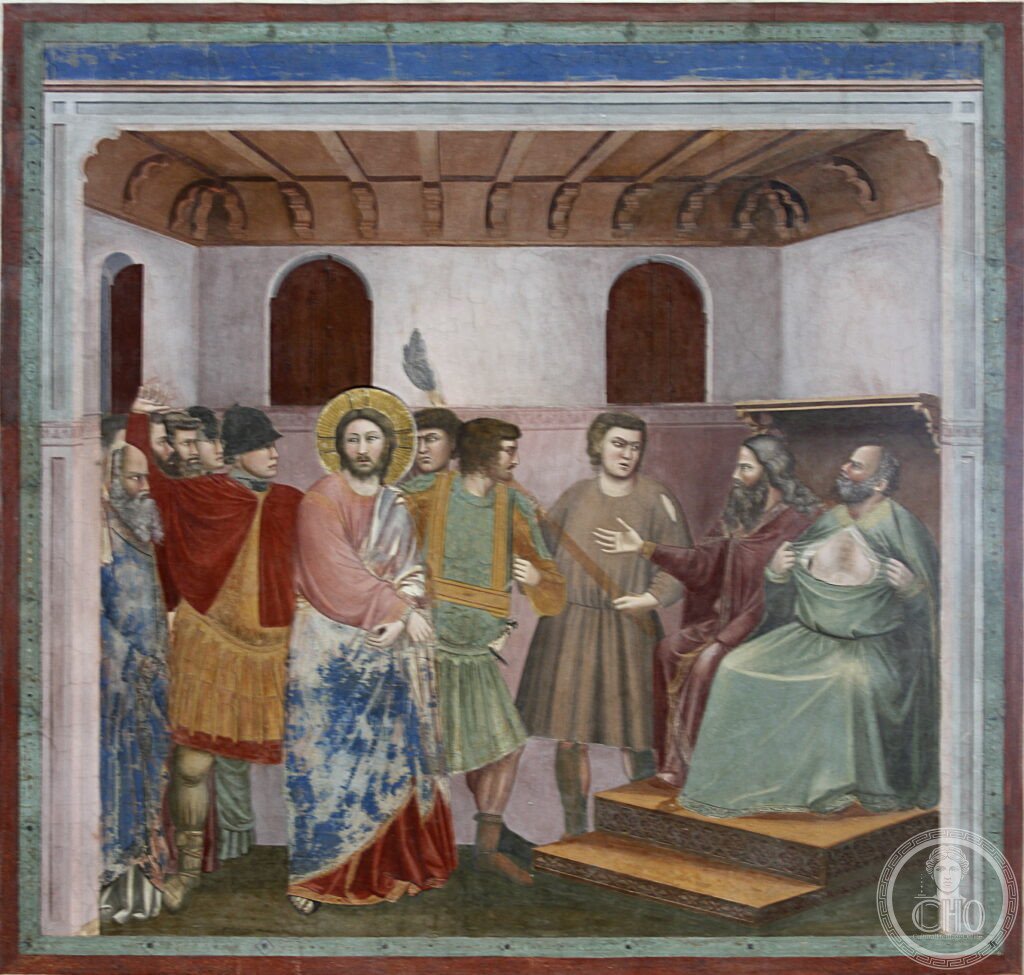
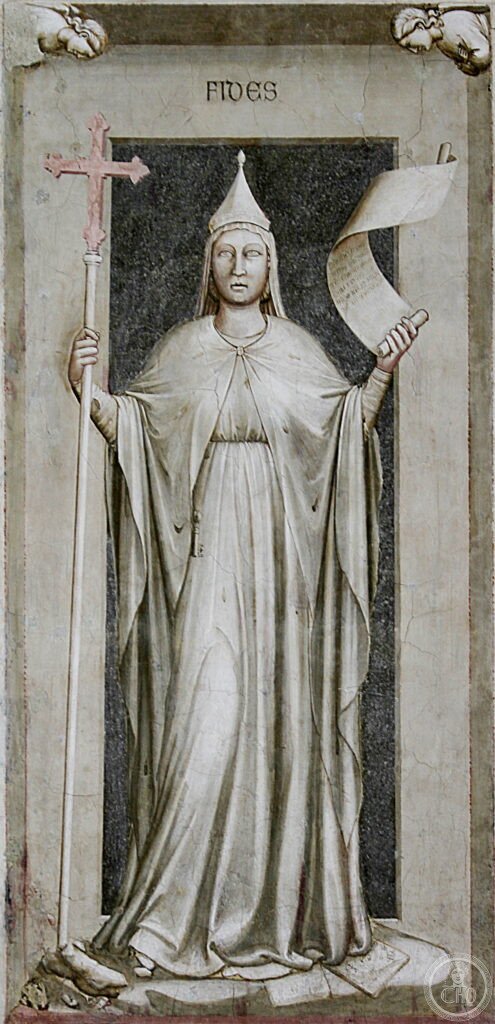
The decisions taken at Padua between 1300 and 1310 changed the course of Western art. The merchant Enrico Scrovegni, seeking to expiate his father Reginaldo’s usury (Dante placed Reginaldo Scrovegni in Hell, Inferno XVII), commissioned a chapel dedicated to the Virgin Mary on the site of a Roman arena and retained Giotto di Bondone — the most celebrated painter in Italy — to decorate it. Giotto’s solution transformed how space, light, volume, and human emotion could be represented in paint. The 37 narrative panels of the Life of Christ and the Life of the Virgin are organised across three tiers of the chapel walls, each scene separated from the next by the painted architectural frames that give each scene the illusion of existing in three-dimensional space. The figures in each scene have weight, gesture, and physiognomy that had been absent from Western painting since antiquity. Every subsequent European painter from Masaccio to Michelangelo would study these frescoes.
The Palazzo della Ragione, built as the seat of the commune’s government and law courts (1306–1309), was the largest Gothic secular hall in Europe at the time of its construction. Its original fresco cycle by Giotto was destroyed by fire in 1420 and replaced by Nicolò Miretto’s astrological programme (1425–1440), which survives. The Baptistery and Oratorio di San Giorgio cycles of Giusto de’ Menabuoi and Altichiero da Zevio represent the generation after Giotto — assimilating his spatial innovations and extending them into multi-figure narrative compositions of great complexity.
What you see
Cappella degli Scrovegni: Entry is strictly controlled to 25 visitors at a time for 15 minutes (preceded by a 15-minute acclimatization in a sealed antechamber to stabilise temperature and humidity). The chapel is small — 29 by 8 metres — and the frescoes cover every surface from floor to vault. The effect in person is qualitatively different from any reproduction: the colour is warmer and more varied, the spatial illusion in the architectural borders creates a hall-of-mirrors effect across the nave, and the famous “Last Judgment” on the entrance wall (with Enrico Scrovegni offering the chapel model to the Virgin) reads as a single composition rather than the fragmented image familiar from photography.
Palazzo della Ragione: the single hall on the piano nobile — 81 metres long, 27 metres wide, unsupported by columns — is one of the great medieval interiors of Europe. The 333 astrological fresco panels of Miretto’s cycle run around all four walls; a wooden horse by Donatello (or his workshop) stands at the east end. From the outside loggia, the views over Piazza delle Erbe and Piazza della Frutta are the defining views of medieval Padua.
Gallery
Practical information
- Cappella degli Scrovegni: Advance booking mandatory at capelladegliscrovegni.it (€15 full + €1 booking fee). Time slots fill weeks in advance in high season. The 15-minute slot is real — use it efficiently.
- Palazzo della Ragione: ~€6; often combined with city card “PadovaCard.” Open Tuesday–Sunday 9:00–19:00.
- Battistero del Duomo: ~€3; ask the Duomo ticket office for the combined ticket.
- PadovaCard: 48h or 72h card covering Scrovegni, Palazzo della Ragione, Oratorio di San Giorgio, Battistero, and public transport. Worth it for 2+ sites.
Getting there
Padova is 37 km west of Venice and 85 km east of Verona on the main Venice–Milan rail line; frequent fast trains from Venice (~25 minutes), Verona (~50 minutes), Bologna (~45 minutes). The railway station is 20 minutes on foot or 5 minutes by bus from the Cappella degli Scrovegni. By car: A4 Autostrada del Sole, exit Padova Est or Padova Ovest; the historic centre is ZTL (restricted traffic zone) — park outside and walk. From Venice: 37 km, 25 minutes by train. From Venice Marco Polo airport: 40 km, 1h by bus + train.
Nearby
- Basilica di Sant’Antonio (Santo) — 10 minutes on foot; the most important medieval pilgrimage church in northern Italy after San Marco; Donatello’s bronze high altar (1443–1450) and crucifix
- Oratorio di San Giorgio — 5 minutes from Sant’Antonio; Altichiero’s 21 large fresco panels (1379–1384), the most important Paduan fresco cycle after the Scrovegni
- Prato della Valle — 15 minutes on foot; the largest square in Italy (88,000 m²), ringed by 78 statues of illustrious Paduans; the elliptical canal encloses a small island garden
Sources
- UNESCO: whc.unesco.org/en/list/1623
- Wikipedia EN: Padua Urbs Picta
- Bellosi, Luciano: Giotto, Scala, 1981
- Flores d’Arcais, Francesca: Giotto, Abbeville Press, 1995
Find it on the map
See this place and what’s around it →📷 Become a Cultural Heritage Online photographer
Share your photos of places: they stay published under your name as the author. The more they're seen, the more you get noticed — and soon a contest will reward the most appreciated photos.
Log in or sign up free to add a photo