
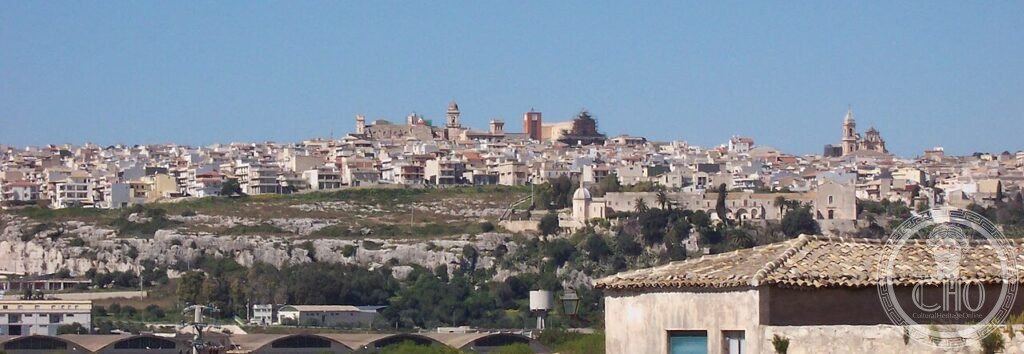
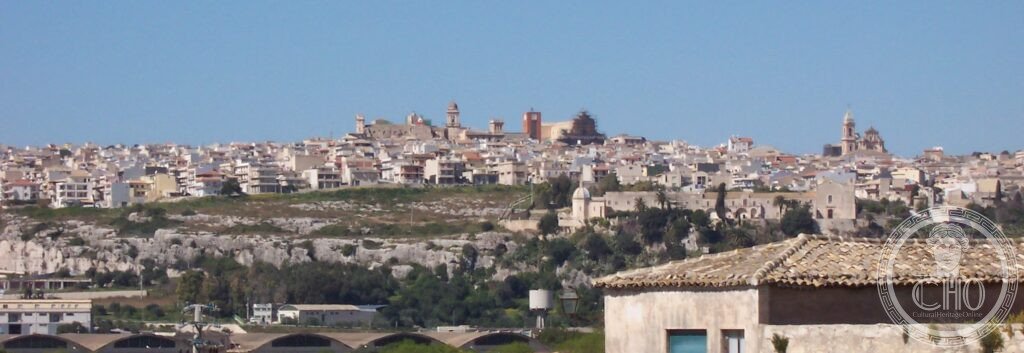
The eighth and smallest of the UNESCO Val di Noto baroque towns — rebuilt from scratch after the catastrophic 1693 earthquake on a new hilltop site, with its churches, convents, and civic buildings forming a concentrated ensemble of Sicilian late baroque at its most local and unpolished.
At a glance
Ispica (population ~15,000) occupies a hilltop in the Ragusa province of south-eastern Sicily, separated by a deep limestone gorge from its prehistoric predecessor — the Cava d’Ispica canyon, inhabited continuously from the Bronze Age to the medieval period. The upper town was rebuilt after the 11 January 1693 earthquake, which destroyed virtually every settlement in south-eastern Sicily, killing some 60,000 people. Ispica was inscribed as part of the UNESCO “Late Baroque Towns of the Val di Noto” in 2002 (ref. 1024) as one of eight towns sharing the cultural landscape of the post-earthquake baroque reconstruction.
Key facts
- Foundation: Prehistoric; present town rebuilt post-1693 earthquake
- 1693 earthquake: 11 January 1693 — magnitude ~7.4, epicentre near Noto; killed ~60,000 in SE Sicily
- UNESCO inscription: 2002, ref. 1024 — “Late Baroque Towns of the Val di Noto (South-Eastern Sicily)”
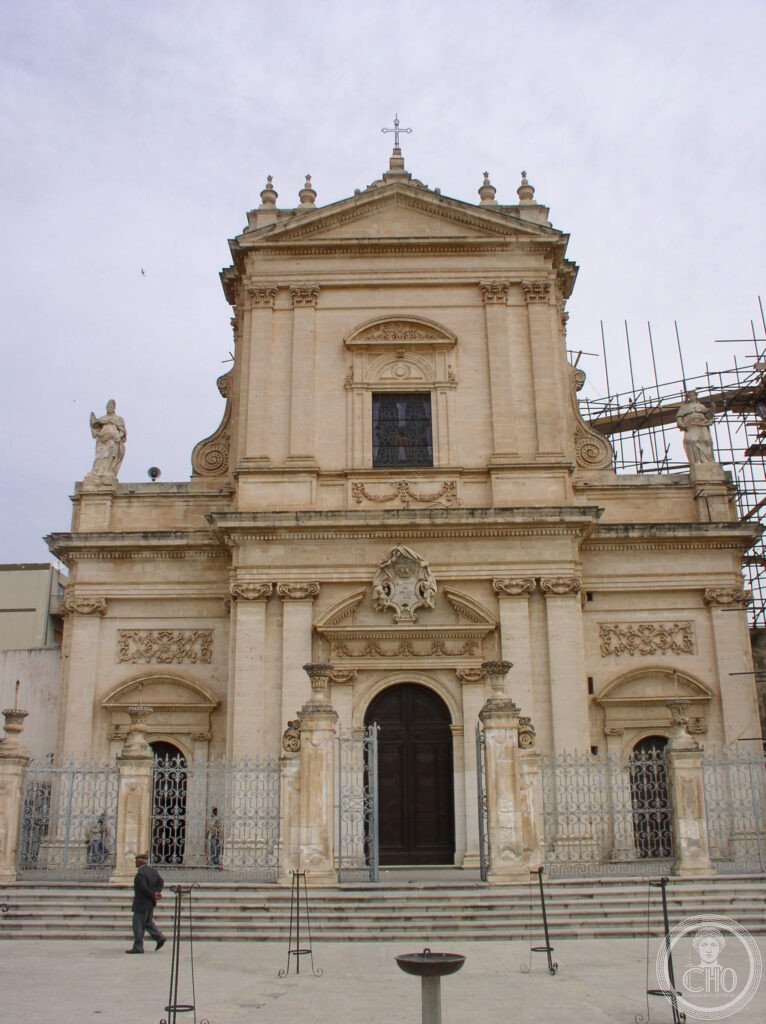
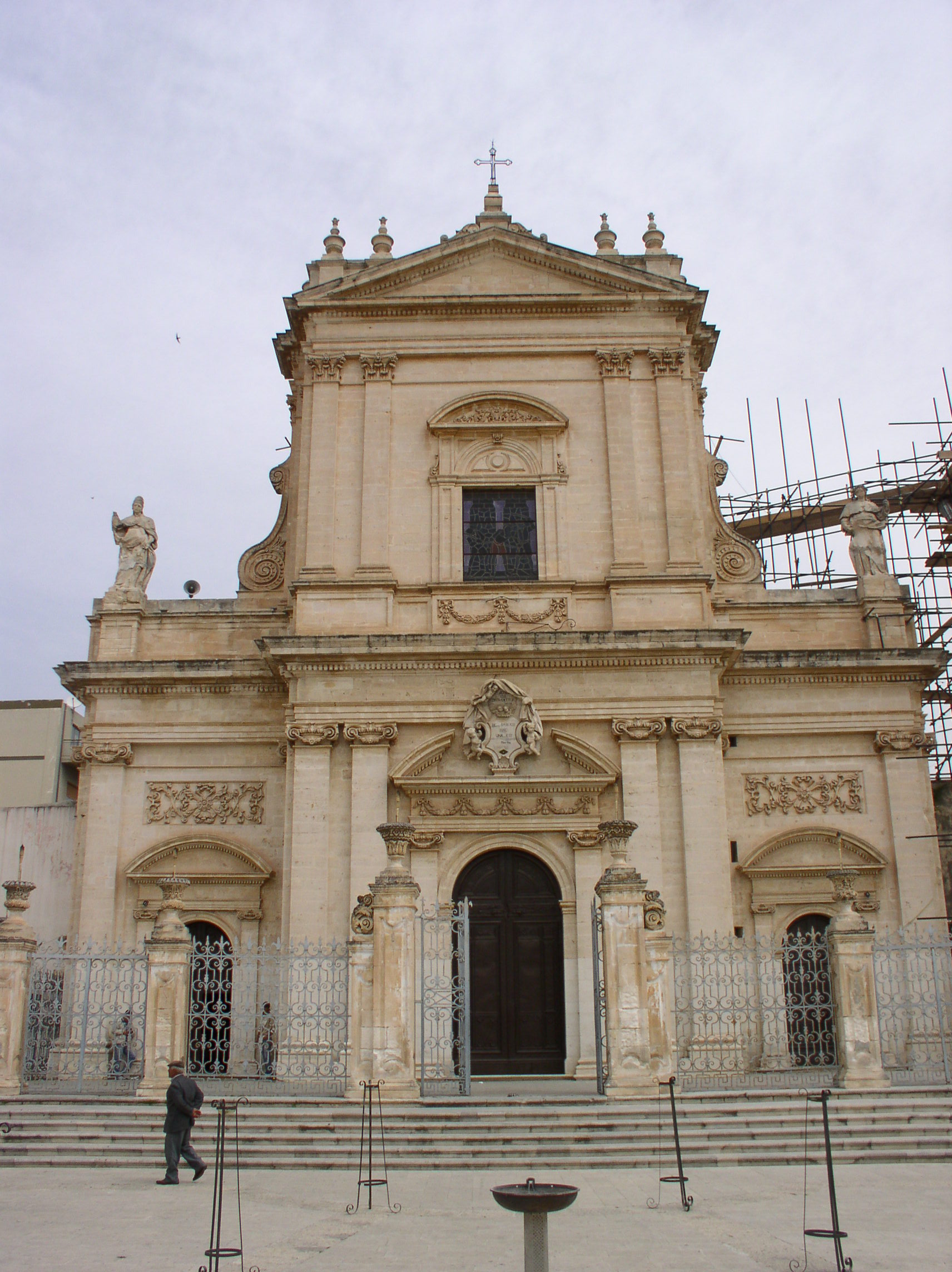
- Key monument: Church of San Bartolomeo (1763), Piazza Regina Margherita
- Province: Ragusa, Sicilia
- GPS: 36.7852, 14.9063 — Google Maps
History
The Val di Noto earthquake of January 1693 was the most destructive seismic event in Sicilian recorded history. The earthquake and subsequent fire destroyed Ispica (then known as Spaccaforno), Noto, Ragusa, Modica, Scicli, Palazzolo Acreide, Caltagirone, and Militello in Val di Catania — the eight towns that now form the UNESCO inscription. In each case, the Sicilian nobility, clergy, and Spanish viceregal administration chose to rebuild on new or elevated sites, adopting the baroque idiom that was then the dominant European style for monumental architecture.
Ispica’s reconstruction was slower than the grander towns — Noto was rebuilt with royal patronage and international architects, while Ispica was rebuilt principally from local resources. The result is a baroque urbanism that is more domestic in scale, with palazzi of moderate ambition and churches whose facades show the local Ragusa stone craftsmen working at the limit of their competence. This authenticity is part of what the UNESCO inscription recognises: not a showcase baroque capital but an ordinary provincial town rebuilt with the vocabulary of the age.
The prehistoric Cava d’Ispica canyon, 2 km north of the modern town, contains Bronze Age necropoli, Byzantine cave churches, and medieval rock-cut dwellings — a separate archaeological site that documents the very different earlier phases of habitation on this territory.
What you see
The centre of Ispica is Piazza Regina Margherita, a modest baroque square with the church of San Bartolomeo at one end (rebuilt 1763, façade by Rosario Gagliardi’s school) and the Palazzo Bruno di Belmonte (1910, in Art Nouveau style — an unexpected late addition to the baroque townscape) at the other. Via XX Settembre runs from the piazza toward the edge of the plateau, passing a sequence of single-street palazzi with carved doorways and balcony brackets in the local limestone.
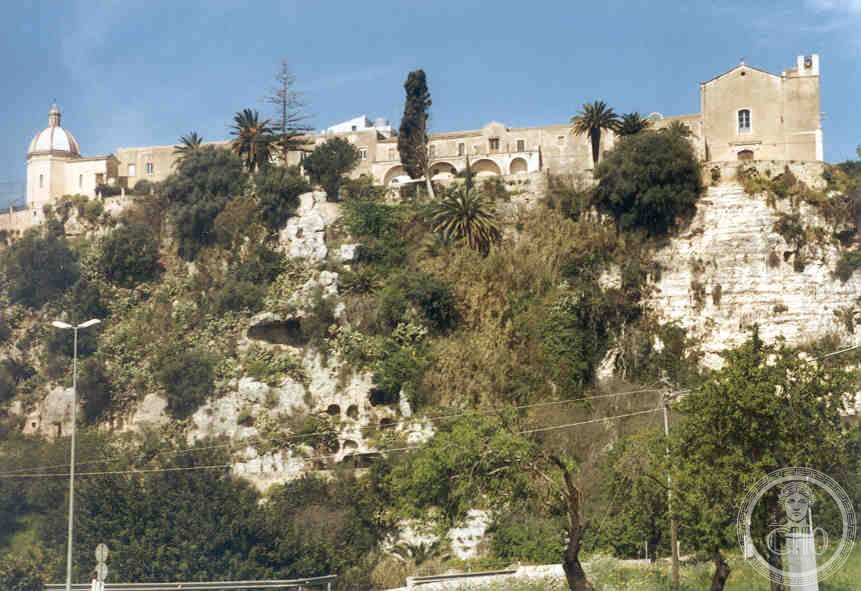
The Annunziata church, on the cliff edge above the Cava canyon, is the most dramatically sited of Ispica’s buildings — the gorge falls away 60 metres from the church forecourt, with the canyon walls visible below. From this point the prehistoric cave necropolis of the Cava d’Ispica is visible on the opposite face of the canyon; a path descends in 20 minutes.
Gallery
Practical information
- Access: The town centre is freely accessible. Cava d’Ispica park has an entrance fee (~€5).
- Cava d’Ispica: Open daily except Monday; guided tours available from the entrance at the Ispica side.
- Duration: 1–2 hours for the baroque town; half day to include the Cava d’Ispica.
- Best time: October–May; summer temperatures regularly exceed 35°C.
- Val di Noto pass: A combined ticket covering multiple Val di Noto towns is available from tourist offices in Noto and Ragusa.
Getting there
Ispica is 27 km south of Ragusa on the SS115. By car: from Ragusa 30 min; from Modica 20 min; from Noto 40 min. Bus: AST service from Ragusa and Modica (1–2 services per day, infrequent). No direct rail service; nearest stations Modica or Pozzallo (12 km south). The SS115 coast road connects Ispica to Pozzallo (ferry port for Malta) in 15 min. From Catania Fontanarossa airport: 100 km, ~1h20 by car via A18/SS115.
Nearby
- Modica — 20 km north; Val di Noto baroque town with its two-level cathedral and artisanal chocolate tradition
- Ragusa Ibla — 27 km north-west; the best-preserved baroque quarter of the Val di Noto group
- Marzamemi — 25 km south-west; old tuna-trap village and fishing port on the Ionian coast
Sources
- UNESCO World Heritage Centre: whc.unesco.org/en/list/1024
- Wikipedia EN: Ispica
- Tobriner, Stephen: The Genesis of Noto, London, 1982
Gallery
Find it on the map
See this place and what’s around it →📷 Become a Cultural Heritage Online photographer
Share your photos of places: they stay published under your name as the author. The more they're seen, the more you get noticed — and soon a contest will reward the most appreciated photos.
Log in or sign up free to add a photo