
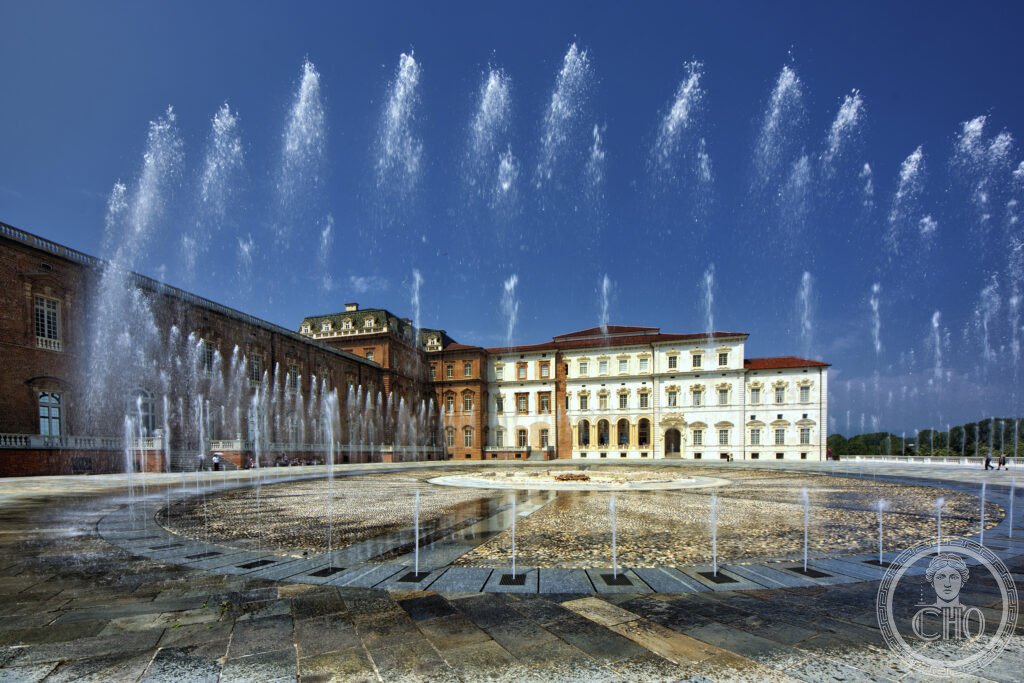
Residenze Sabaude
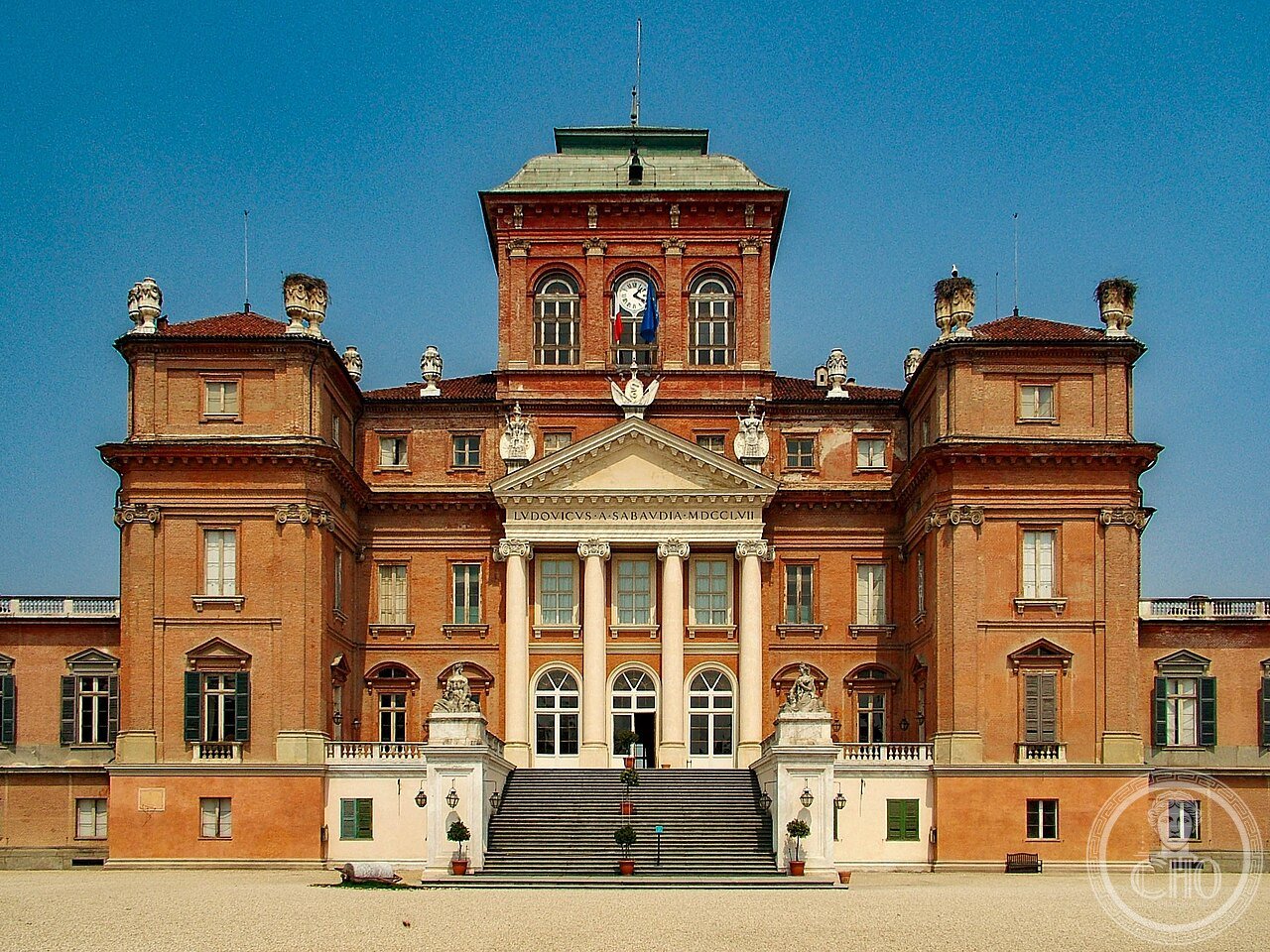
Le Residenze Sabaude (UNESCO 1997, rif. 823) sono il sistema più completo di residenze reali barocche d’Europa — 20 residenze costruite dai Savoia tra il 1563 CE (il trasferimento della capitale da Chambéry a Torino) e il 1860 CE (l’Unità d’Italia), che circondano Torino in una raggiera di castelli, palazzi e ville di caccia disegnati da Filippo Juvara e Guarino Guarini.
At a glance
Residenze Sabaude Piemonte (the most precisely Residenze Sabaude zone Torino Piemonte Italy 45.0704 N 7.6868 E (Palazzo Reale central coordinate) UNESCO WHS 1997 reference 823 Residences of the Royal House of Savoy: the site (the UNESCO inscription covers the following 19 specific residences (the exact list per the nomination dossier, 1994 CE): Palazzo Reale di Torino (1646 CE); Castello del Valentino (1660 CE); Villa della Regina (1620 CE; begun by Cardinal Maurizio di Savoia); Venaria Reale (1658 CE; the largest royal palace by area in Italy: 80,000 m²); Palazzina di Stupinigi (1729 CE); Castello di Rivoli (1710 CE; now Museo d’Arte Contemporanea (MAC): the most visited contemporary art museum in Piedmont)); the Savoy dynasty (the House of Savoy: the oldest ruling dynasty in European history by 1997 CE: the Savoy family had been ruling since 1003 CE (Umberto I “Biancamano” (White Hands): Count of Savoy c.1003–1048 CE); by 1861 CE the House of Savoy ruled the Kingdom of Italy (the longest recorded continuous dynasty in European history from 1003 to 1946 CE: 943 years); the residence network (the structure of Savoyard royal life: the 20 residences were not all lived in simultaneously but organized by function (the “corte itinerante”, the itinerant court): (1) winter residences (Palazzo Reale di Torino: the official court, November–March); (2) summer hunting residences (Venaria Reale: May; Stupinigi: September–October (the stag-hunting season); Racconigi: August); (3) devotional retreats (Superga: the Basilica of Superga (1731 CE; Juvara; not in UNESCO site but linked): the mausoleum of the Savoy kings 1731–1947 CE): the Savoy are still interred there after the republic referendum of 1946 CE))).
Key facts
- Filippo Juvara e il suo contributo decisivo al barocco sabaudo: perché Stupinigi (1729 CE) è il capolavoro dell’architettura cinquecentesca italiana e cosa distingue la sua tecnica da quella di Guarini: the architecture (Filippo Juvara (1678–1736 CE): the most prolific court architect of the Italian Baroque (designed 25 buildings in 20 years in Turin: 1714–1735 CE; born in Messina; trained in Rome under Carlo Fontana (1638–1714 CE) (Fontana was also the teacher of Bernini’s successor at Saint Peter’s Basilica)); the Palazzina di Caccia di Stupinigi (1729–1733 CE: the Savoy hunting lodge; commissioned by Vittorio Amedeo II (1666–1732 CE); the plan (the “ragno” plan: the “spider”): a central oval salone with 4 radiating wings; the 4 wings are not symmetrical (2 wings = the main residential apartments; 2 wings = the stables and service buildings); the central salone (the “Salone centrale”: 33 m wide; 27 m high; the oval dome with the painted ceiling: “Diana and the Hunt” by Carle Van Loo (1736 CE); the bronze stag on top of the dome (the weather vane): 3 m tall; added 1740 CE; the symbol of the hunting lodge)); the contrast with Guarini (Guarino Guarini (1624–1683 CE): Juvara’s predecessor at the Savoy court: the 2 architects represent 2 different Baroque philosophies: Guarini (the “Baroque of movement”): complex geometric vaults, interlaced ribs, star-shaped windows, anti-classical plans (the Cappella della Sindone (1668–1694 CE): the dome of interlaced horseshoe arches); Juvara (the “Baroque of light”): clear geometric spaces, zenithal illumination, rational distribution, theatrical effects of light and shadow (Stupinigi central salone: 12 oculi bringing light from above; no side windows in the drum))
- GPS (Palazzo Reale di Torino, Piazzetta Reale 1): 45.0704° N, 7.6868° E
History
Dalla traslazione della capitale sabauda da Chambéry a Torino nel 1563 CE al UNESCO 1997 (the most precisely Residenze Sabaude zone history: the dynastic context (the House of Savoy: from 1003 CE to 1946 CE; the capital transfer (1563 CE: Duke Emanuele Filiberto (1528–1580 CE) (“Testa di Ferro”, Iron Head: the most militarily capable Savoy ruler; won the Battle of Saint-Quentin (1557 CE) as Spanish commander against France) transferred the capital from Chambéry (in French Savoy) to Turin (in Italian Piedmont): the motivation: after the Treaty of Cateau-Cambrésis (1559 CE) restored Savoy to Emanuele Filiberto (the French had occupied Savoy 1536–1559 CE) he chose Turin as the strategic capital for Italian expansion); the palace building campaign (Palazzo Reale (1646 CE): began under Carlo Emanuele II (1634–1675 CE); architect Amedeo di Castellamonte; the throne room: the largest in Italy (30 m × 15 m); the Sala dei Paggi; the Hall of Swiss Guards (with the 1646 CE ceiling fresco by Jan Miel)); Venaria Reale (1658–1679 CE: the hunting palace; Carlo Emanuele II; Amedeo di Castellamonte; 80,000 m²; the largest palace by area in Piedmont; sacked by French troops in 1693 CE and 1706 CE; rebuilt by Juvara 1716–1728 CE; abandoned 1798 CE (Napoleonic period); used as military barracks 1919–1978 CE; restoration: 1997–2007 CE (the longest and most expensive art restoration in Italian history: 300 million euros; the works coordinated by the Fondazione La Venaria Reale))); the UNESCO inscription (1997 CE: reference 823).
What you see
La Reggia di Venaria, la Palazzina di Stupinigi, il Palazzo Reale di Torino, la Cappella della Sindone (the most precisely Residenze Sabaude zone visit (3 days for the full circuit; 1 day per residence): Day 1 — Venaria Reale (the Reggia di Venaria: the most visited of the Savoy residences: 750,000 visitors/year; ticket €15 (includes garden + museum + Galleria Grande); the Galleria Grande (70 m): the showpiece; the Cappella di Sant’Uberto (Juvara, 1728 CE): the hunting chapel with the green marble columns and the painted vault); Day 2 — Stupinigi (the Palazzina di Stupinigi (9 km from Torino, bus 41 from Torino Porta Nuova): €12; the central Salone di Diana (the oval room: Juvara’s masterpiece; the bronze stag weather vane on the dome; the painted ceiling by Van Loo); the furniture museum in the wings: 12,000 Savoy period pieces on display (the largest Baroque furniture collection in Italy)); Day 3 — Torino centre (the Palazzo Reale + Armeria Reale (Piazzetta Reale 1; €12; the Armeria = 18,000 pieces; the most important historical weapons collection in Europe); the Palazzo Madama (Piazza Castello; €10; the collection of Medieval and Baroque decorative arts; the “Portrait of an Unknown Man” by Antonello da Messina (c.1476 CE: 1 of 3 known panel paintings by Antonello in Italy); the Mole Antonelliana (the 1889 CE tower + the cinema museum: 1,000 movies in the spiral ramp)).
Practical information
- Come visitare Venaria Reale e Stupinigi partendo da Torino e come prenotare i biglietti senza fila: il trasporto (Torino Porta Nuova → Venaria Reale: GTT bus 72 (35 min; €1.70; partenze ogni 20 min da Piazza Castello); Torino → Stupinigi: GTT bus 41 (20 min da Torino Porta Nuova); il biglietto (prenotazione online obbligatoria per Venaria Reale in luglio-agosto: residenzereali.it (il portale unificato delle residenze sabaude; biglietto Venaria Reale €15; biglietto Stupinigi €12; biglietto combinato Residenze Sabaude (include tutte le residenze aperte): €25 valido 1 anno); il Palazzo Reale di Torino non richiede prenotazione (accesso libero durante il giorno); la stagione (la visita migliore: aprile-maggio (il giardino di Venaria in fiore: la vasca lunghissima (la “peschiera”: 680 m × 35 m) con i giochi d’acqua attivi))
Getting there
Torino Caselle Airport → Torino Porta Nuova: shuttle (50 min, €7.50). Venaria: bus 72 (35 min, €1.70). Stupinigi: bus 41 (20 min). GPS Palazzo Reale: 45.0704/7.6868. Biglietto Venaria €15, Stupinigi €12.
Nearby
- Sacra di San Michele (963 CE — monastero romanico sul Monte Pirchiriano) — 38 km (Val di Susa; bus GTT da Torino Stura a Sant’Ambrogio di Torino 50 min poi 1.5km a piedi in salita; €6; il modello ispiratore del “Nome della Rosa” di Umberto Eco (1980 CE))
- Langhe (Patrimonio UNESCO dell’Umanità 2014 per i Paesaggi Vitivinicoli del Piemonte) — 70 km (Alba-Barolo-La Morra; Trenitalia Torino→Alba 1h; i vigneti di Barolo e Barbaresco; la Cantina dei Marchesi di Barolo (Via Alba 12, Barolo; visita + degustazione €15))
Gallery
Sources
- Wikipedia, Residences of the Royal House of Savoy; Reggia di Venaria Reale; Palazzina di Caccia di Stupinigi; Filippo Juvara, accessed June 2026
- UNESCO, Residences of the Royal House of Savoy, WHS reference 823, inscribed 1997
- Fondazione La Venaria Reale, La Reggia di Venaria — Storia e restauro. Turin, 2007
Find it on the map
See this place and what’s around it →📷 Diventa un fotografo di Cultural Heritage Online
Condividi le tue foto dei luoghi: restano pubblicate con la tua firma come autore. Più vengono viste, più ti fai conoscere — e presto un concorso premierà le foto più apprezzate.
Accedi o registrati gratis per aggiungere una foto