

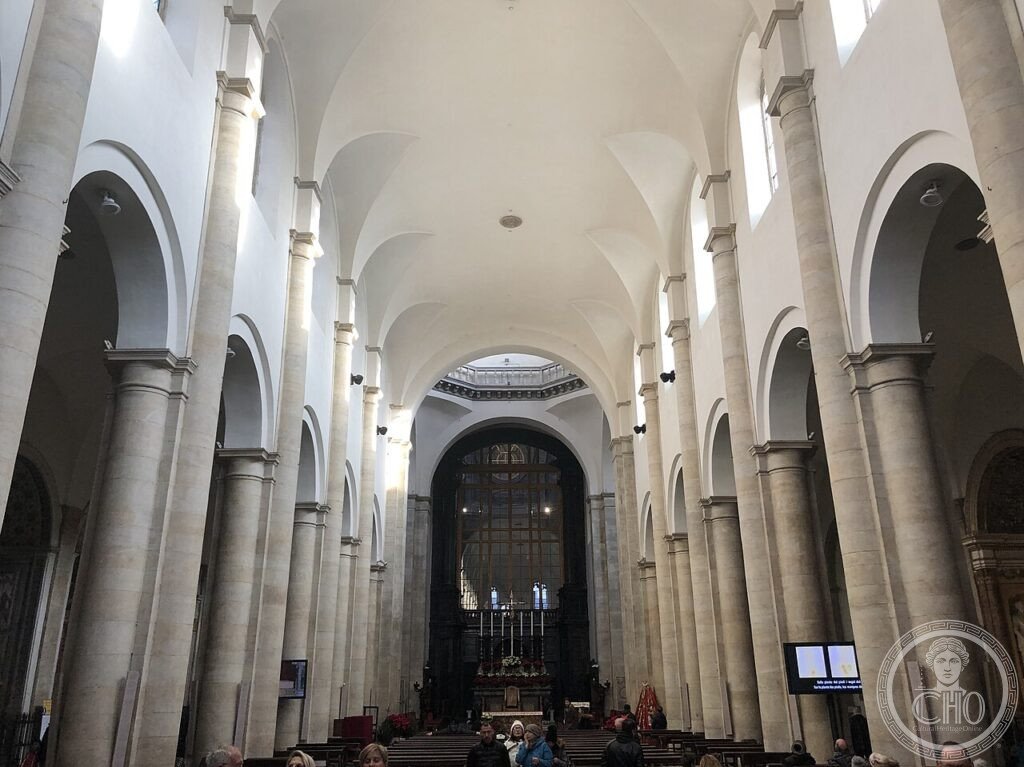
Behind its restrained Baroque facade on Piazza Castello, the Palazzo Reale hides Guarino Guarini’s Chapel of the Holy Shroud, whose lattice dome dissolves into geometry and light and later inspired Christopher Wren’s dome for St Paul’s Cathedral in London.
At a glance
The Palazzo Reale was the principal residence of the House of Savoy from the mid-seventeenth century, built by Carlo di Castellamonte on the site of the earlier ducal palace. Its east front on Piazza Castello still shows the original seventeenth-century proportions, with the nineteenth-century Armeria Reale wing standing to one side.
The palace forms part of the Residenze Sabaude, a group of eleven Savoy properties in and around Turin inscribed together on the UNESCO World Heritage List in 1997. The ensemble spans some two hundred and fifty years of dynastic building, from the Palazzo Reale itself to the hunting palace of Venaria Reale and Filippo Juvara’s lodge at Stupinigi, alongside the churches designed by Guarino Guarini.
Key facts
- Architect: Carlo di Castellamonte designed the main palace; later work involved Guarino Guarini, Filippo Juvara and, elsewhere in the Savoy network, Benedetto Alfieri.
- Cappella della Sacra Sindone: built between 1668 and 1694 by Guarino Guarini to house the Holy Shroud, attached to both the Palazzo Reale and the Cathedral of San Giovanni.
- Guarini’s dome: replaces a solid shell with interlocking stone arches forming an open lattice, a structural principle later taken up by Sir Christopher Wren for St Paul’s Cathedral.
- Armeria Reale: a nineteenth-century wing of the palace, added in 1837, housing the Savoy collection of arms and armour.
- UNESCO status: the Palazzo Reale is one of eleven properties inscribed together in 1997 as the Residenze Sabaude.
History
Work on the Palazzo Reale began in 1646 under Carlo di Castellamonte, replacing the existing ducal palace as the Savoy family made Turin its primary seat, with the main structure completed by 1658. Guarino Guarini, a Theatine priest, mathematician and architect, arrived in Turin in 1666 at the invitation of Duke Carlo Emanuele II and began the Cappella della Sacra Sindone two years later; it was finished in 1694, after his death, to his designs.
Filippo Juvara was called to Turin by Victor Amadeus II in 1714 and worked prolifically over the following two decades, adding the facade and staircase of Palazzo Madama, the hilltop basilica of Superga, and the Stupinigi hunting lodge. Napoleon’s army entered Turin in 1798 and the Savoy family withdrew; after Italian unification in 1861 Turin served briefly as capital of the new kingdom before the seat of government moved on. The Residenze Sabaude were inscribed on the UNESCO World Heritage List in 1997.
The Holy Shroud, owned by the House of Savoy since 1453, was brought to Turin in 1578 by Duke Emanuele Filiberto, making the city’s Baroque capital the setting for Europe’s most politically potent relic. Guarini’s chapel was built specifically to house it. A fire in 1997 damaged the chapel, and restoration of its upper lattice dome has continued since.
What you see
The royal apartments include the Sala del Trono, with its Baroque ceiling decoration, and a set of eighteenth-century Chinese Cabinets lined with lacquered panels. The Armeria Reale, reached as a separate wing of the palace, holds one of Italy’s principal collections of arms and armour.
The Cappella della Sacra Sindone is accessible at ground level from the palace. Its rebuilt drum is complete, but the upper lattice dome remains under long-term restoration and is viewed through safety barriers; photographs at the chapel entrance help explain Guarini’s original design. Across Piazza Castello, the church of San Lorenzo, also by Guarini, survived without fire damage and offers a complete view of his octagonal interlocking-rib dome, considered his most spatially inventive.
Beyond the city centre, the wider Residenze Sabaude group includes Venaria Reale, a large restored Baroque complex to the north of Turin with a long gallery now used for the Savoy portrait collection, and Stupinigi to the south, Juvara’s hunting lodge built on an X-shaped plan around a central oval domed hall.
Practical information
- Visiting the palace: the royal apartments are seen on a guided route; the Armeria Reale requires a separate visit within the same building group.
- Cappella della Sacra Sindone: access and restoration viewing arrangements should be checked directly with the palace’s official channels before visiting.
- Combined tickets: a Piemonte Musei pass covers several Residenze Sabaude sites in the Turin area over multiple days; details are available from the official ticketing body.
- Holy Shroud viewing: the Shroud itself is now displayed in the adjoining Cathedral of San Giovanni, and advance booking is required through the shrine’s own website.
Getting there
Turin is reached by high-speed train from Milan and Genoa, arriving at Porta Nuova or Porta Susa station, both within easy walking distance of Piazza Castello and the Palazzo Reale. Venaria Reale and Stupinigi, the other principal Residenze Sabaude sites near the city, are reached by local bus from central Turin.
Nearby
- San Lorenzo — directly on Piazza Castello, a complete Guarini interior with an unrestored lattice dome.
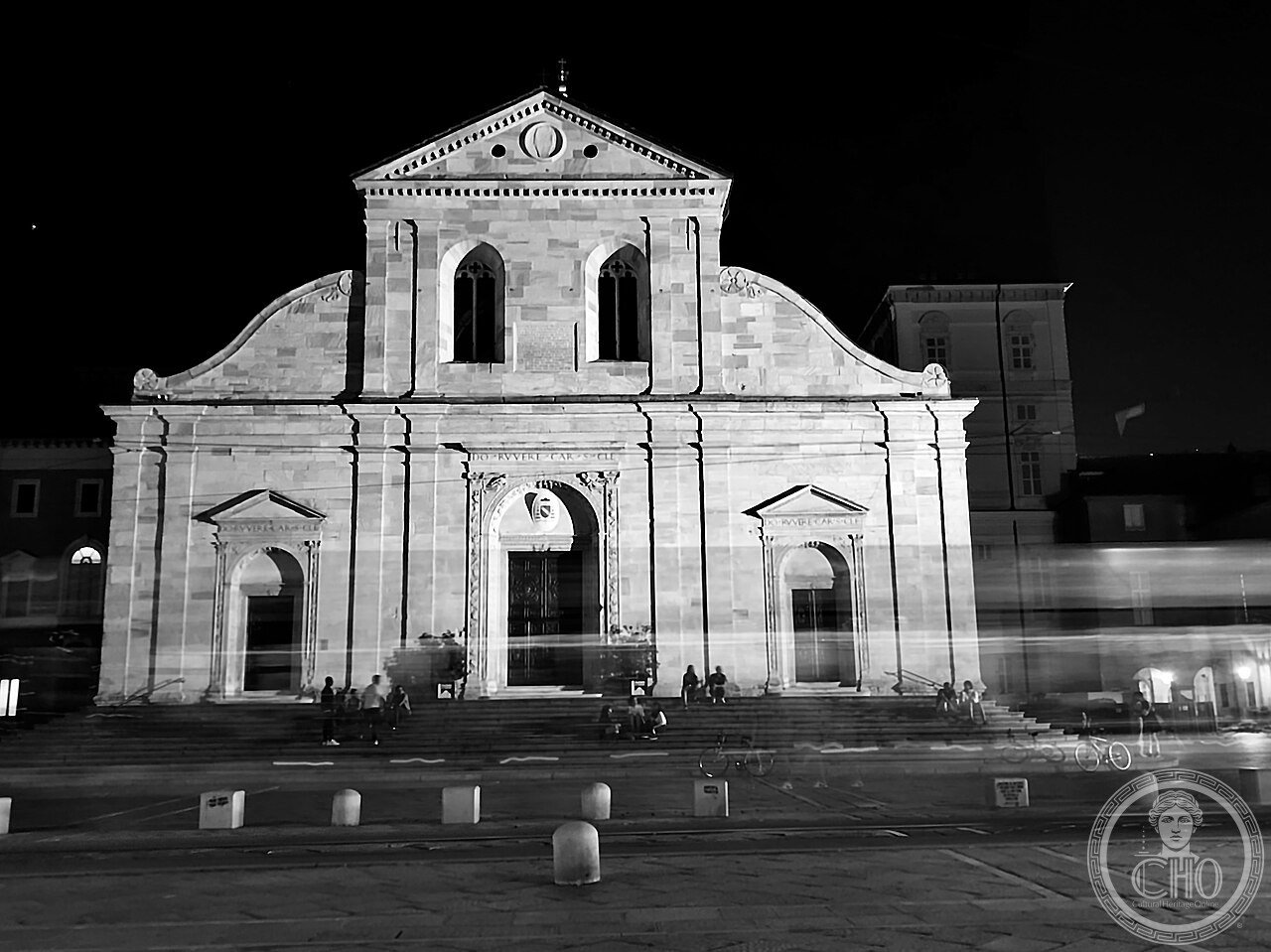
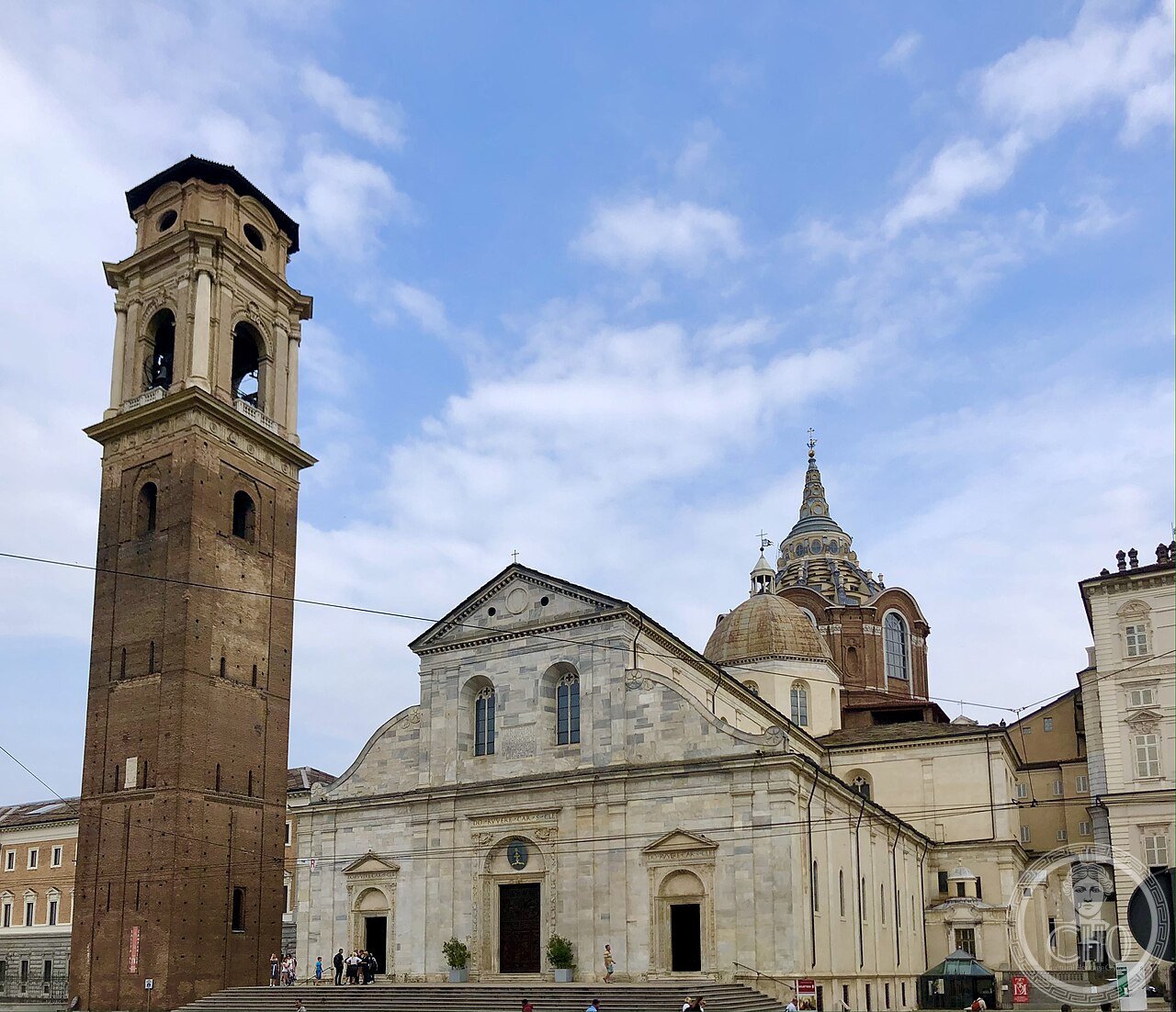
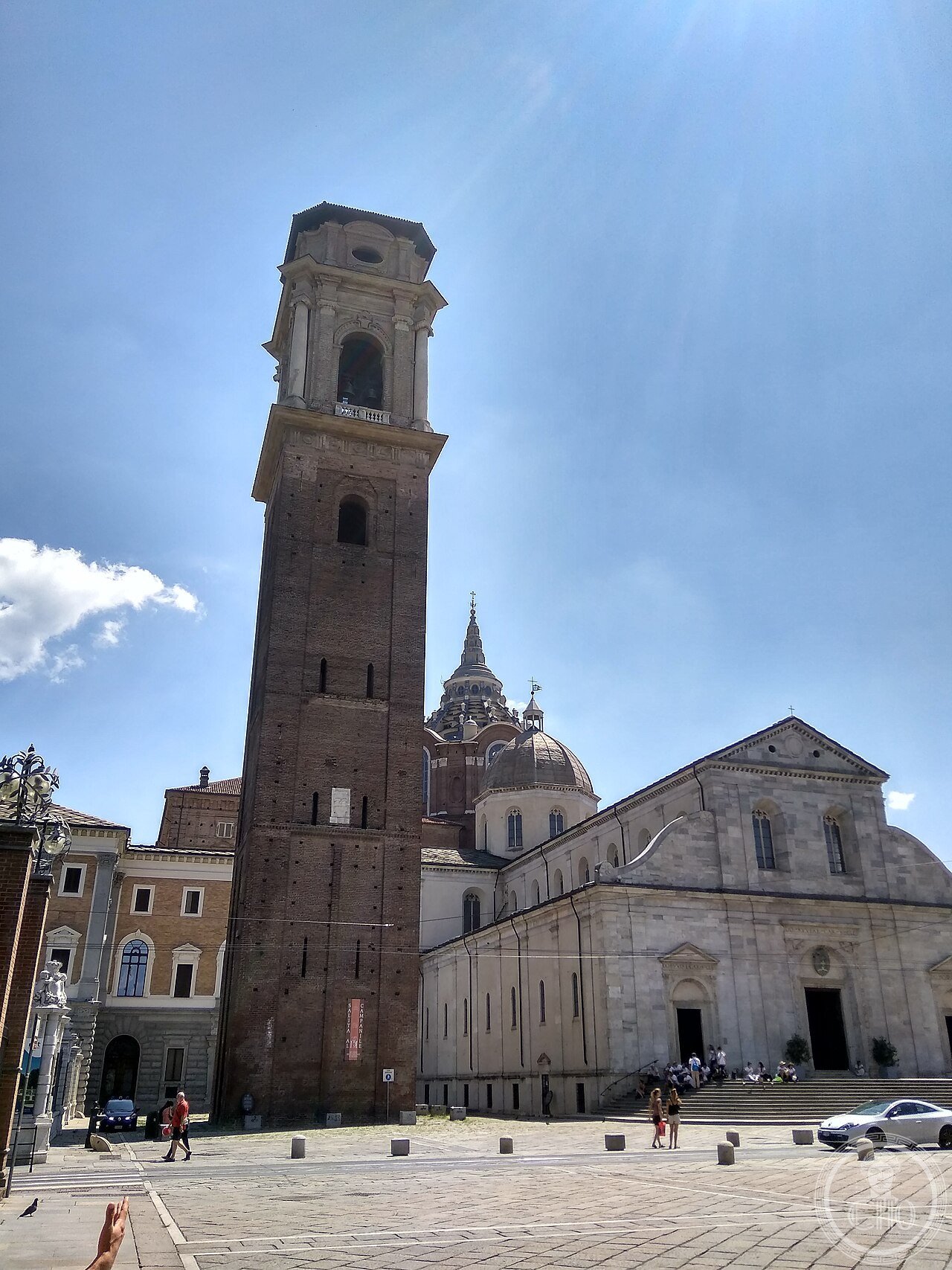
- Cathedral of San Giovanni — adjoining the palace, current home of the Holy Shroud.
- Venaria Reale — around 30 km north of Turin, the largest of the restored Savoy residences.
- Palazzina di Caccia di Stupinigi — around 10 km south of Turin, Juvara’s hunting lodge with its distinctive oval domed hall.
Sources
- UNESCO
- Palazzo Reale di Torino
- Guarino Guarini, Architettura Civile (1737)
Gallery
Find it on the map
See this place and what’s around it →📷 Become a Cultural Heritage Online photographer
Share your photos of places: they stay published under your name as the author. The more they're seen, the more you get noticed — and soon a contest will reward the most appreciated photos.
Log in or sign up free to add a photoIs this page about you?
This page is read by travellers and heritage enthusiasts who find it on Google. Tell us how you are connected to this place and we will take it from there.