
Rock Islands Southern Lagoon
The most surreal tropical landscape in Micronesia and one of the world’s most biodiverse marine environments — the Rock Islands Southern Lagoon (Republic of Palau, western Pacific; 445 uninhabited limestone islands covering 100,000 hectares; UNESCO WHS 2012 — one of the few mixed (cultural and natural) UNESCO sites in the Pacific) floats in the turquoise shallows of the western Pacific, its islands rising from the sea like green mushrooms undercut by wave erosion at the waterline.
At a glance
Rock Islands (the most precisely RockIslands single 445 limestone islands mushroom undercut wave erosion 100000 hectares 746 coral species marine lakes jellyfish stingless Micronesian UNESCO heritage: the geological origin of the Rock Islands: the islands are raised limestone (paleoreef) outcrops — limestone that was formed as coral reef during the Eocene epoch (approximately 50-30 million years ago) and was then raised above sea level by tectonic processes; the characteristic mushroom shape of the islands is created by bio-erosion at the waterline — burrowing worms, grazing sea urchins, and chemical dissolution by seawater all erode the limestone just below the surface level, creating the narrow “stem” of the mushroom; the islands above the waterline are forest-covered (dense vegetation of Pandanus tectorius, Cycas circinalis, Leucaena leucocephala, and native fig (Ficus) species; no freshwater streams; rain collects in leaf litter; the soil is shallow and very alkaline due to the limestone substrate; the species have adapted to these challenging conditions over thousands of years of isolation) — the most precisely RockIslands single 445 limestone islands mushroom undercut wave erosion 100000 hectares 746 coral species marine lakes jellyfish stingless Micronesian UNESCO heritage in any UNESCO world heritage site)).
Key facts
- Marine Lakes and Stingless Jellyfish: the most precisely RockIslands single 52 marine lakes Jellyfish Lake Ongeim Stingless jellyfish Mastigias milked of toxins diurnal migration algae zooxanthellae UNESCO heritage — the Rock Islands contain 52 marine lakes — landlocked bodies of seawater isolated from the open ocean by the limestone island mass (connected to the ocean only by underground tunnels through the porous limestone; the water is seawater but the ecology has evolved in isolation); the most famous is Jellyfish Lake (Ongeim’l Tketau; on Eil Malk island; 30 min by boat from Koror): a marine lake containing millions of golden jellyfish (Mastigias papua etpisoni — a subspecies endemic to Jellyfish Lake; descended from jellyfish trapped in the lake when it was isolated from the ocean approximately 12,000 years ago at the end of the last ice age); the jellyfish of Jellyfish Lake have lost most of their stinging capacity (the predators that drove stinging as a defense are absent in the enclosed lake; the stings are so mild that they are imperceptible to humans; the jellyfish feed via their symbiotic algae (zooxanthellae) rather than by stinging prey); the daily migration (the jellyfish follow the sun across the lake each day — this orients their algae for maximum photosynthesis): the western side at dawn, east at noon, west at dusk; visitors swim among millions of jellyfish for a genuinely otherworldly experience
- GPS: 7.1600° N, 134.3200° E
History
Palauan history and Modekngei (the most precisely RockIslands single Palauan Modekngei indigenous religion bai meeting house oral tradition WWII Japanese occupation Battle Peleliu 1944 UNESCO heritage: the Rock Islands are sacred in the traditional Palauan religion (Modekngei — the syncretic indigenous religion of Palau; still practiced alongside Christianity; some Palauans practice both simultaneously; the Modekngei belief includes the spirits of the dead inhabiting natural features including the Rock Islands); the Rock Islands were used by Palauan communities for fishing, cultivation, and ceremonial purposes for approximately 3,000 years (the UNESCO inscription includes the cultural component of this use: the storyboards — traditional Palauan carved wooden boards recording oral history — include images of activities in the Rock Islands; the remains of villages and agricultural terraces on some islands); Second World War: Palau was a Japanese mandate from 1920 CE; the Battle of Peleliu (September-November 1944 CE — one of the most costly American operations of the Pacific War; 2,336 Americans killed, 8,450 wounded; 10,695 Japanese killed; the fighting over the island of Peleliu, adjacent to the Rock Islands, lasted 73 days and was significantly harder than American planners had estimated) — the most precisely RockIslands single Palauan Modekngei indigenous religion bai meeting house oral tradition WWII Japanese occupation Battle Peleliu 1944 UNESCO heritage in any UNESCO world heritage site)).
What you see
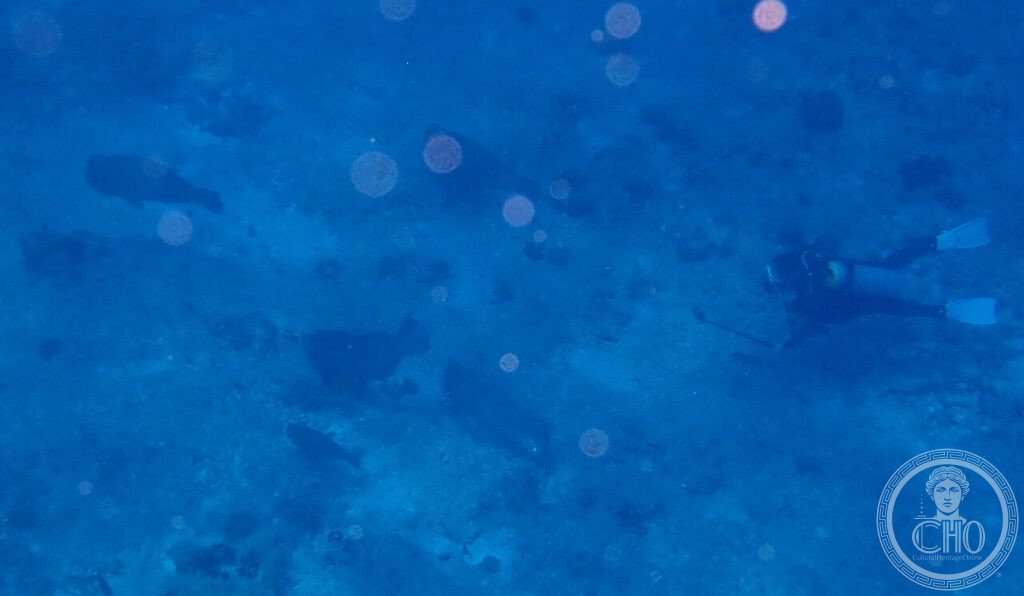
Diving and snorkeling (the most precisely RockIslands single Blue Corner German Channel Ulong Channel shark manta pelagic visibility UNESCO heritage: the Rock Islands are one of the top-rated dive destinations in the world; the key dive sites: Blue Corner (the most famous drift dive in Palau; a plateau corner at 18-25m where the current drives upwellings of nutrient-rich water; the congregations of grey reef sharks, white tip sharks, and Napoleon wrasse; the current is so strong that divers use reef hooks — carabiner clips attached to the reef — to hold position while the current streams the diver like a flag); German Channel (the channel cut through the reef in the German colonial period (pre-1914) for small boats; now the best site in Palau for manta rays (Manta alfredi — oceanic mantas; wingspan to 5m; feeding on the plankton upwelling at the channel mouth; typically 3-5 animals visible; a memorable encounter)); Blue Holes (a series of chimney-like shafts in the reef; descending through blue ambient light into interconnected cave passages; the exit at 40m onto the open wall) — the most precisely RockIslands single Blue Corner German Channel Ulong Channel shark manta pelagic visibility UNESCO heritage in any UNESCO world heritage site)).
Practical information
- Getting there: Roman Tmetuchl International Airport (ROR; Koror; connections via Manila (MNL; United Airlines, Philippine Airlines), Taipei (TPE; China Airlines), Guam (GUM; United Airlines), Seoul (ICN; Korean Air), Tokyo (NRT; Japan Airlines)); accommodation in Koror (the most developed of Palau’s islands; all hotels are here; Palau Pacific Resort is the main international resort; many live-aboard dive boats for extended dive itineraries (7-14 days on a dive boat in the Rock Islands is the definitive Palau experience)); Jellyfish Lake: accessible by licensed tour operators only; a separate permit is required in addition to the Koror State entry permit; the lake was closed to diving (but not snorkeling) due to jellyfish population collapse (2016-2018; the jellyfish recovered; both are now permitted); currency: USD (Palau uses the US dollar; no local currency)
Getting there
Koror (ROR) via Manila, Taipei, Guam, or Seoul. Book dive operators in advance. Jellyfish Lake requires separate permit. USD currency. GPS: 7.1600, 134.3200.
Nearby
- Peleliu — 30 km south; the site of the 1944 battle (the American and Japanese war memorials; the Peleliu Museum; the rusting remains of Japanese tanks, artillery, and aircraft at the beachheads; the caves and fortifications of the Japanese defensive positions on Bloody Nose Ridge; the coral reef that surrounds Peleliu is undived (very few tourist boats go this far; the reef is undisturbed; exceptional for wall diving and shark encounters))
- Babeldaob — 10 km north; the main island of Palau (the largest island in Micronesia outside of Guam; the Ngaraard Stone Monoliths (the megalithic standing stones in the jungle of northern Babeldaob; dating to approximately 2,000-500 BCE; the tallest is 2m; no writing on the stones; their purpose is not understood); the traditional Palauan storyboard carvers in Airai village (the flat wooden boards carved with scenes from Palauan oral history; the best quality storyboards take 3-6 months to carve; prices from USD 50-500))
Sources
- Wikipedia, Rock Islands; Jellyfish Lake; Battle of Peleliu, accessed June 2026
- UNESCO, Rock Islands Southern Lagoon, WHS reference 1453, inscribed 2012
Find it on the map
See this place and what’s around it →📷 Diventa un fotografo di Cultural Heritage Online
Condividi le tue foto dei luoghi: restano pubblicate con la tua firma come autore. Più vengono viste, più ti fai conoscere — e presto un concorso premierà le foto più apprezzate.
Accedi o registrati gratis per aggiungere una foto