
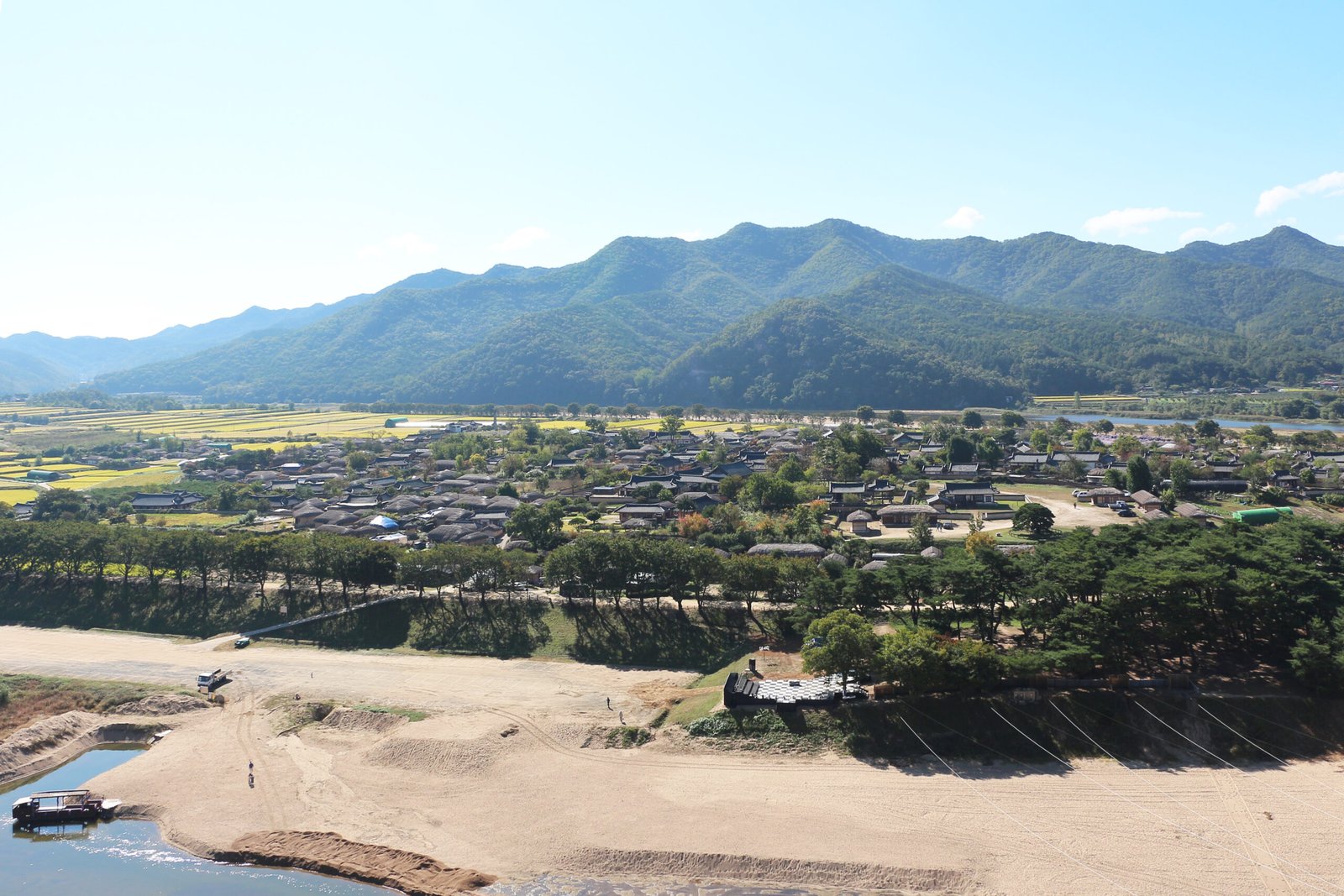
Community heritage is heritage defined by the people who live with it—not by governments or cultural authorities alone. Unlike officially designated sites, community heritage emerges from local identity, lived experience, and collective memory, shaping how people belong to a place and connecting them to CHO’s mission to document meaningful heritage worldwide.
The difference between community heritage and official designation
Official heritage—UNESCO World Heritage Sites, national monuments, listed buildings—follows formal criteria set by governments and international bodies. These designations carry legal protection and global prestige. Community heritage operates differently. It is identified and valued by residents themselves, often long before any official recognition arrives. A family business operating in the same storefront for four generations. A neighbourhood plaza where daily life unfolds. A traditional craft taught parent to child. These carry profound cultural weight within their communities, yet they may never appear on official registers.
The distinction matters because it recognises that heritage exists in the everyday, not only in the monumental.
Why local identity shapes heritage preservation
Heritage survives when communities have reason to care for it. This happens when people see themselves reflected in it—when it validates their identity and history. A building matters because ancestors lived there. A language survives because it carries stories. A tradition endures because it marks seasonal rhythms or life passages. When heritage is externally designated without community consent or participation, preservation often falters. Conversely, when communities own their heritage narratives, they invest in protection and transmission across generations.
This is why participatory heritage models succeed. When residents shape how their culture is represented and managed, stakes shift from compliance to custodianship.
Community participation in heritage documentation
Digital platforms like CHO’s interactive heritage map create new opportunities for community voices. Rather than waiting for official recognition, local stakeholders can document and share the places and practices that define their identity. This democratises heritage curation. A local guide can explain why a seemingly ordinary building matters. Residents can contribute photographs, oral histories, and contemporary context. Communities become co-authors of their heritage narrative rather than passive subjects of external documentation.
Effective community participation requires infrastructure: platforms that are accessible, credible, and designed to centre local knowledge.
The economics of community-led heritage
Community heritage often creates local economic value through cultural tourism, artisanal production, and experiential travel. When visitors engage with authentic, community-managed heritage, spending circulates locally. Guides, accommodations, craft sales, and food businesses all benefit. This contrasts with extraction models where heritage is packaged for external profit. Founding Partner programmes recognise this dynamic by linking local institutions directly to global audiences while preserving community agency and benefit-sharing.
The model works because heritage and economy reinforce each other—preservation requires resources, and community heritage generates them.
Intergenerational continuity and living heritage
Living heritage—practices, knowledge, and forms of expression maintained through living communities—depends on intergenerational transmission. Young people learn by doing, from elders, within community context. This transmission is fragile. Migration, economic pressures, and cultural assimilation interrupt it. Communities that actively value and invest in their heritage—through apprenticeships, festivals, education programmes—strengthen this chain. Documentation and digital visibility can support transmission by validating heritage as valuable, creating demand for practitioners, and offering youth pathways into cultural roles.
Community heritage survives when continuity is treated as a choice, supported by deliberate action.
Challenges to community-led heritage preservation
Community heritage faces real obstacles. Limited funding for local initiatives. Pressure to conform to commercial tourism expectations. External interests competing for control of heritage narratives and resources. Internal conflicts over who represents “the community” and which versions of history get told. Power imbalances, especially in post-colonial contexts where heritage documentation itself has colonial histories. Effective community-led preservation requires not just enthusiasm but infrastructure, legal frameworks, and equitable resource distribution.
These challenges are solvable through genuine partnership, transparency, and respect for community authority.
Frequently Asked Questions
What is the difference between intangible cultural heritage and community heritage?
Intangible cultural heritage—UNESCO’s term—refers to practices, representations, and knowledge systems (crafts, music, rituals, languages) transmitted across generations. Community heritage is broader: it includes intangible practices but also encompasses physical places, built environments, and any aspect of culture that a community identifies as central to its identity. All intangible heritage is potentially community heritage, but not all community heritage fits UNESCO categories.
Can a place be both official heritage and community heritage?
Yes, and ideally. Many UNESCO World Heritage Sites are also deeply significant to local communities. The relationship works best when communities participate in decisions about management and representation. Problems arise when official designation ignores or overrides community perspectives, or when heritage becomes a tourist commodity disconnected from daily community life.
How do communities protect their heritage without government recognition?
Through documentation, education, and organised practice. Communities transmit heritage by teaching children, maintaining traditions publicly, creating local museums or archives, and using digital platforms to establish public record. Organisation—cultural associations, family networks, local institutions—formalises commitment. Social pressure and collective memory reinforce continuity. Government recognition strengthens this, but doesn’t create it.
Why does community heritage matter for tourism and cultural economy?
Authentic community heritage attracts engaged visitors seeking genuine cultural encounter, not staged experiences. When communities control heritage narratives and benefit directly from tourism, economic value stays local. This creates incentives for preservation and quality. Tourist encounters that respect community agency and distribute benefits fairly strengthen both cultural continuity and sustainable local economies.
Sources: UNESCO Intangible Cultural Heritage Programme, ich.unesco.org; ICOMOS Charter for the Interpretation and Presentation of Cultural Heritage Sites, icomos.org; UNWTO Guidelines for Community-Based Tourism, unwto.org; CHO Magazine, culturalheritageonline.com/magazine/; Hahoe Folk Village UNESCO page, whc.unesco.org.
Sources
- S1 — Crooke, Elizabeth. Museums and Community: Ideas, Issues and Challenges. Routledge, 2007. ISBN 978-0-415-37952-6.
- S2 — Smith, Laurajane. Uses of Heritage. Routledge, 2006. ISBN 978-0-415-37662-4.
Spotted an error? Write to editorial@culturalheritageonline.com and we correct it the same day.