
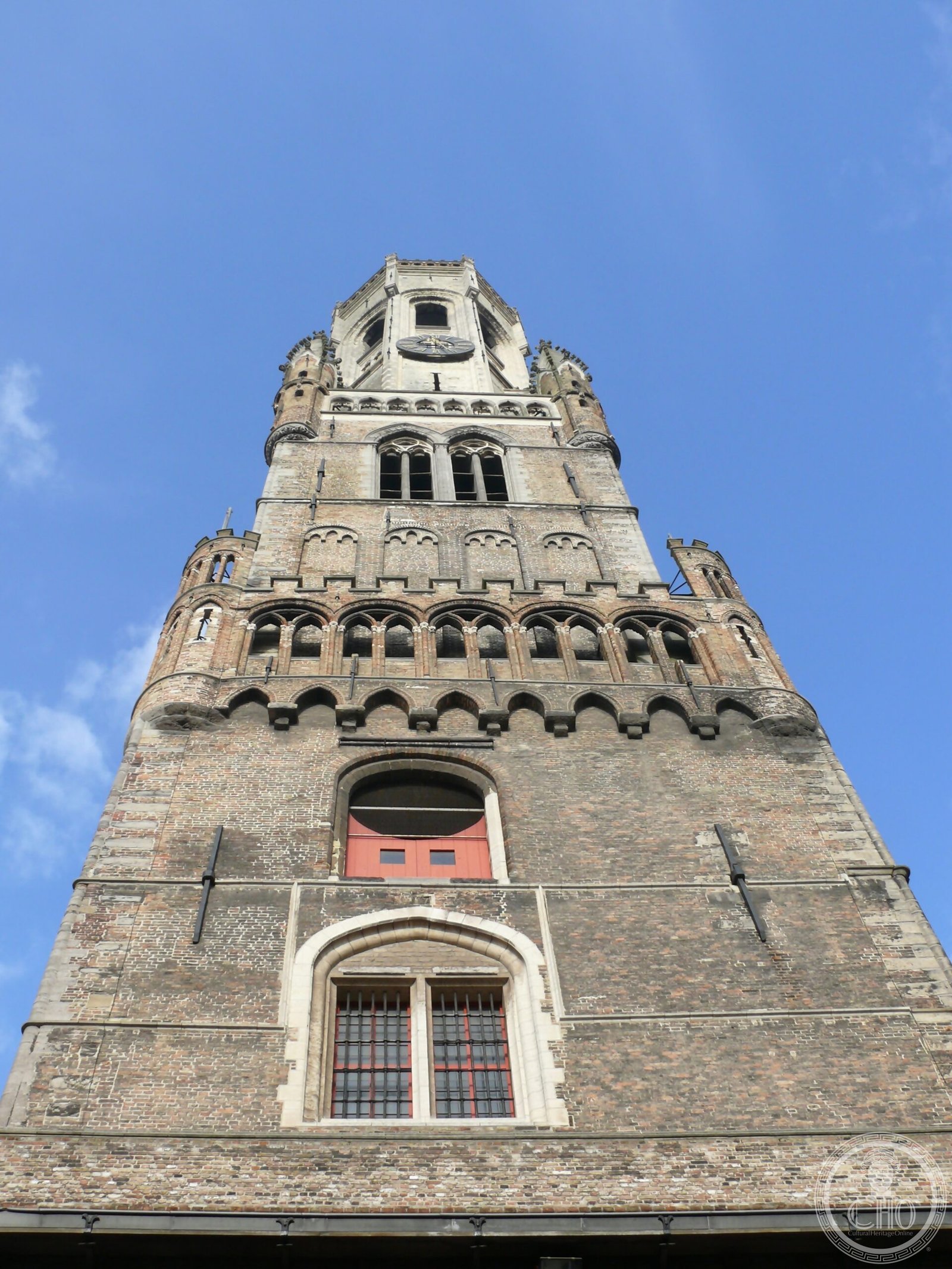
The medieval heart of Flanders, where brick-lined canals, Gothic spires, and centuries of trade wealth converge in one of Europe’s best-preserved city centers.
At a glance
Bruges is the capital of West Flanders in Belgium’s Flemish Region and the country’s sixth-largest city. Its historic center—an oval enclave of approximately 430 hectares—stands as a UNESCO World Heritage Site (inscribed 2000). The city remains a major European tourist destination and home to the College of Europe, an institute for advanced studies.
History
Bruges rose to prominence as one of the world’s chief commercial cities, its prosperity anchored in maritime trade and its strategic position in northern Europe. The canals that define the city’s character were engineered to support this mercantile dominance. Like Amsterdam and Saint Petersburg, Bruges earned comparison to Venice, reflecting its role as a water-based commercial power in the medieval and early modern periods.
What you see
The city center unfolds around a network of canals lined with historic buildings, their brick facades reflecting centuries of Flemish architectural tradition. Gothic spires punctuate the skyline. The oval shape of the old town, roughly 430 hectares, preserves the medieval street plan and urban fabric that made Bruges a merchant powerhouse.
Cultural significance
Bruges represents a rare survival: a medieval commercial city whose urban structure and architecture remain largely intact. Its designation as a UNESCO World Heritage Site reflects the global importance of this record of northern European urban development and trade. The city continues to serve as a cultural and educational center through institutions like the College of Europe.
Key facts
- Location: Bruges, Belgium (West Flanders, Flemish Region)
- Coordinates: 51.21°N, 3.22°E
- Historic center size: Approximately 430 hectares
- UNESCO status: World Heritage Site
- Language: Dutch (West Flemish dialect)
Practical information & getting there
Bruges is accessible by rail and road from across Belgium and continental Europe. The city’s compact historic center is best explored on foot or by bicycle. Modern amenities and accommodations surround the medieval core, making it a straightforward destination for international visitors.
Sources & resources
- Bruges – Wikipedia
- Cultural Heritage Online
Find it on the map
See this place and what’s around it →Historical events at this place (1)
📷 Become a Cultural Heritage Online photographer
Share your photos of places: they stay published under your name as the author. The more they're seen, the more you get noticed — and soon a contest will reward the most appreciated photos.
Log in or sign up free to add a photo