
Park Güell
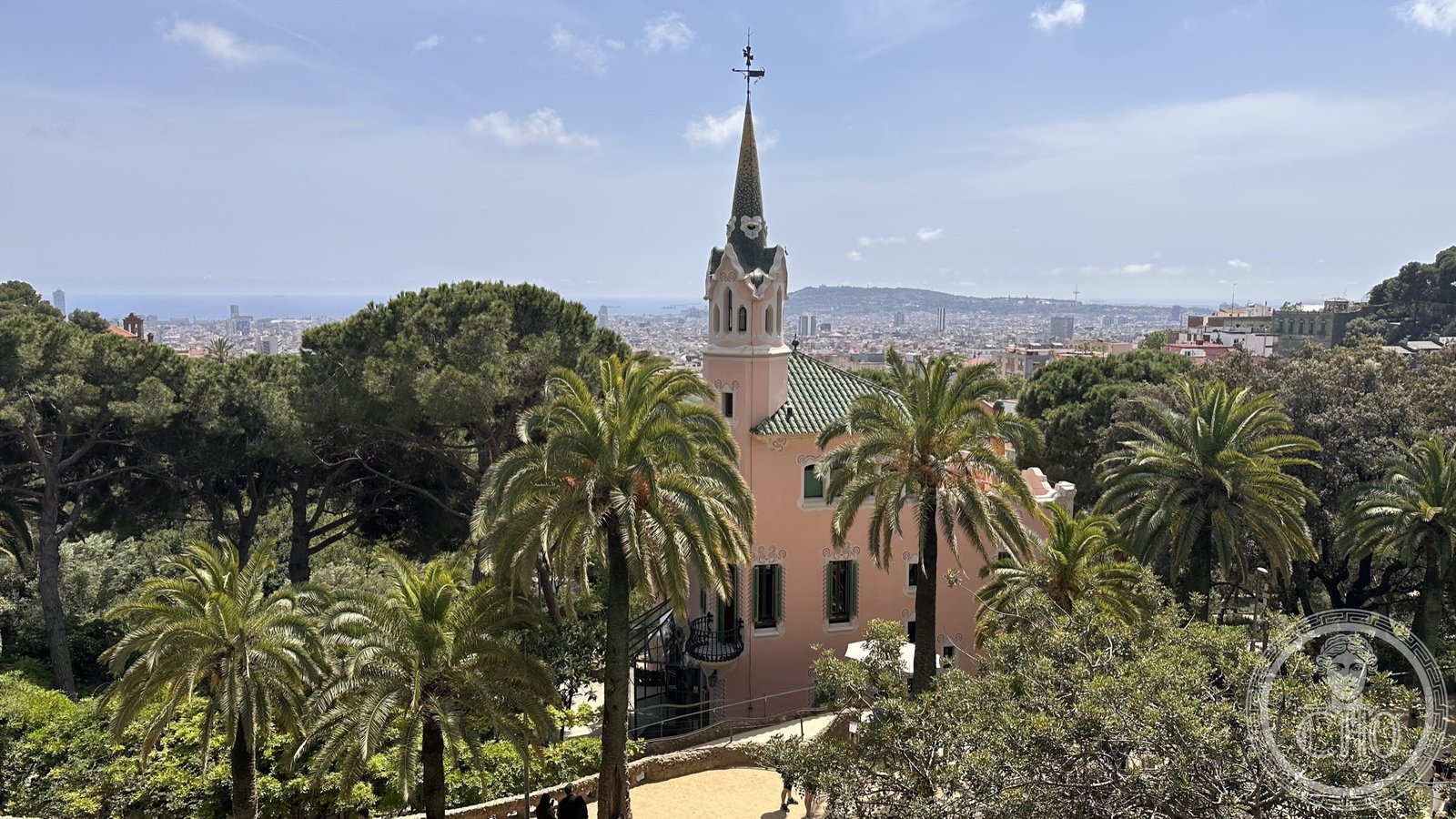
A visionary composition of gardens, terraces, and architectural ornament crowning a Catalan hillside, Park Güell stands as Antoni Gaudí’s most expansive realization of modernist design merged with nature.
At a glance
Park Güell is a public garden and architectural complex occupying the southern slope of Turó del Carmel in Barcelona’s Gràcia district. Commissioned by industrialist Eusebi Güell and designed by Catalan modernist architect Antoni Gaudí, the 20-hectare site opened to the public in 1926 after fourteen years of construction. UNESCO recognized it as a World Heritage Site in 1984.
History
The park emerged from Barcelona’s rapid industrial expansion in the late 19th century. Eusebi Güell, a wealthy patron of the arts, engaged Gaudí to design an innovative urban garden that would reflect contemporary aesthetic movements while transforming the landscape. Construction began in 1900 and concluded in 1914, though financial constraints and shifting priorities delayed its opening to the public until 1926. Today it stands as one of Barcelona’s most visited cultural landmarks.
What you see
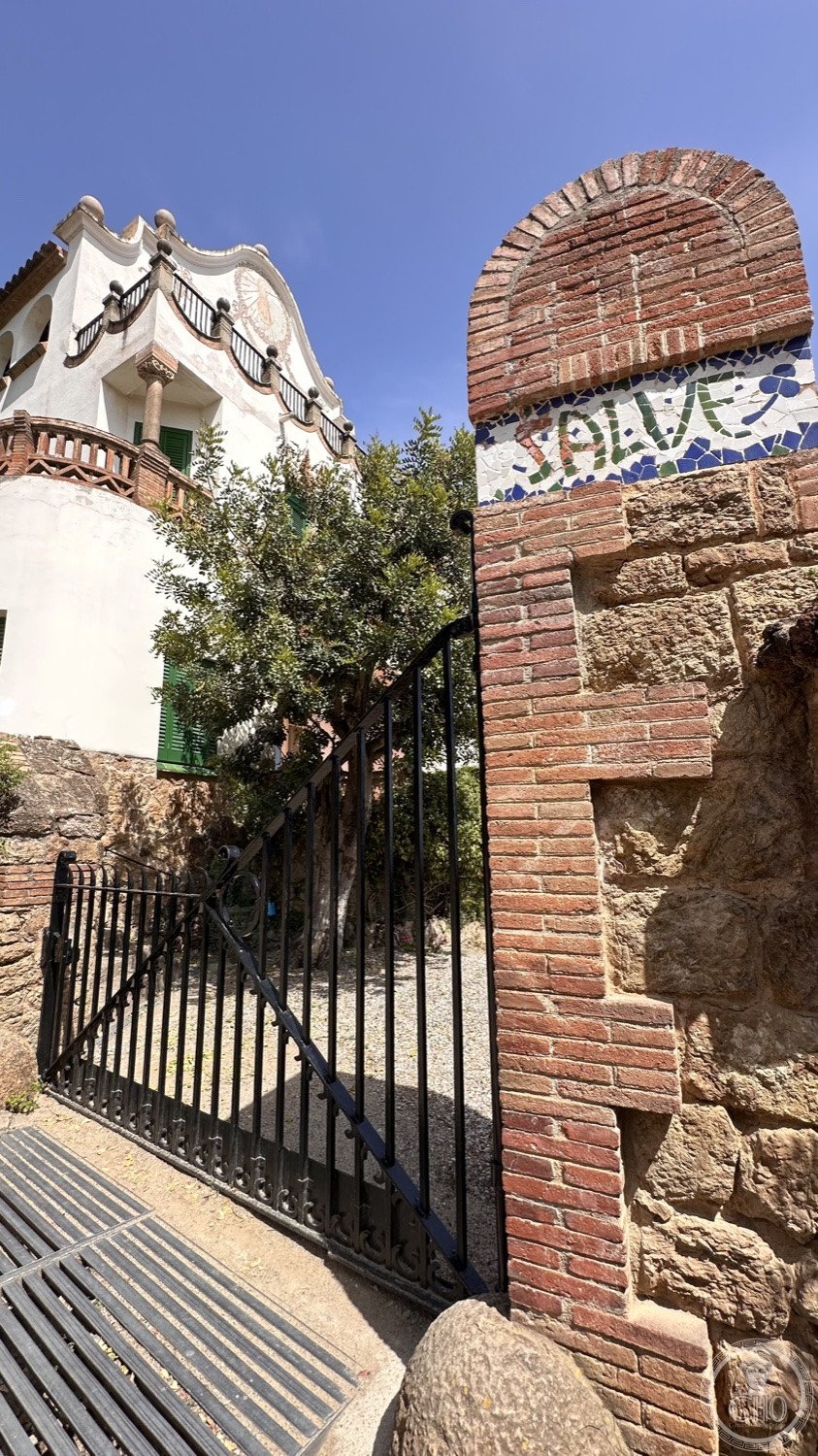
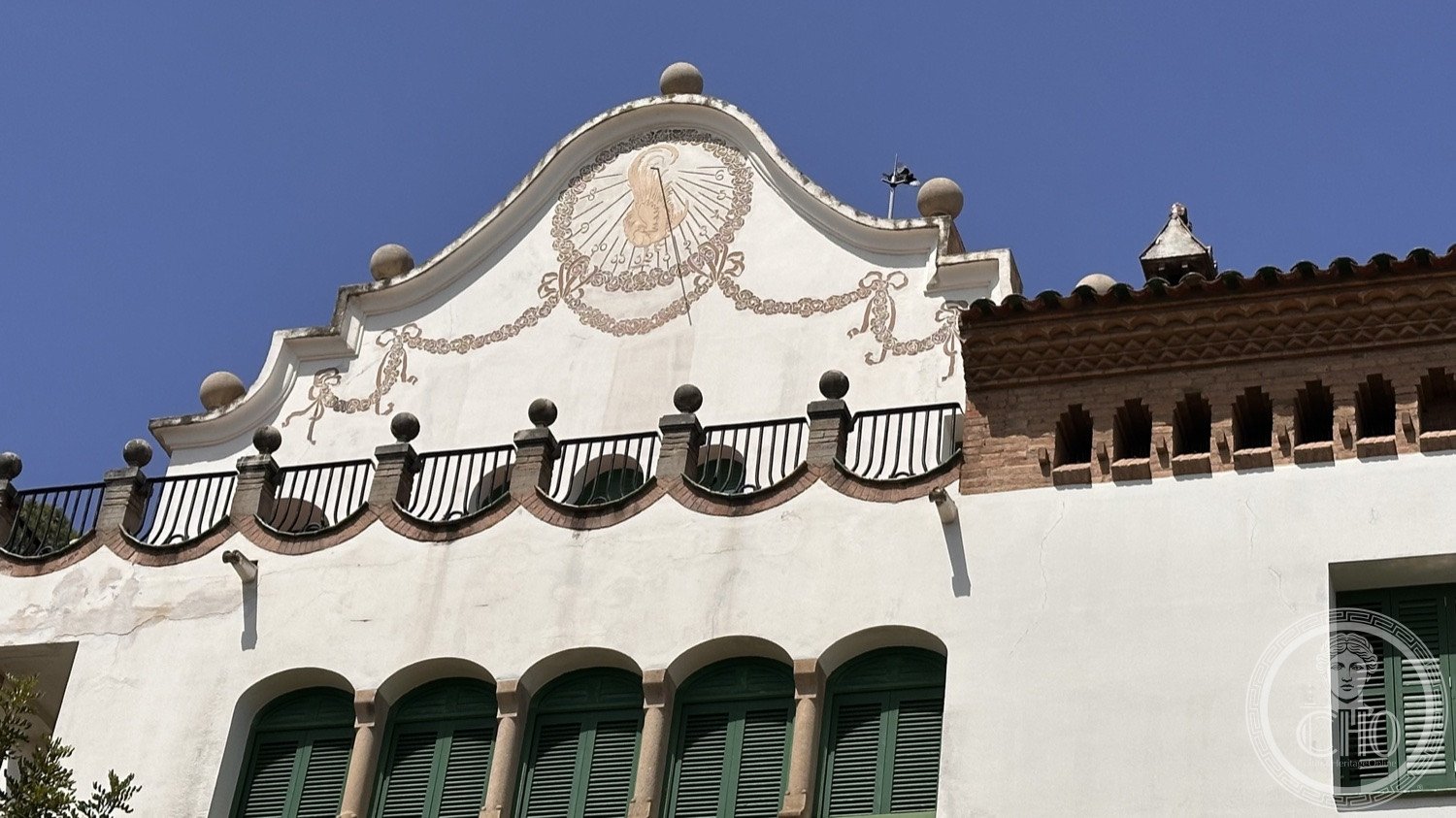
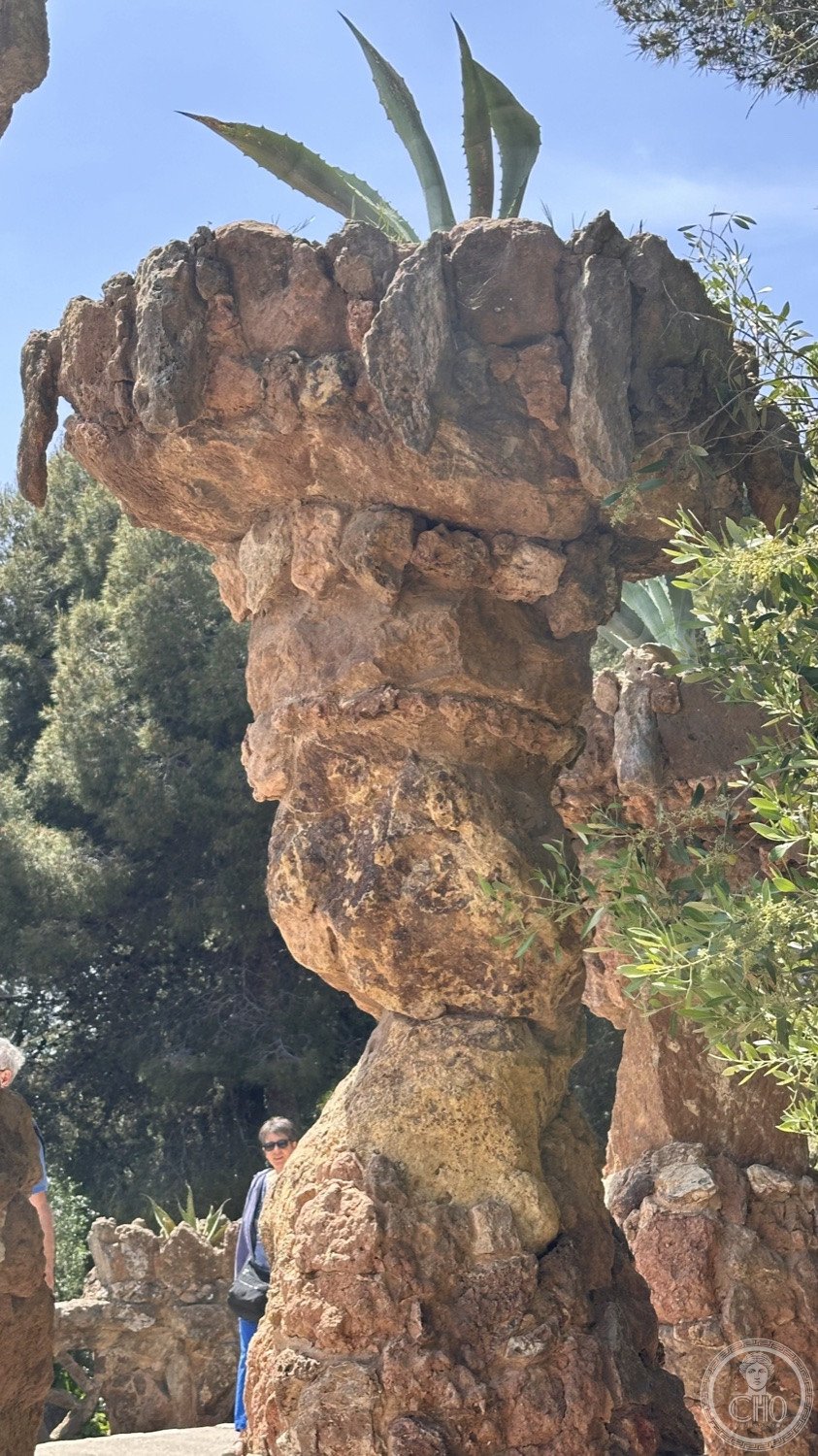
The park synthesizes ornamental architecture with organic landscape design. Gaudí’s structures—including gatehouses, retaining walls, and monumental gateways—employ ceramic tilework, mosaic embellishments, and sculptural forms that echo natural shapes. Terraces and columned halls create viewing platforms overlooking the city, while winding pathways integrate stonework and planting into a unified composition. The design draws on Arts and Crafts principles, Symbolism, Expressionism, and Rationalism in equal measure.
Cultural significance
Park Güell exemplifies the Catalan modernist movement at its height and presaged numerous 20th-century architectural innovations. Gaudí’s synthesis of artistic disciplines—uniting painting, sculpture, and structural engineering—influenced modernist practice internationally. UNESCO’s 1984 designation recognized the site as a masterwork bridging utopian urbanism and avant-garde aesthetics, cementing its role in architectural history.
Key facts
- Country: Spain
- City: Barcelona
- Coordinates: 41.41361111°N, 2.15277778°E
- UNESCO World Heritage Site (1984)
- Architect: Antoni Gaudí
- Construction: 1900–1914
- Public opening: 1926
Practical information & getting there
Park Güell is accessible by metro (Line 3, Lesseps or Fontana stations) and city bus routes. The site occupies the southern slope of Turó del Carmel in the Gràcia district. For current visiting hours, admission fees, and guided-tour information, consult the official Barcelona tourism website or the park’s official channels.
Sources & resources
Gallery
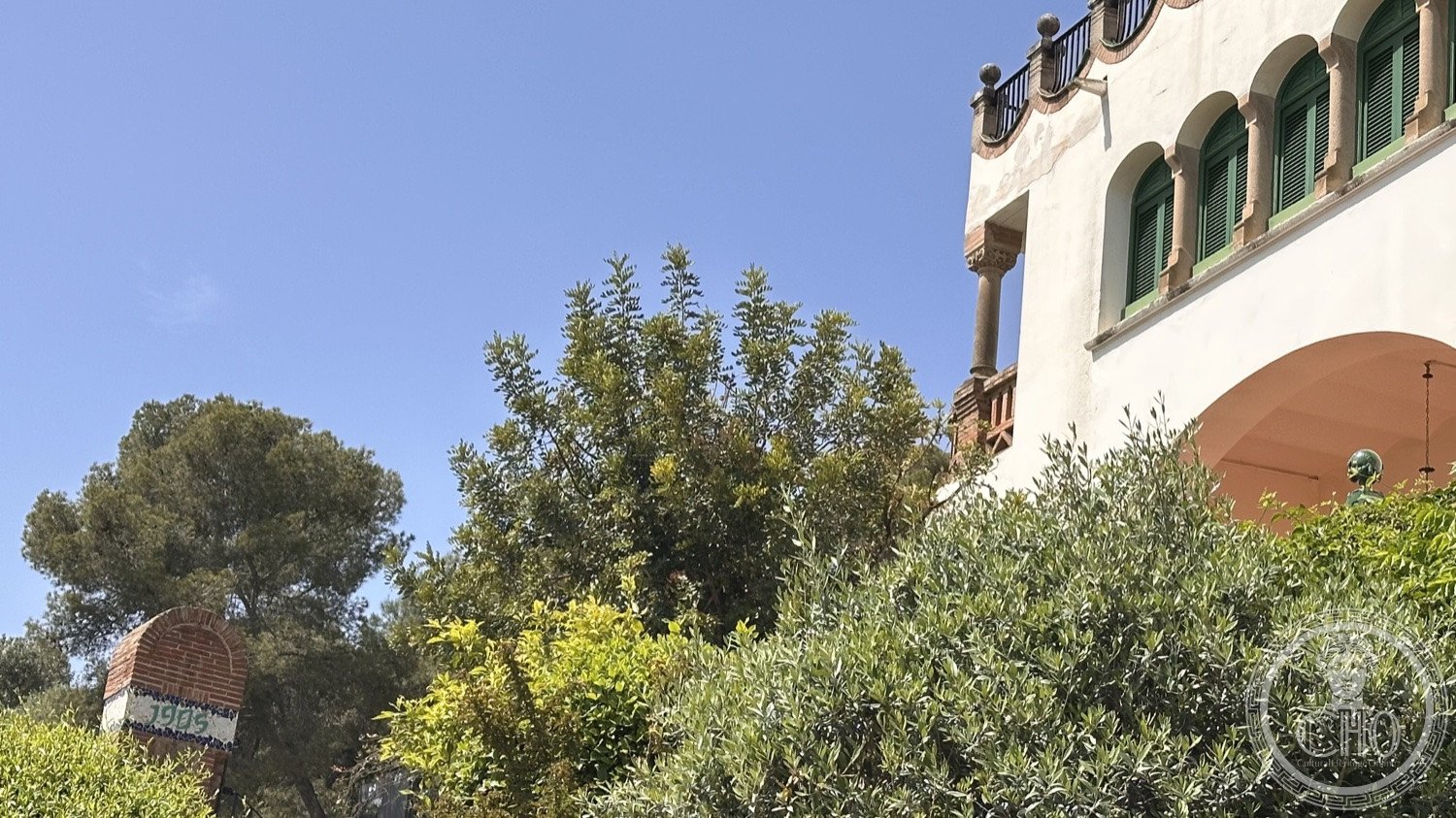
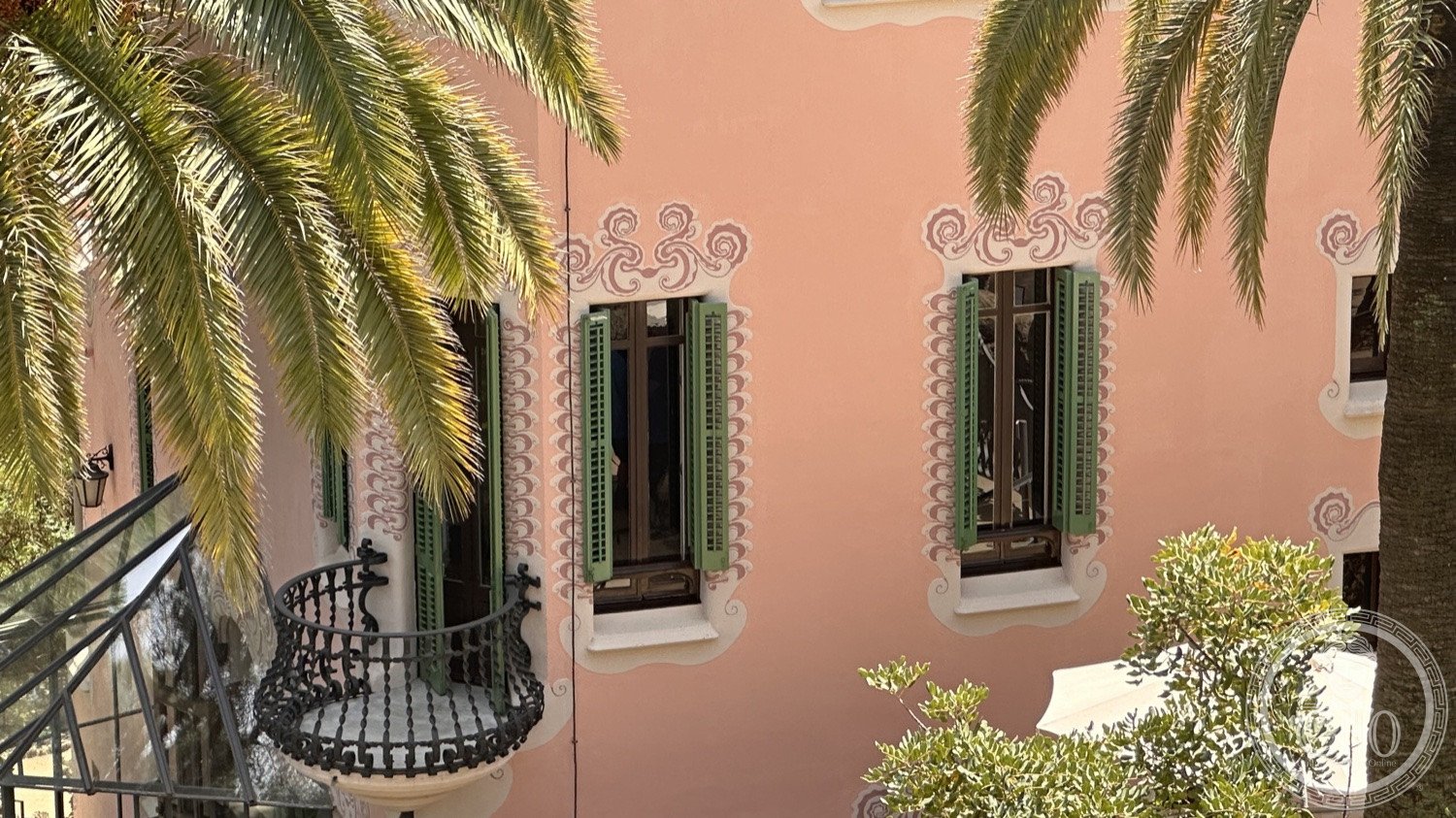
More views — angles and details, photographed by Luigi De Marchi.
Find it on the map
See this place and what’s around it →📷 Diventa un fotografo di Cultural Heritage Online
Condividi le tue foto dei luoghi: restano pubblicate con la tua firma come autore. Più vengono viste, più ti fai conoscere — e presto un concorso premierà le foto più apprezzate.
Accedi o registrati gratis per aggiungere una foto