
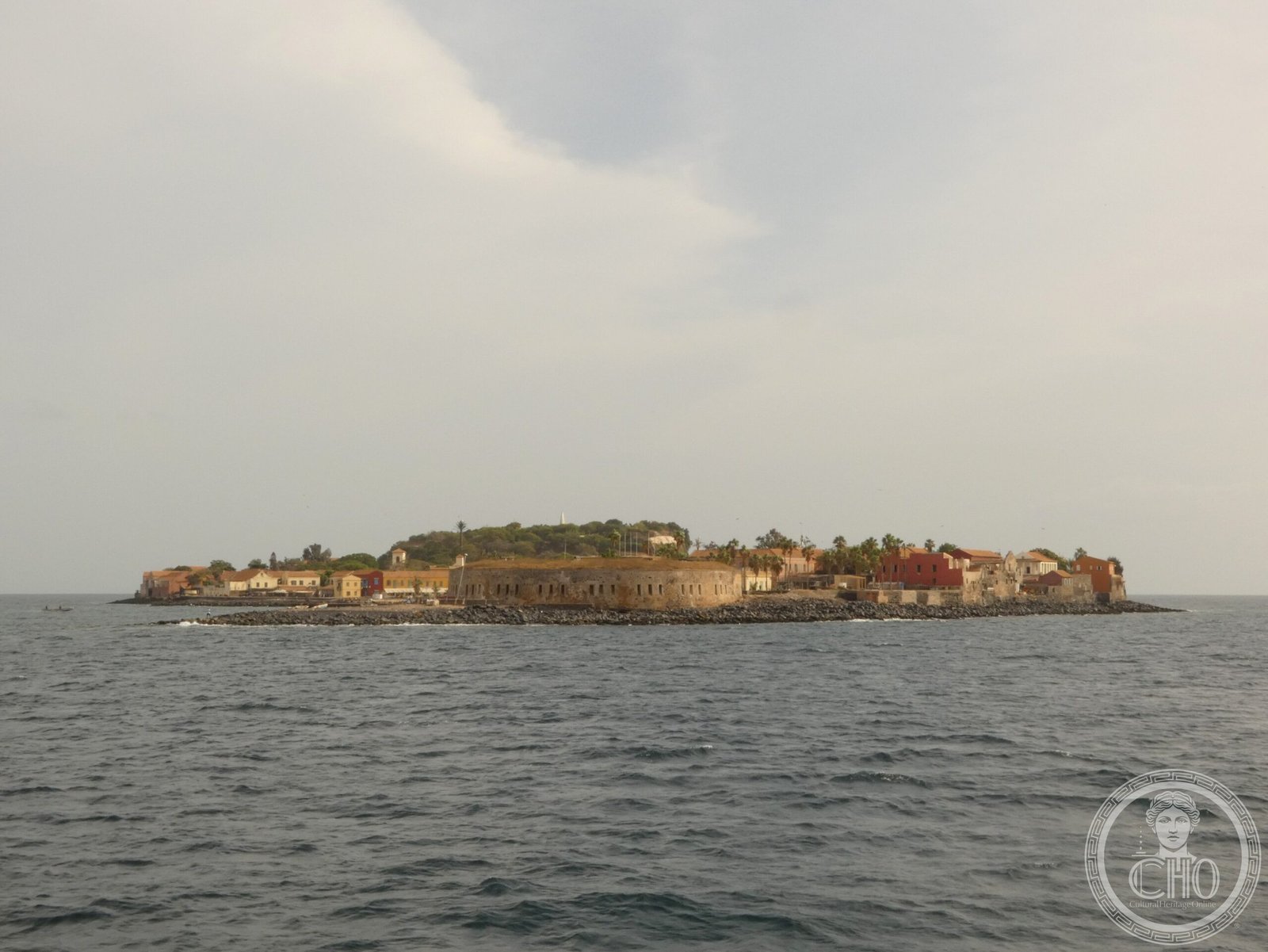
A small island two kilometres off Dakar’s coast, Gorée is a poignant historical site where millions were enslaved and deported across the Atlantic. Today it stands as a UNESCO World Heritage Site and memorial to the transatlantic slave trade.
At a glance
Île de Gorée is an 18.2-hectare island and administrative district of Dakar, Senegal’s capital. Despite its tiny size and population of 1,680, it holds enormous historical weight. The island was designated a UNESCO World Heritage Site in 1978, among the world’s first twelve such locations.
History
The island’s name derives from its original Dutch designation, Goeree, after the Dutch island of the same name. Portuguese traders also knew it as Palma or Bezeguiche. Gorée became a major entrepôt in the Atlantic slave trade, though other significant trading centres operated further north at Saint-Louis and south in the Gambia at river mouths. Thousands of enslaved Africans were held and traded from this island before forced passage to the Americas.
Cultural significance
Gorée stands as a symbol of the horrors of the Atlantic slave trade and serves as a destination for remembrance and education. Its designation as a World Heritage Site in 1978 recognised its historical importance as evidence of one of humanity’s darkest chapters. The island continues to draw visitors seeking to understand this tragic history.
Key facts
- Location: Dakar, Senegal (14°40′N 17°24′W)
- Area: 18.2 hectares (45 acres)
- Distance from Dakar: 2 kilometres
- Population: 1,680 (2013 census)
- UNESCO World Heritage Site: Yes (designated 1978)
- Administrative status: One of 19 communes d’arrondissement of Dakar
Practical information & getting there
Gorée lies just two kilometres offshore from Dakar’s main harbour. Its small size and island status make it easily accessible by boat from the capital. The island’s very limited population density—despite being the smallest and least populated of Dakar’s districts—preserves its character as a historical memorial rather than a modern settlement.
Sources & resources
Find it on the map
See this place and what’s around it →📷 Become a Cultural Heritage Online photographer
Share your photos of places: they stay published under your name as the author. The more they're seen, the more you get noticed — and soon a contest will reward the most appreciated photos.
Log in or sign up free to add a photo