
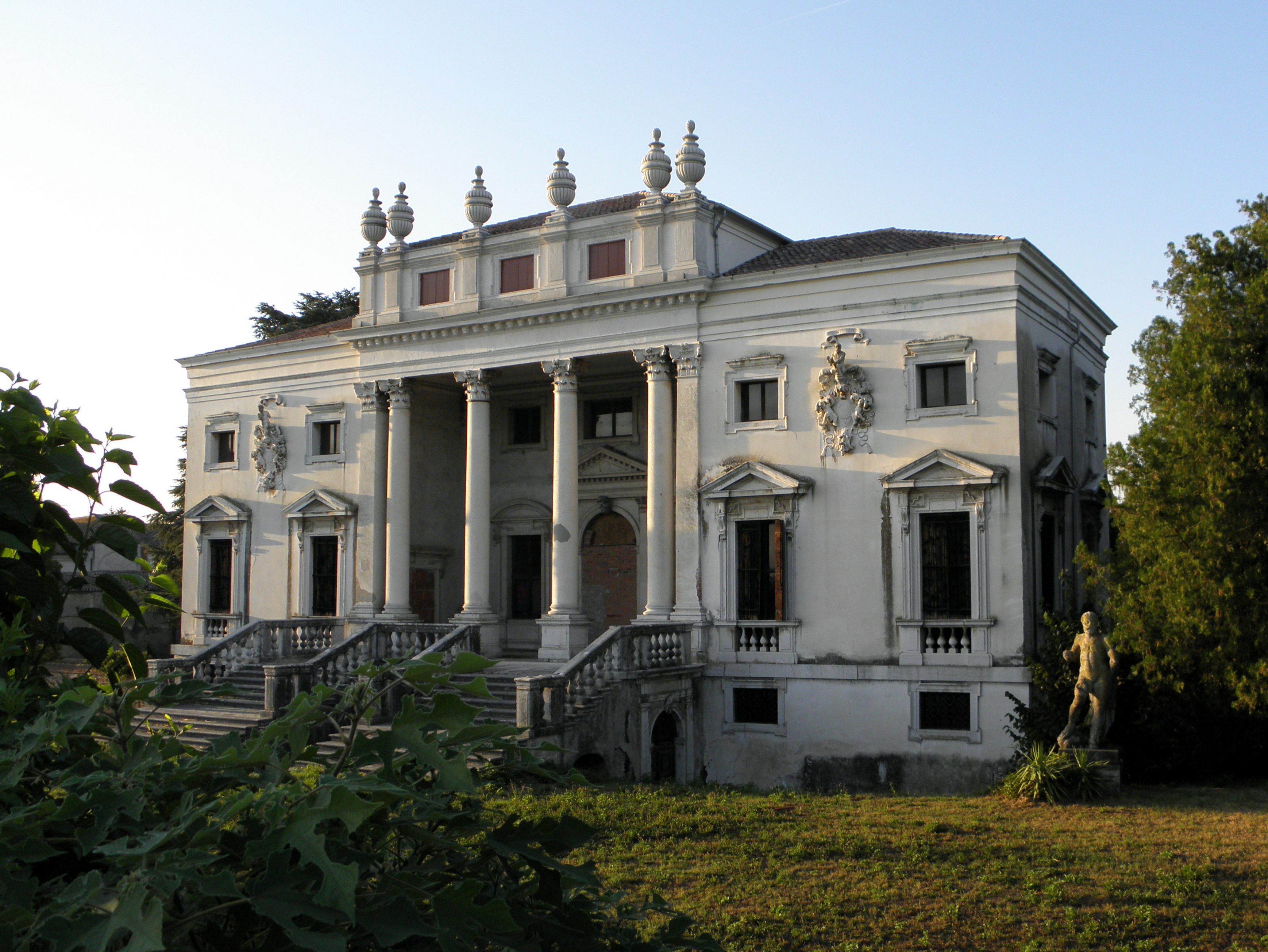
Villa Nani Mocenigo
A monumental Venetian villa begun in 1580 and attributed to Scamozzi or Longhena, expanded in the 17th century into a theatrical statement of Renaissance power on the Polesine plains.
At a glance
Villa Nani Mocenigo stands as the most significant historical and artistic monument in Canda, a small municipality in the Rovigo province. The Venetian Nani nobles commissioned this architectural masterwork during a period of major territorial consolidation. Its design announces wealth and sophistication across the reclaimed landscape of the Polesine region.
History
The Nani family began construction in 1580, with the original structure completed by 1584. The villa’s design is probably attributable to Vincenzo Scamozzi, a student of Palladio, though some scholars attribute it to Baldassare Longhena. During the 17th century, significant extensions transformed the villa southward, adding a monumental façade of striking visual impact.
The Polesine region itself had only recently been secured by the Republic of Venice in 1489, ending centuries of contested borderland status. Before Venetian control, the territory suffered devastating, prolonged floods weaponized in wars between rival powers. The landscape was largely depopulated and economically unproductive until Venetian investment and infrastructure improvements made settlement viable.
What you see
The villa displays the refined proportions and classical vocabulary of late-Renaissance design. Its earliest body exhibits the restrained elegance characteristic of Palladio’s school. The 17th-century southern addition introduces a larger, more theatrical façade of considerable scenographic ambition, reflecting the villa’s evolution from austere residence to showcase of Venetian prestige. Multiple extensions enlarged the complex substantially across its operational centuries.
Cultural significance
Villa Nani Mocenigo embodies Venetian aristocratic ambition during the Republic’s expansion into the Polesine interior. Its architecture demonstrates the influence of Palladianism on Venetian provincial design. The villa also represents the transformation of marginal, flood-prone territory into productive, settled land through elite patronage and engineering—a defining achievement of Venetian administration in the early modern period.
Two other villas bearing the Nani name survive in Oriago and Monselice, suggesting the family’s substantial land holdings and architectural legacy across the Veneto.
Key facts
- Address: SP24, 75, 45020 Canda, Rovigo
- Coordinates: 45.0330854, 11.5089613
- Construction: begun 1580, earliest body completed 1584
- Architectural attribution: probably Vincenzo Scamozzi; alternatively attributed to Baldassare Longhena
- Also known as Villa Bertetti (after later proprietors)
Practical information
Opening hours and visitor access are not listed. Check locally or contact the municipality of Canda for current visiting arrangements and any restrictions.
Getting there
The villa is located on SP24 in Canda, in the province of Rovigo, in the Veneto region of northeast Italy. Canda lies within the Polesine area between the Adige and Po rivers. Local roads provide access to the villa; detailed directions are recommended before visiting.
Sources & resources
Find it on the map
See this place and what’s around it →📷 Diventa un fotografo di Cultural Heritage Online
Condividi le tue foto dei luoghi: restano pubblicate con la tua firma come autore. Più vengono viste, più ti fai conoscere — e presto un concorso premierà le foto più apprezzate.
Accedi o registrati gratis per aggiungere una foto