
Verona — Arena Romana e Centro Storico
Verona (UNESCO 2000, rif. 797) è la più completa città romana sopravvissuta dell’Italia settentrionale: 2000 anni di stratificazione continua, dall’Arena del 30 CE al teatro shakespeariano del 1597 CE, in un centro storico che il Po e l’Adige hanno preservato dall’espansione moderna.
At a glance
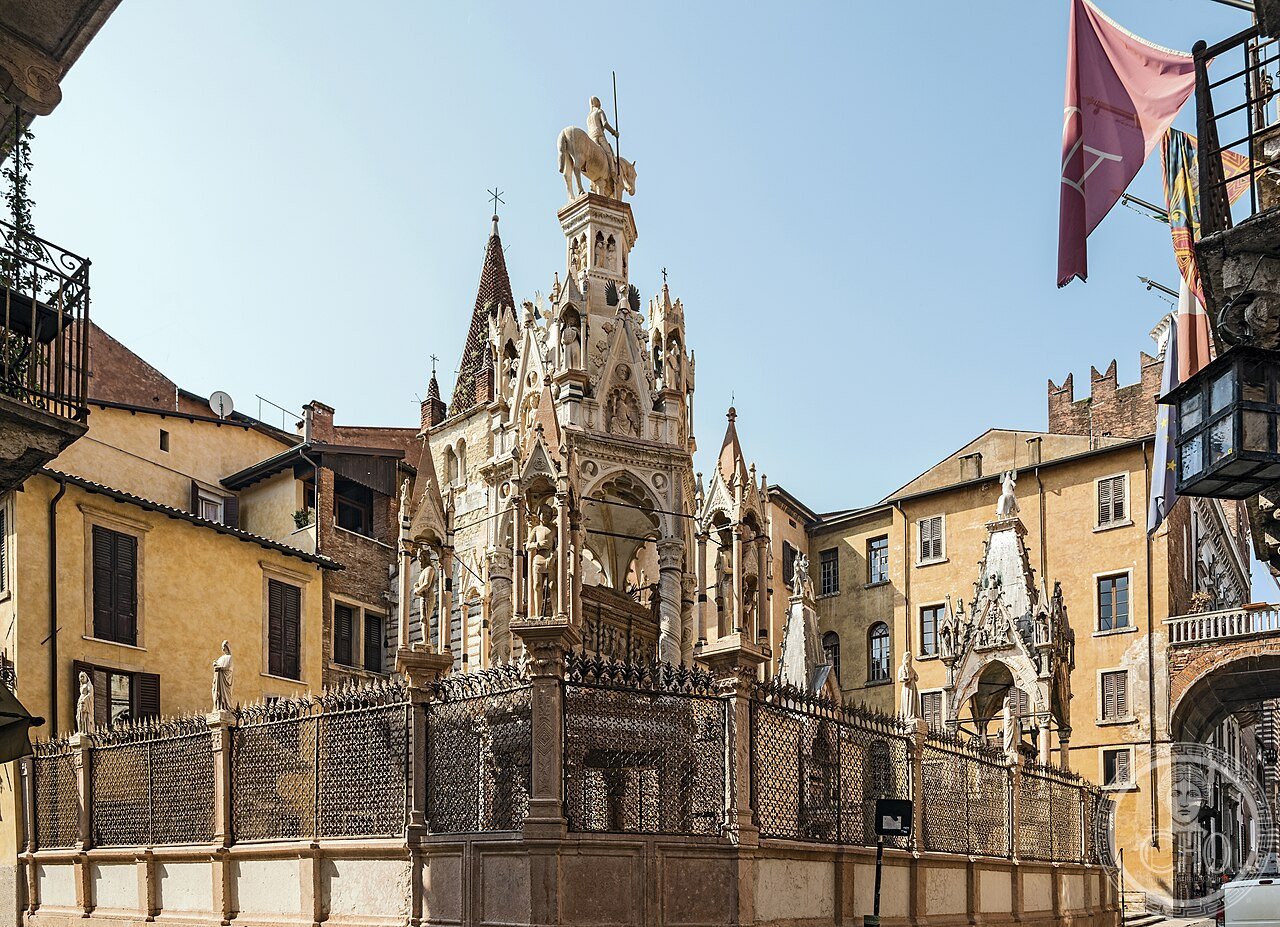
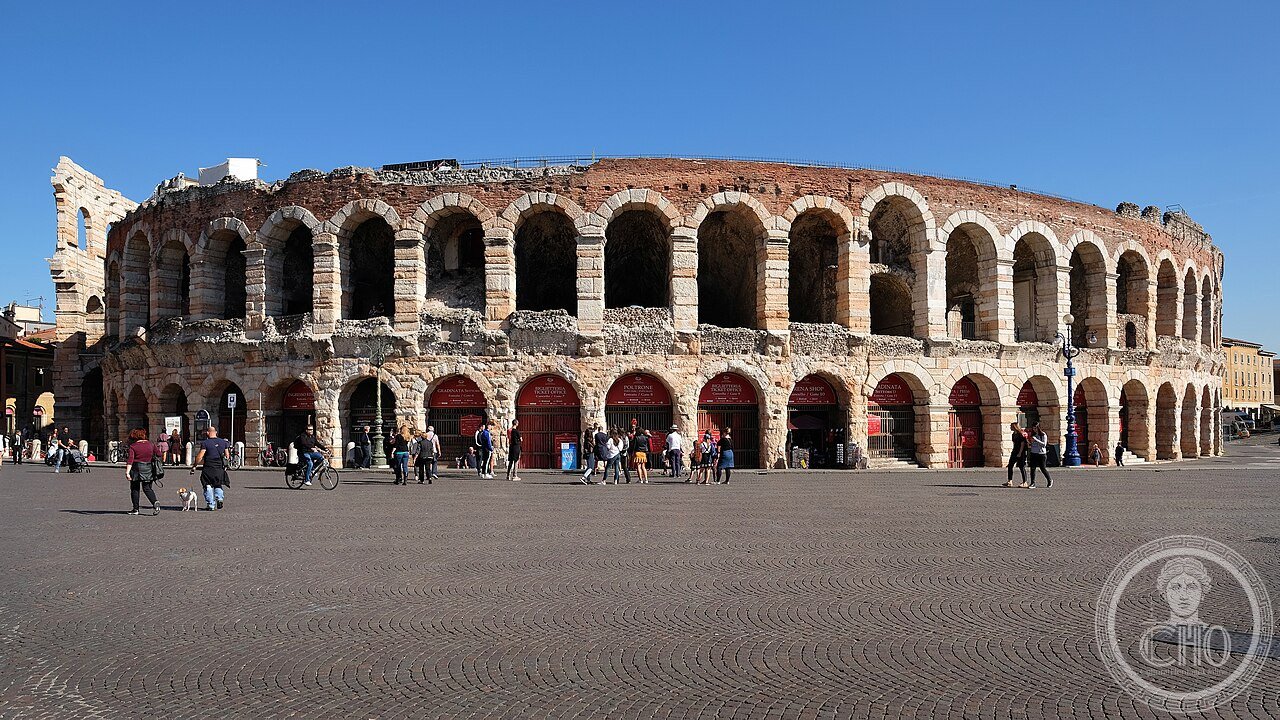
Verona Veneto (45.4384 N 10.9916 E UNESCO WHS 2000 reference 797 City of Verona: the UNESCO site (the entire historic center of Verona: 6,900 inhabitants; 714 ha of protected area): the Roman city (Verona Veronensis: founded by Rome as a colonia in 49 BCE (the lex Roscia of 49 BCE granted Roman citizenship to the Cisalpine Gauls): the Roman street grid is still visible in the modern city center (the cardines + decumani of the Roman city correspond exactly to the current street grid between Piazza delle Erbe (the Roman forum) and the Adige river)); the Arena (the amphitheater: constructed c.30 CE (the exact date is uncertain: the earliest written reference is 265 CE): the dimensions: 138 m × 109 m (external), 73 m × 44 m (arena floor): capacity: 30,000 spectators: today: 14,000 for opera performances); the Scaligeri (the della Scala family: rulers of Verona 1262–1387 CE: the family that commissioned the most important medieval monuments in Verona: the Castelvecchio (1354–1376 CE: the castle + bridge over the Adige), the Arche Scaligere (the Gothic funerary monuments in Piazza dei Signori, 1291–1380 CE), the Ponte Scaligero (the 3-arch bridge attached to Castelvecchio, 1354–1356 CE)); Romeo and Juliet (the fictional story: the source (Luigi da Porto (1485–1529 CE): the Vicentine writer who published the novella “Historia novellamente ritrovata di due nobili amanti” in 1530 CE: the first version of the Romeo-Giulietta story: set in Verona under Bartolomeo II della Scala (1301–1304 CE); the families: the “Cappelletti” (= the historical Cappello family of Verona) and the “Montecchi” (= the historical Montecchi family of Verona): both families are historically documented in Verona; Shakespeare’s version (1597 CE: “Romeo and Juliet”: based on Arthur Brooke’s “Romeus and Juliet” (1562 CE) which was based on Bandello’s Italian novella (1554 CE) which was based on Da Porto’s original)).
Key facts
- Il Festival Lirico dell’Arena di Verona (dal 1913 CE) e come funziona la serata in anfiteatro: i posti, le candele, l’Aida: the Arena Opera Festival (the oldest open-air opera festival in the world still running in the original Roman venue: founded 1913 CE for the centenary of Giuseppe Verdi (born 1813 CE): the first performance was “Aida” (Verdi, 1871 CE): the choice of Aida for the opening was deliberate (Aida was commissioned by the Khedive of Egypt to celebrate the opening of the Suez Canal (1869 CE): the Egyptian setting provided an excuse for spectacular stage design (elephants, camels, chariots) in the Arena)); the current season (June–September: 6–8 operas per season; the most performed: Aida (100+ times), Nabucco, Tosca, Carmen, Turandot); the practical experience (the seats: the Arena has 3 types of seats: (1) the poltronissime (armchairs at the arena floor: €228–312); (2) the gradinate numerata (numbered stone seats: €47–112); (3) the gradinate (unnumbered stone seats: €29: the original Roman stone steps: bring a cushion (€2 rental at the venue) and arrive early to get a central position); the candle tradition (the tradition of lighting candles at the start of each performance: at 21:00, as the sun sets behind the “ala” (the surviving outer arch of the Arena), the audience lights small candles (sold at €1 at the entrance): the 14,000-candle moment is the most photographed moment of the festival))
- GPS (Piazza Bra, Arena di Verona): 45.4384° N, 10.9916° E
History
Da colonia romana 49 BCE al UNESCO 2000 (the most precisely Verona zone history: the Roman foundation (49 BCE: the lex Roscia: Verona = Colonia Augusta Verona Veronensis); the Arena construction (c.30 CE: the anonymous commission; the architect: unknown; the construction material: the trachite (the volcanic stone from the Colli Euganei (the Euganean Hills, 25 km south of Verona): the quarries at Monselice and Albano; the material was transported by barge on the Adige river)); the earthquake (1183 CE: the earthquake that destroyed the outer ring of the Arena (the 3rd of 3 concentric rings): only 4 arches of the outer ring survived (the “ala”): the rest collapsed and was used as building material for the medieval city); the Scaligeri (1262–1387 CE: Mastino I della Scala (died 1277 CE): the founder of the Scaligeri power; Cangrande I della Scala (1291–1329 CE): the most famous Scaligero, patron of Dante Alighieri (Dante was in exile in Verona 1312–1318 CE: the first 2 canticles of the “Divina Commedia” were written in Verona)); the Venetian period (1405–1796 CE: Verona under the Republic of Venice (the lion of St. Mark still decorates the Palazzo della Ragione and the gates of the city)); the UNESCO inscription (2000 CE: reference 797).
What you see
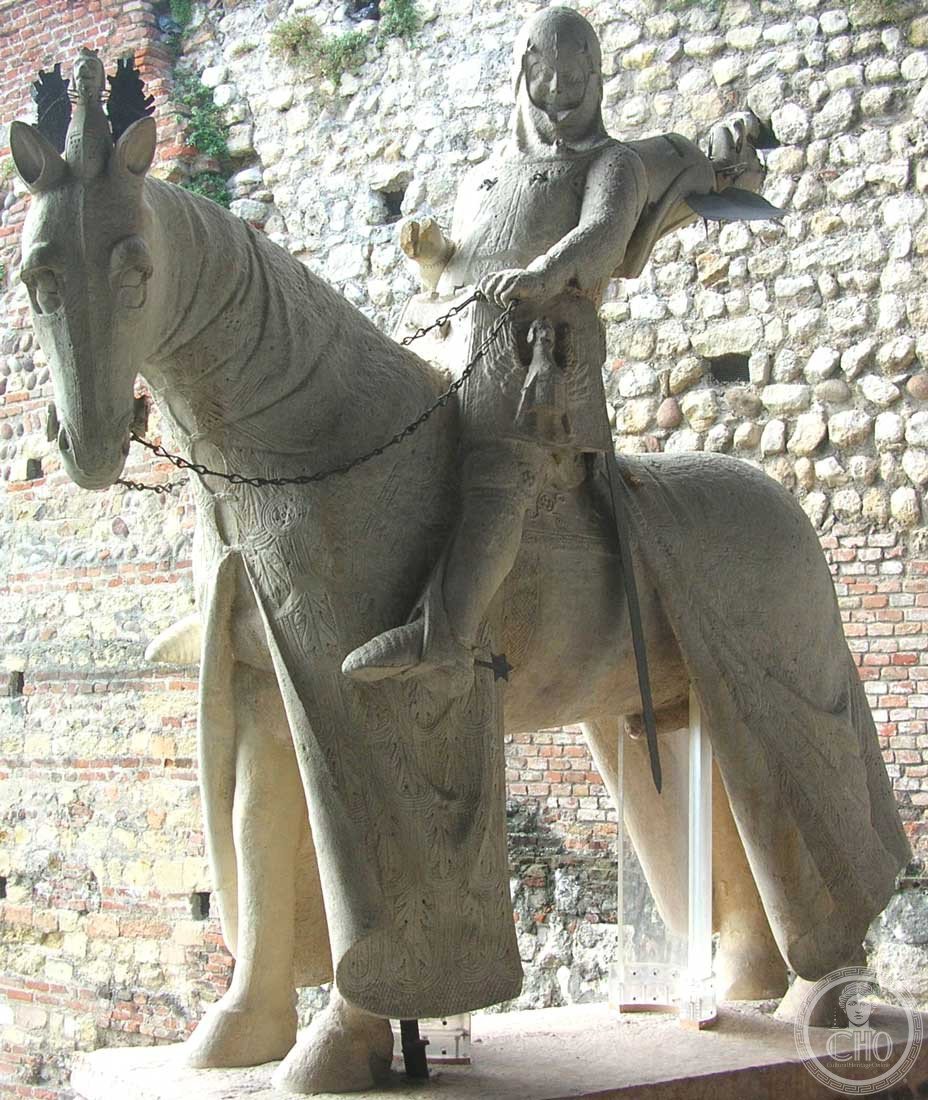
Arena romana Piazza Bra (30 CE, 14000 posti opera estate), Piazza delle Erbe (foro romano→mercato medievale), Arche Scaligere Scaligeri XIII-XIV sec. CE, Castelvecchio 1354 CE + Ponte Scaligero, Ponte Pietra I sec. CE, Casa di Giulietta (tourism; il balcone è del XIV sec. CE ma la storia è fittizia) (the most precisely Verona zone visit (1 day): the route (start Piazza Bra (8:30: the best light on the Arena facade; no tourists yet): → the Arena interior (€10; 9:00–19:00; last entry 18:00; the upper gradinate: the panorama of Verona from the top row: the Adige valley + the Lessini mountains) → Via Mazzini (the main pedestrian street: the medieval and Renaissance palaces; the Scaligeri palace facades) → Casa di Giulietta (Via Cappello 23; €6; the courtyard is always open (free); the bronze statue of Juliet (1969 CE: the sculptor Nereo Costantini; the tradition of touching Juliet’s right breast for good luck in love: the bronze is polished to a shine by 1 million + hands/year)) → Piazza delle Erbe (the Roman forum: the market (8:00–19:00 daily): the column of the lion of San Marco (1523 CE) → Torre dei Lamberti (1172–1463 CE: €6; lift available; the panorama from 84 m)) → Piazza dei Signori (the Scaligeri palace + the Arche Scaligere (the Gothic Gothic funerary monuments: the equestrian statue of Cangrande I della Scala (1329 CE: the original is in the Castelvecchio Museum; the copy outdoors))) → Castelvecchio Museum (€6; 13:30–19:30 Mon, 10:30–19:30 Tue-Sun; the equestrian statue of Cangrande I (original); Carlo Scarpa’s 1958–1973 CE renovation: one of the finest museum renovations of the 20th century CE)).
Practical information
- Come raggiungere Verona da Milano, Venezia e Trento, e come comprare i biglietti per il Festival lirico dell’Arena: il trasporto (Milano Centrale → Verona Porta Nuova: Frecciarossa (55 min; €19; ogni 30 min)); Venezia Santa Lucia → Verona Porta Nuova: Trenitalia (1h15; €14; ogni 30 min)); Trento → Verona Porta Nuova: Trenitalia (1h; €9.90; ogni ora)); il Festival lirico (biglietti: arenafestival.it; consigliati 2–3 mesi in anticipo per Aida in luglio (le date più richieste); gli spettacoli iniziano alle 21:00 (estate) o 20:30 (settembre); durata 3–4h; le gradinate non numerate (€29): arrivare alle 19:00 per un posto centrale in fondo all’Arena, con vista panoramica sulla scena + sui gradini illuminati dalle candele); il cuscino (noleggio €2 alla cassa: obbligatorio sulle gradinate di trachite non numerate per 3-4h di opera)
Getting there
Frecciarossa da Milano (55 min, €19) o Venezia (1h15, €14). GPS Arena: 45.4384/10.9916. Arena: €10 (9:00–19:00). Festival lirico giugno–settembre: arenafestival.it.
Nearby
- Lago di Garda — Sirmione (Grotte di Catullo I sec. CE; terme; borgo medievale) — 30 km (Trenitalia → Desenzano 25 min; poi traghetto per Sirmione 20 min; le Grotte di Catullo (villa romana I sec. CE; 2 ha; €8): il punto più meridionale del Lago di Garda)
- Mantova e Sabbioneta (UNESCO 2008 rif.1287 — Gonzaga, Camera degli Sposi Mantegna) — 45 km (Trenitalia Verona → Mantova 40 min; €5.40; Palazzo Te + Camera degli Sposi €15 combinato)
Gallery
Sources
- Wikipedia, Verona; Verona Arena; Scaligeri; Romeo and Juliet, accessed June 2026
- UNESCO, City of Verona, WHS reference 797, inscribed 2000
- Da Porto, Luigi. Historia novellamente ritrovata di due nobili amanti. Venezia, 1530
Find it on the map
See this place and what’s around it →📷 Diventa un fotografo di Cultural Heritage Online
Condividi le tue foto dei luoghi: restano pubblicate con la tua firma come autore. Più vengono viste, più ti fai conoscere — e presto un concorso premierà le foto più apprezzate.
Accedi o registrati gratis per aggiungere una foto