
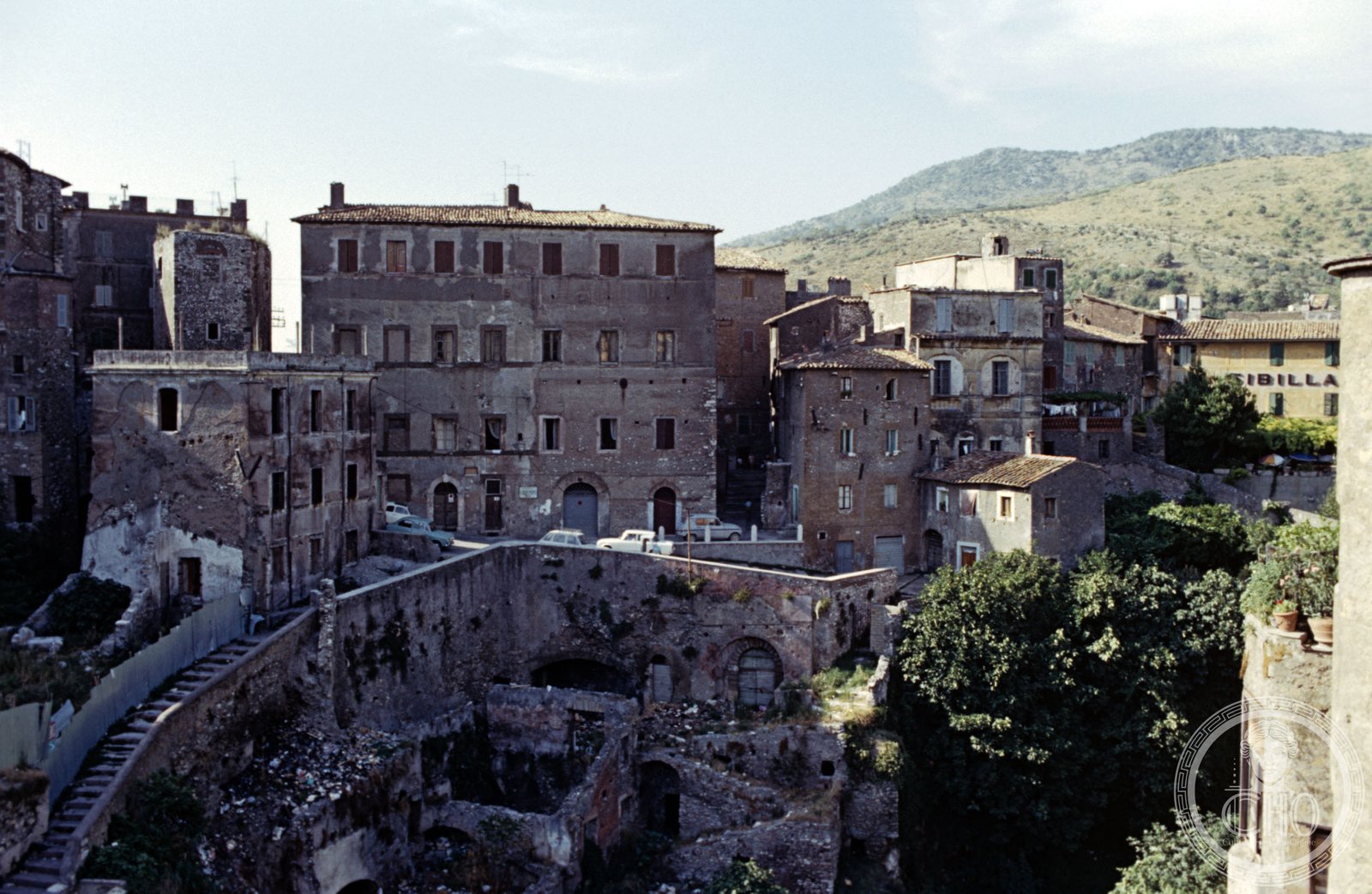
Tivoli
Tivoli is an ancient town in Lazio, 30 kilometres northeast of Rome, set at the point where the Aniene river descends from the Sabine Hills into the Roman Campagna. Known in antiquity as Tibur, the city served as a favoured retreat for Roman emperors and aristocrats; the ruins of Hadrian’s Villa (Villa Adriana), designated a UNESCO World Heritage Site in 1999, and the Renaissance gardens of Villa d’Este, also a UNESCO site since 2001, make Tivoli one of the most visited heritage destinations in the Lazio region.
At a glance
- Type
- Historic city; home to two UNESCO World Heritage Sites (Villa Adriana; Villa d’Este)
- Period
- Pre-Roman (before 5th century BC); Roman imperial era; medieval and Renaissance layers
- Style
- Roman imperial architecture; Renaissance garden design
- Location
- Tivoli, Metropolitan City of Rome Capital, Lazio
- Coordinates
- 41.9562° N, 12.7712° E
Overview
Tivoli is a town and comune in Lazio, Central Italy, situated 30 kilometres north-east of Rome at the falls of the Aniene river where it issues from the Sabine Hills. The city offers wide views over the Roman Campagna. Its two UNESCO World Heritage Sites draw visitors from across the globe: Villa Adriana represents the most ambitious private construction project of the Roman imperial era, while Villa d’Este exemplifies 16th-century garden design and hydraulic engineering at their Renaissance peak.
History
Tibur — the ancient name of Tivoli — was already an important Latin city before its incorporation into the Roman Republic in the 4th century BC. Its elevated position, cooler temperatures and scenic cascades made it a prized resort for wealthy Romans; Horace, Maecenas and Emperor Augustus all maintained villas here. Between AD 118 and 138, Emperor Hadrian constructed his vast imperial villa — a complex of palaces, baths, libraries and pavilions — on the plain below the town. In the 16th century, Cardinal Ippolito II d’Este transformed a Benedictine monastery into Villa d’Este, with an extraordinary system of fountains and terraced gardens that became a model for garden design across Europe.
What you see
Villa Adriana (Hadrian’s Villa) extends over 120 hectares and includes the Canopus pool, the Teatro Marittimo (a circular island-palace), the Pecile portico, and multiple thermal bath complexes. Villa d’Este’s gardens cascade down a steep hillside through hundreds of fountains powered entirely by gravity — including the Fountain of the Organ and the Hundred Fountains — creating an unbroken spectacle of water and greenery. The historic town centre contains the Romanesque Cathedral of San Lorenzo, the circular Temple of Vesta (1st century BC), and the Villa Gregoriana park with the Grande Cascata waterfall.
Cultural significance
Tivoli’s two UNESCO designations confirm its exceptional universal value: Villa Adriana is considered the most complete surviving example of Roman imperial architecture, while Villa d’Este’s gardens defined the European ideal of the Renaissance pleasure garden for centuries. The site has been drawn and described by architects and artists from Palladio to Piranesi, and its influence on Western architectural and garden design remains profound.
Practical information
- Address
- Tivoli, 00019 RM, Lazio (Villa Adriana: Via di Villa Adriana 204; Villa d’Este: Piazza Trento 5)
- Opening hours
- Villa Adriana and Villa d’Este: open daily except Mondays; hours vary by season — check the official MiC website
- Admission
- Paid entry for both UNESCO villas; combined tickets available; Villa Gregoriana managed by FAI
Getting there
Tivoli is easily reached from Rome: Cotral buses depart from Ponte Mammolo metro station (Line B) every 15–20 minutes, journey approximately 50 minutes. By car: Roma–L’Aquila A24 motorway, exit Tivoli. Regional rail (Trenitalia) connects Rome Tiburtina with Tivoli in about 60 minutes. Villa Adriana is 5 km from the town centre; local bus or taxi from Tivoli station.
Sources & resources
Find it on the map
See this place and what’s around it →Historical events at this place (3)
📷 Diventa un fotografo di Cultural Heritage Online
Condividi le tue foto dei luoghi: restano pubblicate con la tua firma come autore. Più vengono viste, più ti fai conoscere — e presto un concorso premierà le foto più apprezzate.
Accedi o registrati gratis per aggiungere una foto