
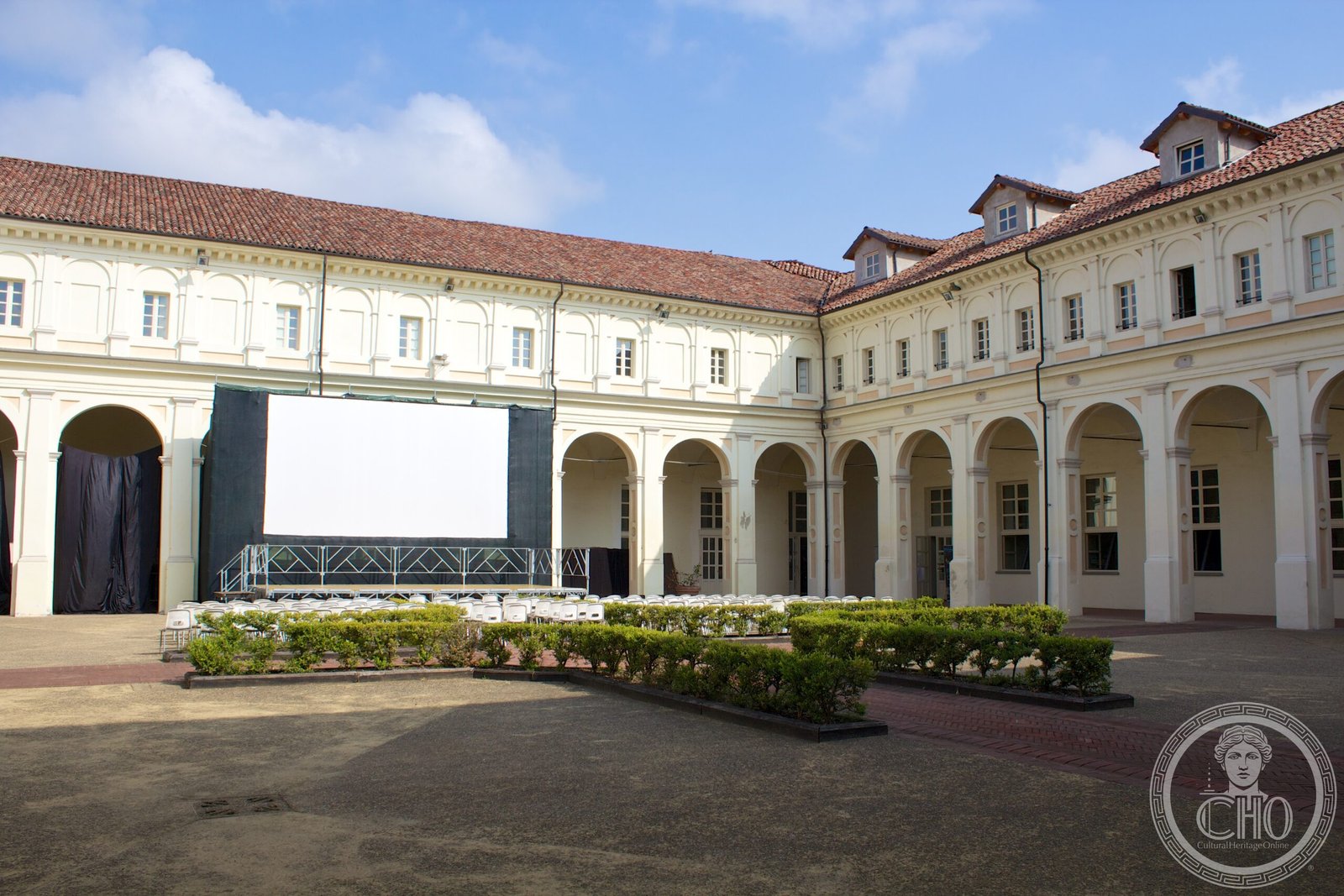
Territorial Paleontological Museum of Asti — Fossil Museum
The Territorial Paleontological Museum of Asti, known locally as the Museo Fossili, is a natural history institution in Asti, Piedmont, dedicated to the extraordinary fossil record preserved in the Pliocene marine sediments of the Asti hills. The museum displays shells, fish, marine reptiles, and plant remains that document the ancient warm sea that covered this part of northern Italy approximately 3–5 million years ago, when the Padano-Adriatic basin extended far inland across the Po plain.
At a glance
- Type
- Territorial paleontological and natural history museum
- Period
- Fossil collections from the Pliocene epoch (approx. 2.6–5.3 million years ago); museum established in the 20th century
- Style
- Natural history exhibition; scientific and educational collections
- Location
- Asti, Province of Asti, Piedmont, Italy
- Coordinates
- 44.8989° N, 8.1970° E
Overview
The Asti area is geologically significant as one of the richest Pliocene marine fossil sites in Europe, with sedimentary layers yielding well-preserved molluscs, echinoderms, fish teeth, and occasional large vertebrate remains. The Territorial Paleontological Museum collects and displays these finds within their regional stratigraphic context, making it a reference institution for scientists studying the paleogeography of northern Italy. The museum also performs an educational function for schools and local visitors, documenting the deep-time natural history of the Piedmont landscape.
History
Fossil collecting in the Asti hills has a long history: amateur naturalists and local scholars documented the remarkable shell-bearing sands from the 18th century onwards, and professional geological surveys in the 19th century established the stratigraphic sequence now known as the “Astian stage” — a formal subdivision of the Pliocene epoch named after the city. The territorial museum was established to gather and conserve the growing body of palaeontological material recovered from the region’s vineyards, road cuttings, and quarries, preserving specimens that might otherwise have been lost or dispersed into private collections.
What you see
The exhibition rooms present fossils arranged by type and stratigraphic horizon, with a strong emphasis on the marine invertebrates — bivalves, gastropods, sea urchins, and corals — that make up the bulk of the Pliocene assemblage from the Asti hills. Fish teeth, shark vertebrae, and cetacean bone fragments represent the larger marine fauna of the ancient sea. Explanatory panels place the fossils within the paleogeographic story of the retreating Pliocene sea and the gradual emergence of the Po plain landscape familiar today.
Cultural significance
The Asti Pliocene assemblage is important enough in the international geological record that the “Piacenzian age” — the younger part of the Pliocene — carries a formal stratotype in the nearby Piacenza area, and the general regional fauna has shaped European understanding of late Neogene marine environments. The museum preserves this scientific heritage at the local level and keeps it accessible to non-specialist audiences.
Practical information
- Address
- Asti, Province of Asti, Piedmont, Italy
- Hours
- Check official website or contact the municipality of Asti for current opening times
- Admission
- Check official website for current ticket prices
Getting there
Asti is on the main Turin–Genoa railway line with frequent services from both cities; the journey from Turin takes approximately 40 minutes. By car, take the A21 motorway (Turin–Brescia) and exit at Asti Est or Asti Ovest. The museum is in the historic centre, accessible on foot from the train station.
Sources & resources
Find it on the map
See this place and what’s around it →📷 Diventa un fotografo di Cultural Heritage Online
Condividi le tue foto dei luoghi: restano pubblicate con la tua firma come autore. Più vengono viste, più ti fai conoscere — e presto un concorso premierà le foto più apprezzate.
Accedi o registrati gratis per aggiungere una foto