
San Miniato
A medieval hilltop town between Florence and Pisa, shaped by centuries of territorial struggle and crowned by Frederick II’s fortress. Now a diocesan seat famous for white truffles, wine, and leather craftsmanship.
At a glance
San Miniato occupies a strategic hill midway between Florence and Pisa, a position that made it a crucial prize in medieval power struggles. Once known as San Miniato al Tedesco for its Germanic roots under Frederick II of Swabia, the city shifted allegiance to Florence in 1370 and adopted its calendar and name. Today it remains a vibrant cultural and economic center anchored to its historic medieval core.
History
Lombard settlers established the original settlement in the eighth century, according to a document dated 713 preserved in Lucca’s Archbishop’s Archive. They built a church dedicated to the martyr Miniato, whose name the city would bear.
Frederick II of Swabia fortified the town in the 13th century, building the fortress that commanded the Arno valley and housing his Tuscan vicar there. This imperial connection earned San Miniato its medieval epithet “al Tedesco” (to the German)—a name that persisted for centuries despite shifting political winds.
On 31 December 1370, San Miniato signed peace with Florence, abandoning the Pisan calendar and adopting the Florentine one. The name changed to San Miniato al Fiorentino, then simply San Miniato. In 1622 it became a bishopric seat, separating from the diocese of Lucca.
The young Napoleon twice visited the town, seeking a nobility certificate for his family’s Tuscan origins to enter the French military academy. A plaque on the Buonaparte palace marks his later visit during the Italian Campaign to see his distant relative, canon Filippo Buonaparte.
San Miniato remained Florentine until 1925, when it passed to the province of Pisa. World War II dealt severe damage: the “massacre of the Duomo” and destruction of medieval structures, including Frederick’s Rocca, which was subsequently rebuilt.
What you see
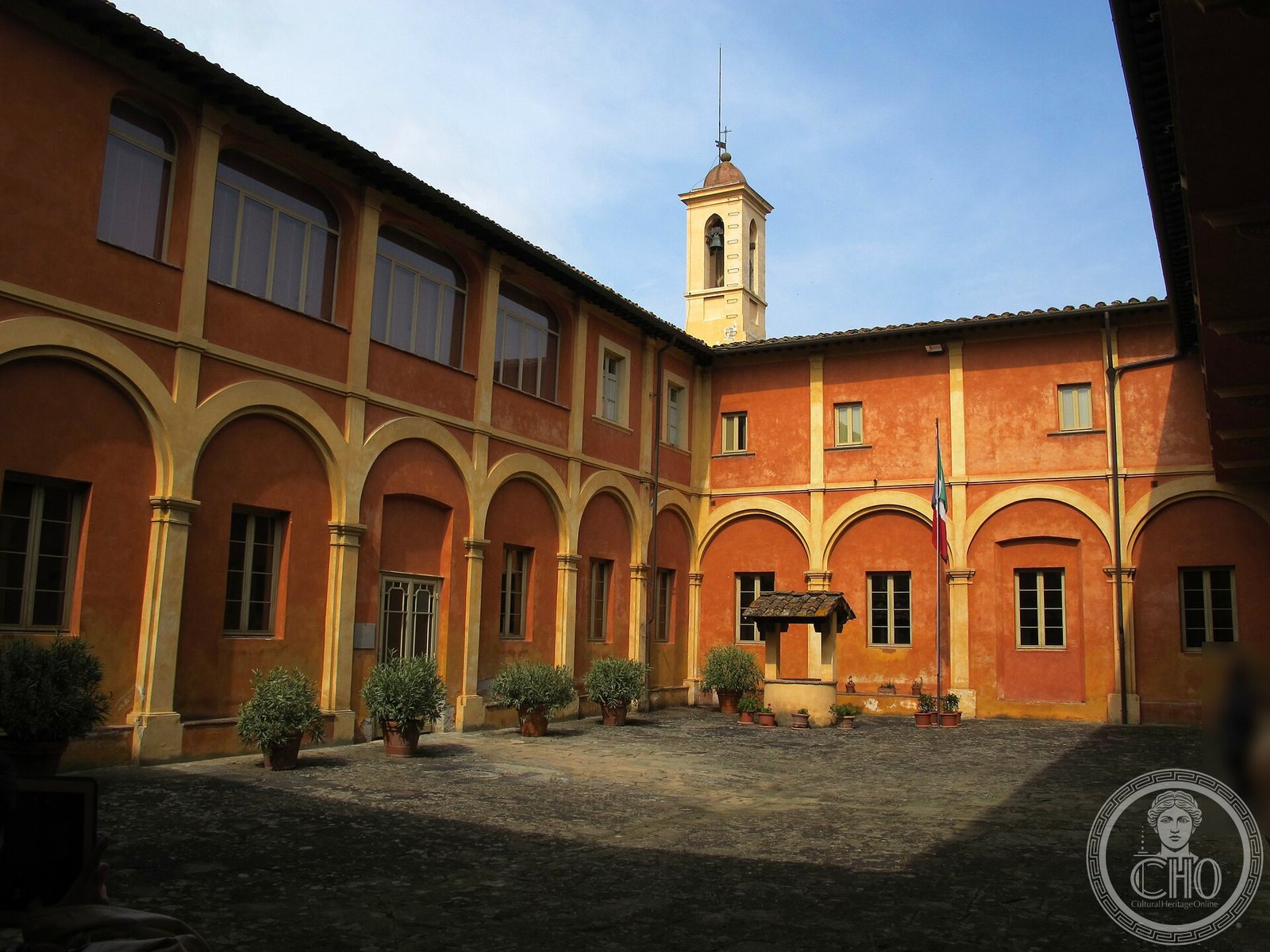
The historic center preserves its medieval character despite wartime losses. Frederick II’s fortress, reconstructed after 1945, dominates the skyline and testifies to the town’s strategic importance. The Cathedral of Santa Maria Assunta anchors the main piazza, its presence underscoring San Miniato’s role as a diocesan seat since 1622.
The Buonaparte palace, marked by a commemorative plaque, stands as a reminder of the town’s aristocratic connections. Medieval streets and buildings, some newly restored, wind through the hilltop, preserving the layout that once served military and mercantile purposes.
Cultural significance
San Miniato exemplifies the medieval Tuscan town caught between rival powers. Its history reflects broader patterns of religious, political, and family influence that shaped central Italy—from Lombard settlement through imperial investiture, Ghibelline resistance, and eventual Florentine absorption.
The town’s association with white truffles, leather production, and wine connects medieval heritage to living tradition. Its role as a bishopric and its aristocratic genealogies link local identity to larger Italian narratives, particularly Napoleon’s interest in Tuscan nobility.
Key facts
- Founded: 8th century (documented 713)
- Fortress built by Frederick II of Swabia, 13th century
- Diocese established: 1622
- Transferred to province of Pisa: 1925
- Address: Via Vittime del Duomo, 8, 56028 San Miniato (Pi)
- Coordinates: 43.6808583, 10.8530522
- Phone: +39 0571 4061
- Official website: https://www.comune.san-miniato.pi.it/
Practical information
San Miniato is a living town with shops, restaurants, and services centered around its historic piazza. The medieval center is best explored on foot. Opening hours for individual sites should be confirmed via the municipal website.
Getting there
San Miniato lies on the road between Florence and Pisa, roughly equidistant from both cities. By car, take the Strada Statale 67 (Tosco-Romagnola). Train access is available via nearby Castelfiorentino or Pontedera stations, with bus connections to the town center.
Sources & resources
- Comune di San Miniato: https://www.comune.san-miniato.pi.it/
- Cultural Heritage Online: https://culturalheritageonline.com
Find it on the map
See this place and what’s around it →Historical events at this place (1)
📷 Diventa un fotografo di Cultural Heritage Online
Condividi le tue foto dei luoghi: restano pubblicate con la tua firma come autore. Più vengono viste, più ti fai conoscere — e presto un concorso premierà le foto più apprezzate.
Accedi o registrati gratis per aggiungere una foto