

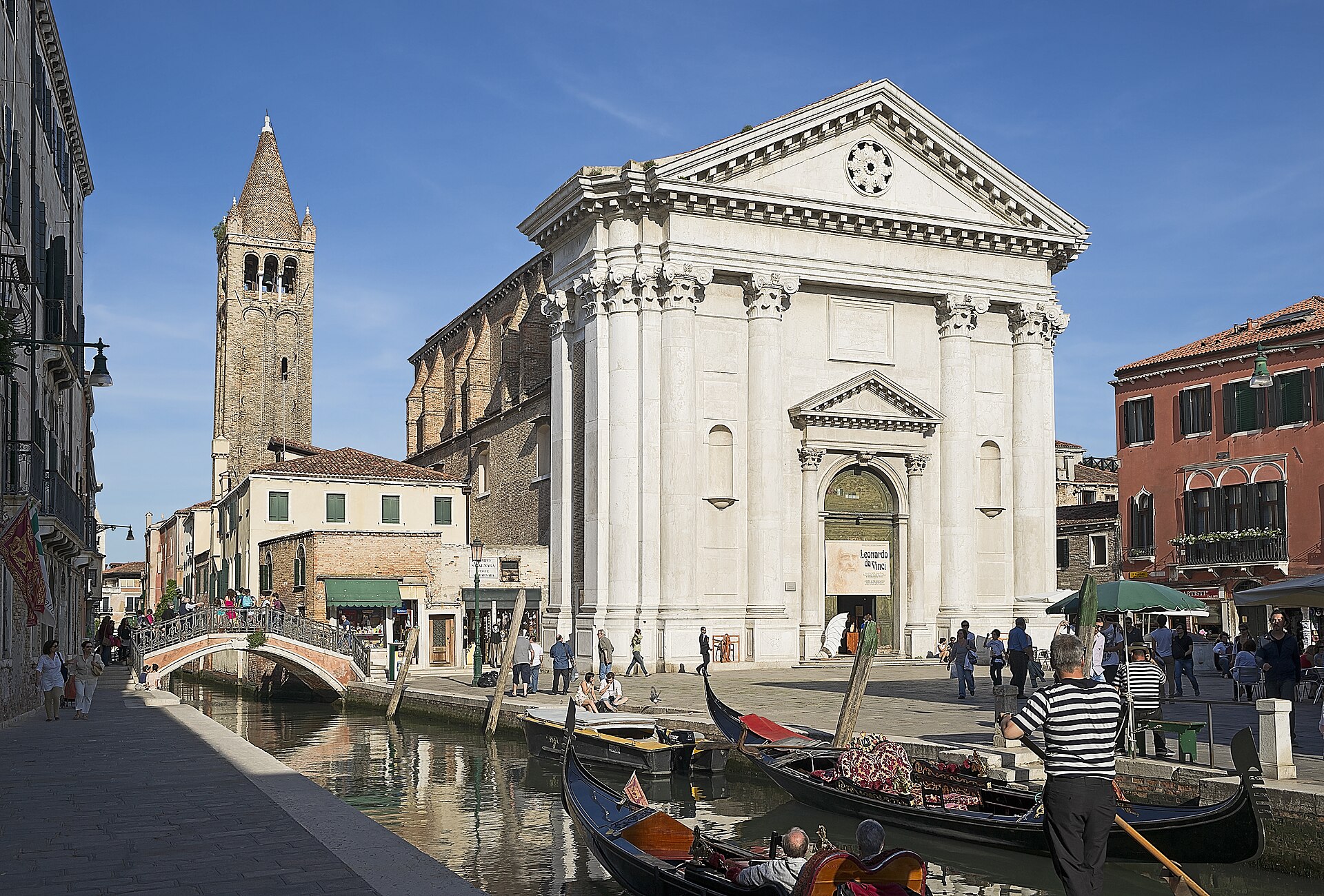
A Venetian parish church in Dorsoduro with roots in the early medieval period, transformed multiple times by fire, renovation, and modern repurposing into a space celebrating Renaissance invention.
At a glance
San Barnaba stands in the Dorsoduro district, one of Venice’s oldest neighborhoods. Originally built on the site of a 9th-century church dedicated to San Lorenzo, the structure reflects centuries of Venetian ecclesiastical life and urban change. Today it functions as a museum dedicated to the machines of Leonardo da Vinci.
History
Tradition attributes the church’s foundation to the Adorni family of Venice in 936, though the current building developed from an earlier San Lorenzo church dating to the beginning of the 9th century. The timing of its elevation to parish status remains unclear—possibly shortly after foundation or during the 11th century, when Venice’s ecclesiastical organization took shape. It served as a branch of the nearby Santa Maria Zobenigo.
Repeated fires necessitated numerous renovations. The church received formal consecration on 6 December 1350 by the Bishop of Suda, under license from Castello’s bishop Nicolò Morosini. The building assumed its present appearance in 1779, following renovation work that began in 1749 under architect Lorenzo Boschetti’s direction.
Napoleonic rule brought suppression: in 1810 the parish was dissolved, its territory annexed to the Carmini parish, and the church deconsecrated. It subsequently became a vicarial chapel before conversion into a permanent exhibition space dedicated to Leonardo da Vinci’s machines.
What you see
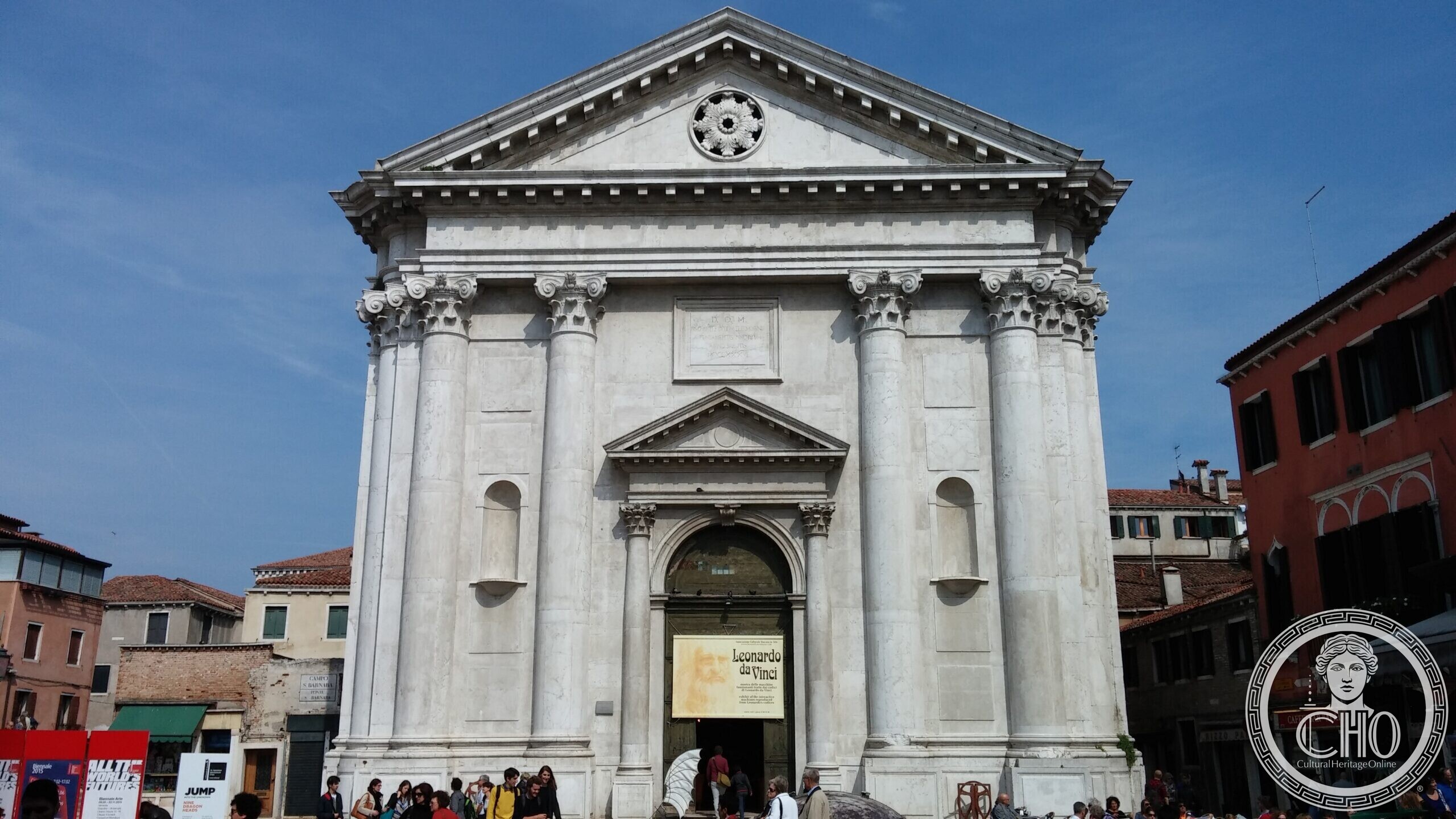
The church’s current architectural character dates primarily to Lorenzo Boschetti’s renovation project of 1749–1779. The exterior reflects Venetian ecclesiastical conventions of the late 18th century. The interior, transformed into an exhibition venue, presents reconstructions and displays of Leonardo da Vinci’s mechanical designs rather than traditional liturgical arrangement.
Cultural significance
San Barnaba exemplifies Venice’s deep ecclesiastical history and the city’s adaptive reuse of sacred spaces. Its conversion into a Leonardo da Vinci museum reflects modern Venice’s emphasis on Renaissance cultural heritage. The church gained additional visibility through its appearance in Steven Spielberg’s Indiana Jones and the Last Crusade, where exterior shots served as the setting for an imaginary library—interiors were filmed on a soundstage.
Key facts
- Address: Campo San Barnaba, Dorsoduro 2771, Venice
- Coordinates: 45.4331932, 12.3248539
- Phone: 041 529 8711
- Website: turismovenezia.it
- Consecration: 6 December 1350
- Architectural renovation: 1749–1779 (architect Lorenzo Boschetti)
Practical information
The church is now a permanent exhibition space dedicated to Leonardo da Vinci’s machines. Hours of operation and admission details are available through the official tourism website. Contact the venue directly for current visiting information and group visit arrangements.
Getting there
San Barnaba is located in the Dorsoduro district on the south bank of the Grand Canal. You can reach Campo San Barnaba by vaporetto (water bus) or on foot from central Venice. The nearest vaporetto stops serve the surrounding areas; detailed route information is available on the ACTV Venice public transport website.
Sources & resources
Photo gallery
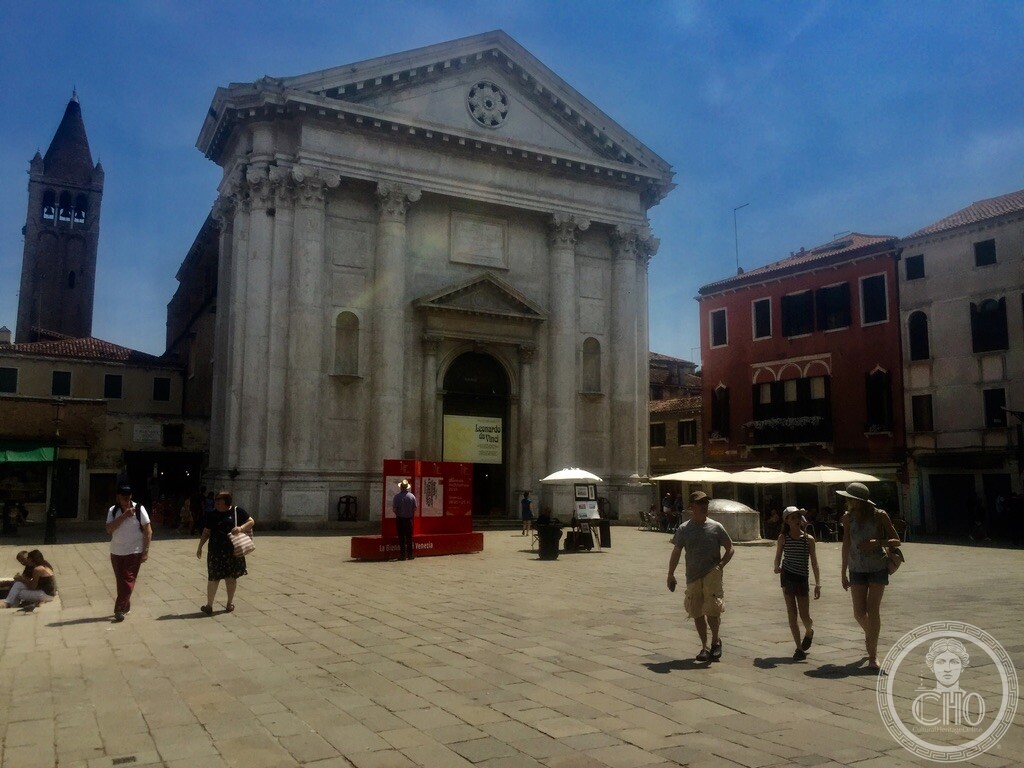
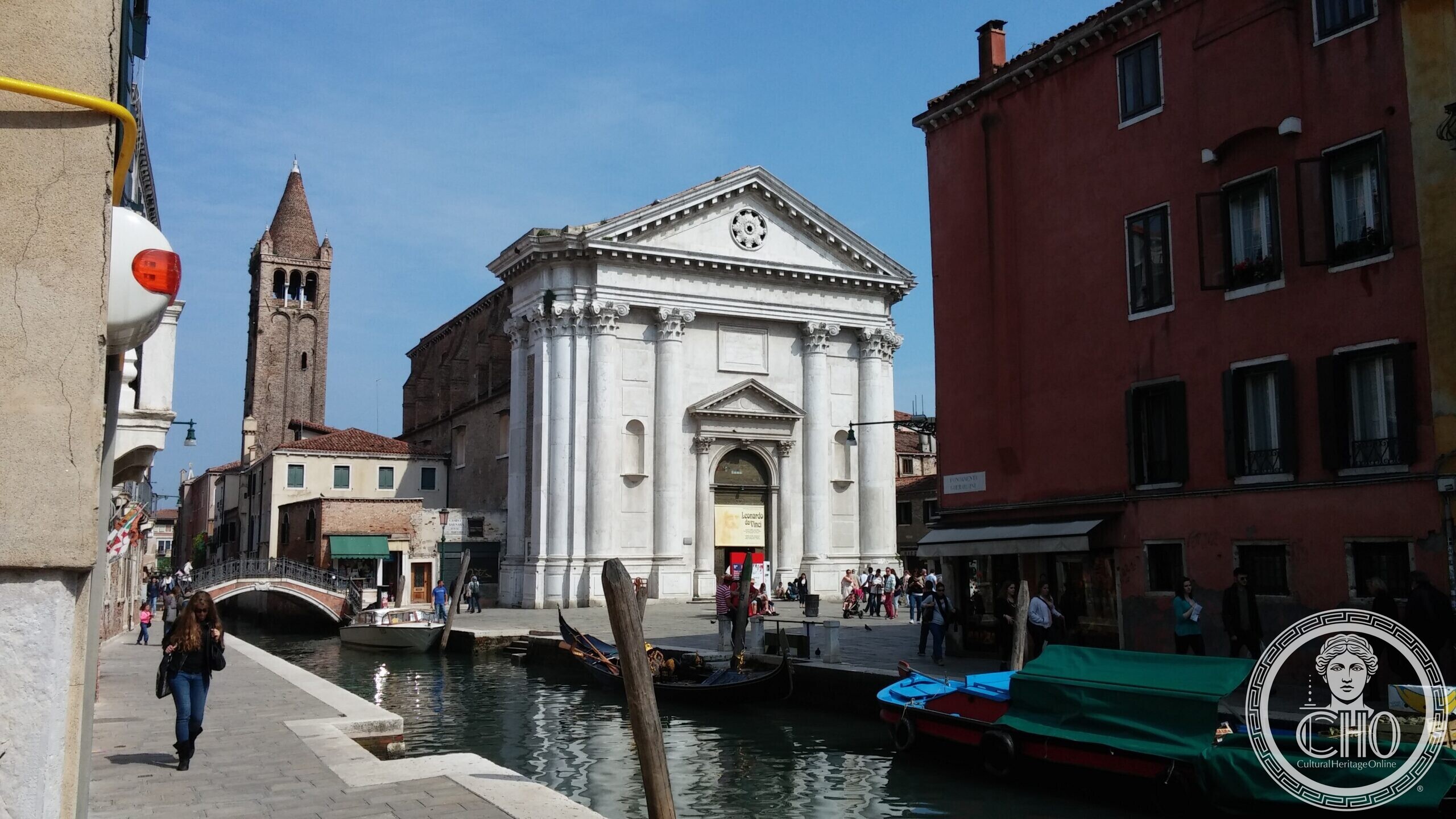
Photographs contributed by a Cultural Heritage Online member.
Find it on the map
See this place and what’s around it →📷 Become a Cultural Heritage Online photographer
Share your photos of places: they stay published under your name as the author. The more they're seen, the more you get noticed — and soon a contest will reward the most appreciated photos.
Log in or sign up free to add a photoIs this page about you?
This page is read by travellers and heritage enthusiasts who find it on Google. Tell us how you are connected to this place and we will take it from there.