
Ota Ukiyo-e Memorial Museum of Art
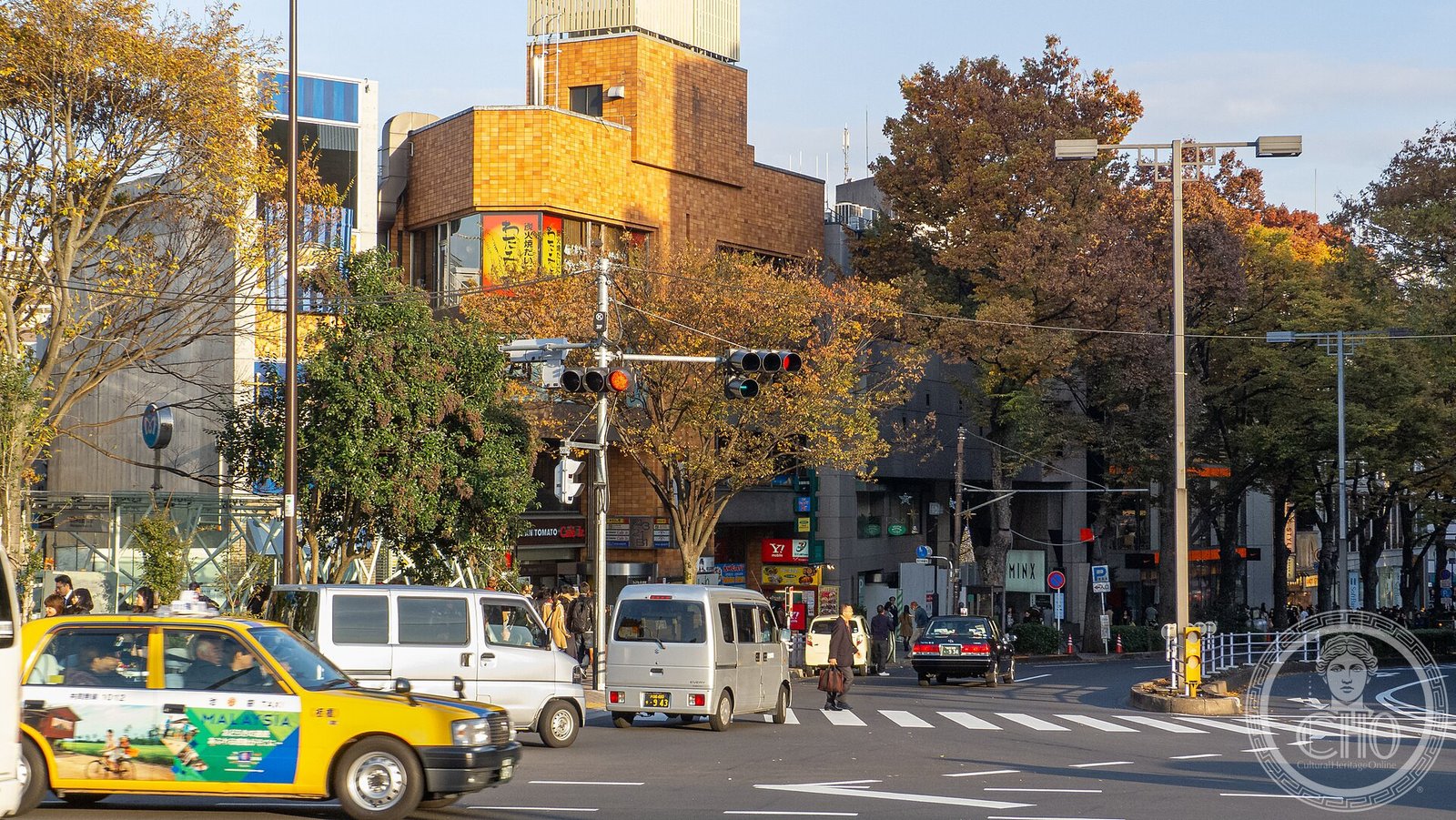
The Ukiyo-e Ota Memorial Museum of Art is a specialist woodblock-print museum in the Jingumae neighbourhood of Shibuya, Tokyo, Japan, holding more than 12,000 ukiyo-e prints assembled by collector Ota Seizo V. Opened in January 1980, the museum presents rotating exhibitions drawn from its encyclopedic holdings of works by Hiroshige, Hokusai, Utamaro, and other masters of the Edo-period print tradition, making it one of the most focused and accessible ukiyo-e institutions in the world. Its central location in the Omotesando area places it within easy reach of the city’s main shopping and cultural corridors.
At a glance
- Type
- Specialty art museum — ukiyo-e (Japanese woodblock prints)
- Period
- Opened January 1980; collection covers Edo period (17th–19th century) to Meiji era
- Style
- Traditional Japanese townhouse-inspired interior; intimate gallery scale
- Location
- 1-10-10 Jingumae, Shibuya-ku, Tokyo 150-0001, Japan
- Coordinates
- 35.6694° N, 139.7028° E
Overview
The Ukiyo-e Ota Memorial Museum of Art is a museum in Shibuya, Tokyo, presenting rotating exhibitions of ukiyo-e drawn from collector Ota Seizo V’s holding of over 12,000 pieces. The collection encompasses the full breadth of the woodblock print tradition — landscapes, bijin-ga (portraits of beauties), kabuki actor portraits, surimono, and warrior scenes — by the greatest masters of the Edo and Meiji periods. The museum’s intimate scale and rotating programme allow visitors to encounter prints in a contemplative setting suited to their delicate format.
History
Ota Seizo V (1878–1952) dedicated his life to assembling one of Japan’s finest private ukiyo-e collections, acquiring sheets that had dispersed in the wake of the Meiji Restoration’s rapid social transformation. His heirs preserved the collection intact and established the museum in 1980 to ensure permanent public access to these works. The Jingumae location in Harajuku placed the museum within walking distance of Meiji Shrine and the emerging fashion district, giving it an unusual cultural position between Edo craft tradition and contemporary Tokyo street life.
What you see
Monthly rotating exhibitions present themed selections from the 12,000-print collection, typically focusing on a single artist, genre, or subject — for example Hiroshige’s series of landscape prints, Utamaro’s bijin-ga, or seasonal imagery across multiple masters. Prints are displayed in low-light cases suited to their fragile paper and pigment, with Japanese and English labelling providing context for each work. A small shop near the entrance offers high-quality reproductions and scholarly publications on ukiyo-e history and technique.
Cultural significance
Ukiyo-e prints were among the most important cultural exports of Edo Japan, profoundly influencing European Impressionism and Post-Impressionism through the Japonisme movement of the late nineteenth century. The Ota Memorial Museum provides an essential reference point for understanding this tradition in its original cultural context, with a collection of sufficient depth to document minor masters and variations as well as the famous canonical series.
Practical information
- Address
- 1-10-10 Jingumae, Shibuya-ku, Tokyo 150-0001, Japan
- Hours
- Tuesday–Sunday 10:30–17:30 (last entry 17:00); closed Monday and during exhibition changeovers. Check official website for exact schedule.
- Admission
- Paid entry; reduced rates for students. Check official website for current prices.
Getting there
The museum is a short walk from Harajuku Station on the JR Yamanote Line, or from Meiji-Jingumae Station on the Tokyo Metro Chiyoda and Fukutoshin lines. Exit at Takeshita-dori and follow Omotesando-dori west for approximately five minutes. The museum is not easily accessible by car given the narrow streets of Jingumae.
Sources & resources
Find it on the map
See this place and what’s around it →📷 Diventa un fotografo di Cultural Heritage Online
Condividi le tue foto dei luoghi: restano pubblicate con la tua firma come autore. Più vengono viste, più ti fai conoscere — e presto un concorso premierà le foto più apprezzate.
Accedi o registrati gratis per aggiungere una foto