
Museum of Applied Arts
An Art Nouveau masterpiece housing one of the world’s oldest decorative arts collections, distinguished by its striking green roof and richly ornamented interiors inspired by Hindu, Mughal and Islamic design.
At a glance
The Museum of Applied Arts ranks as the third oldest applied arts museum globally. Designed by Ödön Lechner and completed in 1896, it stands as a landmark of Hungarian modernism in the Ferencváros district.
History
Founded in 1872, the museum established itself as a collector and keeper of decorative traditions during a pivotal moment in European art history. The current building, constructed between 1893 and 1896, represents a bold architectural statement by one of Hungary’s most celebrated architects, Ödön Lechner.
What you see
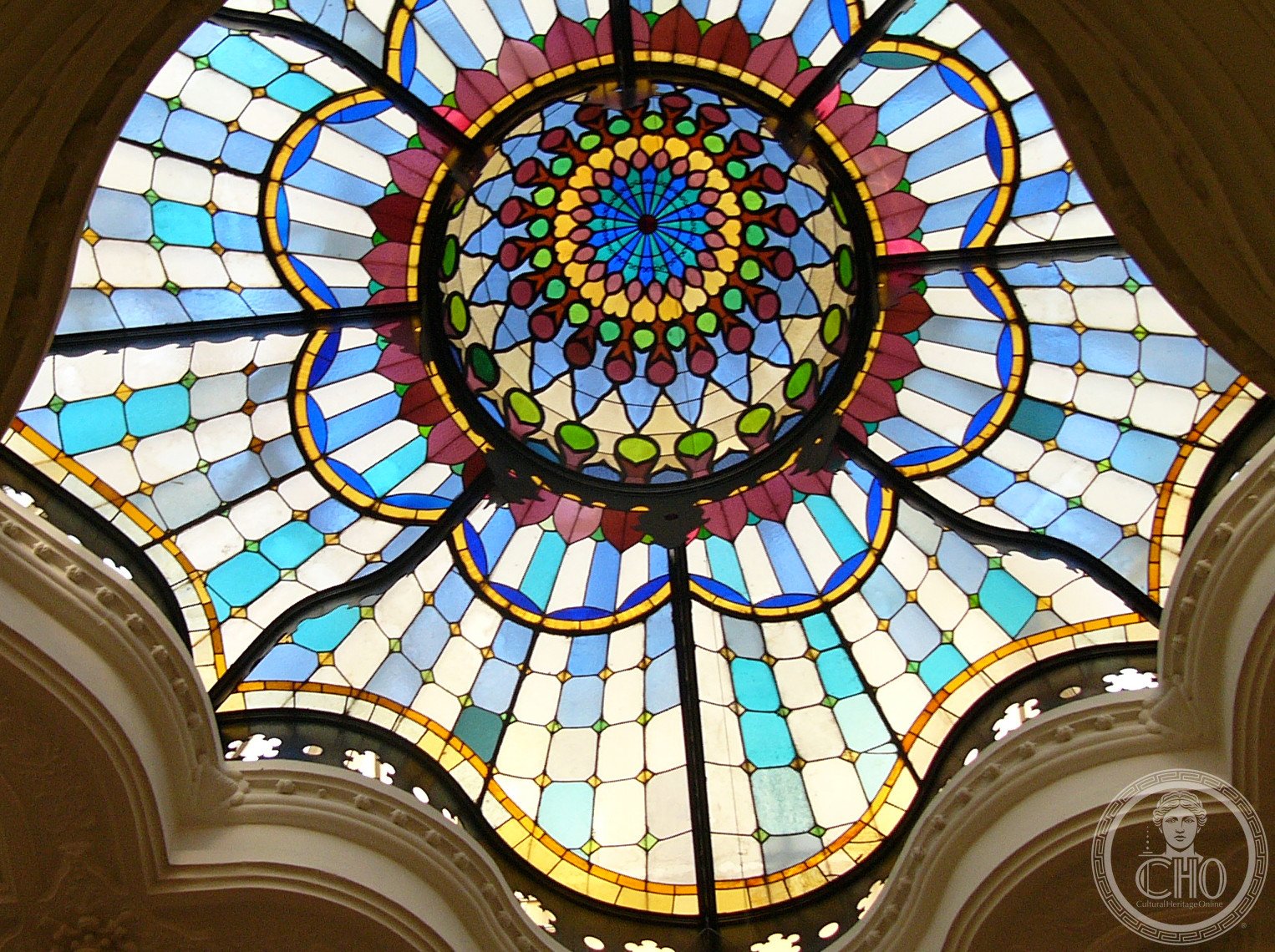
The structure exemplifies Art Nouveau in its most distinctive form. The signature green roof dominates the exterior, while the interior spaces showcase a sophisticated synthesis of influences. Hindu, Mughal and Islamic ornamental vocabularies enrich the rooms, reflecting both the decorative traditions the museum preserves and the cosmopolitan artistic currents of the era.
Cultural significance
As Hungary’s principal museum dedicated to applied arts, it documents the evolution of craftsmanship across metals, textiles, glass and furniture. The collection illuminates how functional objects embody cultural identity and aesthetic values. The building itself functions as a manifesto—Lechner’s architectural choices assert that applied arts deserve equal reverence to fine art.
Key facts
- Address: Üllői út 33–37, 1091 Budapest
- Coordinates: 47.48612823681889, 19.068349599838257
- Phone: +36 1 456 5107
- Website: http://www.imm.hu/en/
- Founded: 1872
- Architect: Ödön Lechner
Practical information
The museum houses collections of metalwork, furniture, textiles and glass alongside a substantial research library. The institution also oversees the Hopp Ferenc Museum of East Asian Arts and the Nagytétény Castle Museum. Current plans address necessary renovation of the building.
Getting there
The museum occupies a prominent position near the southern end of the Grand Boulevard in the Ferencváros district. It is directly accessible via Budapest Metro Line 3.
Sources & resources
Find it on the map
See this place and what’s around it →📷 Diventa un fotografo di Cultural Heritage Online
Condividi le tue foto dei luoghi: restano pubblicate con la tua firma come autore. Più vengono viste, più ti fai conoscere — e presto un concorso premierà le foto più apprezzate.
Accedi o registrati gratis per aggiungere una foto