
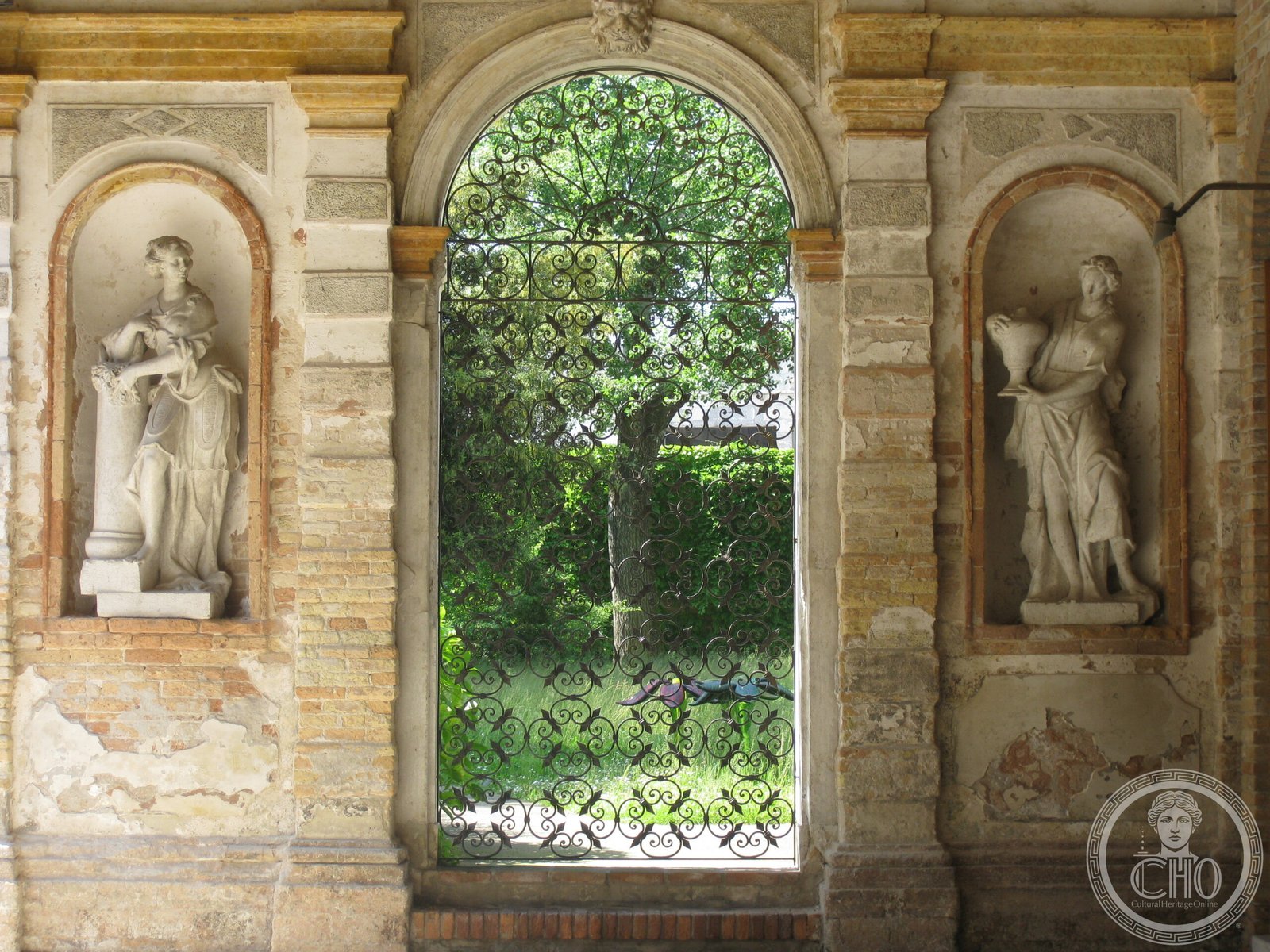
Murano Glass Museum — Palace of the Bishops of Torcello
The Museo del Vetro (Glass Museum) on the island of Murano in the Venetian Lagoon is one of the world’s foremost collections dedicated to glass art and production, housed in the Gothic Palazzo Giustinian — the former residence of the Bishops of Torcello. The collection spans more than two millennia of glassmaking history, from ancient Roman examples to Murano’s celebrated Renaissance millefiori and lattimo masterpieces, making it an essential destination for understanding the global history of this medium.
At a glance
- Type
- Decorative arts museum — glass art and production history
- Period
- Palazzo Giustinian: 15th century Gothic; collection spans antiquity to 20th century
- Style
- Venetian Gothic palazzo · art glass · Murano craft tradition
- Location
- Murano, Venice (45.4566° N, 12.3568° E)
Overview
Murano has been synonymous with glass excellence since 1291, when the Venetian Republic ordered all glassmaking furnaces relocated from the city to the island to reduce fire risk — and to control the secrets of the craft more effectively. The Glass Museum, established in the Palazzo Giustinian in 1861, brings together the finest products of eight centuries of Murano furnaces alongside ancient and medieval glass that contextualises the Venetian achievement within global production history. It is part of the Fondazione Musei Civici di Venezia network and remains the primary institutional guardian of Murano’s craft heritage.
History
The Palazzo Giustinian was built in the fifteenth century as the episcopal residence for the bishops of the ancient diocese of Torcello, the earliest settled island of the Venetian Lagoon. When the bishops of Torcello no longer required the palace, it was acquired for civic use; the glass museum was inaugurated there in 1861 as part of a broader effort to document and preserve Murano’s industrial and artistic heritage at a moment when traditional glassmaking was under competitive pressure. The collection grew through subsequent decades with major donations from Murano’s glassmaking families and through archaeological finds of ancient glass.
What you see
The museum’s galleries move chronologically from Roman and early medieval glass through the Renaissance achievements that made Murano world-famous: delicate cristallo (colourless glass), millefiori (thousand-flower) cane-work, lattimo (milk glass), and the intricate filigrana techniques that allowed transparent threads to be twisted into complex patterns inside the glass. Later rooms document the nineteenth-century revival of historical styles and the twentieth-century engagement with modernist design. The Gothic palace interior, with its carved stone windows overlooking the Murano canal, is itself a significant architectural monument.
Cultural significance
The Glass Museum stands at the intersection of craft heritage, industrial history, and fine arts, reflecting Murano’s unique status as a community where artisans were granted exceptional privileges — including the right to bear swords and to marry into Venetian noble families — in exchange for keeping the secrets of their craft. The museum’s collection is irreplaceable documentation of techniques developed over centuries, many of which survive today only because the institution preserved examples and records of their production.
Practical information
- Address
- Fondamenta Marco Giustinian 8, 30141 Murano, Venezia
- Opening hours
- Check the official Fondazione Musei Civici di Venezia website for current hours and admission
- Admission
- Part of the Musei Civici di Venezia network — combined tickets available
Getting there
Murano is reached by vaporetto from Venice: line 4.1 or 4.2 from Fondamente Nove, or the direct Alilaguna boat from Marco Polo Airport. The museum is a short walk from the Museo vaporetto stop on Murano. The crossing from Venice takes approximately 15–20 minutes. Water taxis offer a faster but more expensive alternative.
Sources & resources
Find it on the map
See this place and what’s around it →📷 Diventa un fotografo di Cultural Heritage Online
Condividi le tue foto dei luoghi: restano pubblicate con la tua firma come autore. Più vengono viste, più ti fai conoscere — e presto un concorso premierà le foto più apprezzate.
Accedi o registrati gratis per aggiungere una foto