
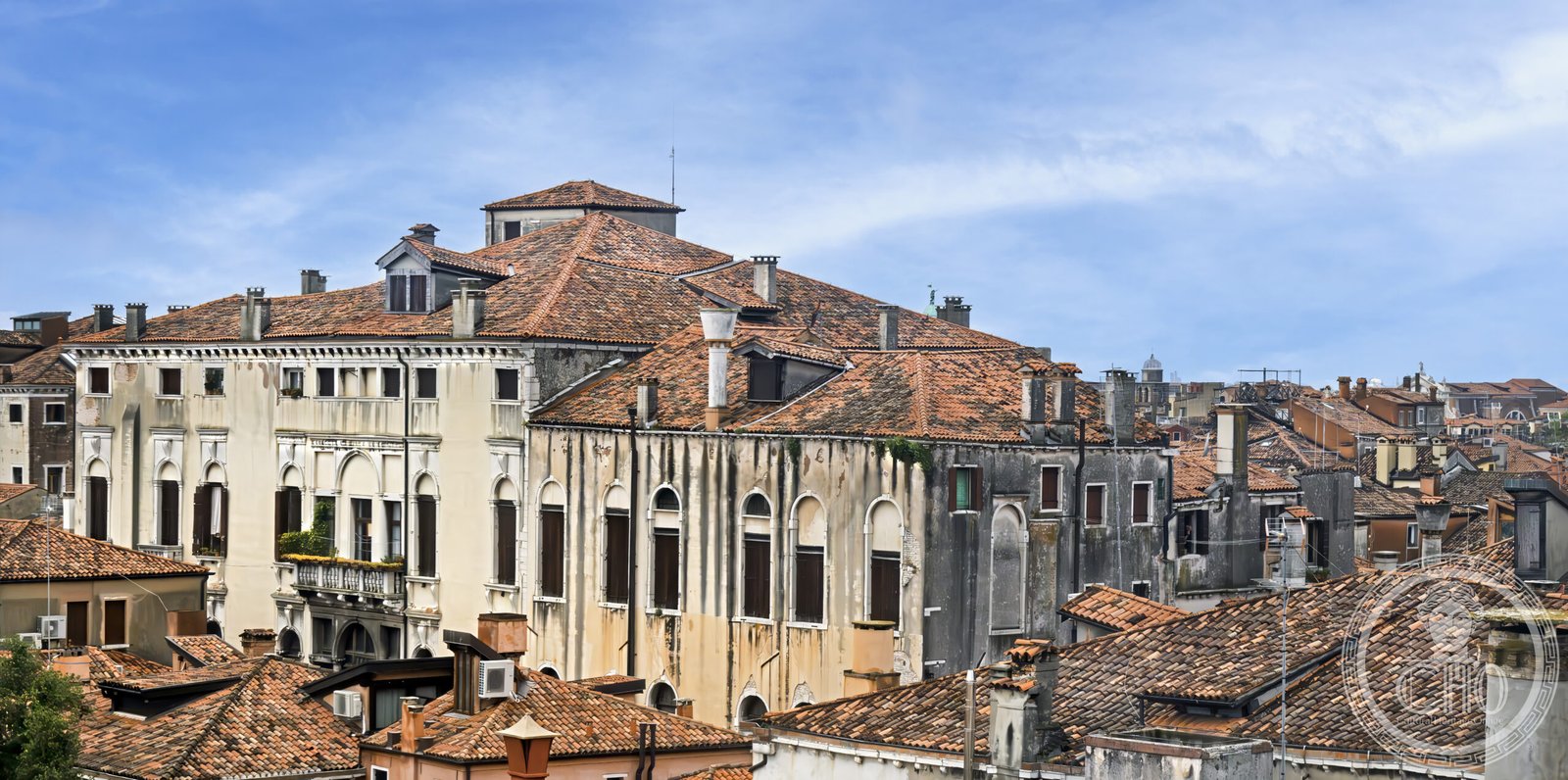
Mocenigo Palace Museum — Study Centre for the History of Textile, Costume and Perfume
The Museo di Palazzo Mocenigo occupies one wing of the grand Venetian palazzo at San Stae on the Grand Canal, presenting the history of Venetian textile, costume, and perfume through a rich collection of garments, fabrics, fashion accessories, and fragrance-related objects dating from the seventeenth to the early twentieth century. A dedicated study centre and library make it one of Italy’s principal research resources for the history of dress and scent.
At a glance
- Type
- Decorative arts museum — textile, costume, and perfume history
- Period
- Palazzo built 17th century; collection spans 17th–early 20th century
- Style
- Venetian Baroque palazzo · decorative arts · fashion history
- Location
- Salizada San Stae, Santa Croce, Venice (45.4407° N, 12.3299° E)
Overview
Palazzo Mocenigo at San Stae is one of several Venetian palaces bearing the name of the illustrious Mocenigo family, a dynasty that produced seven doges of the Venetian Republic and shaped the city’s political and cultural life over four centuries. The palace on the Grand Canal near the church of San Stae passed to the city of Venice and was converted into a specialist museum focusing on textile and costume history, reflecting Venice’s historic role as a centre of luxury fabric production and international fashion trade. The addition of a perfume study centre acknowledges Venice’s significance in the early European spice and fragrance economy.
History
The Mocenigo family’s connection to this palace dates to the seventeenth century, when the building was constructed in the Venetian Baroque style typical of the period’s prosperous patrician commissions. The family’s prominence — senators, admirals, and doges among its members — ensured the palace was furnished and decorated to a high standard. After the fall of the Venetian Republic in 1797, the palace’s fortunes followed those of the Venetian patriciate; it eventually came into public ownership and was reconstituted as a museum in the twentieth century, with the textile and costume collection assembled from donations and civic acquisitions.
What you see
The museum’s frescoed rooms display an exceptional collection of historical garments — men’s and women’s dress, accessories, and ceremonial costume from the seventeenth through the early twentieth century — alongside examples of the silk velvets, brocades, and lace for which Venice was famous across Europe. The perfume section presents antique flasks, distillation equipment, and archival material tracing the Venetian spice and fragrance trade. Period furnishings and paintings in the piano nobile rooms evoke the domestic life of the Venetian aristocracy at the height of the Republic.
Cultural significance
Palazzo Mocenigo holds a unique place in Italian museum culture as a dedicated institution for the history of dress and scent — disciplines that mainstream art museums have historically marginalised. Its study centre and library make it an active research destination for fashion historians, textile conservators, and scholars of material culture, while the palace setting provides an authentic context for understanding how luxury objects functioned in Venetian aristocratic life.
Practical information
- Address
- Salizada San Stae 1992, 30135 Venezia — Santa Croce sestiere
- Opening hours
- Check the official Fondazione Musei Civici di Venezia website for current hours and admission
- Admission
- Part of the Musei Civici di Venezia network — combined tickets available
Getting there
The palace is reached by vaporetto line 1 (Grand Canal) alighting at San Stae stop, directly in front of the building. From Venice Santa Lucia railway station, take vaporetto line 1 towards the Lido. On foot from the station, cross the Scalzi Bridge and walk along the canal-side fondamenta (approximately 20 minutes). Water taxi services operate from the station and Marco Polo Airport.
Sources & resources
Find it on the map
See this place and what’s around it →📷 Diventa un fotografo di Cultural Heritage Online
Condividi le tue foto dei luoghi: restano pubblicate con la tua firma come autore. Più vengono viste, più ti fai conoscere — e presto un concorso premierà le foto più apprezzate.
Accedi o registrati gratis per aggiungere una foto