
Lombardy Region
Italy’s most populous region and seat of administrative power for a territory spanning the Alps to the Apennines, encompassing 1,516 municipalities across 12 large-area entities.
At a glance
Lombardy stands as Italy’s demographic and administrative heart. The region ranks first nationally by population and local authorities, second by population density, and fourth by surface area. Its borders touch Switzerland to the north and five Italian regions across its other boundaries. Milan serves as the capital and largest city.
History
Prefigured in the Italian Constitution of 1948, Lombardy was formally established as an autonomous region with ordinary statute in 1970. This administrative framework continues to govern its 12 provinces and the Metropolitan City of Milan, reflecting decades of institutional development and regional identity.
What you see
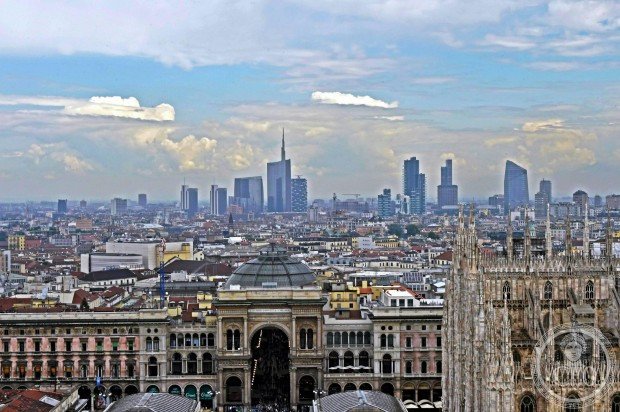
The Lombardy Regional headquarters occupies Piazza Città di Lombardia in Milan. The region’s territory encompasses extraordinary geographic and architectural diversity—from Alpine valleys in the north through urban centers and industrial zones to fertile plains in the south. This varied landscape reflects centuries of settlement patterns and economic development.
Cultural significance
Lombardy represents the institutional center of one of Europe’s most developed regions. Its administrative role extends across a territory of exceptional cultural importance, home to Milan’s artistic treasures, lakes Como and Garda, and a network of historic cities from Bergamo to Mantua.
Key facts
- Address: Piazza Città di Lombardia 1, 20124 Milan
- Coordinates: 45.4641262, 9.1894333
- Municipalities: 1,516 (highest in Italy)
- Administrative divisions: 11 provinces plus 1 metropolitan city (Milan)
- Population ranking: First in Italy
- Official website: http://www.regione.lombardia.it
- Phone: 02 3232 3325
Practical information
The regional government offices are located in central Milan. For inquiries regarding regional administration, services, or cultural initiatives, visitors can contact the official regional website or telephone the main administrative line during business hours.
Getting there
The headquarters sits in Milan’s city center, easily accessible by public transportation. Milan itself is served by three major airports and is a major rail hub connecting to cities throughout Italy and Europe. Regional offices can be reached via urban transit networks.
Sources & resources
Find it on the map
See this place and what’s around it →Historical events at this place (4)
📷 Diventa un fotografo di Cultural Heritage Online
Condividi le tue foto dei luoghi: restano pubblicate con la tua firma come autore. Più vengono viste, più ti fai conoscere — e presto un concorso premierà le foto più apprezzate.
Accedi o registrati gratis per aggiungere una foto