
Kunsthistorisches Museum
One of Europe’s greatest art museums, the Kunsthistorisches Museum houses masterworks spanning Egyptian antiquities to Old Masters paintings, housed in a monumental Renaissance-revival palace on the Ringstrasse.
At a glance
Vienna’s premier art museum attracts over a million visitors annually. The main building, crowned by a 60-meter octagonal dome, stands opposite the Naturhistorisches Museum on Maria-Theresien-Platz. Renaissance-inspired facades frame lavishly decorated interiors of marble, stucco, gold and frescoes.
History
Emperor Franz Joseph I commissioned the museum in 1858 to house the immense Habsburg art collection and open it to the public. Architects Carl von Hasenauer and Gottfried Semper won the 1867 competition. Construction began November 27, 1871, and the museum opened to visitors on October 22, 1891, following the emperor’s official inauguration.
The original collection encompasses portraits and armor of Ferdinand II, treasures from Emperor Rudolf II’s celebrated Kunstkammer, and paintings from Archduke Leopold William’s gallery—defining works of Renaissance and Baroque Europe.
What you see
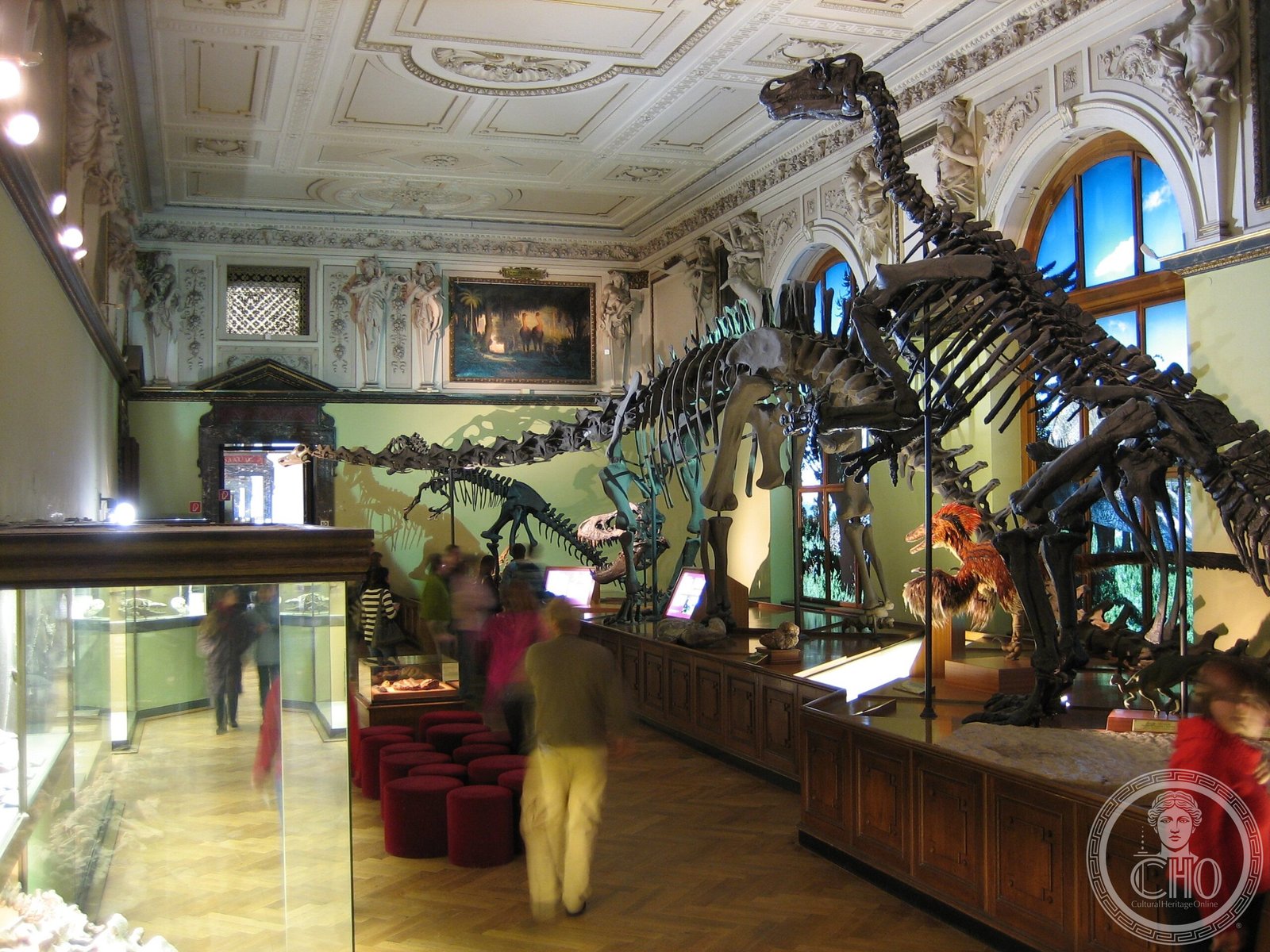
The facades echo Italian Renaissance style while the interior celebrates Imperial taste through elaborate decoration. The octagonal dome dominates the skyline above Maria-Theresien-Platz, mirroring its counterpart across the square.
Seven permanent collections span continents and centuries: paintings by Dürer, Vermeer, Velázquez, Rubens and Caravaggio; Egyptian and Oriental antiquities; Greek and Roman sculptures; decorative arts and armor; coins and medals; a specialized library.
Cultural significance
The museum represents Habsburg cultural ambition at its height—the transformation of dynastic treasure into public heritage. Its encyclopedic scope and quality influenced museum-founding across the continent.
The 2003 theft of Benvenuto Cellini’s celebrated Salt Cellar—Austria’s largest art heist—and its recovery in 2006 underscored the collection’s irreplaceable value. The masterwork remains on display today.
Key facts
- Address: Burgring 7, 1010 Vienna
- Coordinates: 48.205359569080414, 16.359511613845825
- Phone: +43 1 521770
- Official website: http://www.nhm-wien.ac.at/
- Opened: October 22, 1891
- 2012 visitor count: 1,351,940
Practical information
Opening hours and admission fees are available on the official website. The museum’s collections span multiple galleries; plan adequate time for viewing.
Getting there
The museum is located on the Ringstrasse at Maria-Theresien-Platz in Vienna’s 1st district. Public transport and detailed visitor information are available at the official website.
Sources & resources
Find it on the map
See this place and what’s around it →📷 Diventa un fotografo di Cultural Heritage Online
Condividi le tue foto dei luoghi: restano pubblicate con la tua firma come autore. Più vengono viste, più ti fai conoscere — e presto un concorso premierà le foto più apprezzate.
Accedi o registrati gratis per aggiungere una foto