
Island of Corsica
The fourth-largest Mediterranean island, Corsica rises as a forested mountain range between the Tyrrhenian and Ligurian Seas. Known as “l’île de Beauté”—the island of beauty—it has been a crossroads of Mediterranean cultures for millennia.
At a glance
Corsica is a French territory with pronounced Italian geographical ties, separated from Sardinia by the Bocche di Bonifacio strait. The island supports a population of roughly 35 inhabitants per square kilometre, with about one-third designated as protected natural park. Tourism forms the backbone of its modern economy, substantially boosting visitor numbers during summer months.
History
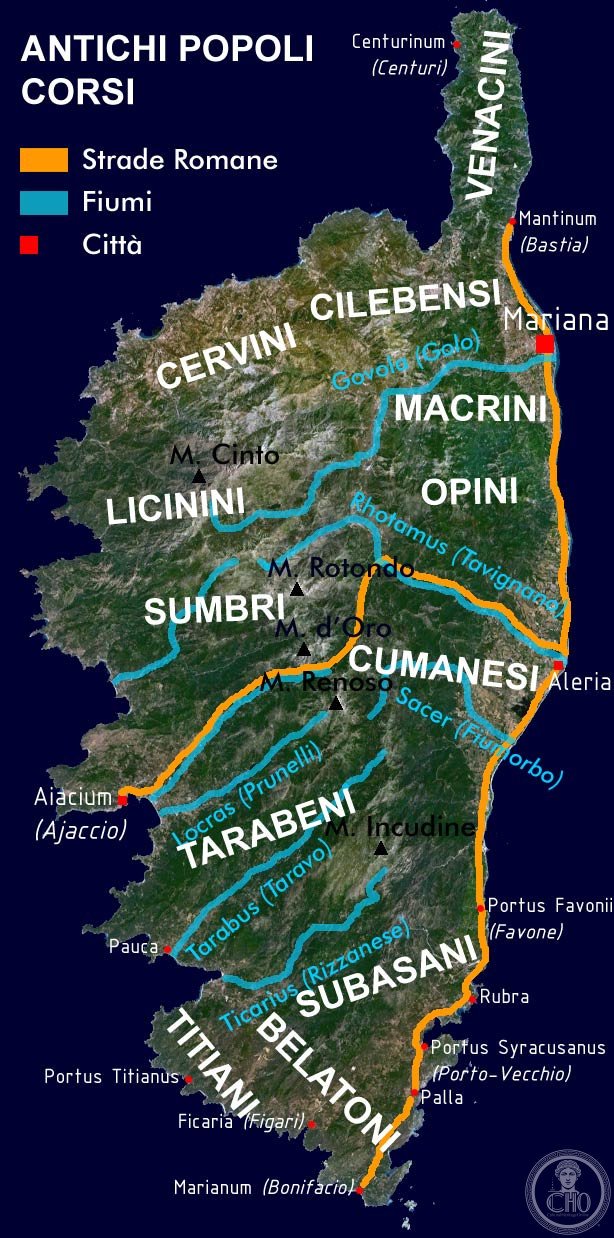
Ancient Greek navigators called the island Kallíste (the most beautiful), while other classical names included Cyrnos, Cernealis, Corsis and Cirné. As a strategic crossroads for four millennia, Corsica absorbed influences from successive Mediterranean powers. The island came under French administration in 1769, the same year Napoleon Bonaparte was born in Ajaccio, three months after the French takeover of the Corsican Republic and one year after Genoa pledged the territory to France as collateral for debts.
What you see
Corsica’s landscape is defined by rugged mountain ranges rising directly from the Mediterranean, clothed in dense forests and maquis vegetation. The coastline alternates between dramatic rocky cliffs and secluded beaches. Protected natural areas preserve the island’s ecological character, while settlements cluster in accessible valleys and coastal enclaves, reflecting centuries of maritime trade and mountain pastoralism.
Cultural significance
The island embodies a rich confluence of Mediterranean heritage—Greek, Roman, Genoese, and French influences shaped its culture, language, and identity. Corsica’s traditional agro-pastoral economy and wine production maintain deep roots, while its dramatic natural beauty has made it an increasingly important centre for heritage tourism and environmental conservation in the modern Mediterranean.
Key facts
- Coordinates: 41.9172268, 8.737602
- Official website: https://www.visit-corsica.com/it
- Administrative divisions: two departments (Haute-Corse and Corse-du-Sud) comprising five arrondissements, 52 cantons, and 360 municipalities
- Birthplace of Napoleon Bonaparte (born 1769 in Ajaccio)
Practical information
Activities span mountaineering and hiking through interior peaks to scuba diving along protected marine zones. The island’s tourism infrastructure is well developed with diverse accommodation and dining options. Regional wine producers welcome visitors, and cultural sites related to Corsican history are accessible throughout the territory.
Getting there
Corsica is accessible by ferry from mainland France and Italy, with regular services from Marseille, Toulon, and Nice. International airports at Ajaccio and Bastia connect the island to major European hubs. Once on Corsica, a network of regional roads connects coastal towns and mountain villages, though mountain terrain limits some routes to narrow, winding roads.
Sources & resources
Find it on the map
See this place and what’s around it →📷 Diventa un fotografo di Cultural Heritage Online
Condividi le tue foto dei luoghi: restano pubblicate con la tua firma come autore. Più vengono viste, più ti fai conoscere — e presto un concorso premierà le foto più apprezzate.
Accedi o registrati gratis per aggiungere una foto