
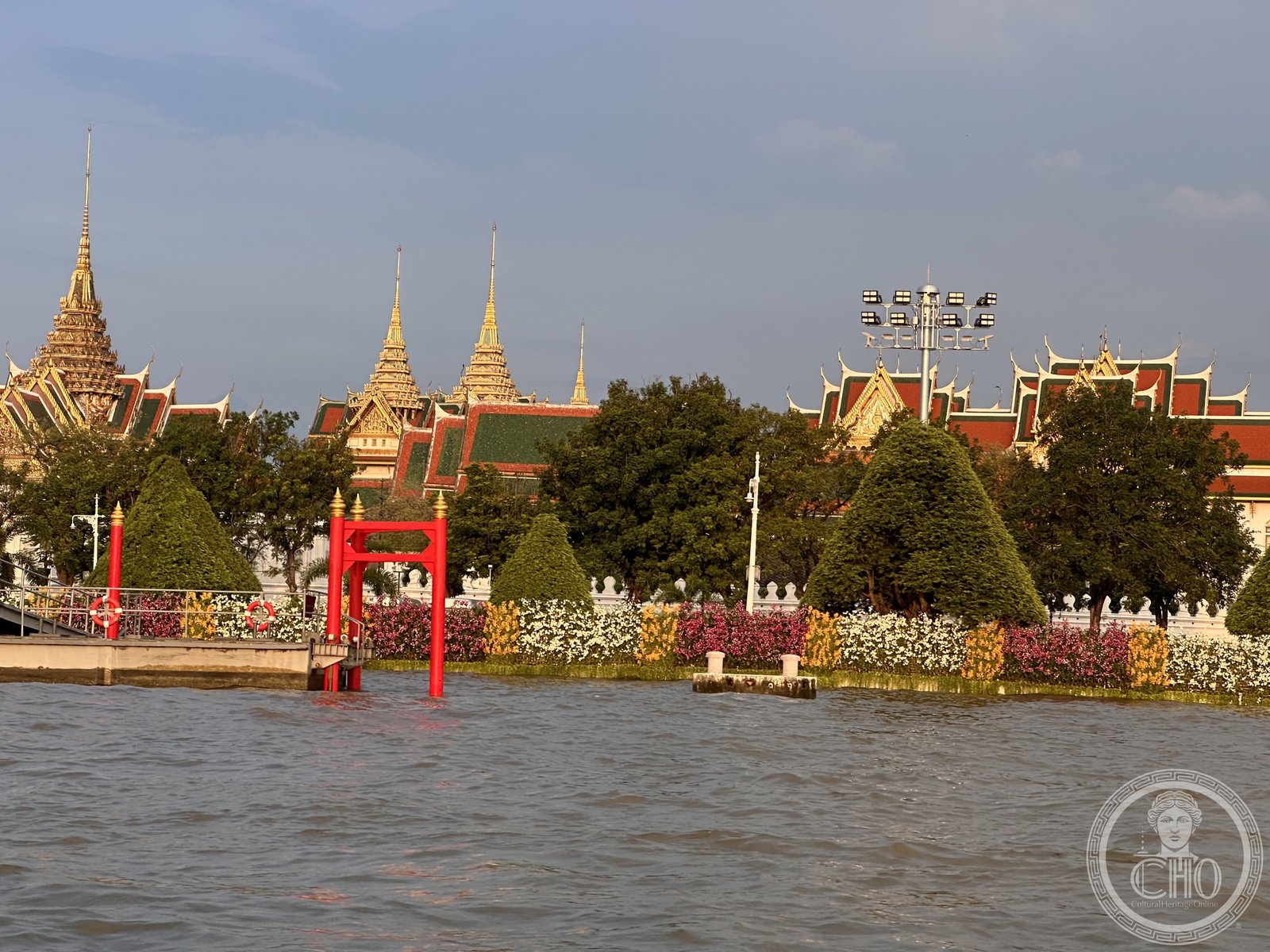
Grand Palace of Bangkok
The Grand Palace is a monumental complex of throne halls, temples, and royal pavilions at the heart of Bangkok, serving as the official residence of the Kings of Siam since its founding in 1782. Built by King Rama I when Bangkok became the new capital, the compound spans 218,400 square metres and blends Thai, Chinese, and European architectural traditions. Though no longer a royal residence, it remains the most visited cultural landmark in Thailand, welcoming over eight million visitors annually.
- Address
- Na Phra Lan Road, Phra Borom Maha Ratchawang, Phra Nakhon, Bangkok 10200, Thailand
- Coordinates
- 13.7499° N, 100.4912° E
- Period
- Founded 1782 by King Rama I (Chakri dynasty); expansions through the reign of Rama V (early 20th century)
- Style
- Traditional Thai (Rattanakosin), with Chinese and European Baroque elements
- Function
- Former royal residence; official ceremonial palace of the Kingdom of Thailand
- Current use
- Open to the public; state ceremonies, royal events, and the Temple of the Emerald Buddha (Wat Phra Kaew) remain active
At a glance
- Type
- Royal palace complex
- Period
- 1782 to early 20th century
- Style
- Rattanakosin Thai, with Chinese and European elements
- Location
- Phra Nakhon district, Bangkok, Thailand
- Patrons
- Kings of the Chakri dynasty, Rama I through Rama VIII
Overview
The Grand Palace has been the official residence of the Kings of Siam since 1782, when King Rama I moved the capital from Thonburi to Bangkok and commissioned the first buildings. The royal court and government were headquartered within the palace walls until 1925, when King Rama VII relocated administrative functions. Today the complex continues to host the most sacred royal ceremonies of the Thai state, including coronation rites and state visits.
History
Construction began on 6 April 1782 when King Rama I laid the foundation of the new capital. The first structures — the central throne halls and the Chapel Royal of the Emerald Buddha — were completed by 1784. Successive Chakri kings expanded and embellished the compound, adding European-influenced halls during the modernising reigns of Rama IV and Rama V in the 19th century. The last monarch to reside permanently within the walls was King Vajiravudh (Rama VI); subsequent kings chose to live at the Dusit Palace complex.
What you see
The compound is divided into three main zones: the Outer Court with administrative buildings and the Emerald Buddha temple (Wat Phra Kaew), the Middle Court containing the primary throne halls, and the Inner Court, the former private royal apartments. The throne halls display an eclectic mix of Thai tiered roofs and European Classical colonnades. The Chapel Royal houses the Emerald Buddha, a 14th-century jade statuette considered the palladium of the Thai kingdom, dressed by the king himself three times per year.
Cultural significance
The Grand Palace is the symbolic heart of Thai nationhood and monarchy, functioning as a living ceremonial site rather than a museum. Wat Phra Kaew within its grounds is the most sacred Buddhist temple in Thailand. The complex was designated a national heritage site and has been continuously maintained as a living institution of the Thai state for over two centuries.
Practical information
The Grand Palace is open daily. An admission fee is charged; tickets include entry to Wat Phra Kaew. Visitors must dress modestly (shoulders and knees covered); sarongs are available at the entrance for those who need them. Check the official website for current opening hours and closures during royal ceremonies.
Getting there
The palace is most easily reached by river: take the Chao Phraya Express Boat to Tha Chang Pier (N9). Alternatively, take the MRT Blue Line to Sanam Chai station and walk approximately 15 minutes north. Tuk-tuks and taxis are widely available from central Bangkok; be wary of unsolicited drivers claiming the palace is closed.
Sources & resources
Gallery
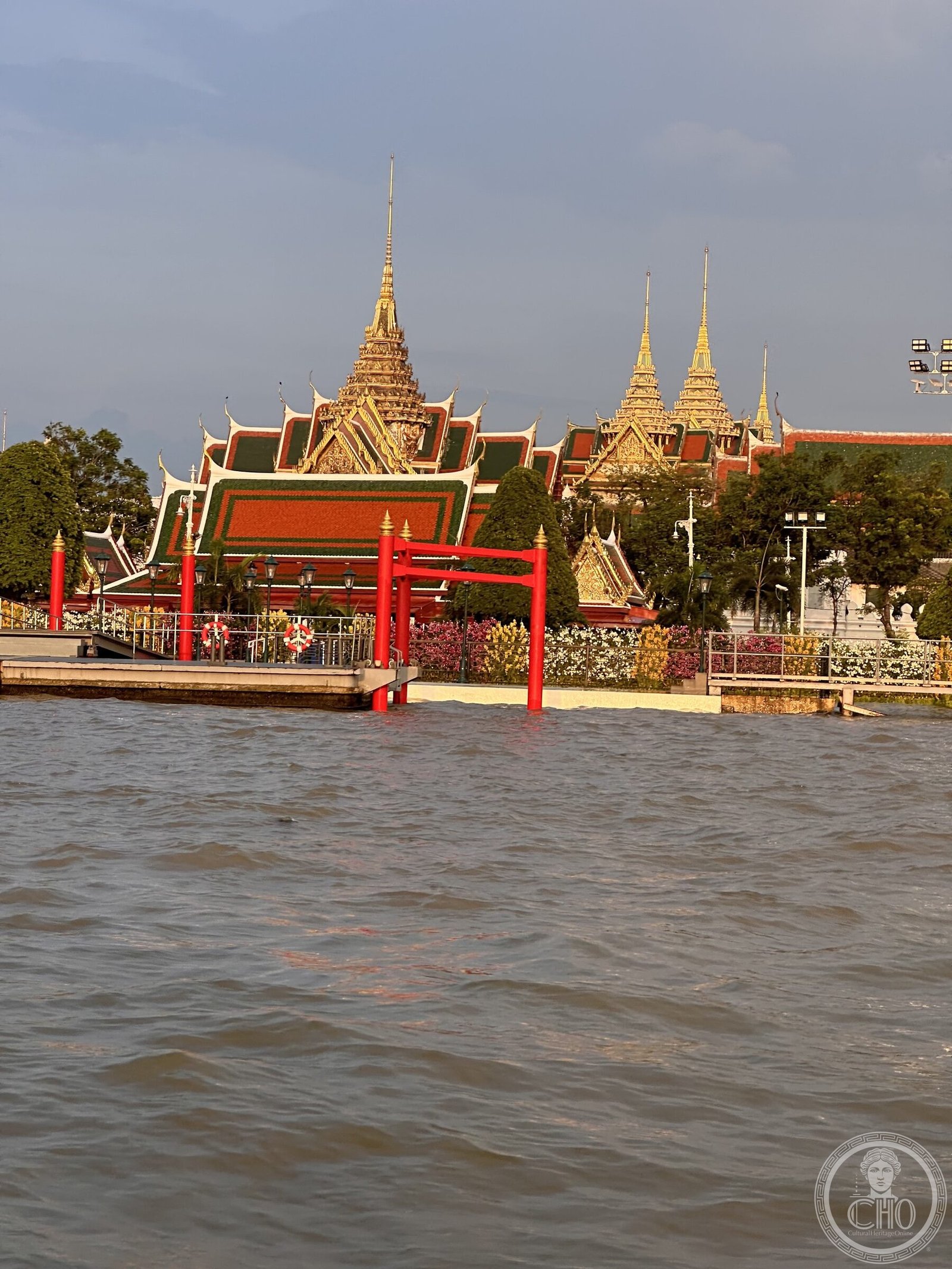
Photographs by Luigi De Marchi.
Find it on the map
See this place and what’s around it →
📷 Diventa un fotografo di Cultural Heritage Online
Condividi le tue foto dei luoghi: restano pubblicate con la tua firma come autore. Più vengono viste, più ti fai conoscere — e presto un concorso premierà le foto più apprezzate.
Accedi o registrati gratis per aggiungere una foto