
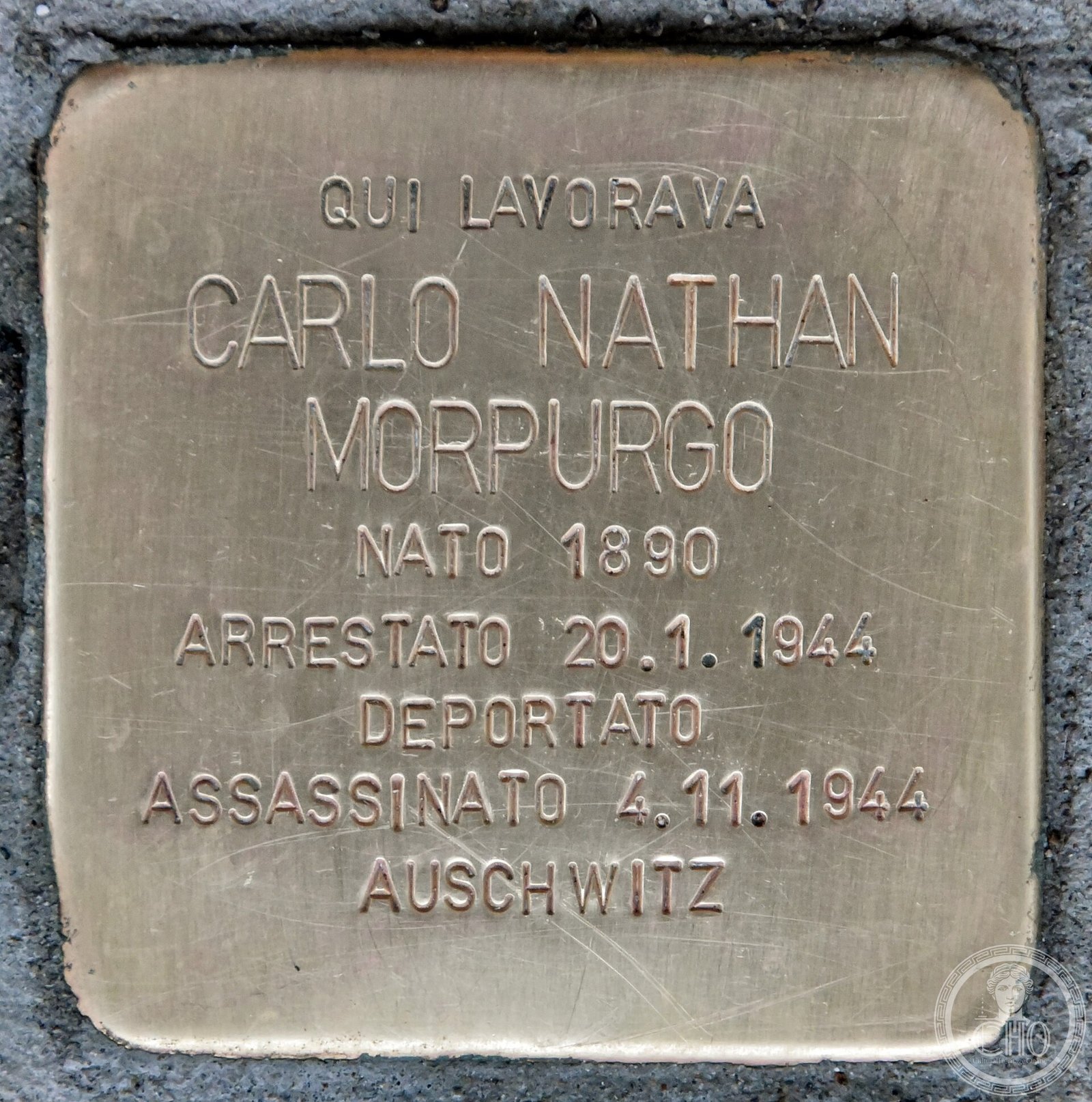
Ghetto of Trieste
A confined quarter that housed Trieste’s Jewish community from 1684, the Ghetto represents a pivotal chapter in the city’s multicultural history and the resilience of its Jewish residents under Habsburg rule.
At a glance
The Ghetto of Trieste is the physical embodiment of a centuries-long Jewish presence in the city. Established through forced compliance with municipal authorities in 1684, it became a center of community life until restrictions were lifted in the eighteenth century. The site preserves evidence of commercial, religious, and domestic activity within a designated urban space.
History
The first documented Jewish residents of Trieste appear in 1236, when a notarial deed records a financial transaction between Bishop Giovanni and the Jew Daniel David to finance efforts against brigands infesting the Karst. As Trieste came under Habsburg control, Jews from German-speaking territories settled in the city, drawn by economic opportunity.
During the medieval period, Trieste’s Jews engaged primarily in banking and commerce. By the seventeenth century, mounting pressure from civic authorities demanded their segregation. After years of resistance, the community capitulated in 1684, and the Ghetto was formally established. Notably, by 1738 residents were no longer required to wear identifying signs, marking a gradual easing of restrictions. The following decades saw an influx of Jews from Venetian communities, particularly San Daniele del Friuli.
In 1746, the community adopted a formal Constitution and established an assembly of heads of families who bore financial responsibility for communal welfare.
What you see
The Ghetto occupies a defined urban quarter in Trieste’s historic center. Its layout and surviving structures reflect the spatial constraints imposed on the medieval and early modern Jewish community. The area bears the physical marks of centuries of habitation and the adaptation of medieval buildings to accommodate a concentrated population.
Cultural significance
The Ghetto of Trieste documents the complex relationship between a prosperous trading city and its religious minorities under Habsburg governance. The timeline from forced confinement to gradual emancipation illuminates broader patterns of Jewish life in Central Europe. The 1746 Constitution demonstrates the community’s capacity for self-organization despite external constraints, anchoring Trieste as a site of Jewish cultural continuity and adaptation.
Key facts
- Address: Via S. Francesco D’Assisi, 19, 34133 Trieste
- Coordinates: 45.6534074, 13.7797678
- First documented Jewish presence: 1236
- Ghetto established: 1684
- Community Constitution adopted: 1746
- Phone: 040 371466
- Website: http://www.triestebraica.it/it
Practical information
The Ghetto is located in central Trieste on Via S. Francesco D’Assisi. Hours of access and admission fees are available through the official website or by telephone. The site is best explored in conjunction with guided resources provided by the Jewish community organization.
Getting there
The Ghetto sits within Trieste’s compact historic quarter, accessible on foot from the central railway station and the waterfront. Public transport connects major city districts. Consult local maps and visitor information for directions and parking options.
Sources & resources
Find it on the map
See this place and what’s around it →📷 Diventa un fotografo di Cultural Heritage Online
Condividi le tue foto dei luoghi: restano pubblicate con la tua firma come autore. Più vengono viste, più ti fai conoscere — e presto un concorso premierà le foto più apprezzate.
Accedi o registrati gratis per aggiungere una foto